
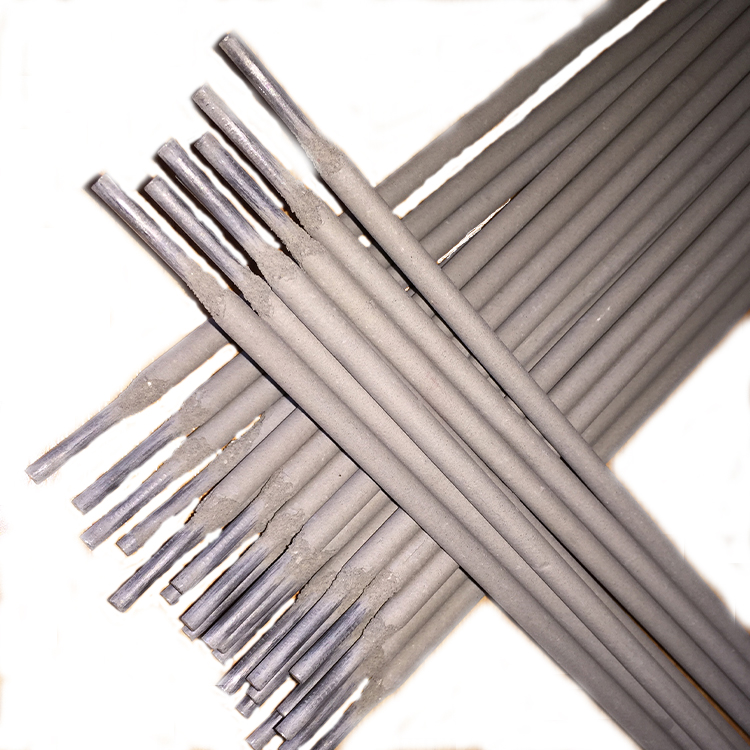
Advanced Industrial welding wire Solutions for Kazakhstan

Empowering Kazakhstan's heavy industry with high-performance consumables designed for extreme continental climates and rigorous structural standards.

Advanced Industrial welding wire Solutions for Kazakhstan

Providing a comprehensive suite of professional-grade welding consumables, including welding rod and specialized wires, tailored for the infrastructure and energy sectors across the Kazakh steppe.

Current State of Welding Industry in Kazakhstan

Analyzing the intersection of metallurgy and regional environmental challenges.

The manufacturing landscape in Kazakhstan is heavily driven by the extraction of minerals and oil, requiring massive structural integrity. However, the extreme temperature fluctuations—from scorching summers to freezing winters—place immense stress on joints. This necessitates a high-grade metal welding rod that can maintain ductility and strength across a wide thermal range.

Currently, many local workshops are transitioning from basic manual processes to semi-automated systems. The demand for consistent welding electrode performance is surging as the nation upgrades its pipeline networks and railway infrastructure to facilitate the "Belt and Road" logistics.

Furthermore, the rise of light-alloy construction in urban centers like Almaty and Astana has increased the reliance on specialized mig aluminum wire, which requires precise chemical compositions to avoid porosity in high-humidity or dusty outdoor environments.

Evolution and Technical Trajectory of Welding in Asia

From traditional forge-welding to the era of precision digital deposition.

Market Development History

In the late 20th century, the region relied heavily on generic Soviet-standard consumables. The focus was on volume and basic structural stability, where the standard welding rod was the primary tool for most industrial repairs.

Between 2000 and 2015, there was a significant shift toward international certifications (AWS/ISO). This era saw the introduction of high-efficiency welding wire, enabling faster deposition rates for the booming petrochemical plants in the Caspian region.

From 2016 to the present, the focus has pivoted toward "Smart Welding." The integration of inverter technology and advanced flux chemistry has minimized spatter and increased the lifespan of tools used in heavy metal tool manufacturing.

Future Development Trends

Automation and Robotic Integration

The shift toward robotic MIG/MAG systems will drive a higher demand for precision-diameter wires to ensure zero-stoppage production lines.

Low-Hydrogen Alloy Development

To combat hydrogen-induced cracking in cold climates, the next generation of electrodes will focus on ultra-low hydrogen coatings for cryogenic applications.

Sustainable Green Welding

Increasing pressure for ESG compliance in Kazakhstan's mining sector will push the industry toward consumables that produce fewer toxic fumes and lower energy consumption.

Industrial Trends and Future Outlook

Strategic foresight for the metal tool and welding consumables sector.

Extreme Temperature Adaptation
Developing consumables that maintain mechanical properties from -40°C to +40°C for Kazakhstan's diverse climate.
Alloy Precision Engineering
Increasing the purity of aluminum and stainless steel wires to reduce post-weld grinding time.
Digital Process Monitoring
Integrating IoT with welding power sources to track wire consumption and weld quality in real-time.
High-Deposition Efficiency
Adopting advanced flux-cored wires to increase speed in large-scale bridge and silo construction.

Industry Outlook

Based on Google Search trends in Central Asia, there is a growing interest in "automated welding systems" and "alloyed welding materials." This indicates that Kazakhstan is moving away from generic repair work toward high-value precision manufacturing.

We predict that the next 3-5 years will see a surge in the adoption of specialized mig aluminum wire for the automotive and aerospace components sector, as the region seeks to diversify its economy beyond raw material exports.

Localized Application Scenarios in Kazakhstan

Real-world deployments of our cutting-edge welding consumables.

01. Oil and Gas Pipeline Maintenance

Using high-strength welding electrode to ensure leak-proof joints in the harsh terrains of Western Kazakhstan, where seismic activity and soil corrosion are prevalent.

02. Heavy Mining Equipment Repair

Applying hard-facing metal welding rod to reinforce excavator buckets and crusher plates used in the Karaganda coal mines, extending tool life by 40%.

03. Agricultural Machinery Fabrication

Utilizing high-speed welding wire for the mass production of grain silos and harvesters, ensuring rapid assembly and structural durability for the farming season.

04. Aerospace and Transport Components

Deploying premium mig aluminum wire for lightweight chassis construction and specialized transport containers for the regional logistics hub.

05. Urban Infrastructure and Bridge Building

Implementing multi-pass welding techniques with specialized electrodes to build weather-resistant steel bridges crossing the Irtysh and Ural rivers.

Brand Story

Global Development Journey of Hebei Yujinhong Technology Co., Ltd.

Founding Vision

Established with a mission to solve the instability of weld joints in extreme industrial environments through metallurgical innovation.

Technical Breakthrough

Developed a proprietary coating process for electrodes that drastically reduces porosity in high-sulfur steel applications.

Global Expansion

Expanded operations to Central Asia, establishing a robust supply chain to support Kazakhstan's growing industrialization.

Certification Milestone

Achieved full ISO and AWS certifications, ensuring our products meet the most stringent global safety and quality standards.

Future Commitment

Investing in R&D for eco-friendly welding materials to lead the transition toward green manufacturing in the metal tool industry.

Common Questions in Kazakhstan Market

Expert answers to the most frequent technical inquiries from our local partners.

Which welding electrode is best for low-temperature environments in Northern Kazakhstan?

For extreme cold, we recommend low-hydrogen basic electrodes (E7018 type) which provide superior impact toughness and prevent brittle fractures at sub-zero temperatures.

How to prevent porosity when using mig aluminum wire in dusty outdoor sites?

Ensure a clean base metal surface and use high-purity argon shielding gas. Our aluminum wires are designed with optimized surface cleanliness to minimize contaminants.

What is the difference between a standard welding rod and a specialized metal welding rod for hard-facing?

A standard rod is for joining, while hard-facing rods contain alloys like chromium and tungsten to create a wear-resistant surface layer on tools.

Can your welding wire be used with semi-automatic MIG machines from different brands?

Yes, our wires are manufactured to international tolerances, ensuring smooth feeding and stable arc characteristics across all major equipment brands.

How should I store welding electrodes to prevent moisture absorption in humid regions?

Store them in a dry, ventilated area. For basic electrodes, we highly recommend using a warming oven at 300-350°C before use to ensure low-hydrogen performance.

Do you provide technical support for selecting the right wire for oil pipeline projects?

Absolutely. Our engineering team provides material matching services based on the specific steel grade and environmental conditions of your project.

Get Professional Consulting Now

Our experts are ready to optimize your welding processes and supply chain within Kazakhstan. Contact us for a customized quote.

Contact Us Now

If you are interested in our products, you can choose to leave your information here, and we will be in touch with you shortly.