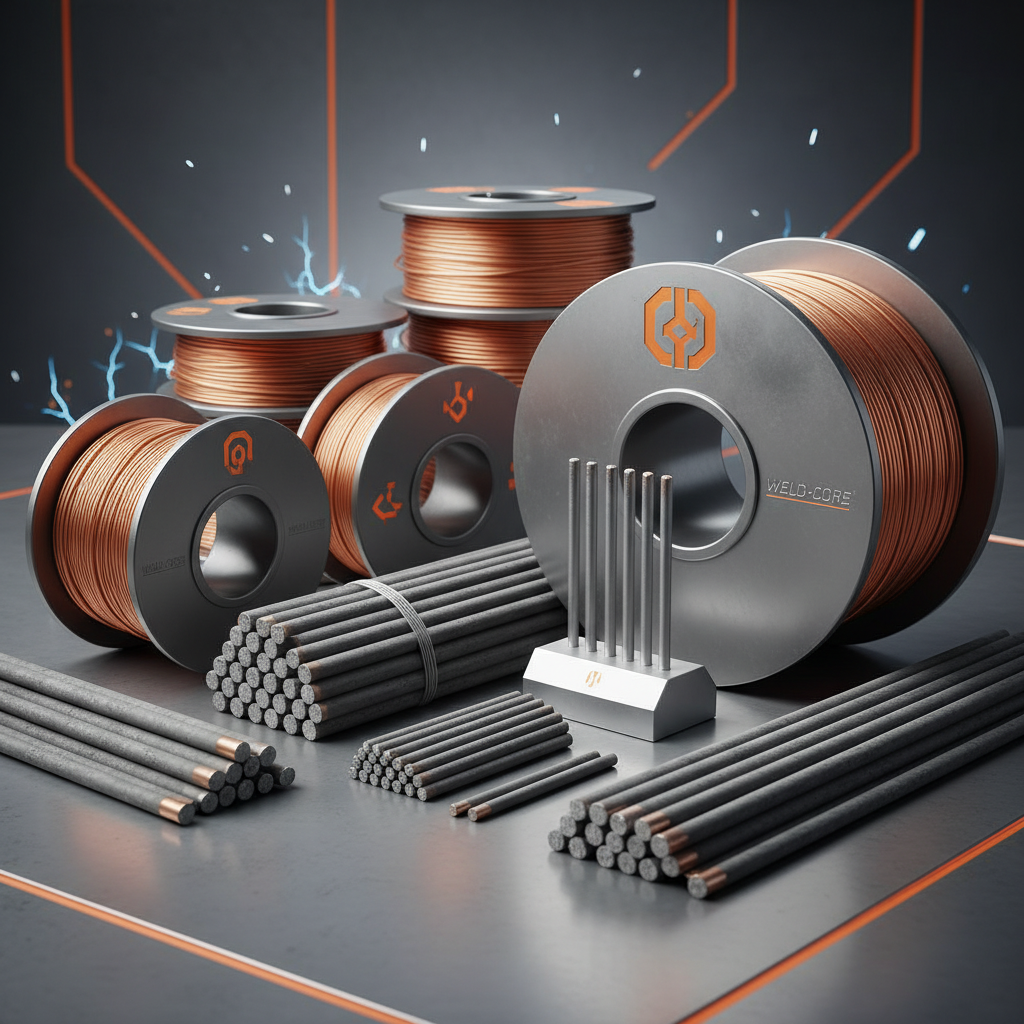
In the demanding world of industrial fabrication, the integrity of a weld can be the difference between structural success and catastrophic failure. The use of electrodos e-7018 has become a global gold standard for those requiring high-strength, low-hydrogen welds that can withstand extreme stress and environmental pressure.
Understanding the technical nuances of these electrodes is not just for specialists; it is essential for engineers and procurement officers who prioritize safety and longevity. By utilizing the specific chemical composition of the E7018, industries can ensure that their joints are resistant to cracking, particularly in heavy-duty applications where tensile strength is non-negotiable.
From skyscraper skeletons to offshore oil rigs, the global reliance on high-quality welding consumables drives the need for precision manufacturing. Exploring the capabilities of electrodos e-7018 reveals why this specific rod remains the preferred choice for critical pressure vessels and structural steel frameworks worldwide.


The global infrastructure market is currently experiencing a massive surge, with ISO standards increasingly demanding higher safety margins for load-bearing structures. In this climate, electrodos e-7018 play a pivotal role because they provide the necessary ductility and strength required by international building codes.
Across Asia and North America, the challenge of "hydrogen-induced cracking" has plagued large-scale steel projects. By implementing strict low-hydrogen protocols using these specialized electrodes, construction firms have significantly reduced the rate of weld failure in high-stress environments, ensuring that critical bridges and pipelines remain secure for decades.
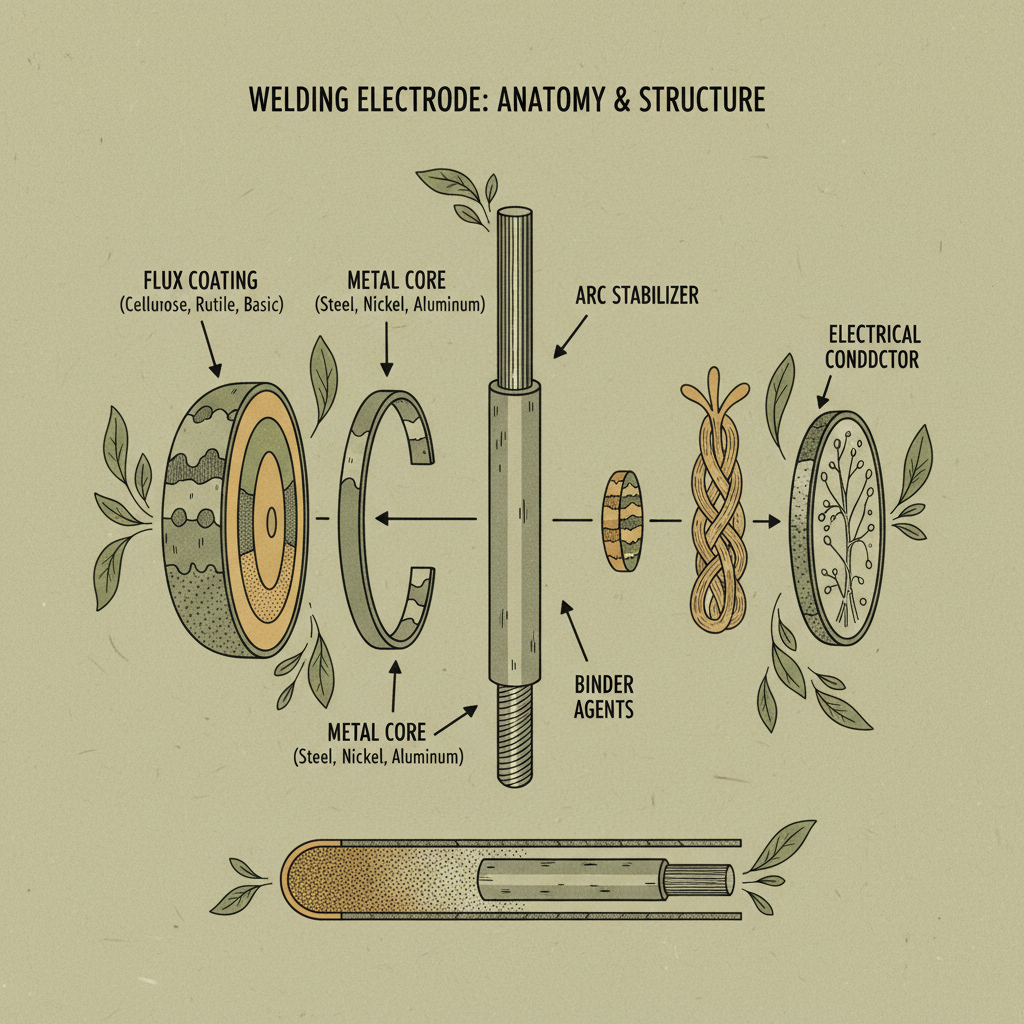
They are called low-hydrogen because their coating is specifically formulated to exclude moisture and hydrogen-bearing compounds during the welding process. This is critical because hydrogen atoms can migrate into the weld metal, causing embrittlement and "underbead cracking" in high-strength steels. By keeping hydrogen levels extremely low, E7018 ensures the weld remains ductile and strong.
Yes, for critical applications, an oven is non-negotiable. The flux coating on E7018 is hygroscopic, meaning it absorbs moisture from the air. If the rods become damp, the "low-hydrogen" property is lost, and you risk creating porous or cracked welds. To maintain the AWS certification standards, rods should be baked and stored in a holding oven at the recommended temperatures.
Most modern electrodos e-7018 are designed to be versatile and can be used with both AC (Alternating Current) and DC+ (Direct Current Electrode Positive) machines. However, DC+ is generally preferred for better penetration and a more stable arc. Always check the specific manufacturer's data sheet to confirm the compatibility of your particular brand of E7018.
E6010 is a cellulose-coated rod used primarily for deep penetration and "root passes" in pipe welding, but it has lower strength and higher hydrogen. E7018 is a low-hydrogen rod used for "fill and cap" passes, providing much higher tensile strength and superior mechanical properties. In many professional projects, E6010 is used for the first pass, and E7018 is used for all subsequent passes.
Visual inspection can reveal surface porosity or "wormholes," which often indicate moisture in the rod. However, the most dangerous failures (hydrogen cracking) are internal. These are typically detected through Non-Destructive Testing (NDT) such as Ultrasonic Testing (UT) or Radiographic Testing (RT/X-ray). If you see small, hairline cracks in the weld toe, it's a sign to check your rod storage.
No, electrodos e-7018 are designed specifically for carbon steel and low-alloy steel. Welding stainless steel requires electrodes with a chromium-nickel composition (such as the E300 series). Using E7018 on stainless steel would result in a weld that lacks corrosion resistance and would likely suffer from severe metallurgical incompatibility and cracking.
Looking forward, the synergy between these traditional high-performance consumables and emerging robotic automation will likely define the next era of metal fabrication. We encourage procurement managers and engineers to prioritize certified, high-quality sources for their welding consumables to guarantee the integrity of their projects. For professional-grade solutions and a full catalog of welding electrodes, visit our website: www.steeltoolschina.com.