

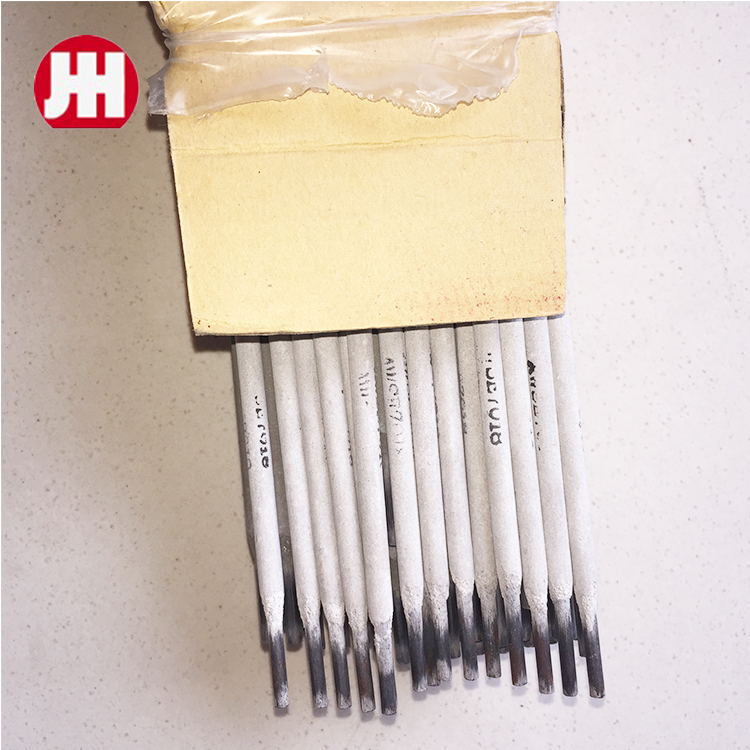
Iraq's current economic landscape is heavily driven by the revitalization of energy infrastructure and urban expansion. In such a demanding environment, the use of a reliable welding rod is critical for ensuring the structural integrity of pipelines and refinery components. The extreme temperature fluctuations in the region require consumables that maintain mechanical properties under stress, reducing the risk of weld failure in critical joints.
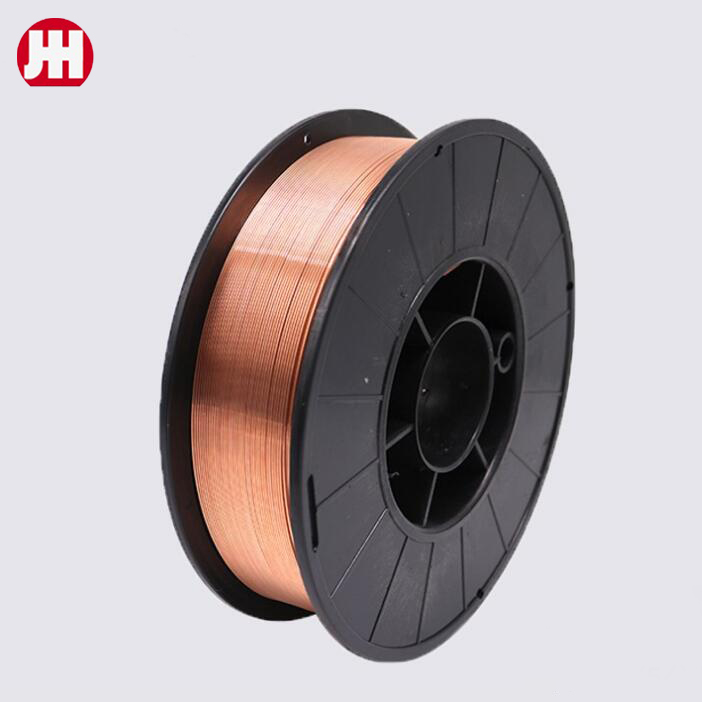
From a technical perspective, the transition toward more efficient fabrication methods has increased the demand for welding wire, particularly for large-scale steel structures. Local contractors are increasingly moving away from traditional methods toward automated systems that require high-consistency consumables to prevent porosity and slag inclusions. This shift is essential for meeting international safety standards in the petrochemical sector.
Furthermore, the procurement strategy for metal fabrication in the region is shifting toward verified international standards. Decision-makers are prioritizing certifications such as CE and TUV to ensure that every welding electrode used in the field can withstand the specific corrosive environments found in Iraq's southern oil fields. This focus on quality over low-cost alternatives is accelerating the adoption of premium industrial consumables.