


Comprehensive Guide to Wholesale Aluminium Welding Electrode Selection and Sourcing
Wholesale Aluminium Welding Electrode: A Comprehensive Guide
Choosing the right welding electrode is crucial for achieving high-quality welds and ensuring project success. This article focuses on wholesale aluminium welding electrode, covering its uses, types, selection criteria, and where to source it reliably. Whether you're a professional welder or involved in procurement, understanding these electrodes is essential. We will provide insights into optimizing your welding processes and finding the best supplier for your needs.
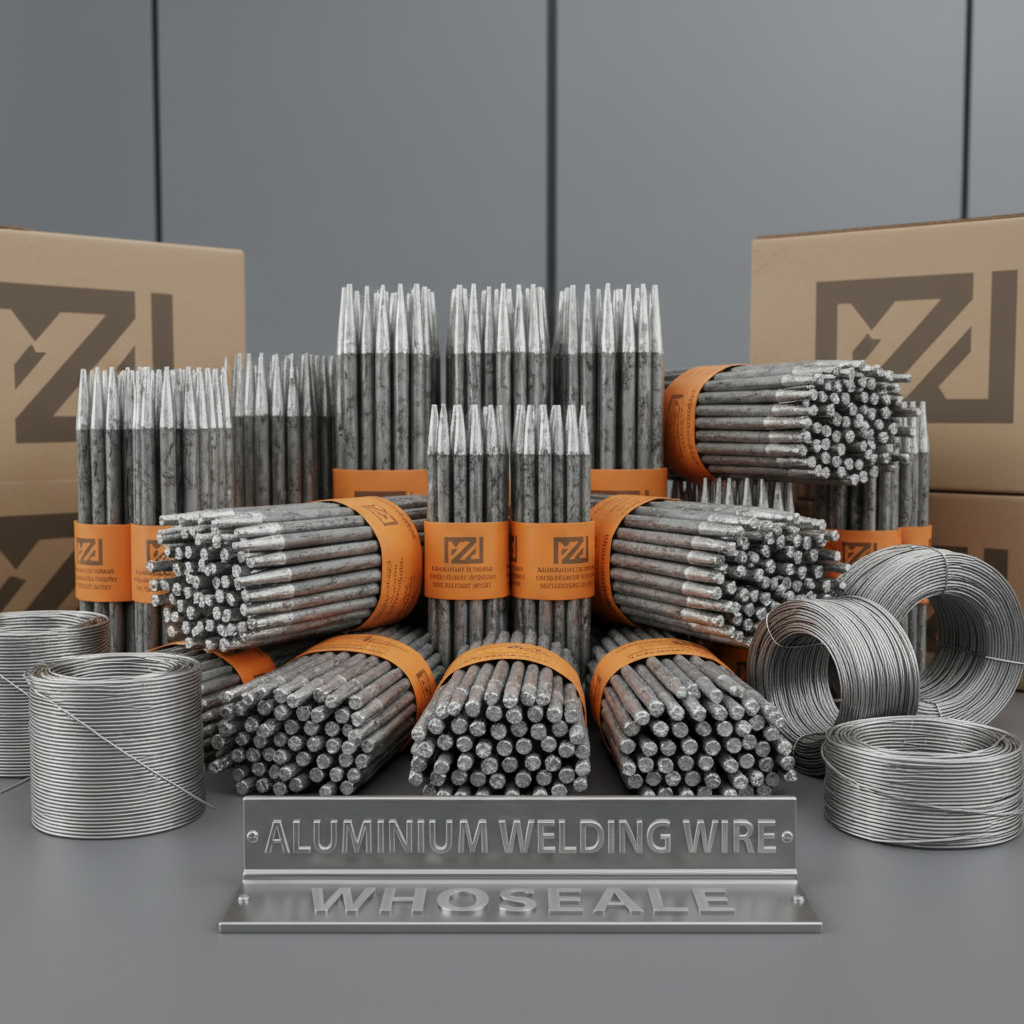
Understanding Aluminium Welding Electrodes
Aluminium welding electrodes are specifically designed for joining aluminium and aluminium alloys. Due to aluminium's unique properties – like its high thermal conductivity and oxide layer – standard steel electrodes won't work effectively. Aluminium electrodes typically utilize a flux coating that cleans the oxide layer and provides a stable arc. These electrodes are crucial in a variety of industries, including automotive, aerospace, construction, and shipbuilding. Finding a reliable supplier offering consistent quality is paramount for maintaining weld integrity.
Key Benefits: Aluminium welding electrodes deliver strong, corrosion-resistant welds suitable for demanding applications. They're designed to overcome the challenges posed by aluminium's oxide layer and high thermal conductivity.
Types of Wholesale Aluminium Welding Electrode
Several types of aluminium welding electrodes are available, each suited for specific applications and welding processes. The most common include:
- 4043 Electrode: Excellent for welding 6xxx series aluminium alloys. Offers good crack resistance.
- 5356 Electrode: Ideal for welding 5xxx series aluminium alloys and general-purpose welding. Provides high ductility.
- 4047 Electrode: Suitable for a wider range of aluminium alloys, including 2xxx, 3xxx, 5xxx, and 6xxx series.
- 5183 Electrode: Used for welding 5xxx series alloys, offering excellent corrosion resistance in marine environments.
Choosing the Right Aluminium Welding Electrode
Selecting the correct electrode is vital for weld quality. Consider the following factors:
- Alloy Type: Match the electrode to the aluminium alloy being welded.
- Welding Process: Different electrodes are designed for TIG (GTAW), MIG (GMAW), and stick (SMAW) welding.
- Joint Design: The joint configuration influences electrode selection.
- Application Requirements: Consider corrosion resistance, strength, and ductility needs.
Wholesale Aluminium Welding Electrode: A Comparison
Here’s a comparative overview of popular aluminium welding electrodes:
Sourcing Wholesale Aluminium Welding Electrodes from SteelToolsChina
When sourcing wholesale aluminium welding electrode, reliability and quality are paramount. SteelToolsChina offers a comprehensive range of aluminium welding electrodes, catering to diverse industrial needs. We provide competitive pricing, consistent quality control, and efficient shipping. Our expertise ensures you receive the right electrode for your application, maximizing weld performance and minimizing downtime. We are committed to providing superior customer service and building long-term partnerships.

Conclusion: Choosing the Right Partner for Your Welding Needs
Investing in high-quality aluminium welding electrode from a trusted supplier like SteelToolsChina is crucial for achieving optimal welding results. By understanding the different types of electrodes and their applications, you can ensure strong, durable, and corrosion-resistant welds. Partner with us to benefit from our expertise, competitive pricing, and reliable service.
Frequently Asked Questions (FAQs)
What are the common challenges when welding aluminium?
Aluminium presents several welding challenges, including its high thermal conductivity (causing rapid heat dissipation), the formation of a tough oxide layer (requiring thorough cleaning), and its tendency to crack if not properly welded. The choice of electrode, appropriate preheating, and controlled cooling rates are crucial to overcome these challenges. Using the correct shielding gas is also essential to protect the weld pool from atmospheric contamination.
What shielding gas is recommended for aluminium welding?
Argon is the most common shielding gas used for aluminium welding, offering excellent arc stability and weld quality. Helium or an argon-helium mixture can be used for thicker sections or when higher heat input is needed. The specific gas mixture depends on the welding process, aluminium alloy, and joint configuration. Always consult welding guidelines for optimal shielding gas selection.
How do I prevent porosity in aluminium welds?
Porosity, or the formation of gas bubbles within the weld, is a common issue in aluminium welding. To prevent it, ensure the aluminium is thoroughly cleaned of oil, grease, and the oxide layer. Use dry shielding gas and a proper welding technique to avoid trapping atmospheric gases. Preheating the aluminium can also reduce the risk of porosity by slowing down the cooling rate. Proper joint design and electrode selection are crucial as well.
-
High Quality Wholesale China Welding Rod 6013 for Industrial UseNewsApr.16,2026
-
High Quality Industrial Wholesale Welding Rod AWS E6013 GuideNewsApr.09,2026
-
Comprehensive Guide to Wholesale Welding Electrode 7018 for Superior ResultsNewsApr.07,2026
-
Comprehensive Guide to Sourcing Wholesale MIG Weld Electrode for Superior WeldingNewsApr.04,2026
-
Find High Quality Wholesale MIG Wire 5kg for Superior Welding ResultsNewsMar.31,2026
-
Comprehensive Guide to Wholesale MIG Welding Wire 1.0 for Industrial UseNewsMar.28,2026