

AWS E6013 Rutile Electrode Guide and Welding Rod Price Analysis
For procurement managers in the structural steel industry, the balance between material cost and weld integrity is a constant challenge. When evaluating the welding rod price, the focus often shifts from the initial invoice to the total cost of operation, including slag removal time and re-work rates. A high-performance rutile electrode, such as the AWS E6013, is designed specifically to reduce these hidden costs by providing a stable arc and superior bead appearance without requiring extensive post-weld grinding. By optimizing the coating composition—specifically the high-titanium potassium formulation—manufacturers can deliver a tool that is relatively insensitive to surface impurities, making it an essential asset for intermittent and cover welding in diverse industrial environments.

Technical Characteristics of AWS E6013 Rutile Electrodes for Structural Steel
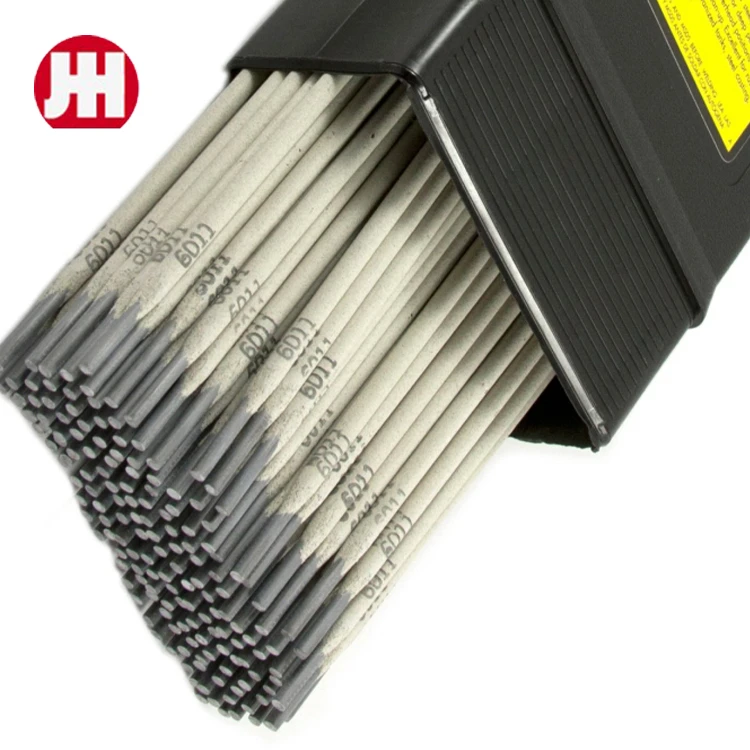
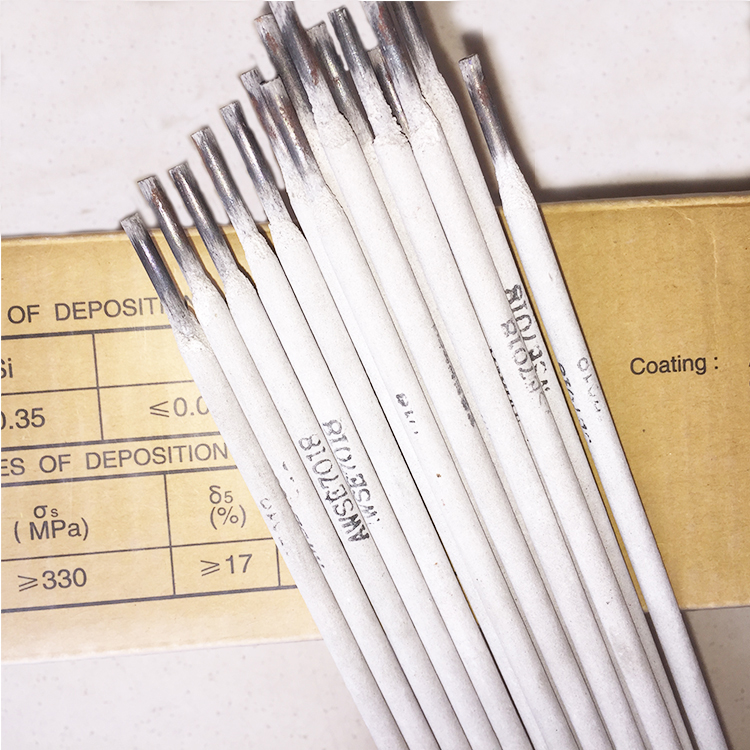
The AWS E6013 is a high-quality electrode grade primarily utilized for the welding of mild steel and structural components. Its core technical advantage lies in the acidic rutile coating, which incorporates a high-titanium potassium blend. This specific chemical composition ensures a stable arc and excellent welding performance across various positions. Because the electrode is designed for ease of use, it is particularly effective for operators who require quick arc ignition and effortless restriking, which is critical for short-arc welding and root pass applications.
One of the standout features of the E6013 grade is its versatility regarding power sources; it is compatible with both AC and DC currents. This flexibility allows fabrication shops to utilize existing machinery without needing specialized power upgrades. Furthermore, the electrode is engineered to minimize spatter, resulting in a cleaner weld zone and a fine, aesthetic finish that often eliminates the need for secondary polishing. From a metallurgical perspective, the strict control of sulfur and phosphorus in the welding core ensures that the deposited metal maintains mechanical properties superior to the base metal itself.

Optimizing Welding Efficiency through Coating Chemistry and Core Precision
The performance of a welding rod is fundamentally determined by the synergy between the metal core and the outer coating. The coating does not merely protect the core; it serves as a chemical reactor that stabilizes the plasma arc and forms a protective slag layer over the molten pool. In the case of E6013, the rutile-based powder is applied evenly to ensure consistent burn-off rates and a smooth transition between the electrode and the workpiece. This precision reduces the likelihood of porosity and inclusions, which are common failure points in structural welding.
Strict raw material procurement is the cornerstone of industrial-grade consumables. By limiting harmful impurities in the welding core, the risk of cold cracking and brittleness is significantly reduced. For high-volume manufacturing, this means fewer rejected parts and a more reliable supply chain. The ability to maintain these standards while keeping the welding rod price competitive is what separates professional manufacturers from general suppliers, ensuring that the final weld meets international advanced standards for durability and strength.
Application Scenarios and Operational Parameters for Industrial Welding
The AWS E6013 electrode is widely deployed in shipbuilding, offshore construction, and general fabrication due to its ability to deposit smooth welds in all positions, including vertical down welding. Its insensitivity to rust and surface impurities makes it the preferred choice for field repairs and construction sites where perfect surface preparation is not always possible. Whether used for intermittent tack welding or full cover welding, the easy slag removal ensures that the workflow remains uninterrupted.
To achieve optimal results, operators must adhere to specific current ranges based on the electrode diameter. For instance, a 2.0mm rod typically requires 40-70A, while larger 5.0mm rods require up to 170-230A. Incorrect amperage can lead to excessive spatter or lack of fusion, undermining the technical benefits of the rutile coating. When used correctly, the resulting weld is not only structurally sound but also visually superior, meeting the strict aesthetic and safety requirements of modern infrastructure projects.
Reference Current and Performance Specifications by Diameter
| Electrode Diameter | Reference Current (A) | Arc Stability | Recommended Application |
|---|---|---|---|
| 2.0mm | 40-70A | High | Thin sheet / Root pass |
| 2.5mm | 50-90A | High | General fabrication |
| 3.2mm | 90-130A | Very High | Structural steel / Cover |
| 4.0mm | 130-210A | High | Heavy plate welding |
| 5.0mm | 170-230A | Medium-High | Industrial infrastructure |
Evaluating Supplier Capabilities for Large-Scale Welding Procurement
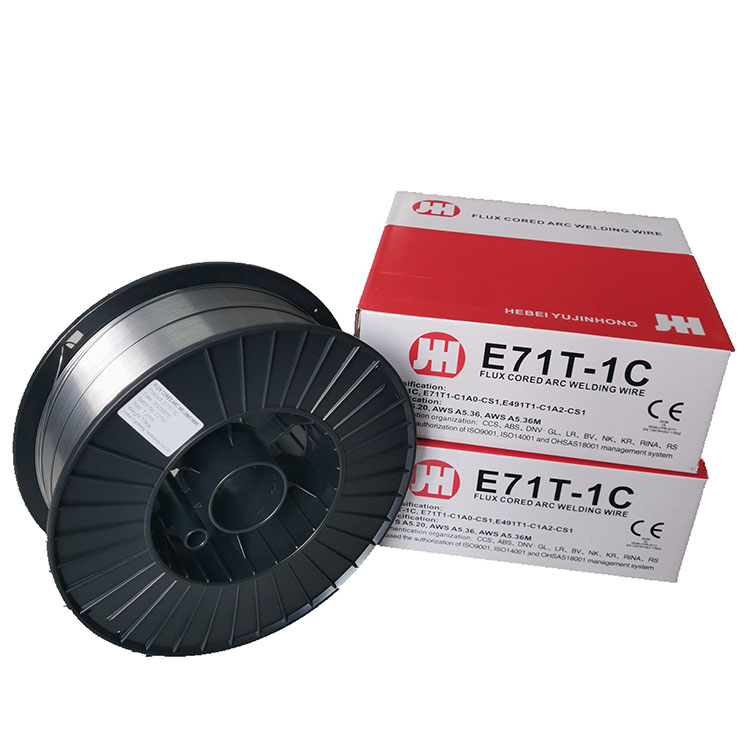
When sourcing welding consumables for global projects, buyers must look beyond the unit price and evaluate the manufacturer's integrated capabilities. A professional developer should offer a complete ecosystem of products, from E6013 and E7018 electrodes to flux-cored wires (FCAW). This integration ensures that the materials are compatible and that the supplier can scale production to meet fluctuating demand. Facilities equipped with professional machining and powder coating rooms can maintain the consistency of the coating thickness, which directly impacts the arc stability of every single rod in a batch.
Certifications are the primary indicator of quality assurance in the B2B sector. Approval from bodies such as ABS, BV, CCS, DNV.GL, and TUV indicates that the products are suitable for high-stakes environments like shipbuilding and offshore platforms. For companies exporting to the USA, Canada, and Europe, these certifications serve as a passport for quality, ensuring that the welding consumables comply with international safety and engineering standards. A manufacturer with a proven track record of annual sales in the tens of millions of dollars typically possesses the quality control systems necessary to guarantee batch-to-batch uniformity.
Future Trends in Welding Consumables and Sustainable Manufacturing
The welding industry is moving toward "refined production," where the goal is to maximize deposition rates while minimizing waste. Modern production lines are now focusing on reducing the environmental impact of the coating process and improving the purity of the welding core. As sustainable development becomes a corporate priority, the demand for electrodes that require less energy for arc ignition and produce fewer fumes is increasing. This shift requires continuous R&D investment into the chemical composition of the flux to ensure that productivity gains do not come at the expense of operator health or environmental safety.
Furthermore, the integration of customized solutions is becoming a key differentiator. Buyers are no longer looking for generic rods but for consumables tailored to specific base metals or environmental conditions. Whether it is developing stainless steel electrodes for corrosive environments or cast iron rods for specialized repairs, the ability to provide a technical solution rather than just a product is the future of the industry. Companies that invest in expanding their production scale and diversifying their product lines will be best positioned to lead the market in the coming decade.
Frequently Asked Questions About Rutile Welding Electrodes
What makes E6013 different from other structural steel electrodes?
E6013 is a rutile-coated electrode known for its exceptional arc stability, easy slag removal, and beautiful weld bead appearance. Unlike some low-hydrogen electrodes, it is more forgiving of surface rust and is easier to ignite, making it ideal for general-purpose structural work.
Can I use AWS E6013 with an AC welding machine?
Yes, one of the primary advantages of the E6013 electrode is its versatility; it is designed to be compatible with both Alternating Current (AC) and Direct Current (DC) power sources.
How does the diameter of the rod affect the current settings?
The diameter determines the heat input required. For example, a 2.0mm rod requires a lower current (40-70A) to avoid burn-through on thin metal, whereas a 5.0mm rod requires significantly higher current (170-230A) to ensure proper penetration in thick plates.
What should I look for when evaluating the quality of a welding rod supplier?
Check for international certifications (such as CE, ISO, TUV, or ABS), the ability to provide consistent technical specifications, and a proven track record of exporting to major global markets, which indicates a stable quality management system.
Is E6013 suitable for vertical down welding?
Yes, the E6013 electrode is specifically engineered to deposit smooth welds in all positions, including vertical down, making it highly efficient for a wide range of construction tasks.
What are the risks of using low-quality welding cores?
Low-quality cores often contain high levels of sulfur and phosphorus, which can lead to weld embrittlement, porosity, and structural failure. Professional manufacturers strictly limit these impurities to ensure the weld is stronger than the base metal.
Technical Standards and Industry References
- American Welding Society (AWS) Technical Standards
- ISO Standards for Welding Consumables
- TUV Quality Certification Guidelines
- ABS Rules for Materials and Welding
Selecting the right welding consumables is a strategic decision that affects both the structural integrity of your project and your bottom line. By focusing on certified manufacturers who prioritize chemical purity and coating consistency, you can ensure long-term reliability and operational efficiency.
Related Industry Insights and Product Guides