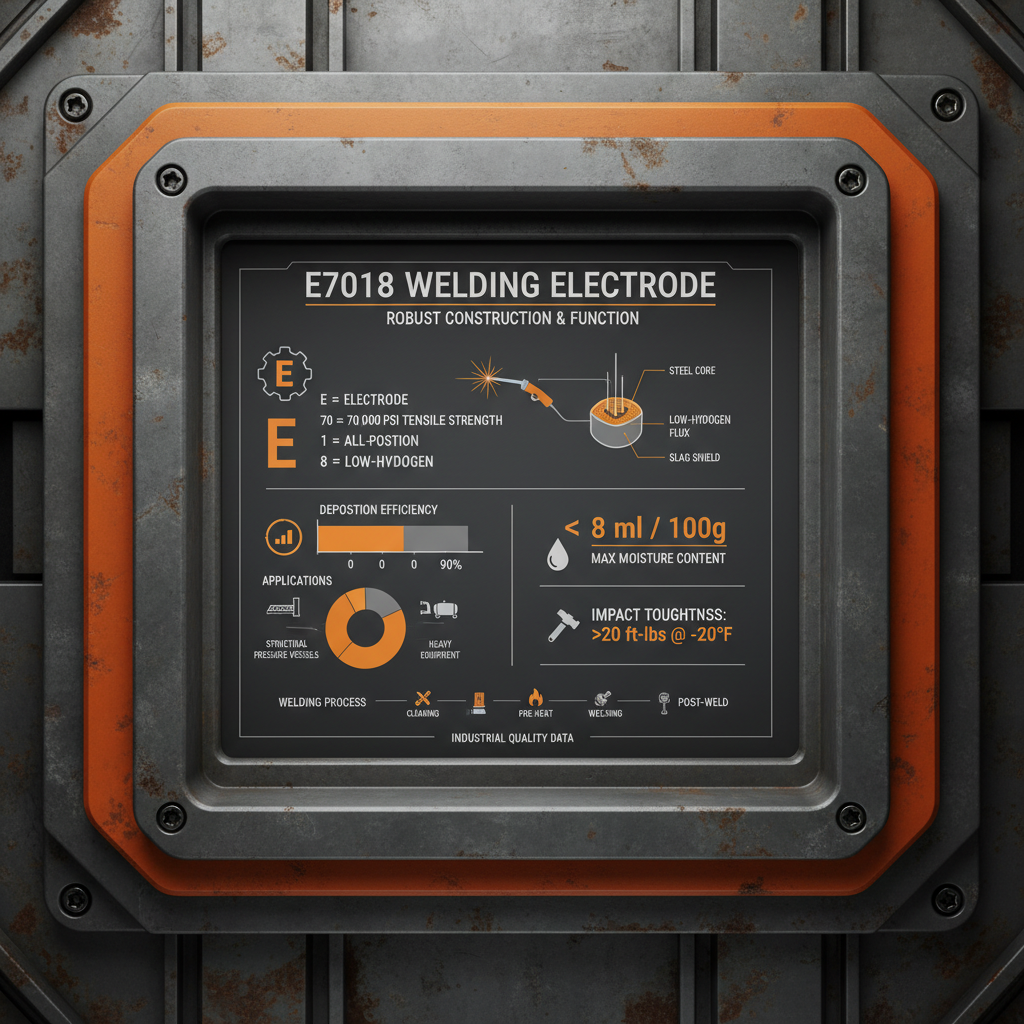
In the modern landscape of industrial fabrication, selecting the right filler material is paramount to structural integrity. The versatility of mig steel wire and its specialized variants, such as flux-cored options, has revolutionized how we approach high-strength joining in the manufacturing sector. By blending advanced metallurgy with efficient delivery systems, these tools ensure that welds are not only strong but also consistent across diverse environmental conditions.
Global demand for infrastructure and heavy machinery has pushed the boundaries of welding technology, requiring materials that can withstand extreme temperatures and high mechanical stress. Whether it is through the use of gas-shielded alloys or self-shielding tubular designs, the evolution of mig steel wire technology addresses the critical need for productivity without compromising the metallurgical properties of the base metal.
Understanding the distinction between various cored and solid wires allows engineers to optimize their workflows, reducing slag waste and improving deposition rates. From the automotive industry to shipbuilding, the application of high-quality mig steel wire ensures that joints remain durable, weather-resistant, and capable of supporting the heavy loads of tomorrow's industrialization.
Understanding the Composition of Flux-Cored Mig Steel Wire
Flux-cored wire, often integrated into mig steel wire systems, is colloquially known as powder-cored or tubular wire. Its architecture is distinct from solid wires, featuring a hollow core filled with a specialized flux. This design is generally split into two primary categories: those that require an external shielding gas and those that are self-shielding, providing a versatile solution for different welding environments.
The external sheath of these wires is typically composed of low-carbon steel or low-alloy steel, chosen specifically for its excellent plasticity. This ensures that the wire can be fed smoothly through the welding torch while maintaining the structural integrity of the internal solder powder, which is meticulously prepared to meet specific chemical and mechanical requirements.
Manufacturing Process and Technical Specifications
The creation of high-grade mig steel wire with a flux core is a precise engineering feat. The process begins with a flat steel strip that is rolled into a U-shaped section. This "trough" is then filled with a precisely measured dosage of solder powder, which serves as the active agent for the weld pool and protects the metal from atmospheric contamination.
Once filled, the U-shaped strip is tightly rolled using a rolling mill to seal the powder within the metal sheath. This creates a composite tube that is subsequently drawn through dies to achieve various precise specifications. This drawing process ensures the uniformity of the diameter, which is critical for maintaining a steady arc and consistent feed rate during industrial operations.
The result is a highly specialized tool capable of delivering precise amounts of alloying elements directly into the weld. By controlling the composition of the powder and the metallurgy of the sheath, manufacturers can produce wires tailored for everything from standard carbon steel to high-strength structural alloys.
Classification by Shielding Gas and Slag Types
When analyzing mig steel wire, it is essential to distinguish between slagging-type gas-shielded wires. CO2 gas-shielded varieties are widely used for carbon steel, low-alloy structural steel (all-position), and high-strength steels in the 60-70 kg range, as well as heat-resistant and weather-resistant series.
Furthermore, Ar-rich mixed gas shielded flux-cored mig steel wire offers enhanced performance for low-temperature steels with impact toughness at -45℃ to -60℃, as well as specialized wear-resistant surfacing using the 13Cr-2Ni series.
Beyond slagging types, metal powder cored wires provide an alternative. These can be CO2 shielded—ideal for carbon steel and Hv800 wear resistance—or Ar-rich mixed gas shielded, which are perfect for stainless steels (13Cr-5Ni or 17Cr series) and manganese-based wear-resistant surfacing.
Performance Comparison of Steel Wire Variants
Selecting the optimal mig steel wire variant depends heavily on the intended application, whether it be for rapid deposition, extreme temperature resistance, or surface hardening. Slagging-type wires are often preferred for their ability to protect the weld in all positions, whereas metal powder cored wires excel in high-speed production.
The technical trade-off usually involves a balance between deposition rate, weld cleanliness, and the mechanical properties of the final joint. For instance, self-shielding wires eliminate the need for bulky gas tanks, making them ideal for outdoor or remote construction sites where wind would otherwise blow away the shielding gas.
Performance Metrics of Mig Steel Wire Variants
Industrial Applications and Global Use Cases
The application of mig steel wire spans virtually every heavy industry. In the shipbuilding and offshore sector, weather-resistant and low-temperature steels are critical for hulls that must endure Arctic conditions. The use of impact-toughness wires (-60℃) ensures that welds do not become brittle and crack under extreme thermal stress.
In the mining and construction equipment industries, wear-resistant surfacing is the primary focus. Utilizing specialized mig steel wire with high Hardness values (Hv250 to Hv800) allows operators to "hardface" components like excavator buckets and crusher jaws, significantly extending the lifespan of the machinery in abrasive environments.
Long-Term Value and Structural Reliability
Investing in high-quality mig steel wire provides long-term economic value by reducing the frequency of repairs and failures. For structural components using 50 kg low-alloy steel, the reliability of the weld depends on the purity of the flux and the consistency of the wire drawing process, which prevents porosities and inclusions.
Furthermore, the use of stainless steel variants (such as 304L, 316L, and 321) ensures corrosion resistance in chemical plants and food processing facilities. By selecting a wire that precisely matches the base metal's chemistry, manufacturers can avoid intergranular corrosion, ensuring the facility operates safely for decades.
Ultimately, the logical choice of wire leads to increased safety and trust. When a bridge or a pressure vessel is welded with certified, high-performance mig steel wire, the risk of catastrophic failure is minimized, providing peace of mind for engineers and end-users alike.
Future Innovations in Welding Wire Technology
The future of mig steel wire is leaning heavily toward automation and sustainability. With the rise of robotic welding arms, wires are being engineered for even greater consistency in diameter and feedability, reducing downtime caused by "bird-nesting" or wire jams in the feeder.
Digital transformation is also playing a role, with "smart" welding systems that can adjust parameters in real-time based on the specific alloy composition of the wire being used. This allows for a more precise heat input, reducing the heat-affected zone (HAZ) and improving the overall mechanical properties of the joint.
Sustainability is another key driver. Manufacturers are exploring ways to reduce the carbon footprint of steel production and creating flux compositions that emit fewer harmful fumes, protecting the health of welders and the environment while maintaining the high performance required by global standards.
Technical Analysis of Mig Steel Wire Classifications
| Wire Type |
Shielding Requirement |
Primary Application |
Key Performance Metric |
| CO2 Slagging |
CO2 Gas |
Carbon Steel/Structural |
All-Position Welding |
| Ar-Mixed Slagging |
Ar + CO2 Mix |
Low Temp Steel |
-60℃ Impact Toughness |
| Metal Powder CO2 |
CO2 Gas |
High-Strength Steel |
High Deposition Rate |
| Metal Powder Ar-Mix |
Ar-Rich Gas |
Stainless Steel |
Corrosion Resistance |
| Self-Shielding |
None Required |
Outdoor Construction |
Field Portability |
| Wear-Resistant |
Varies |
Hardfacing |
Hv800 Surface Hardness |
FAQS
Solid wire consists of a single metal alloy and requires external shielding gas to prevent oxidation. Flux-cored mig steel wire contains a powdered core that can either provide its own shielding or work in tandem with a gas. The flux allows for higher deposition rates, better slag protection, and the ability to weld in all positions more effectively than standard solid wires.
No, the choice of gas must match the wire's composition. While many carbon steel wires are designed for CO2, stainless steels or low-temperature alloys typically require an Ar-rich mixed gas to ensure the correct metallurgical properties, reduce spatter, and maintain the required impact toughness of the weld.
Self-shielding flux-cored wire is the ideal choice for outdoor environments. Because it generates its own protective atmosphere through the combustion of the internal flux, it does not require an external gas tank, meaning wind cannot blow away the shielding gas and cause porosity in the weld.
Hv stands for Vickers Hardness. In wear-resistant mig steel wire, ratings like Hv250 or Hv800 indicate the hardness of the deposited weld metal. Higher Hv values mean the material is more resistant to abrasion and wear, which is critical for industrial tools like crushing equipment.
The quality depends on the precision of the U-shaped rolling and the consistency of the powder filling. Any gaps or uneven distribution of the flux can lead to arc instability or defects in the weld bead. High-quality drawing ensures a consistent diameter, which is vital for smooth feeding into the mig welder.
Yes, specialized low-temperature steels are available. These wires are engineered to maintain high impact toughness at temperatures as low as -45℃ or -60℃, preventing the weld from becoming brittle. These are essential for oil and gas pipelines and polar infrastructure.
Conclusion
The selection of the appropriate mig steel wire is a critical decision that impacts the safety, longevity, and efficiency of any industrial project. From the precision of the tubular manufacturing process to the specialized chemistry of slagging and metal-powder cores, these materials provide the necessary versatility to handle carbon steel, stainless alloys, and high-wear surfaces across the globe.
As the industry moves toward greater automation and greener production methods, the importance of using certified, high-performance welding consumables cannot be overstated. By prioritizing metallurgical compatibility and technical precision, manufacturers can ensure their structures stand the test of time and environmental stress. For professional-grade solutions, visit our website: www.steeltoolschina.com