The global demand for high-quality joining solutions has led to a significant focus on specialized consumables, where the e6013 welding rods 3.2mm standard has long been a benchmark for general-purpose fabrication. In the modern industrial landscape, selecting the right electrode is not merely about connectivity but about ensuring structural integrity and aesthetic finish across various metal substrates. Understanding the nuances of these tools allows engineers and technicians to optimize their workflows for maximum efficiency.
From a global perspective, the evolution of welding consumables reflects the broader shift toward precision engineering and standardized quality control. Industry data suggests that a substantial portion of light-to-medium steel fabrication relies on the versatility of these specific electrodes due to their ease of use and stable arc characteristics. However, as industrial requirements evolve, professionals are increasingly looking for ways to balance cost-efficiency with high-performance results.
While many are familiar with manual arc welding, the industry is seeing a transition toward more automated and high-efficiency alternatives, such as the ER70S-6 carbon steel wire, which offers enhanced cladding efficiency and lower porosity. For those transitioning from traditional e6013 welding rods 3.2mm to advanced gas-shielded methods, understanding the technical shift in metallurgy and shielding gas application is essential for maintaining weld quality.
The Technical Definition of e6013 welding rods 3.2mm
The e6013 welding rods 3.2mm are widely recognized as high-titania potassium electrodes designed for mild steel welding. The "60" indicates a minimum tensile strength of 60,000 psi, while the "1" denotes its suitability for all positions, and the "3" signifies the coating type and current requirements. The 3.2mm diameter is a critical specification that balances deposition rate with heat input, making it the most versatile size for general maintenance and light fabrication.
In modern industry, these electrodes serve as the bridge between basic repairs and professional structural work. They are particularly valued for their ability to produce a smooth, aesthetically pleasing bead with minimal spatter, which reduces the need for extensive post-weld grinding and cleaning. This efficiency is vital for humanitarian projects and rapid infrastructure deployment where time and resources are limited.
Core Components and Material Performance
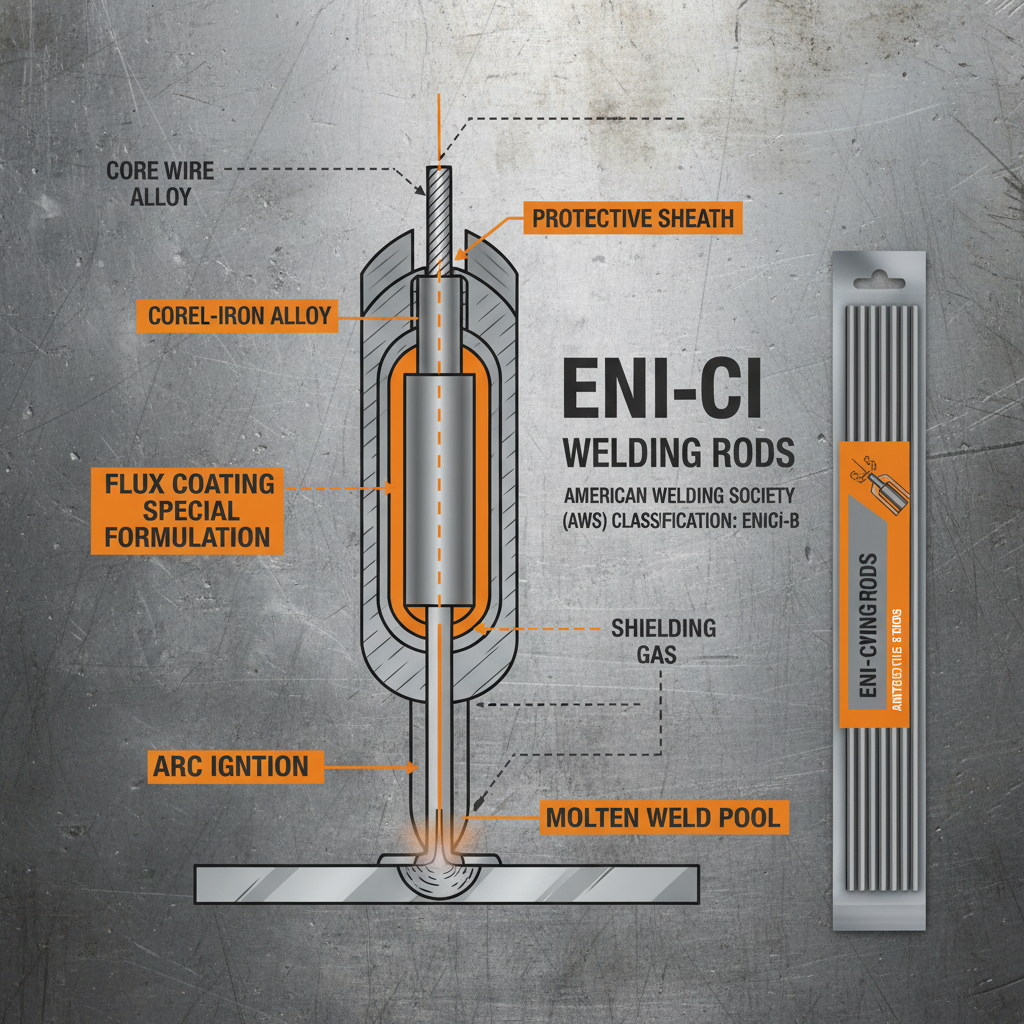
The effectiveness of any welding consumable depends on the synergy between the core wire and the flux coating. For e6013 welding rods 3.2mm, the rutile-based coating ensures a stable arc and easy slag removal. This composition allows for a shallow penetration depth, which is ideal for welding thin sheets of carbon steel without causing burn-through, providing a safety margin for less experienced operators.
Comparing this to advanced alternatives like ER70S-6 carbon steel wire, the performance shift is evident. While the E6013 is a manual process, the ER70S-6 is designed for CO2 or mixed-gas shielding, offering a 500MPa level strength. The latter provides higher cladding efficiency and significantly lower weld metal porosity sensibility, making it the preferred choice for heavy industrial applications where structural failure is not an option.
Ultimately, the choice between these components revolves around the specific needs of the project. Whether using the versatile manual e6013 welding rods 3.2mm or transitioning to the high-productivity ER70S-6 gas-shielded wire, the goal remains the same: achieving a weld that is resistant to oxidation, corrosion, and mechanical stress while maintaining a beautiful appearance.
Practical Factors for High-Efficiency Welding
When utilizing e6013 welding rods 3.2mm, durability and consistency are the primary factors that drive project success. The stability of the arc directly impacts the porosity of the weld; a steady arc prevents the entrapment of gases, ensuring that the joint can withstand operational vibrations and thermal expansion without cracking.
Cost efficiency is another critical driver. While the e6013 welding rods 3.2mm offer low initial costs, the real value lies in the reduction of rework. By achieving a "beautiful appearance" on the first pass, manufacturers can significantly cut down on labor costs associated with finishing and polishing, which is a major overhead in metal tool manufacturing.
Scalability in welding operations often requires a mix of tools. For instance, using e6013 welding rods 3.2mm for tack welding and initial assembly, followed by ER70S-6 gas-shielded welding for the main structural seams, allows a facility to maximize both precision and speed. This hybrid approach optimizes power consumption and reduces overall material waste.
Comparative Analysis of Welding Methods
Understanding the transition from manual arc welding to CO2 gas-shielded welding is essential for any modern fabrication shop. While e6013 welding rods 3.2mm provide unmatched portability and simplicity, they cannot match the deposition rates of continuous wire feeds. The ER70S-6 wire, for example, is designed for high-speed melting and stable arcs across all positions (PA, PB, PC, PD, PE, PF), which drastically reduces the time spent on each joint.
The logical transition is driven by the need for lower hydrogen content and better crack resistance. Manual electrodes like e6013 are excellent for general use, but the gas-shielded method developed in the 1950s has evolved to replace manual welding in 40-50% of industrial consumables in developed countries. This shift is primarily due to the lower welding costs per unit and the ability to weld thin, medium, and thick plates with equal precision.
Efficiency Ratings: e6013 welding rods 3.2mm vs. Alternatives
Global Industrial Applications and Use Cases
Across the globe, the use of e6013 welding rods 3.2mm spans from small-scale automotive repairs to large-scale civil engineering. In the shipbuilding industry, these rods are often used for non-structural partitions and interior fittings where a clean finish is prioritized over maximum load-bearing strength. Similarly, in the construction of bridges and metallurgical equipment, they serve as essential tools for temporary bracing and alignment.
In remote industrial zones or post-disaster relief operations, the simplicity of the E6013 electrode is its greatest asset. Because it does not require heavy shielding gas tanks, it can be deployed in environments where infrastructure is destroyed. This makes it an indispensable tool for NGOs and emergency response teams tasked with rapidly repairing steel structures to restore basic services to affected populations.
Long-Term Value and Sustainability
The long-term value of investing in high-quality e6013 welding rods 3.2mm lies in the reliability of the resulting joint. A weld that is free from pores and slag inclusions prevents premature failure, thereby extending the lifecycle of the equipment. This reliability fosters trust between the manufacturer and the end-user, ensuring that the product can withstand the rigors of petrochemical or boiler operations.
From a sustainability angle, reducing weld spatter—a key feature of the E6013 and ER70S-6 lines—means less wasted metal and lower energy consumption during the cleaning phase. By optimizing the melting speed and arc stability, companies can reduce their carbon footprint per joint, aligning their operations with global green manufacturing standards and ISO environmental guidelines.
Furthermore, the ease of operation associated with these electrodes lowers the barrier to entry for skilled labor. By providing a tool that is "easy to operate," industries can train technicians more quickly without sacrificing the quality of the output, ensuring that the human element of production remains efficient and safe.
Future Trends in Welding Consumables
The future of welding consumables is moving toward "smart" materials and total automation. While e6013 welding rods 3.2mm will remain a staple for manual work, we are seeing the integration of advanced alloys in core wires to further enhance oxidation and corrosion resistance. This evolution ensures that carbon steel welds can perform in increasingly harsh environments, such as offshore wind farms or deep-sea pipelines.
Digital transformation is also playing a role, with the development of robotic welding systems that mimic the precision of a master welder using the characteristics of E6013-style deposition. The integration of Ar + CO2 shielding mixtures is becoming more common, allowing for "extraordinary process performance" that combines the stability of CO2 with the superior finish of Argon.
As we look toward 2030, the emphasis will be on "Green Welding"—the reduction of toxic fumes and the use of biodegradable coatings. The transition from traditional electrodes to high-efficiency wires like ER70S-6 is a step in this direction, as it reduces power consumption and material waste, paving the way for a more sustainable metalworking industry.
Core Performance Analysis of e6013 welding rods 3.2mm and Alternatives
| Consumable Type |
Arc Stability |
Deposition Rate |
Application Suitability |
| e6013 welding rods 3.2mm |
High (Stable) |
Moderate |
General Fabrication |
| ER70S-6 Wire |
Excellent |
Very High |
Industrial Production |
| E7018 Electrode |
Moderate |
Moderate |
High-Stress Structures |
| E6010 Electrode |
Moderate |
Low |
Deep Penetration |
| Stainless Steel Rods |
High |
Moderate |
Corrosion Resistance |
| Cast Iron Rods |
Moderate |
Low |
Specialized Repair |
FAQS
The e6013 welding rods 3.2mm are ideal for beginners because they offer an extremely stable arc and a soft, easy-to-control weld pool. The rutile coating helps in easy ignition and creates a smooth bead with minimal spatter, which reduces the intimidation factor for new welders and lowers the rate of common errors like burn-through on thin materials.
Yes, the "1" in the E6013 classification indicates that these electrodes are designed for all-position welding. Whether you are working on a flat (PA), horizontal (PB), or vertical (PC/PD) joint, the 3.2mm diameter provides the right balance of heat and filler material to maintain a consistent bead across all orientations.
While E6013 is excellent for manual, low-volume work, ER70S-6 is far more efficient for production. ER70S-6 is a continuous wire used in gas-shielded welding, offering much higher cladding efficiency, faster melting speeds, and lower porosity. However, E6013 remains superior for portability and applications where gas tanks are impractical.
The 3.2mm size is the most versatile, but it depends on the material thickness. For very thin sheets, a 2.5mm rod might be safer to prevent burn-through. For heavy structural plates, a 4.0mm rod would be more efficient to fill the joint. However, for 80% of general fabrication, the e6013 welding rods 3.2mm are the optimal choice.
When moving from manual electrodes like E6013 to ER70S-6, you can use pure CO2 or a mixture of 80% Argon and 20% CO2. The Ar+CO2 mix is generally preferred as it produces a more stable arc, even less spatter, and a more beautiful weld shape compared to pure CO2.
To achieve the best appearance, ensure your workpiece is clean of rust and oil. Use a steady travel speed and maintain a consistent arc length. Because E6013 is designed for a "beautiful appearance," following these basic steps will result in a smooth bead that requires very little post-weld cleanup.
Conclusion
In summary, the e6013 welding rods 3.2mm remain an indispensable tool in the metal fabrication industry due to their versatility, ease of use, and aesthetic results. While the industry is shifting toward high-efficiency solutions like the ER70S-6 carbon steel wire for large-scale production, the manual electrode continues to hold significant value for maintenance, light assembly, and remote operations. The balance between the stable arc of rutile electrodes and the productivity of gas-shielded welding defines the current state of modern metal joining.
Looking forward, the integration of higher-grade alloys and more sustainable production methods will further enhance the performance of these consumables. For professionals seeking to optimize their output, the key is to match the tool to the task—utilizing the portability of E6013 for precision and the power of gas-shielded wires for volume. We encourage all manufacturers to prioritize quality and standardization to ensure the longevity and safety of their structures. Visit our website: www.steeltoolschina.com