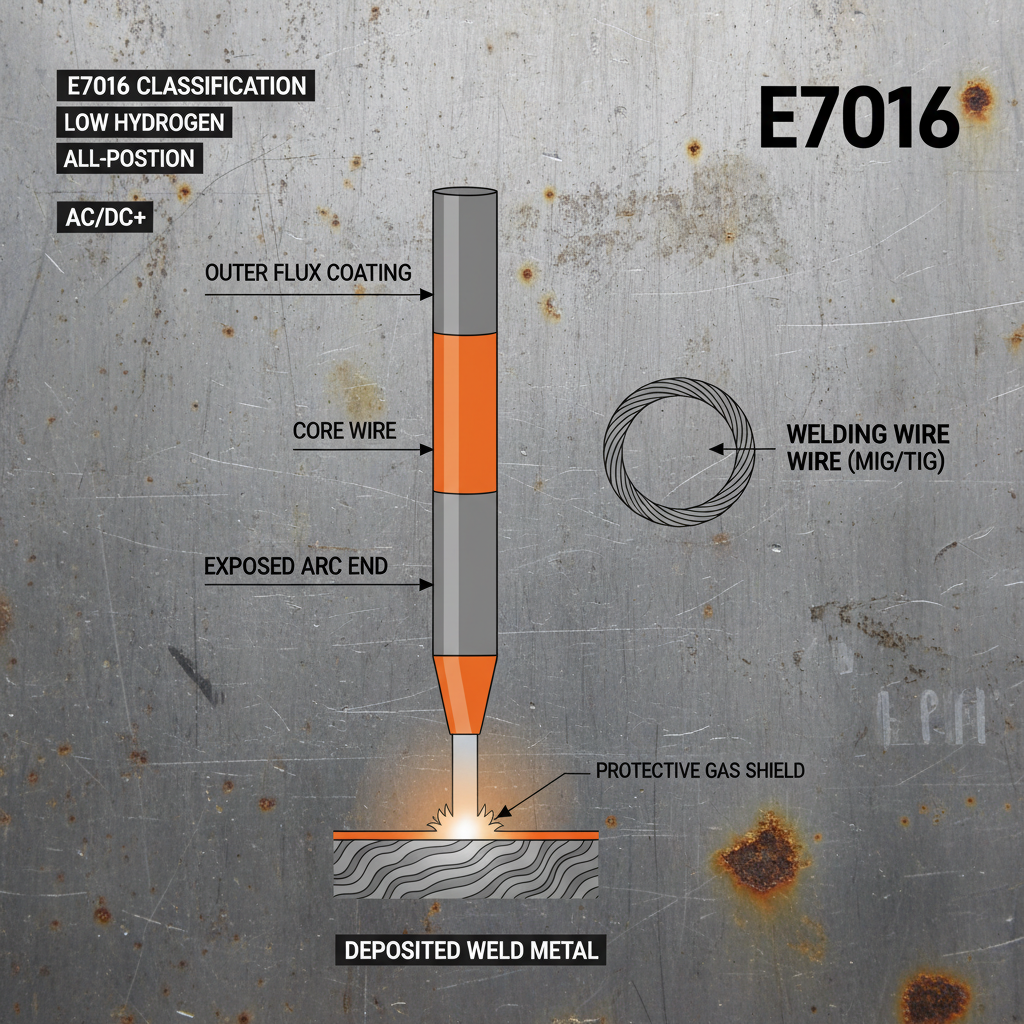
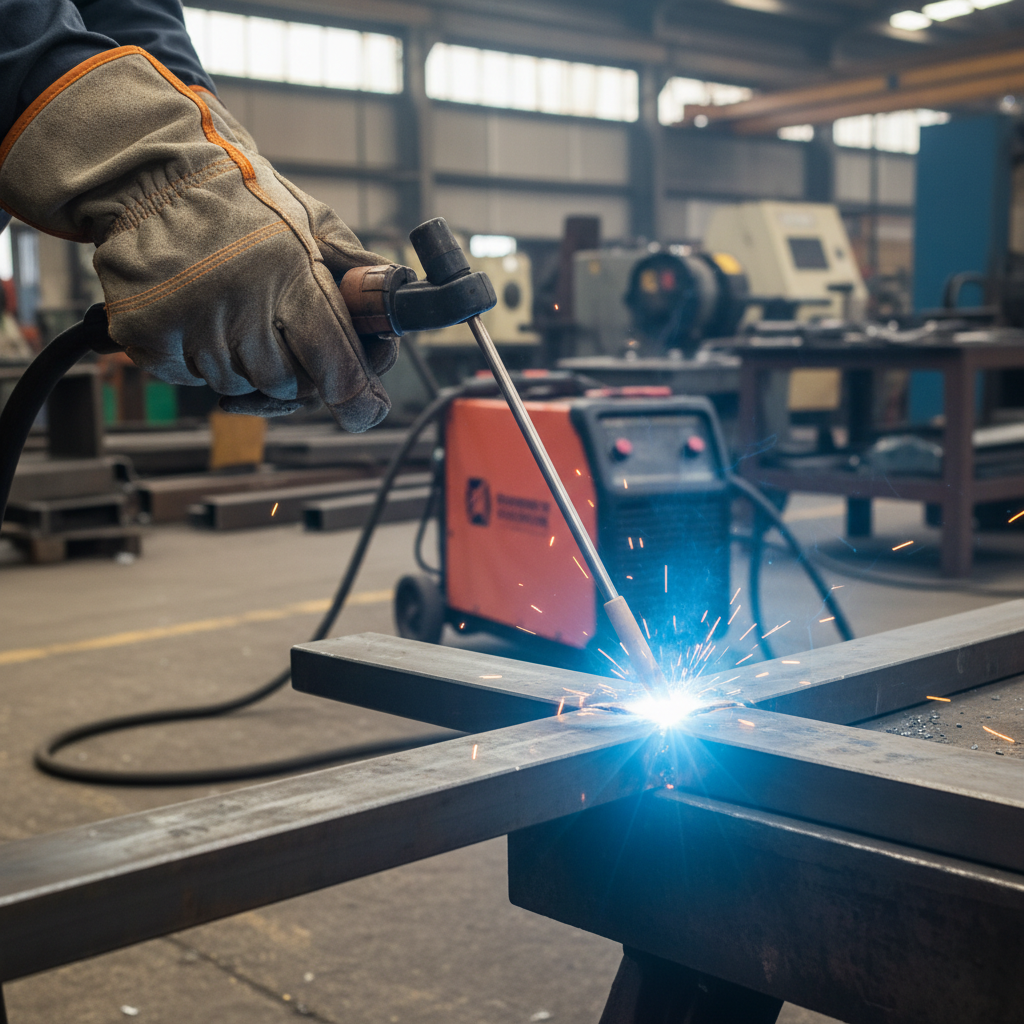
Welding electrode e7016 stands as a cornerstone in various industrial applications, particularly in the realm of low-hydrogen welding. Its ability to produce high-quality, ductile welds makes it crucial for projects demanding exceptional structural integrity. The significance of understanding its properties and proper usage is paramount in industries ranging from shipbuilding and construction to pipeline maintenance and aerospace, impacting global infrastructure and safety standards.
The global demand for reliable welding solutions is constantly increasing, driven by infrastructure development in emerging economies and the need for robust repairs in existing systems. Estimates suggest a consistent growth in the welding consumables market, with low-hydrogen electrodes like e7016 maintaining a significant share due to their versatility and performance. This growth highlights the need for skilled welders proficient in using this electrode and a consistent supply chain.
Understanding welding electrode e7016 is not merely a technical skill; it’s a key enabler of progress. From constructing vital pipelines that deliver energy to building bridges that connect communities and repairing critical infrastructure after natural disasters, its application directly influences the quality of life and economic stability worldwide. It represents a commitment to durable, dependable construction, ensuring longevity and safety.
The Significance of welding electrode e7016
The widespread use of welding electrode e7016 is a direct result of its ability to produce exceptionally strong and reliable welds, minimizing the risk of cracking and failure, especially in critical applications. It's a staple in industries where weld quality directly translates to safety and longevity, such as pressure vessel fabrication and offshore construction.
The consistent demand for this electrode highlights its pivotal role in modern engineering. Its low-hydrogen characteristics prevent porosity and improve mechanical properties, making it a preferred choice when dealing with high-strength steels and applications requiring fatigue resistance. Choosing welding electrode e7016 ensures quality and dependability.
Defining welding electrode e7016
Welding electrode e7016 is a low-hydrogen, iron powder electrode designed for shielded metal arc welding (SMAW), commonly known as stick welding. The 'e7016' designation breaks down as follows: 'E' indicates an electrode for arc welding, '70' represents the tensile strength in thousands of pounds per square inch, '1' signifies it's suitable for all positions, and '6' denotes its low-hydrogen coating.
Its importance stems from its ability to deposit welds with excellent mechanical properties, particularly high tensile strength and ductility, making it suitable for a broad range of steel types. Unlike some electrodes, e7016 requires careful storage and handling to maintain its low-hydrogen characteristics, often necessitating the use of a holding oven.
The use of welding electrode e7016 is critical for maintaining structural integrity in a diverse array of projects. From complex pipeline networks to demanding aerospace components, its ability to create robust, long-lasting welds makes it a vital component in ensuring the reliability and safety of modern infrastructure.
Core Characteristics of welding electrode e7016
One of the defining characteristics of welding electrode e7016 is its low hydrogen content. This is achieved through a specialized coating process that minimizes moisture absorption. This characteristic is crucial because hydrogen in the weld pool can lead to cracking, particularly in high-strength steels. Maintaining this low hydrogen level requires keeping the electrode dry during storage and operation.
The electrode’s iron powder composition enhances its deposition rate, meaning more weld metal is deposited per unit of time. This increases efficiency and reduces welding costs. The iron powder also contributes to the weld's mechanical properties, increasing its strength and toughness. Proper technique is still required to maximize these benefits.
Welding electrode e7016 boasts excellent all-position welding capabilities. This means it can be used effectively in flat, horizontal, vertical, and overhead positions, providing versatility for a wide range of welding applications. This versatility makes it a favorite among welders tackling diverse and complex projects.
Key Factors Influencing welding electrode e7016 Performance
Several factors significantly impact the performance of welding electrode e7016. Maintaining a low moisture content is paramount; electrodes exposed to humidity must be re-baked to remove absorbed moisture. Proper current selection, based on the electrode diameter and joint configuration, is crucial for achieving optimal penetration and weld quality.
Travel speed and technique also play vital roles. Maintaining a consistent travel speed and using the correct weaving pattern ensure uniform weld deposition and prevent defects. The cleanliness of the base metal is equally important; any rust, scale, or contaminants must be removed before welding to avoid porosity and cracking.
welding electrode e7016 Performance Factors
Global Applications and Use Cases
Welding electrode e7016 finds extensive application in shipbuilding, where its ability to create strong, ductile welds is critical for withstanding the stresses of marine environments. It is also vital in the construction of pipelines, ensuring the safe and reliable transport of oil and gas. In post-disaster relief operations, its portability and ease of use make it invaluable for emergency repairs.
The aerospace industry relies on welding electrode e7016 for fabricating and repairing aircraft components, where the highest standards of weld quality and reliability are paramount. Furthermore, in remote industrial zones, where access to more sophisticated welding technologies may be limited, welding electrode e7016 provides a practical and effective solution.
Advantages & Long-Term Value
The long-term value of using welding electrode e7016 lies in its cost-effectiveness and reliability. While requiring careful handling, the minimal downtime due to weld failures and the reduced need for rework translate to significant cost savings over the lifespan of a project. Its consistent performance contributes to enhanced safety and reduces the risk of catastrophic failures.
From a sustainability perspective, the durability of welds created with e7016 extends the lifespan of structures, reducing the need for frequent replacements and minimizing material waste. The trust and confidence that engineers and welders place in this electrode are a testament to its proven track record and consistent quality.
Future Trends & Innovations in welding electrode e7016
Ongoing research focuses on improving the coating formulations of welding electrode e7016 to further reduce moisture absorption and enhance its usability in challenging environments. Automated welding systems are being developed to optimize the welding process with e7016, increasing efficiency and weld consistency.
The integration of digital monitoring technologies, such as real-time weld parameter tracking and defect detection, will enhance quality control and reduce the risk of failures. Furthermore, the development of more environmentally friendly coating materials aligns with the growing emphasis on sustainable welding practices.
Innovations in electrode manufacturing techniques are aimed at achieving tighter tolerances and more consistent coating application, further enhancing the performance and reliability of welding electrode e7016.
Summary of Key Challenges and Solutions Related to welding electrode e7016
| Challenge |
Impact on welding electrode e7016 |
Proposed Solution |
Implementation Complexity (1-5) |
| Moisture Absorption |
Increased hydrogen content, leading to weld cracking |
Electrode holding ovens, re-baking procedures, improved packaging |
3 |
| Current Selection |
Insufficient penetration or excessive spatter |
Training on proper current settings, use of welding parameter charts |
2 |
| Travel Speed |
Uneven weld bead, porosity |
Technique training, consistent movement patterns |
2 |
| Base Metal Contamination |
Porosity, slag inclusions |
Thorough cleaning procedures (grinding, wire brushing) |
1 |
| Electrode Storage |
Degradation of coating, reduced usability |
Proper sealed packaging, climate-controlled storage |
3 |
| Welder Skill Level |
Inconsistent weld quality, defects |
Comprehensive training programs, certification requirements |
4 |
FAQS
To maintain the low-hydrogen characteristics of welding electrode e7016, it should be stored in a dry, sealed container. Ideally, storage should occur in a climate-controlled environment to prevent moisture absorption. If the electrodes have been exposed to humidity, they must be re-baked according to the manufacturer’s instructions before use. Proper storage is crucial for avoiding weld defects and ensuring optimal performance. Failure to do so will lead to increased porosity and reduced weld strength.
The ‘e7016’ designation provides key information about the welding electrode. ‘E’ signifies it’s an electrode for shielded metal arc welding. ‘70’ represents the tensile strength of the weld in thousands of pounds per square inch (psi). ‘1’ indicates it’s suitable for all welding positions (flat, horizontal, vertical, and overhead). Finally, ‘6’ denotes it's a low-hydrogen electrode, making it ideal for applications requiring high-quality, ductile welds.
Common weld defects when using welding electrode e7016 include porosity, cracking, and slag inclusions. Porosity is often caused by moisture contamination, insufficient shielding gas coverage, or dirty base metal. Cracking can result from high hydrogen content in the weld metal or inadequate preheating. Slag inclusions occur when slag becomes trapped within the weld. Proper electrode storage, cleaning, and welding technique are vital to minimize these defects.
No, welding electrode e7016 is not suitable for welding dirty or rusty steel without proper preparation. Rust, scale, and other contaminants can introduce porosity and weaken the weld. The base metal must be thoroughly cleaned using methods like grinding, wire brushing, or sandblasting before welding to ensure a sound, high-quality weld. This preparation is crucial for achieving optimal weld strength and preventing defects.
Welding electrode e7016 is an all-position electrode, meaning it can be effectively used in flat, horizontal, vertical, and overhead welding positions. Its versatile nature makes it suitable for a wide range of applications and projects where varied welding orientations are required. This flexibility is one of its key advantages and contributes to its widespread use in diverse industries.
The typical amperage range for a 1/8" (3.2mm) welding electrode e7016 is generally between 70 and 110 amps. However, the optimal amperage will vary depending on factors like the joint configuration, welding position, and desired penetration. Always consult the electrode manufacturer’s recommendations and conduct test welds to determine the appropriate amperage for your specific application.
Conclusion
Welding electrode e7016 remains a vital component in a vast array of industries, consistently delivering reliable, high-quality welds when used correctly. Its low-hydrogen characteristics, all-position capabilities, and robust performance make it an indispensable tool for construction, shipbuilding, pipeline maintenance, and many other critical applications. The future of this electrode lies in continued innovation in coating formulations, automated welding systems, and digital monitoring technologies.
Investing in proper training, quality control, and adherence to best practices will unlock the full potential of welding electrode e7016, ensuring its continued relevance and contributing to the safety, durability, and sustainability of infrastructure projects worldwide. For a reliable supply of premium welding consumables, visit our website: www.steeltoolschina.com.