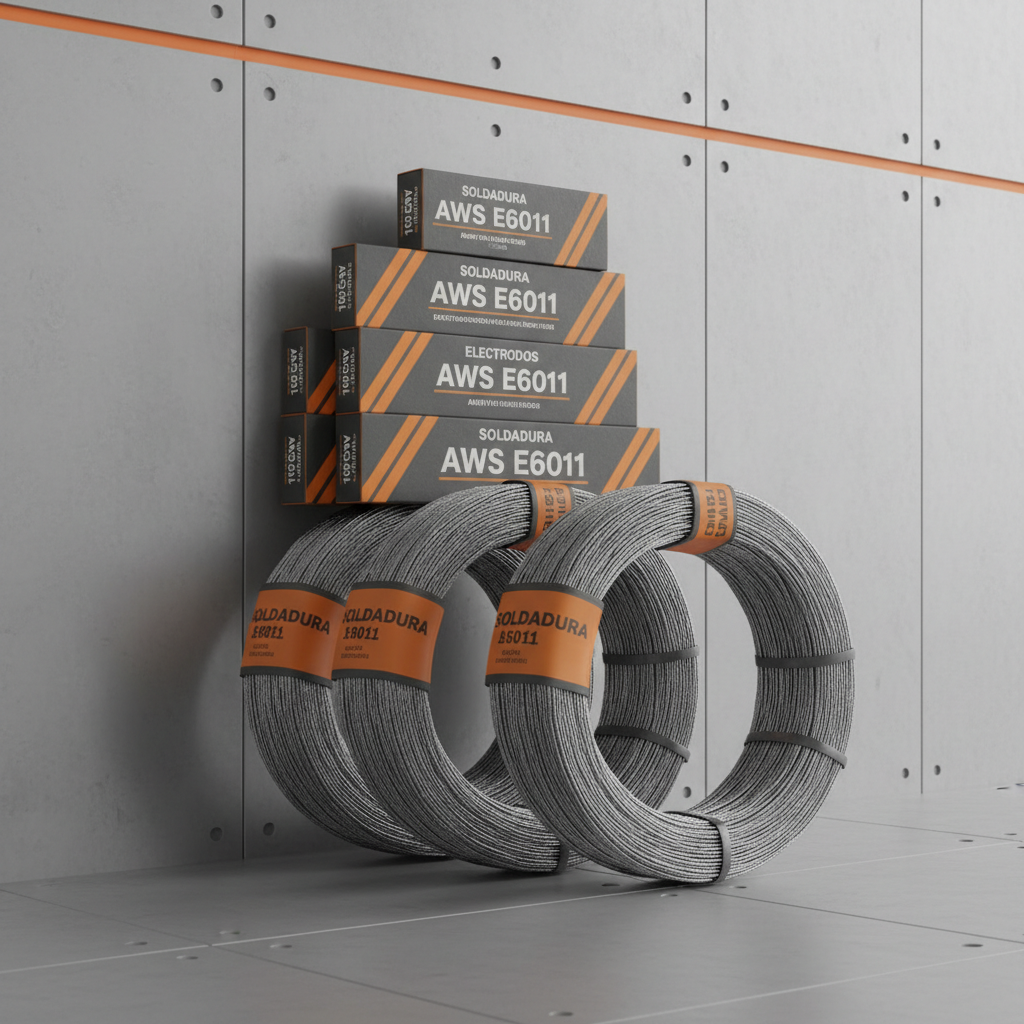
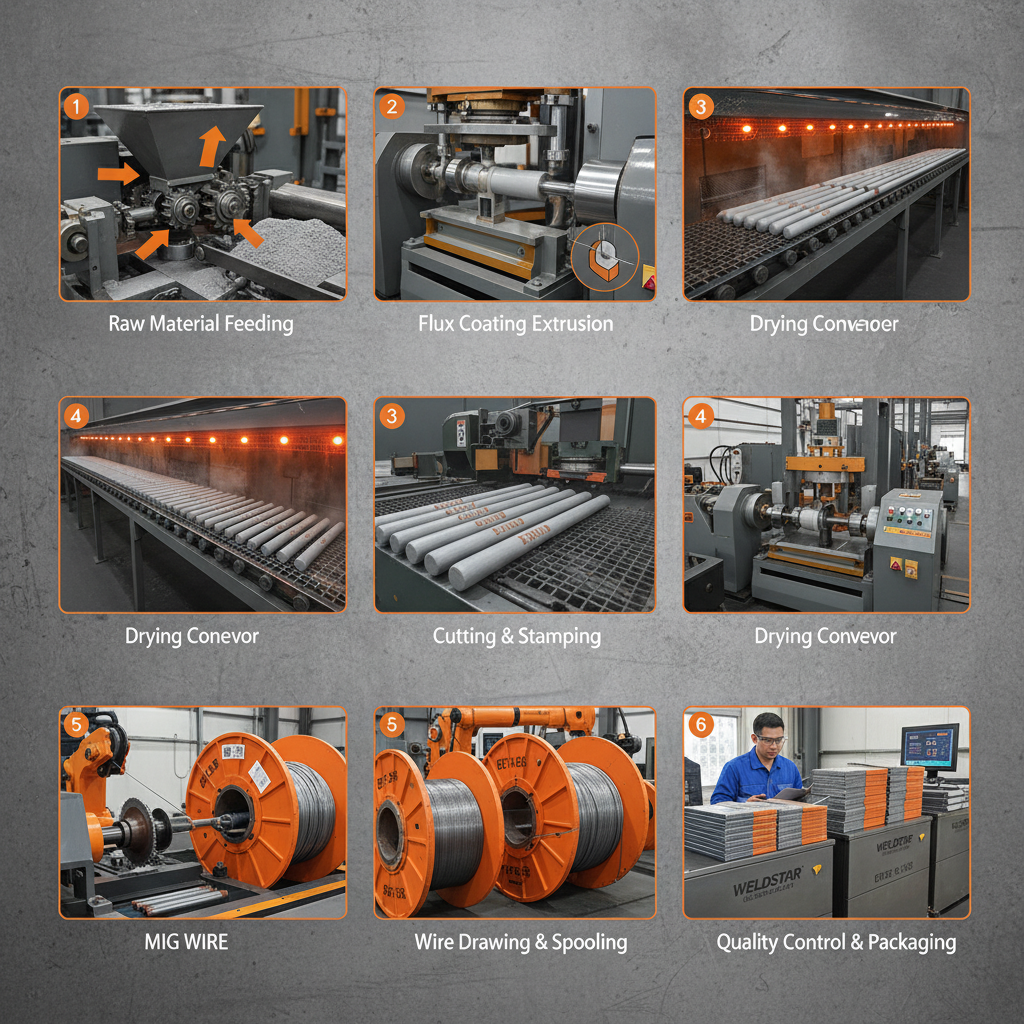
In the demanding world of industrial fabrication, the choice of filler metal can make or break the structural integrity of a project. The sg2 co2 welding wire has emerged as a cornerstone for manufacturers seeking a balance between high-speed deposition and exceptional mechanical properties, particularly when dealing with mild steel and low-alloy applications.
Understanding the nuances of this specific welding consumable is not merely a matter of technical compliance but a strategic advantage. By optimizing the arc stability and reducing spatter, the use of SG2-grade wire significantly lowers post-weld cleaning time and enhances the overall aesthetic and strength of the joint, which is critical in high-pressure environments.
Across the globe, from shipbuilding yards in East Asia to automotive assembly lines in Europe, the adoption of sg2 co2 welding wire ensures that infrastructure meets ISO and AWS standards. This guide explores its technical depth, practical applications, and the long-term value it brings to the modern metalworking industry.
Global Industry Context of SG2 CO2 Welding Wire
The global demand for high-efficiency welding consumables has surged as the construction and automotive sectors push for faster production cycles. sg2 co2 welding wire plays a pivotal role in this evolution, aligning with international quality benchmarks like the ISO 14341 standards to ensure that weldments can withstand extreme stress and environmental degradation.
Industry data indicates that the shift toward Gas Metal Arc Welding (GMAW) using CO2 or mixed gases has reduced waste by nearly 15% compared to traditional stick welding. However, the challenge remains in maintaining a stable arc across varying thickness of base metals, a problem that the precise chemical composition of SG2 wire is specifically engineered to solve.
Defining the Technical Essence of SG2 CO2 Welding Wire
At its core, sg2 co2 welding wire is a solid welding wire primarily composed of carbon steel with controlled additions of manganese and silicon. These alloying elements are not random; they are calibrated to provide deoxidation during the welding process, ensuring that the resulting weld bead is free from porosity and internal voids.
In simple terms, it acts as the "glue" that fuses two metal components under the protection of a CO2 shielding gas. This process prevents atmospheric nitrogen and oxygen from contaminating the molten pool, which is essential for maintaining the ductility and tensile strength required in heavy-duty industrial machinery and skeletal structures.
Beyond the chemistry, the physical consistency of the wire—its diameter and surface coating—determines the feeding smoothness in the welding torch. High-quality SG2 wire minimizes "bird-nesting" in the feeder, making it a preferred choice for robotic welding cells where precision and uninterrupted flow are non-negotiable.
Core Components and Performance Factors
The efficiency of sg2 co2 welding wire depends heavily on its chemical purity. Manganese increases the strength of the weld, while Silicon acts as a powerful deoxidizer, allowing the wire to perform reliably even on base metals that may have slight surface oxidation.
Durability and scalability are achieved through the wire's ability to maintain a stable arc across different current ranges. When using sg2 co2 welding wire, operators notice a significant reduction in spatter, which directly translates to lower labor costs for grinding and finishing.
Cost-efficiency is another core factor; because of its high deposition rate, more metal is fused in less time. This makes the SG2 variant an ideal choice for high-volume production where maximizing the "arc-on" time is the primary metric for profitability.
Global Applications and Industrial Use Cases
In real-world contexts, sg2 co2 welding wire is the workhorse of the heavy machinery industry. From the construction of massive excavators in Japan to the fabrication of transmission towers in India, its ability to provide deep penetration and strong fusion makes it indispensable for load-bearing joints.
In remote industrial zones or post-disaster relief operations, where rapid assembly of temporary steel shelters or bridges is required, the ease of use and reliability of SG2 wire allow teams to deploy infrastructure quickly without compromising on safety or structural integrity.
Performance Comparison of SG2 CO2 Welding Wire Variants
Tangible Advantages and Long-Term Reliability
The most immediate advantage of utilizing sg2 co2 welding wire is the dramatic increase in productivity. Because it supports higher current densities, the deposition rate is significantly superior to shielded metal arc welding (SMAW), allowing manufacturers to complete projects in a fraction of the time.
From a long-term value perspective, the reliability of SG2 wire ensures that welds are less prone to cold-cracking or hydrogen-induced failure. This creates a sense of trust and safety for the end-user, knowing that the infrastructure—whether it be a pressure vessel or a vehicle chassis—is built to last for decades without catastrophic failure.
Future Trends in CO2 Welding Innovation
As the industry moves toward "Green Manufacturing," the development of sg2 co2 welding wire is shifting toward reducing the carbon footprint of the production process. We are seeing the integration of recycled high-purity scrap and the optimization of energy-efficient smelting techniques to lower the embodied energy of the wire.
Digital transformation is also playing a role. Smart welding systems now use real-time feedback loops to adjust the feed speed and voltage of the SG2 wire automatically. This "Industry 4.0" approach eliminates human error and ensures that every single weld is identical in quality, regardless of the operator's experience level.
Furthermore, the exploration of mixed-gas shielding (combining CO2 with Argon) is enhancing the properties of SG2 wires, leading to even lower spatter and smoother bead appearances, which is essential for high-end architectural steelwork where aesthetics are as important as strength.
Overcoming Challenges in SG2 Implementation
Despite its benefits, the use of sg2 co2 welding wire can be hampered by improper gas flow or contaminated base metals. One common challenge is the occurrence of porosity if the CO2 shielding is interrupted by wind or poor nozzle alignment, which can compromise the weld's internal structure.
Expert insights suggest that implementing a strict pre-welding cleaning protocol—removing rust, oil, and moisture—is the most effective solution. When combined with the deoxidizing properties of SG2 wire, this ensures a pristine weld pool and maximizes the mechanical properties of the joint.
Another limitation is the heat-affected zone (HAZ) in very thin materials. To overcome this, engineers are adopting pulsed-GMAW techniques with SG2 wire, which allows for precise heat control, reducing distortion and preventing burn-through in delicate components.
Analysis of SG2 CO2 Welding Wire Implementation Across Different Material Thicknesses
| Material Thickness |
Recommended Current (A) |
Deposition Efficiency |
Weld Quality Score |
| Thin Sheet (1-3mm) |
120-160A |
Moderate |
8/10 |
| Medium Plate (4-8mm) |
180-240A |
High |
9/10 |
| Heavy Plate (9-20mm) |
260-350A |
Very High |
10/10 |
| Structural Beam (>20mm) |
350A+ |
Maximum |
9/10 |
| Piping/Tubular |
140-200A |
High |
8/10 |
| Custom Alloys |
Variable |
Moderate |
7/10 |
FAQS
The primary difference lies in the optimized manganese and silicon content of sg2 co2 welding wire, which provides superior deoxidation and arc stability compared to generic carbon steel wires. This results in a cleaner weld with significantly less spatter and higher tensile strength, making it better suited for structural applications.
Yes, absolutely. While designed for pure CO2, using sg2 co2 welding wire with a mixture (e.g., 80% Argon / 20% CO2) often improves the bead appearance and further reduces spatter. This combination is highly recommended for precision work and thinner materials where heat control is critical.
Porosity is typically caused by gas shielding failure or surface contaminants. To prevent this with sg2 co2 welding wire, ensure your gas flow rate is correctly set for the environment, check for leaks in the hose, and thoroughly clean the base metal of all oil, rust, and paint before starting.
Yes, high-grade sg2 co2 welding wire is ideal for robotics due to its consistent diameter and smooth surface finish. These factors prevent wire slipping or jamming in the feeder, ensuring the high uptime and precision required for automated automotive or appliance assembly lines.
To maintain the quality of sg2 co2 welding wire, it should be stored in a dry, ventilated area. Avoid direct contact with concrete floors (use pallets) and keep it away from humidity to prevent surface oxidation (rust), which can cause arc instability and increased spatter during welding.
Because sg2 co2 welding wire is engineered for low spatter, the amount of "BBs" or droplets adhering to the metal surface is greatly reduced. This significantly cuts down the time spent on grinding and slag removal, lowering labor costs and speeding up the overall production timeline.
Conclusion
In summary, sg2 co2 welding wire represents the ideal intersection of efficiency, strength, and cost-effectiveness for modern industrial welding. By leveraging a precise chemical balance of manganese and silicon, it solves the perennial industry challenges of arc instability and weld porosity, ensuring that structural joints meet the most rigorous international safety standards.
Looking forward, the integration of SG2 wire with automated systems and green manufacturing practices will only enhance its value. For manufacturers aiming to scale their production without sacrificing quality, investing in premium SG2 consumables is not just a technical choice, but a commitment to long-term operational excellence. Visit our website for more professional solutions: www.steeltoolschina.com