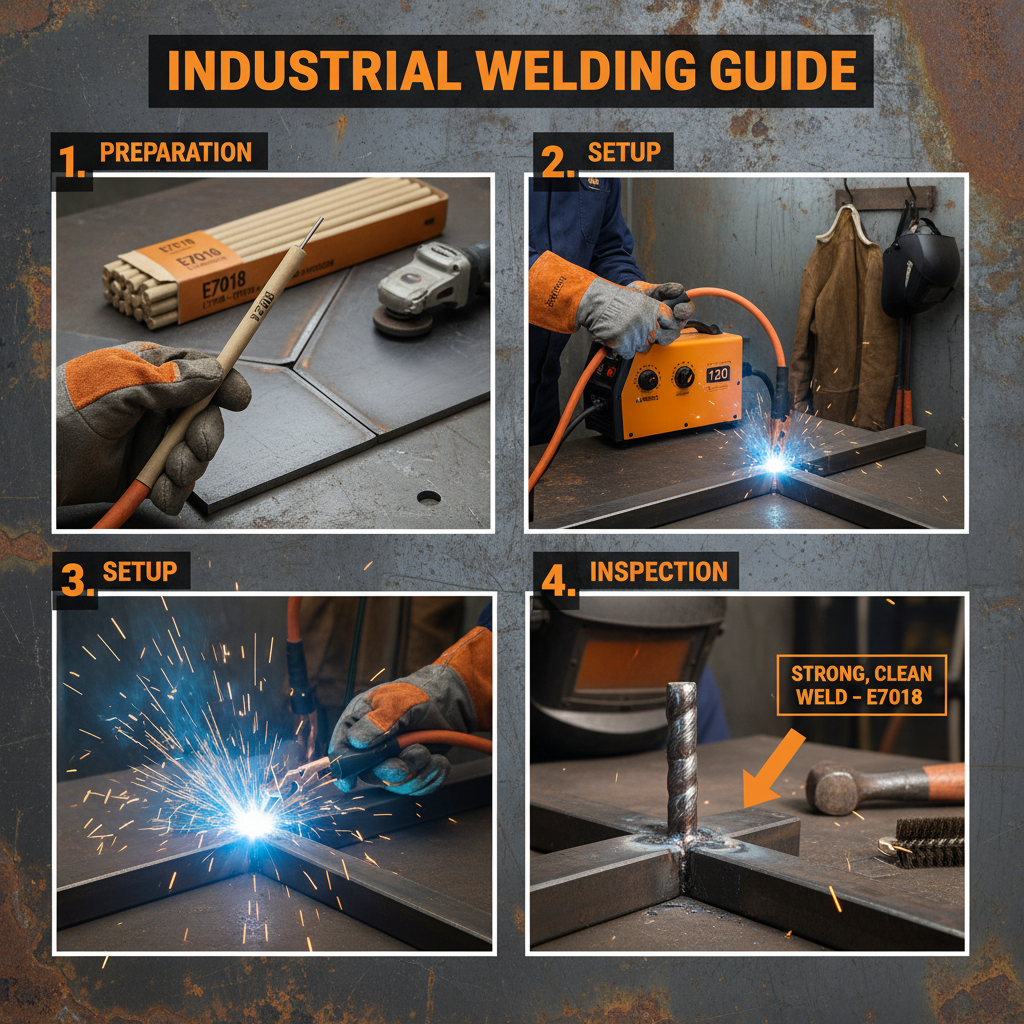
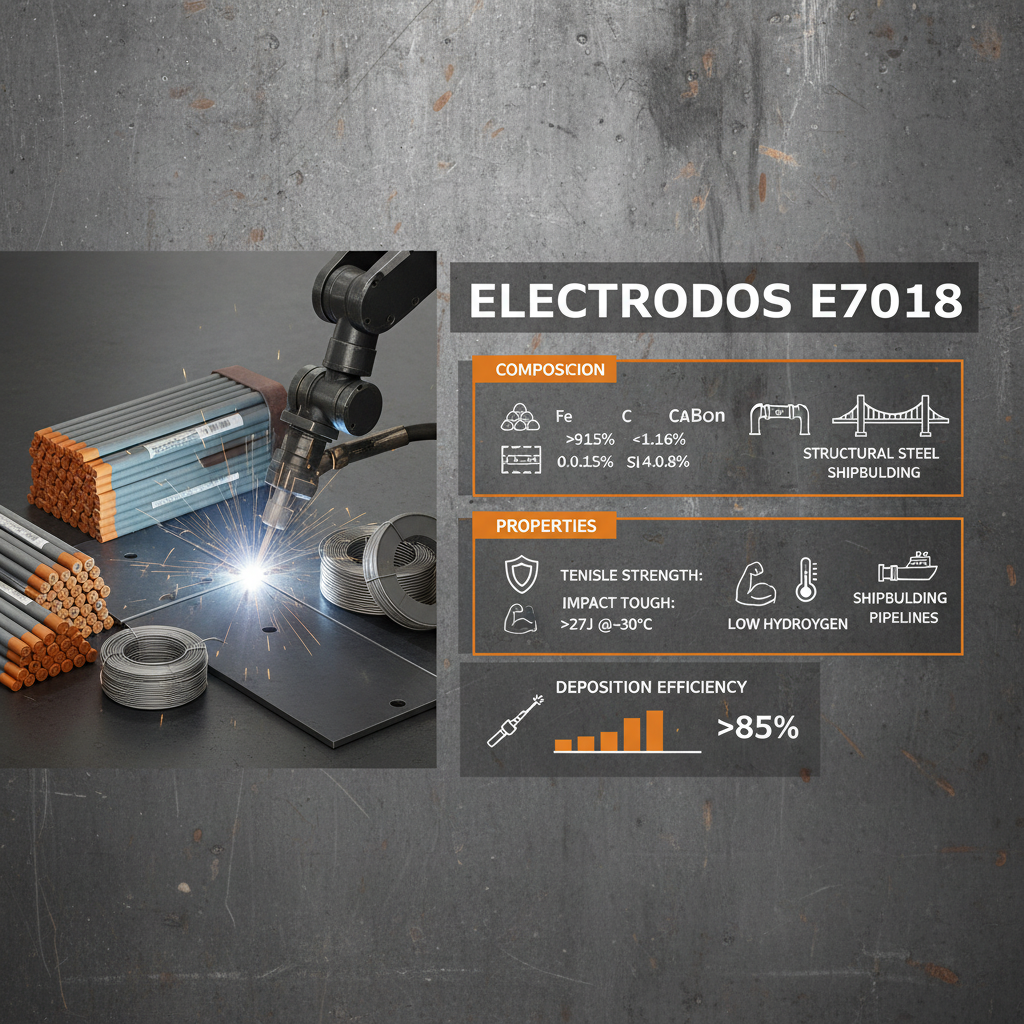
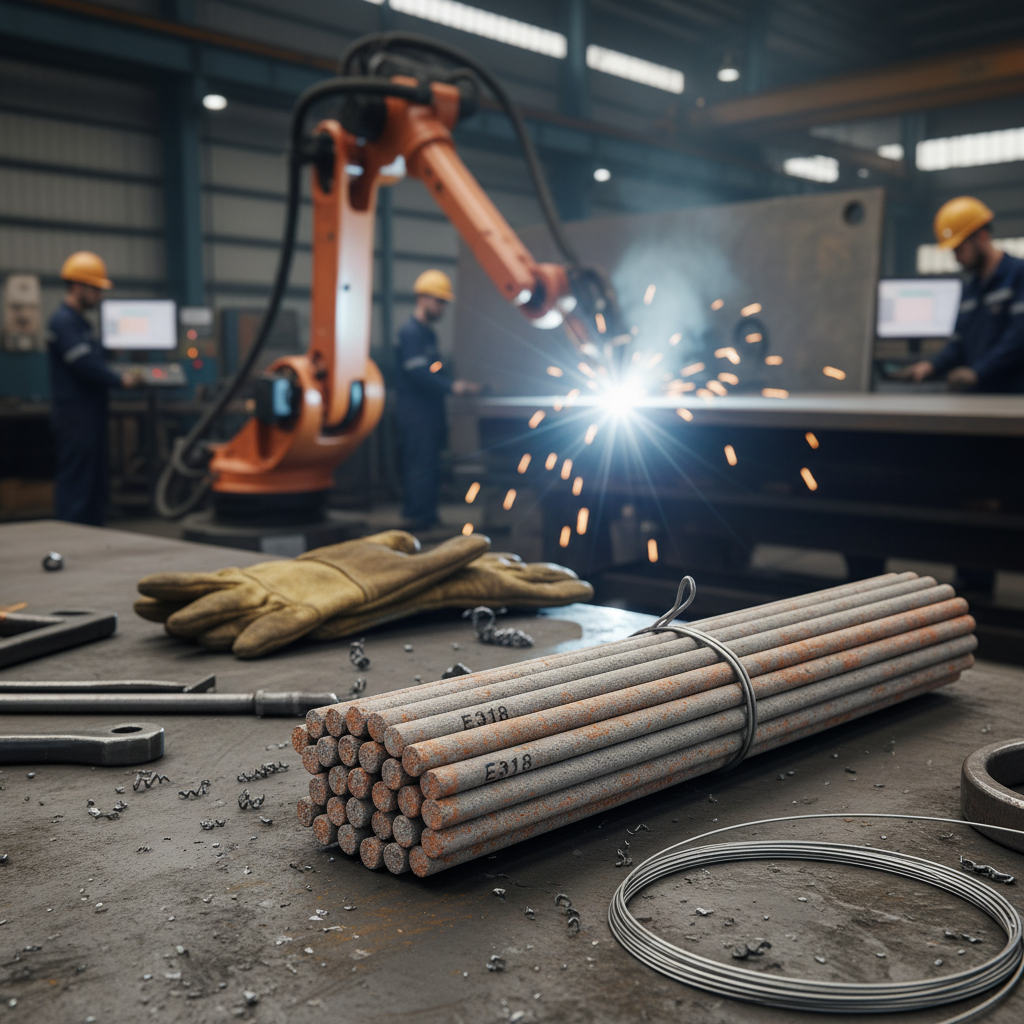
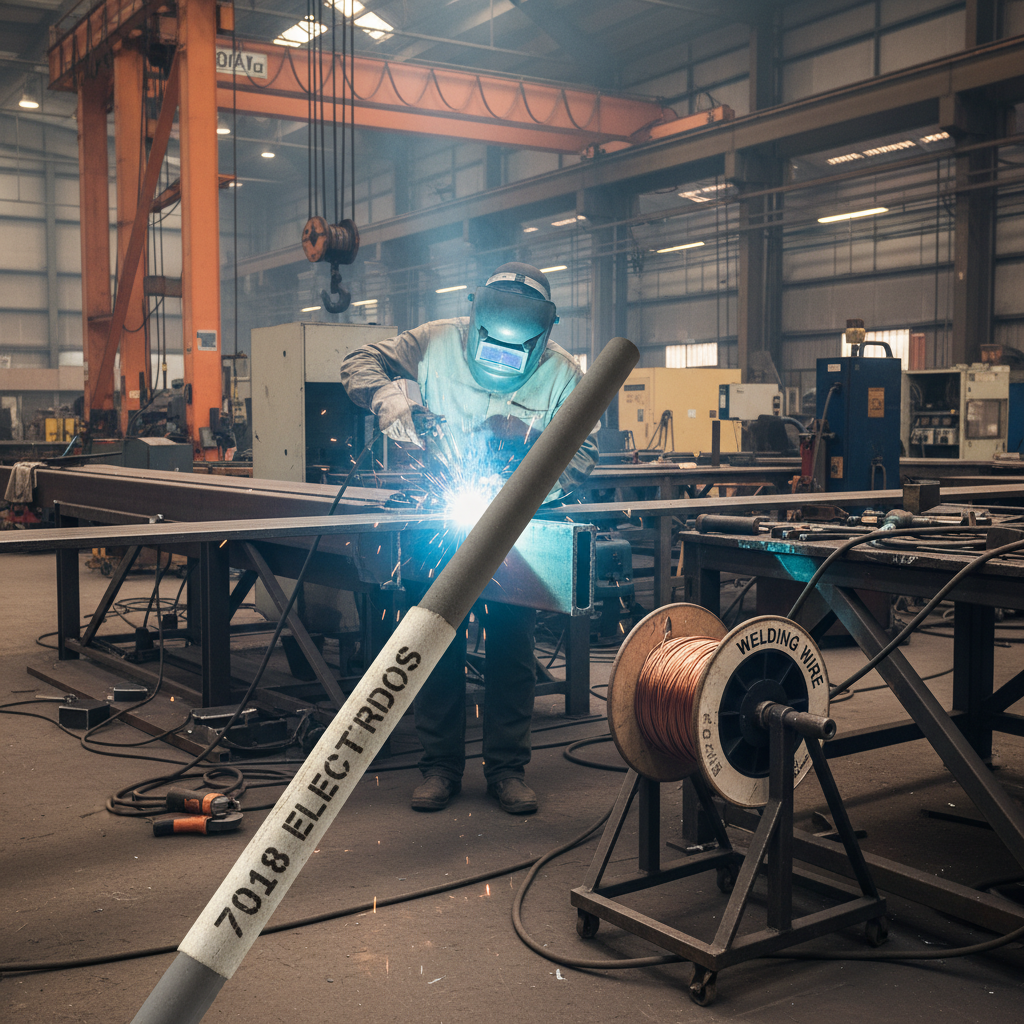
In the demanding world of industrial fabrication, the integrity of a weld can be the difference between structural success and catastrophic failure. High-performance electrodos e7018 have emerged as the gold standard for low-hydrogen welding, providing the necessary tensile strength and ductility for critical load-bearing joints. Whether in the construction of skyscrapers or the maintenance of pressure vessels, these electrodes ensure that the metal bonds are resistant to cracking and capable of withstanding immense stress.
The global shift toward more stringent safety regulations, governed by bodies such as the American Welding Society (AWS) and ISO, has increased the reliance on electrodos e7018. These tools are not merely consumables but are engineered components designed to minimize hydrogen-induced cracking (HIC), a common failure point in high-strength steel applications. By controlling the chemical composition of the flux coating, manufacturers provide welders with a reliable means to achieve X-ray quality welds across various positions.
Understanding the nuances of using electrodos e7018 is essential for any procurement officer or lead engineer in the metal tools industry. From the necessity of oven-drying to the specific current settings required for optimal penetration, the technical mastery of this electrode translates directly into reduced rework costs and enhanced project longevity. This comprehensive guide explores why these electrodes remain indispensable in modern industrial infrastructure.
Global Industrial Relevance of electrodos e7018
On a global scale, the demand for electrodos e7018 is driven by the rapid expansion of urban infrastructure in emerging economies and the maintenance of aging bridges in developed nations. According to industrial standards, the ability to create high-tensile strength joints is non-negotiable for safety. In regions where seismic activity is high, the ductility provided by E7018 electrodes allows structures to absorb energy without sudden brittle fractures.
The challenge that these electrodes address is the inherent vulnerability of high-carbon steels to hydrogen embrittlement. Without the specific low-hydrogen properties of electrodos e7018, welds in heavy machinery and shipbuilding would be prone to delayed cracking, leading to immense financial losses and potential loss of life. This makes them a critical component in the global supply chain of the metal tools manufacturing industry.
Technical Definition and Low-Hydrogen Meaning
In simple terms, electrodos e7018 are shielded metal arc welding (SMAW) consumables characterized by an iron powder, low-hydrogen potassium coating. The "E" stands for electrode, "70" denotes a minimum tensile strength of 70,000 psi, "1" indicates it can be used in all positions, and "8" refers to the low-hydrogen coating and the current requirements (AC or DC+).
The "low-hydrogen" aspect is the most critical technical feature. Hydrogen is an enemy of high-strength steel; if trapped in the weld pool, it creates internal pressure that leads to microscopic cracks. By using specialized coatings that exclude moisture, electrodos e7018 ensure that the resulting weld is clean, dense, and exceptionally strong.
This connection to modern industry is profound. In the context of humanitarian needs, such as the rapid construction of emergency bridges or stable housing in disaster-prone areas, the reliability of these electrodes ensures that temporary structures are safe for human occupation. They bridge the gap between rapid deployment and long-term structural safety.
Core Components for Maximum Weld Integrity
Durability is the primary hallmark of electrodos e7018. The iron powder in the flux not only increases the deposition rate—allowing welders to fill joints faster—but also provides a stable arc that reduces spatter. This leads to a smoother bead finish and significantly less grinding time after the weld is completed.
Scalability in industrial application is achieved through the versatility of electrodos e7018. Because they are rated for all-position welding, they can be used on vertical walls, overhead ceilings, and flat plates without sacrificing the mechanical properties of the weld. This allows a single product line to cover diverse project requirements.
Cost efficiency is realized not through the initial purchase price, but through the reduction of failure rates. Using electrodos e7018 minimizes the risk of "underbead cracking," meaning fewer X-ray failures and fewer expensive repairs. For large-scale projects, the avoidance of a single structural failure can save millions of dollars in insurance and labor costs.
Performance Metrics and Comparative Efficiency
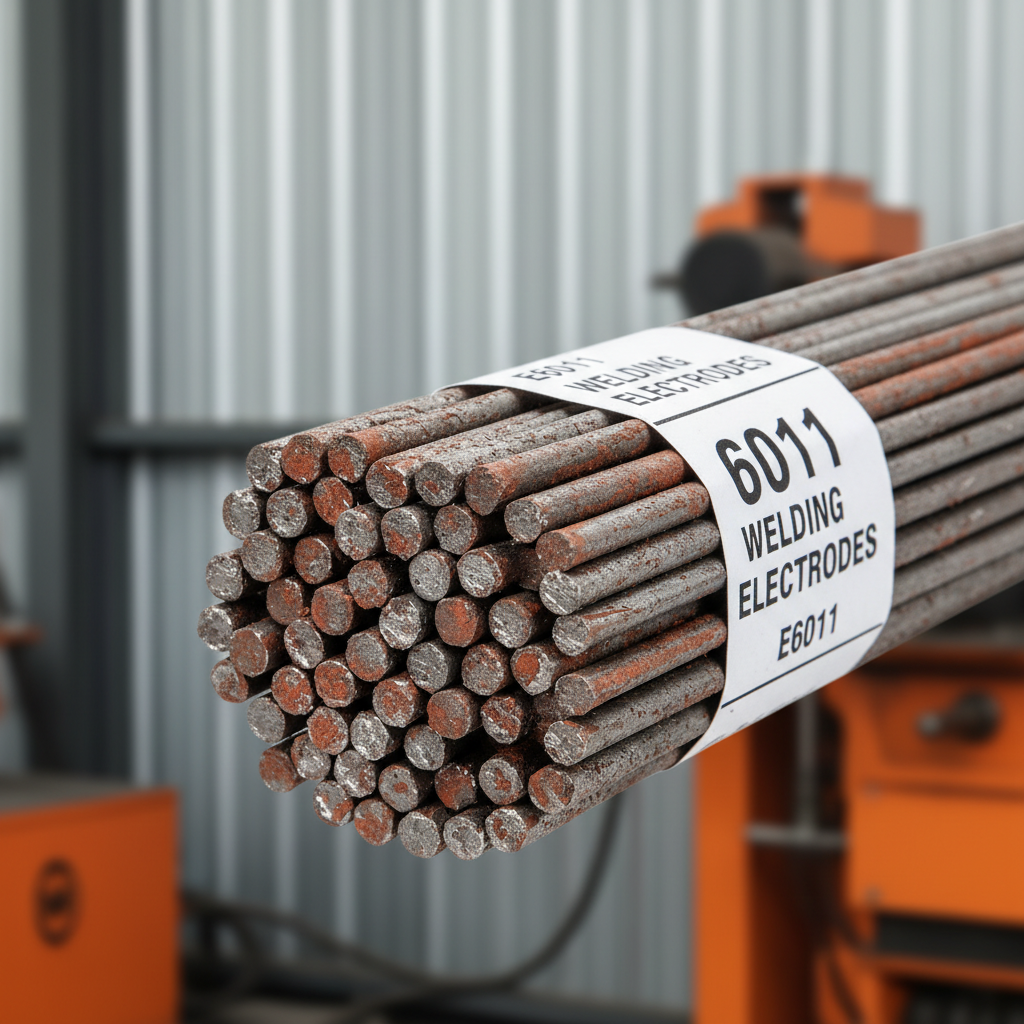
When analyzing the operational efficiency of electrodos e7018, we must look at the balance between deposition rate and weld quality. Compared to E6010 or E6011, the E7018 offers far superior mechanical properties and a cleaner finish, although it requires more strict storage conditions (such as heated ovens) to maintain its low-hydrogen status.
The following data illustrates the performance ratings of various electrodos e7018 variants based on industry benchmarks for strength, ease of use, and slag removal.
Performance Analysis of E7018 Variants
Global Applications across Critical Sectors
In the oil and gas industry, electrodos e7018 are the primary choice for welding cross-country pipelines and refinery pressure vessels. In these environments, the risk of hydrogen embrittlement is magnified by extreme temperatures and pressures. The ability of E7018 to provide a high-toughness weld ensures that pipelines can expand and contract without cracking.
Beyond energy, we see these electrodes used heavily in remote industrial zones, such as mining operations in Australia or infrastructure projects in Sub-Saharan Africa. In these locations, where high-tech automated welding systems are unavailable, the manual reliability of electrodos e7018 allows local engineers to maintain critical heavy equipment on-site, reducing downtime and ensuring operational continuity.
Long-Term Value and Reliability Benefits
The tangible benefits of opting for premium electrodos e7018 center on safety and trust. When a bridge is welded with E7018, the logical angle is the strength of the bond; the emotional angle is the peace of mind for the thousands of commuters who cross it daily. This reliability builds a reputation of excellence for the fabrication firm.
Sustainability is also a factor. By producing welds that last for decades without requiring major repairs or replacements, electrodos e7018 reduce the lifetime carbon footprint of a structure. Less rework means less wasted metal, less electricity consumed by welding machines, and fewer consumables ending up in landfills.
Furthermore, the innovation in coating chemistry has made these electrodes more user-friendly. Modern versions offer better slag detachability, which not only saves time but also reduces the physical strain on the welder, promoting a safer and more ergonomic working environment.
Future Trends in Electrode Technology
The future of electrodos e7018 is moving toward "smarter" coatings. Researchers are experimenting with nano-materials that can further reduce hydrogen levels and increase the arc's stability in windy, outdoor conditions. This will be crucial as we move toward more decentralized infrastructure projects in challenging environments.
Digital transformation is also playing a role. While the electrode itself is a physical tool, the way it is used is being optimized by AI-driven welding simulators. These systems help welders master the specific angle and travel speed required for electrodos e7018 before they ever touch a real piece of steel, drastically reducing material waste during training.
As the industry pivots toward green energy, we expect to see E7018 variants optimized for the new generation of high-strength, low-alloy steels used in wind turbine towers and hydrogen storage tanks. The goal is to maintain the classic reliability of the E7018 while adapting to the chemical needs of 21st-century materials.
Comparative Analysis of E7018 Performance across Industrial Scenarios
|
Application Sector
|
Critical Requirement
|
E7018 Performance Score
|
Primary Benefit
|
| Oil & Gas Pipelines |
HIC Resistance |
10/10 |
Zero hydrogen cracking |
| Bridge Construction |
Ductility |
9/10 |
High shock resistance |
| Shipbuilding |
All-Position Capability |
9/10 |
Versatile joint access |
| Mining Equipment |
Wear Resistance |
8/10 |
Extended component life |
| Pressure Vessels |
X-Ray Quality |
10/10 |
Internal purity/density |
| General Fabrication |
Deposition Speed |
7/10 |
Fast fill-in capacity |
FAQS
E7018 electrodes have a hygroscopic coating, meaning they naturally absorb moisture from the air. If moisture enters the coating, it breaks down into hydrogen during the welding process, which can lead to hydrogen-induced cracking in the weld. Baking them in a rod oven removes this moisture, ensuring the "low-hydrogen" property is maintained for a high-integrity weld.
Yes, but you must specifically use an "E7018 AC" variant. Standard E7018 is typically designed for DC+ (Direct Current Electrode Positive). AC-rated E7018 electrodes have a modified coating that allows for a stable arc on alternating current machines, though DC is generally preferred for deeper penetration and better control.
E6010 is a cellulosic electrode used primarily for deep penetration and root passes; it has a high amount of hydrogen and a rougher finish. In contrast, electrodos e7018 is a low-hydrogen electrode used for fill and cap passes, offering much higher tensile strength, better ductility, and a smoother, X-ray quality finish.
No, E7018 is designed for mild steel and low-alloy steel. Cast iron has a very different carbon content and thermal expansion rate. Using E7018 on cast iron would likely result in cracking due to the lack of compatibility between the weld metal and the base material. For cast iron, specific nickel-based welding rods should be used.
A high-quality electrode should have a uniform coating without chips or cracks. Look for certification marks (such as AWS or ISO) and ensure the packaging is vacuum-sealed or moisture-proof. Consistent arc stability and a slag that peels off easily are also indicators of a premium manufacturing process.
On thick sections of high-carbon steel, omitting preheat can lead to rapid cooling of the weld pool. This creates a heat-affected zone (HAZ) that is susceptible to brittle martensite formation, which, combined with any residual hydrogen, significantly increases the risk of cold cracking.
Conclusion
In summary, electrodos e7018 represent the critical intersection of metallurgy and industrial safety. By providing a low-hydrogen solution with high tensile strength and all-position versatility, they enable the construction of the world's most demanding infrastructures, from deep-sea pipelines to urban skyscrapers. Their value lies not just in the chemistry of the coating, but in the reliability and peace of mind they provide to engineers and welders globally.
As the industry evolves toward more sustainable materials and automated processes, the fundamental principles of the E7018 will continue to guide weld quality standards. For companies looking to reduce failure rates and enhance structural longevity, investing in premium electrodos e7018 is a strategic decision that pays dividends in safety and efficiency. To explore our full range of professional welding solutions, visit our website: www.steeltoolschina.com.