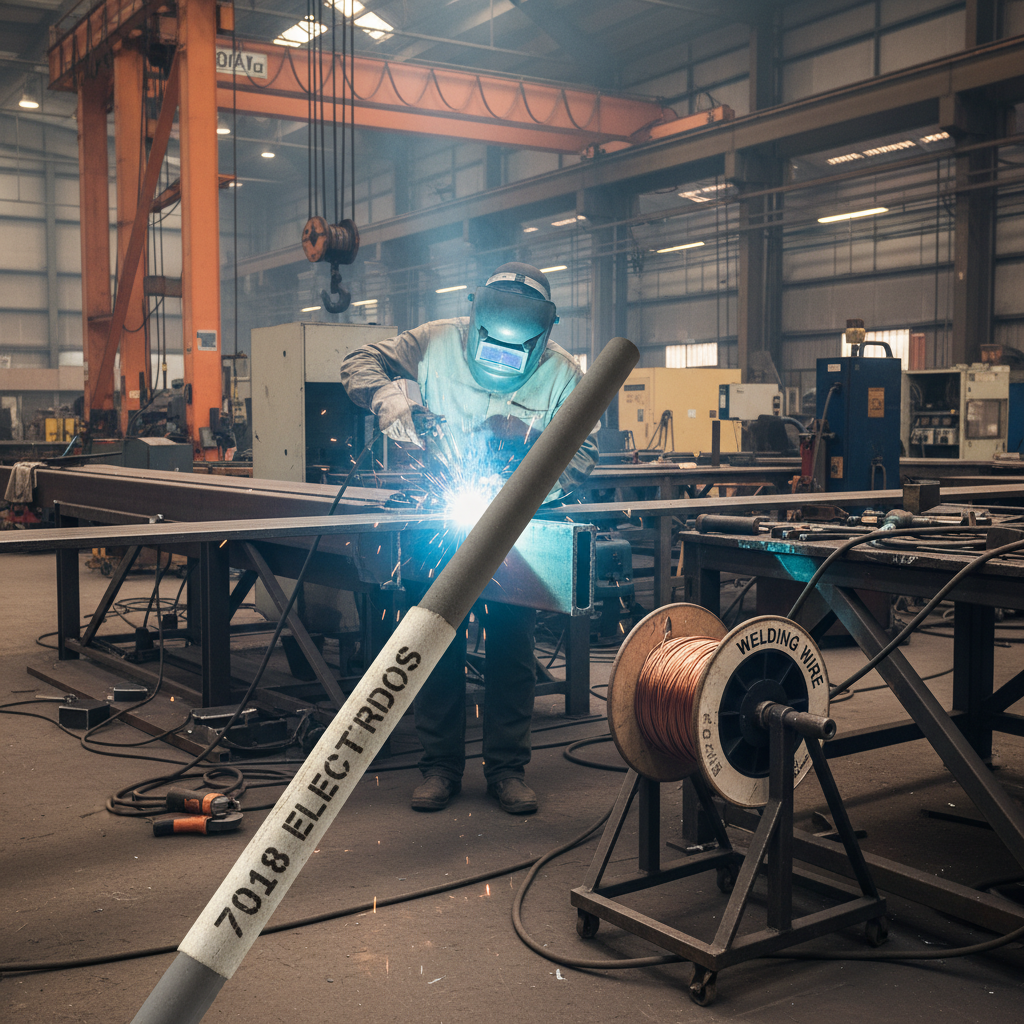
In the demanding world of heavy-duty fabrication, the reliability of a weld is often the only thing standing between structural integrity and catastrophic failure. Among the various options available to professionals, 7018 electrodos have emerged as the gold standard for high-strength, low-hydrogen applications. These specialized welding rods are engineered to provide superior mechanical properties, ensuring that joints can withstand immense pressure and environmental stress.
Understanding the nuances of these consumables is not merely a technical requirement but a safety imperative. From skyscraper frameworks to offshore oil platforms, the use of 7018 electrodos ensures that the welded seams possess the ductility and tensile strength necessary to meet international safety standards. By minimizing the risk of hydrogen-induced cracking, they provide a level of security that is indispensable in modern engineering.
Globally, the shift toward more resilient infrastructure has increased the demand for precision tools. By mastering the application of these electrodes, welding engineers can optimize production cycles while maintaining an uncompromising commitment to quality. This guide explores the technical depth, practical applications, and future evolution of these essential welding components in the metal tools industry.
Global Industry Relevance of 7018 Electrodos
The global construction and shipbuilding industries rely heavily on standardized materials to ensure safety across borders. According to ISO welding standards, the demand for low-hydrogen consumables has surged as projects become more complex and materials more specialized. 7018 electrodos play a pivotal role in this ecosystem, providing the necessary strength for pressure vessels and heavy machinery that must operate under extreme conditions.
One of the primary challenges in heavy industry is "cold cracking," which often occurs due to hydrogen entrapment in the weld pool. This technical hurdle has led to the widespread adoption of these electrodes, as they are specifically designed to limit hydrogen diffusion. By solving this critical problem, these tools enable the creation of safer bridges and more durable energy pipelines across the globe.
Technical Definition and Core Composition
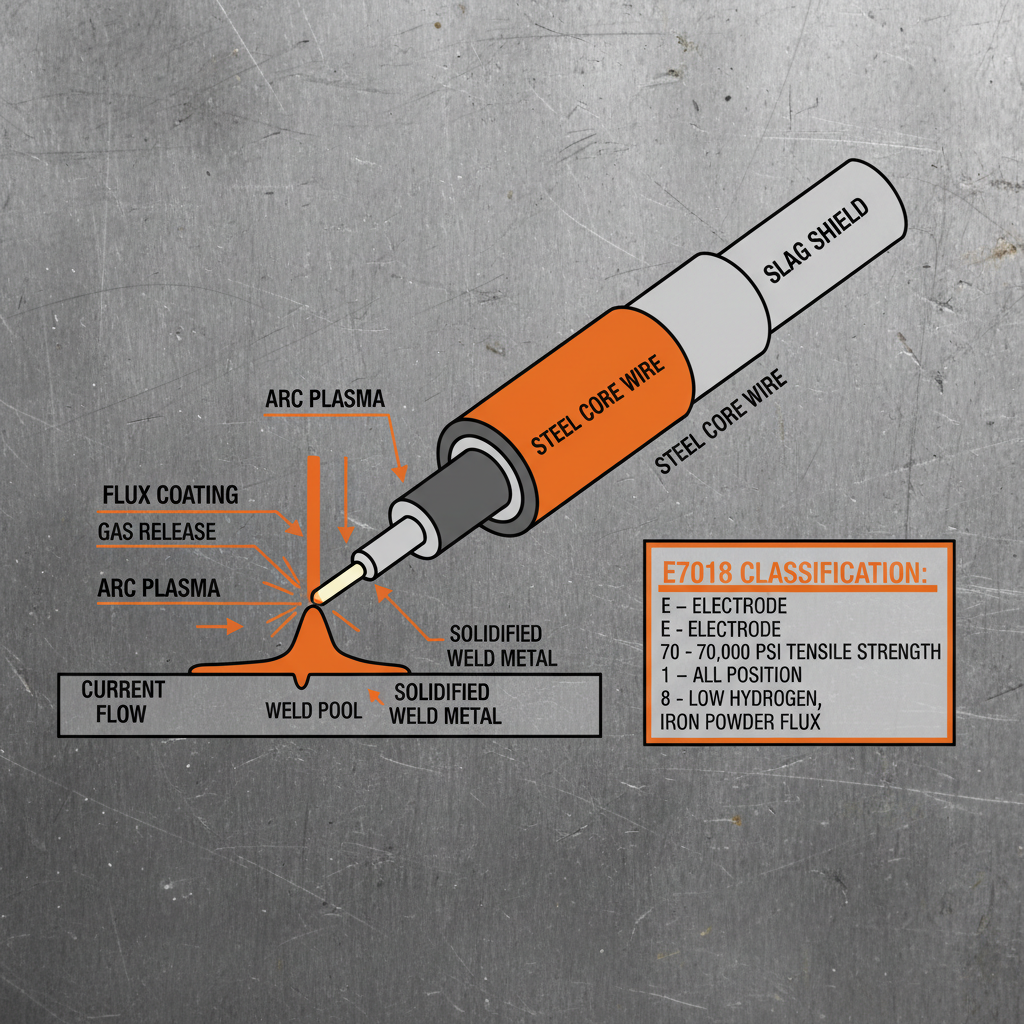
In simple terms, 7018 electrodos are low-hydrogen, iron-powder coated welding rods designed for use with AC or DCEP current. The "70" indicates a minimum tensile strength of 70,000 psi, while the "18" refers to the coating type and the current compatibility. This specific combination makes them ideal for high-stress joints where weld purity is paramount.
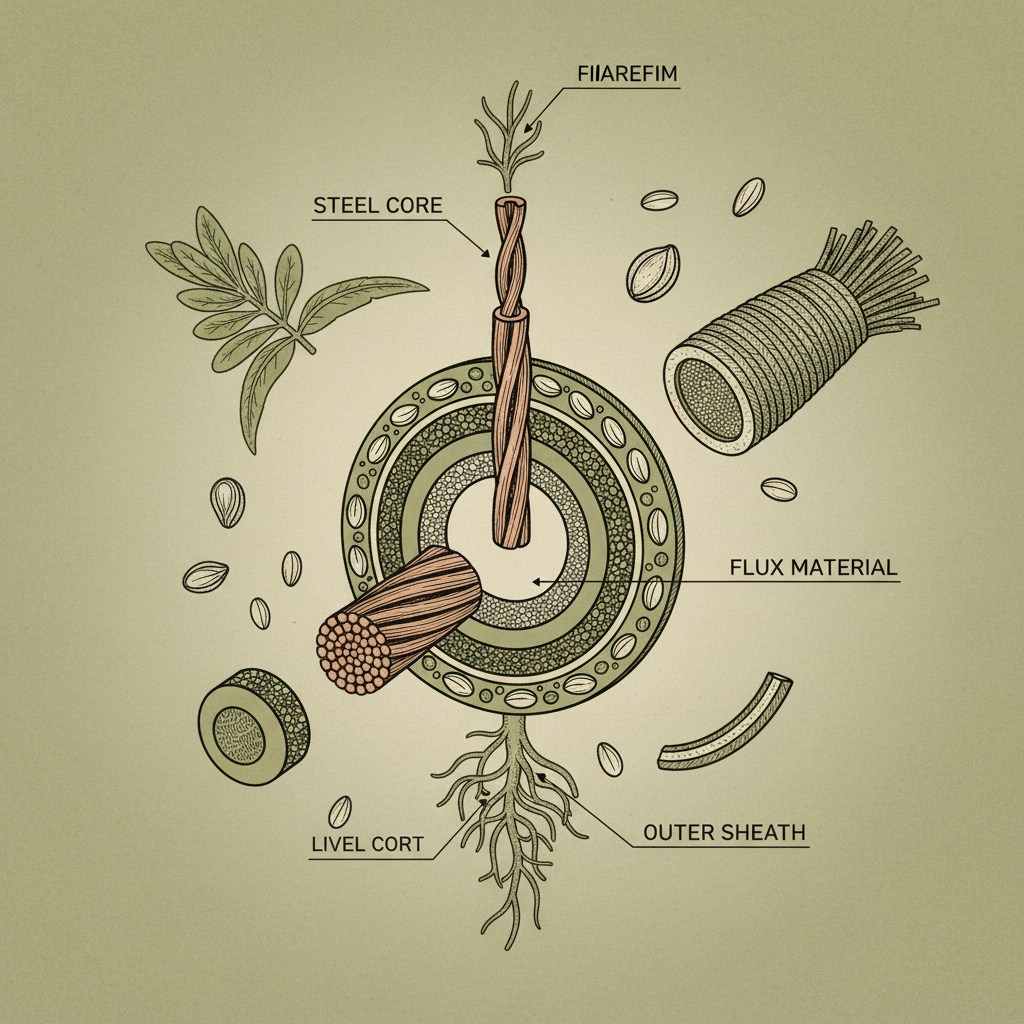
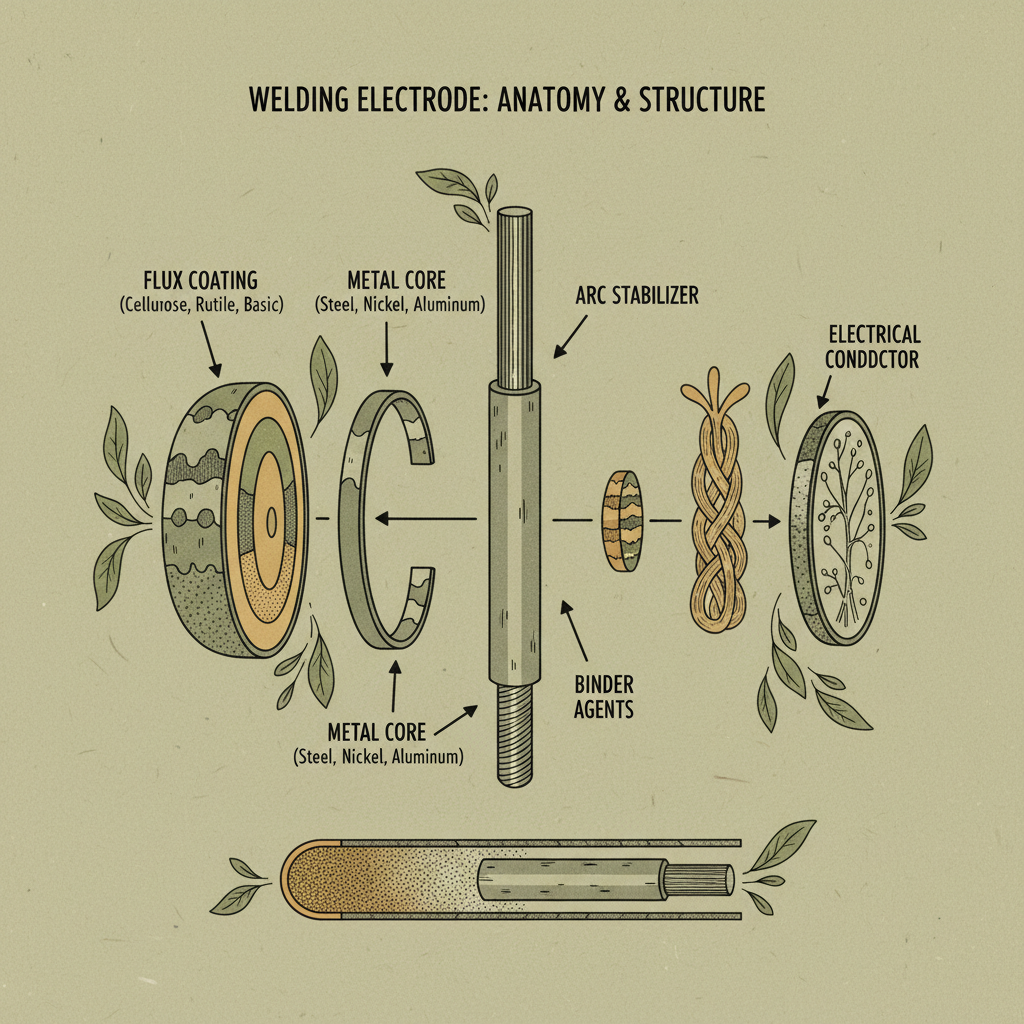
The core of these electrodes consists of a high-quality steel wire enveloped in a basic flux coating. This coating is the secret to their success, as it stabilizes the arc and creates a slag layer that protects the molten metal from atmospheric contamination. Unlike general-purpose rods, these are designed to produce an all-weld metal deposit with excellent impact properties.
From a humanitarian and infrastructure perspective, the precision of these tools allows for the rapid reconstruction of critical facilities in disaster-prone areas. Whether it is reinforcing a damaged port or erecting emergency shelters in seismic zones, the reliability of the weld provided by these components ensures that the structures can protect lives under pressure.
Key Performance Factors for Structural Integrity
Durability is the hallmark of 7018 electrodos. The low-hydrogen nature of the deposit means that the resulting weld is less susceptible to embrittlement. This is particularly crucial in colder climates where steel becomes more brittle, and the weld must maintain its toughness to prevent sudden fractures.
Cost efficiency is achieved not through the price of the rod itself, but through the reduction of rework. Because 7018 electrodos produce high-quality, X-ray clean welds, the rate of failure during inspection is significantly lower than with other consumables. This translates to faster project completion and lower labor costs.
Scalability in industrial production is further enhanced by the iron powder in the coating, which increases the deposition rate. This allows welders to fill larger gaps more quickly without sacrificing the mechanical properties of the joint, making these electrodes the preferred choice for large-scale manufacturing.
Comparative Analysis of Welding Efficiency
When evaluating the performance of various consumables, it becomes clear that 7018 electrodos offer a unique balance of strength and ease of use. While other rods might be easier to ignite, the long-term structural value provided by the 7018 series is unmatched in high-pressure environments.
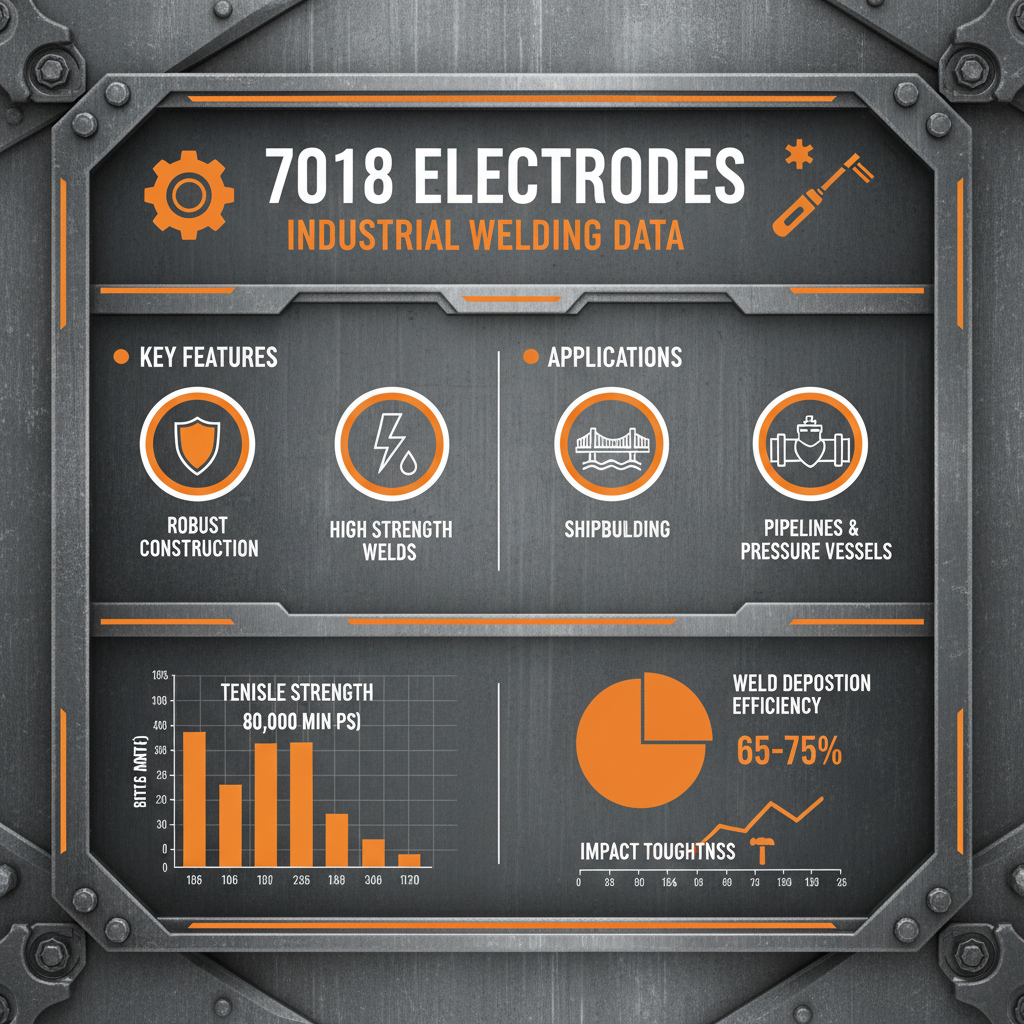
The following data illustrates how different variations of these electrodes perform across key industrial metrics, highlighting their superiority in tensile strength and crack resistance compared to standard alternatives.
Performance Metrics of 7018 Electrodos Variations
Global Applications and Industrial Use Cases
In real-world contexts, 7018 electrodos are the lifeline of the oil and gas sector. In remote industrial zones, such as the North Sea or the Gulf of Mexico, where saltwater corrosion and extreme pressure are constant threats, these electrodes are used to weld thick-walled piping and structural supports that must remain leak-proof for decades.
Furthermore, in post-disaster relief operations, the ability to quickly create high-strength steel bridges is critical. Engineers often deploy these electrodes in the field to ensure that temporary structures can handle the weight of heavy relief machinery, providing a reliable path for aid and reconstruction in the most challenging environments.
Long-Term Value and Safety Advantages
The tangible benefit of utilizing 7018 electrodos lies in the peace of mind they provide. From a logical standpoint, the reduction in weld defects leads to lower insurance premiums for construction firms and a lower risk of liability. When a structure is built with these electrodes, there is a documented trust in its ability to perform.
Emotionally, the use of high-grade consumables is about the dignity of the worker and the safety of the end-user. Knowing that a weld is "low-hydrogen" means that the technician is employing the best possible tool for the job, reducing the anxiety associated with critical weld failures in high-altitude or underwater applications.
Sustainability is also a factor; by creating welds that last longer and require less frequent maintenance, we reduce the total amount of steel and energy required over the lifecycle of a project. This long-term reliability is what transforms a simple welding rod into a cornerstone of sustainable industrialization.
Future Innovations in Electrode Technology
The future of 7018 electrodos is being shaped by the digital transformation of the workshop. We are seeing the integration of smart monitoring systems that can analyze arc stability in real-time, allowing for automatic adjustments in current to optimize the deposition of the low-hydrogen filler metal.
Green energy is also driving innovation. There is a growing movement toward "green steel," and electrode manufacturers are developing coatings that require less energy during the production process while maintaining the same mechanical properties. This alignment with carbon-neutral goals ensures that heavy industry can continue to grow without compromising the planet.
Automation and robotics are further amplifying the efficiency of these tools. Robotic arms equipped with precision feeders are now capable of utilizing the benefits of 7018 compositions in a continuous flow, combining the strength of manual low-hydrogen welding with the speed of automated production.
Technical Performance Analysis of 7018 Electrodos
| Electrode Variant |
Hydrogen Level |
Impact Toughness |
Application Score |
| Standard 7018 |
Low (H4) |
High |
8/10 |
| Extra-Low Hydrogen |
Ultra-Low (H2) |
Very High |
10/10 |
| Iron Powder 7018 |
Low (H8) |
Medium |
7/10 |
| Cold-Weather Spec |
Low (H4) |
Extreme |
9/10 |
| Fast-Fill Variant |
Moderate (H16) |
Medium |
6/10 |
| Precision-Core 7018 |
Ultra-Low (H2) |
High |
9/10 |
FAQS
The basic coating on 7018 electrodos is hygroscopic, meaning it readily absorbs moisture from the air. If water enters the coating, it decomposes into hydrogen during welding, which can lead to porosity and cold cracking. Storing them in a rod oven keeps them dry and ensures the "low-hydrogen" properties remain intact for critical structural welds.
Yes, most modern 7018 electrodos are designed for versatility. While they perform exceptionally well on DCEP (Direct Current Electrode Positive) due to better penetration and arc stability, they are also compatible with AC (Alternating Current) machines, making them useful for various industrial setups.
6010 is a cellulosic electrode used primarily for deep penetration and root passes, but it has higher hydrogen levels. 7018 is a low-hydrogen electrode used for filling and capping, providing much higher strength and ductility. Typically, a welder uses 6010 for the root and 7018 for the final structural layers.
Signs of moisture include a difficult arc start, excessive spatter, and the appearance of small pinholes (porosity) in the weld bead. If you notice these symptoms, the electrodes should be re-baked in a professional oven according to the manufacturer's specifications to remove the trapped hydrogen.
No, 7018 is specifically designed for carbon and low-alloy steels. For cast iron, you should use specialized Cast Iron Welding Rods (such as nickel-based electrodes), as the thermal expansion and carbon content of cast iron would cause a 7018 weld to crack almost immediately upon cooling.
The "70" indicates the minimum tensile strength of the weld metal, which is 70,000 pounds per square inch (psi). This high strength rating is why these electrodes are mandated for heavy-duty applications like bridge construction and pressure vessel fabrication.
Conclusion
In summary, 7018 electrodos are far more than simple consumables; they are critical components of industrial safety and structural engineering. By providing a low-hydrogen environment and superior mechanical strength, they ensure that the world's most challenging infrastructure projects are built to last. From their specific chemical composition to their global application in high-pressure zones, these electrodes represent the intersection of metallurgy and safety.
As we look toward a future of smarter, greener construction, the evolution of these tools will continue to drive efficiency and reliability. For professionals seeking to optimize their welding output without compromising on quality, investing in high-grade 7018 consumables is the most logical step forward. Visit our website for professional solutions: www.steeltoolschina.com