To be honest, things have been moving fast lately in the construction materials scene. Everyone’s talking about prefabrication, modular builds, and cutting down on waste. It's all about speed, you know? But speed without quality? Forget about it. I’ve seen too many corners cut. And welding electrode, well, it’s the backbone of a lot of that, whether people realize it or not. It’s not glamorous, but if your welds are bad… things fall apart. Literally.
Have you noticed how everyone’s obsessed with ‘smart’ materials now? Self-healing concrete, conductive polymers… It’s all interesting, but sometimes the basics are best. Good old-fashioned steel, properly joined with a good welding electrode. The problem is, “good” is subjective. There’s a lot of junk out there. I encountered this at a factory in Jiangsu province last time, they were using some cheap stuff that just crumbled when you tried to strike an arc. Total waste of time.
And people always underestimate the impact of humidity. It screws everything up. You think you've got the settings right, then boom, porosity all over the place.
The Ever-Changing Landscape of Welding Electrode
Strangely, despite all the automation coming in, the demand for skilled welders is still high. Everyone wants robotic arms, sure, but someone still needs to program them, and to fix them when they inevitably break down. And those robots? They still need welding electrode to build them. The push for lighter materials is changing things though. Aluminum is becoming more common, requiring different types of welding electrode, and that’s where things get tricky.
The global welding electrode market is huge – estimated around $20 billion USD annually, and growing. A lot of that is driven by infrastructure projects in developing countries. The UN estimates that trillions of dollars will be needed for infrastructure development in the next decade, and welding will be essential for all of it.
Design Pitfalls & Material Selection
One thing I see over and over is engineers designing joints without thinking about how they’re going to be welded. They'll specify a super-tight tolerance, then wonder why the welder can’t get in there. You need to design for weldability, simple as that. And the material choice matters. Mild steel is forgiving, but high-strength alloys? You need to be precise.
Choosing the wrong electrode for the base metal is a classic mistake. Using a low-hydrogen electrode on dirty steel? You’re asking for trouble. And don’t even get me started on trying to save money with a cheap electrode. It always backfires. Always.
Anyway, I think one of the biggest traps is ignoring the environment. Welding outdoors in the rain? You need special electrodes and procedures. Indoor welding with poor ventilation? You need to consider fumes and worker safety. It’s not just about the metal itself.
Real-World Testing & Application
They do all sorts of testing in labs, of course. Tensile strength, impact resistance, bend tests… all that good stuff. But those tests don’t always reflect real-world conditions. I prefer to see how an electrode performs on a job site, under pressure. I once saw an electrode pass all the lab tests, but crack the first time it was used on a bridge repair.
We’ve started doing our own in-house testing, simulating actual construction scenarios. We’ll take a piece of steel, weld it with different electrodes, then subject it to vibration, temperature changes, and even simulated corrosion. It’s a lot more work, but it gives us a much better idea of how the electrode will perform in the field.
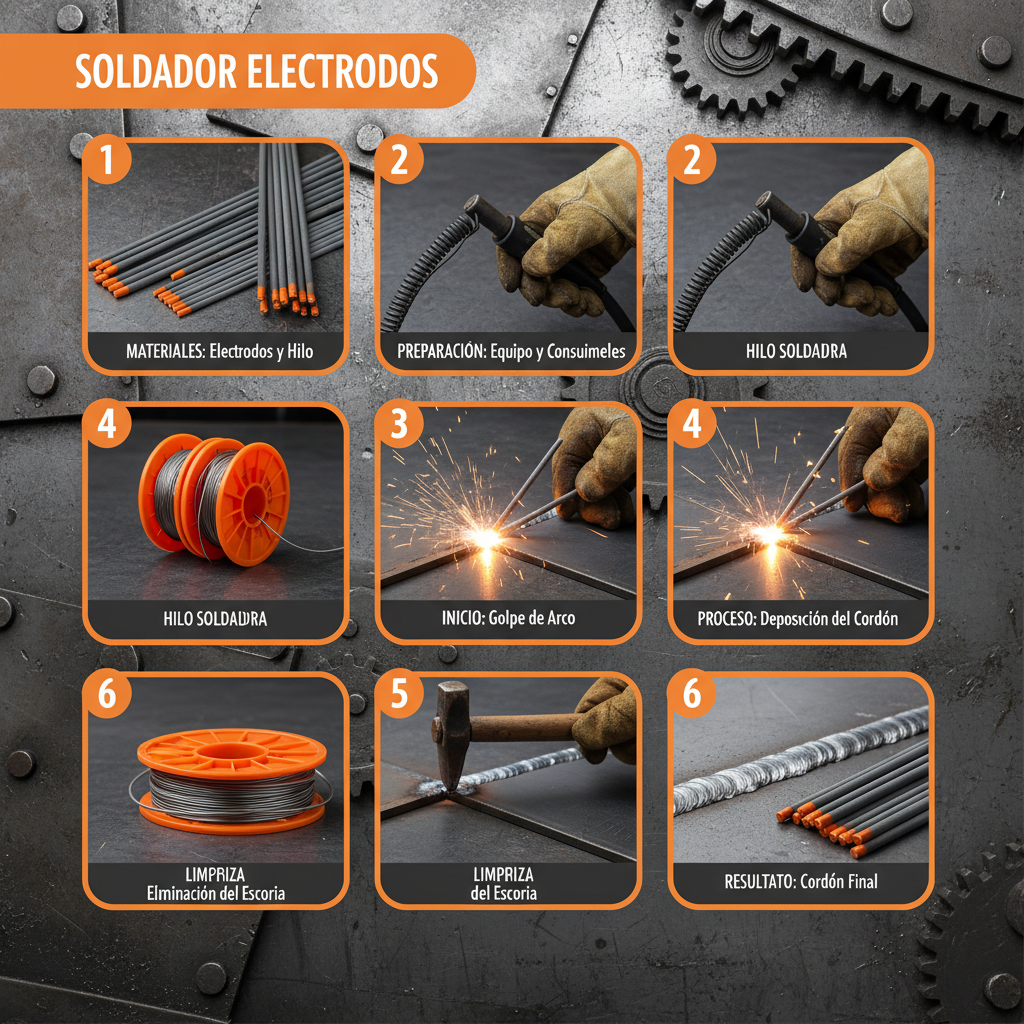
I was at a shipbuilding yard last year, and they were welding massive steel plates together. It wasn’t a delicate operation, believe me. They were using flux-cored electrodes, and the welders were just hammering away, creating these huge, strong welds. The smell of the flux was overpowering, but it got the job done.
Advantages, Disadvantages & Customization
The biggest advantage of a good welding electrode is reliability. You want a weld that’s going to hold, no matter what. It’s that simple. They're also relatively inexpensive, at least the decent ones. But they can be messy, generate fumes, and require a skilled operator.
As for customization, it's usually about adjusting the alloy composition to meet specific requirements. Last month, a small boss in Shenzhen who makes smart home devices insisted on changing the interface to , and the result was a nightmare. It required a very specific type of electrode to weld the tiny connectors without damaging them, and it took weeks to get it right. He learned a valuable lesson about over-engineering, I think.
Welding Electrode Performance Comparison
The Human Factor: How Welding Electrode is Actually Used
You know, it’s funny. Engineers specify the electrode type and welding procedure, but the welder on the ground often has to improvise. They'll adjust the amperage, the travel speed, the angle of the electrode… based on their experience and what feels right. It’s an art as much as a science.
And a lot of times, they’re working in less-than-ideal conditions. Wind, rain, tight spaces… They don't have the luxury of a perfectly controlled lab. They just need to get the job done, and get it done right.
Material Deep Dive: Beyond the Name
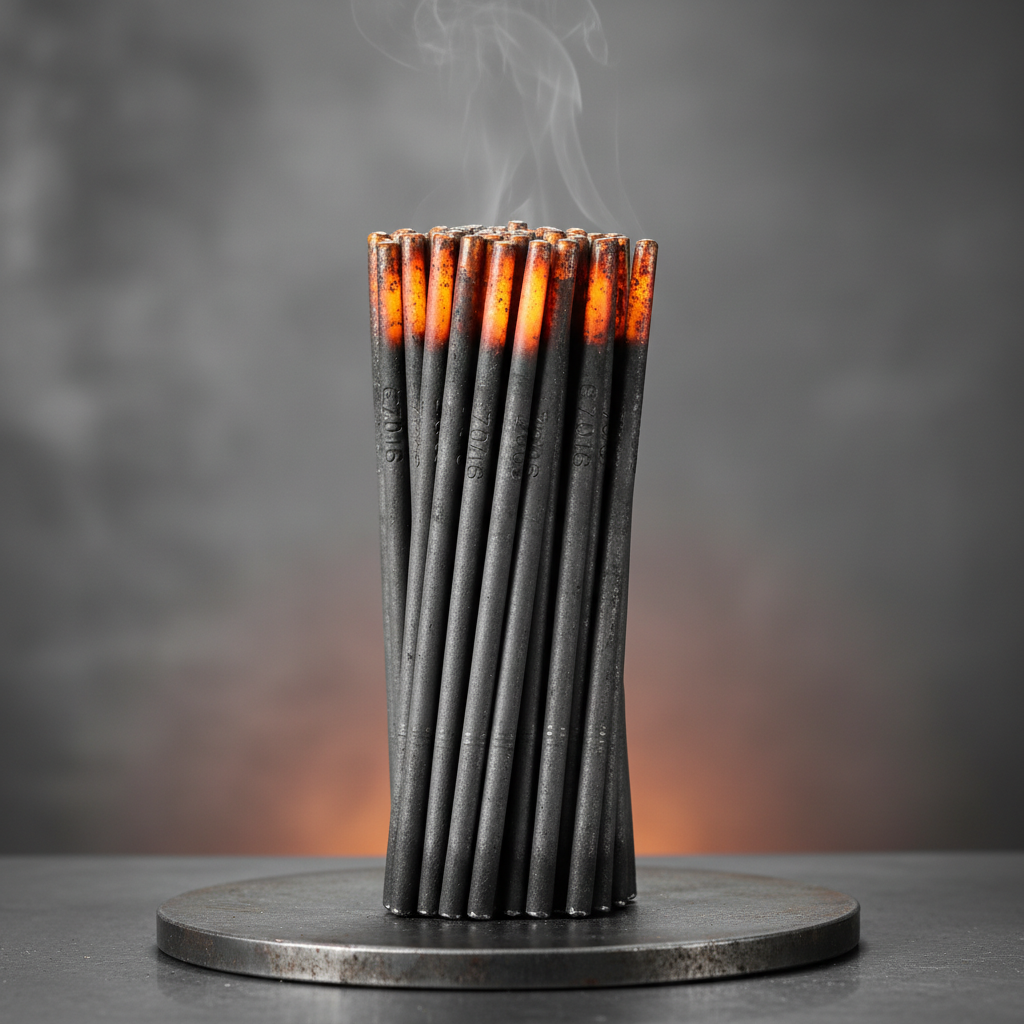
The feel of an electrode tells you a lot. A good electrode should be smooth and consistent, the flux coating evenly applied. If it’s brittle or crumbly, that’s a bad sign. And the smell matters too. A strong chemical smell usually indicates a low-quality coating. You learn these things over time, just by handling the materials.
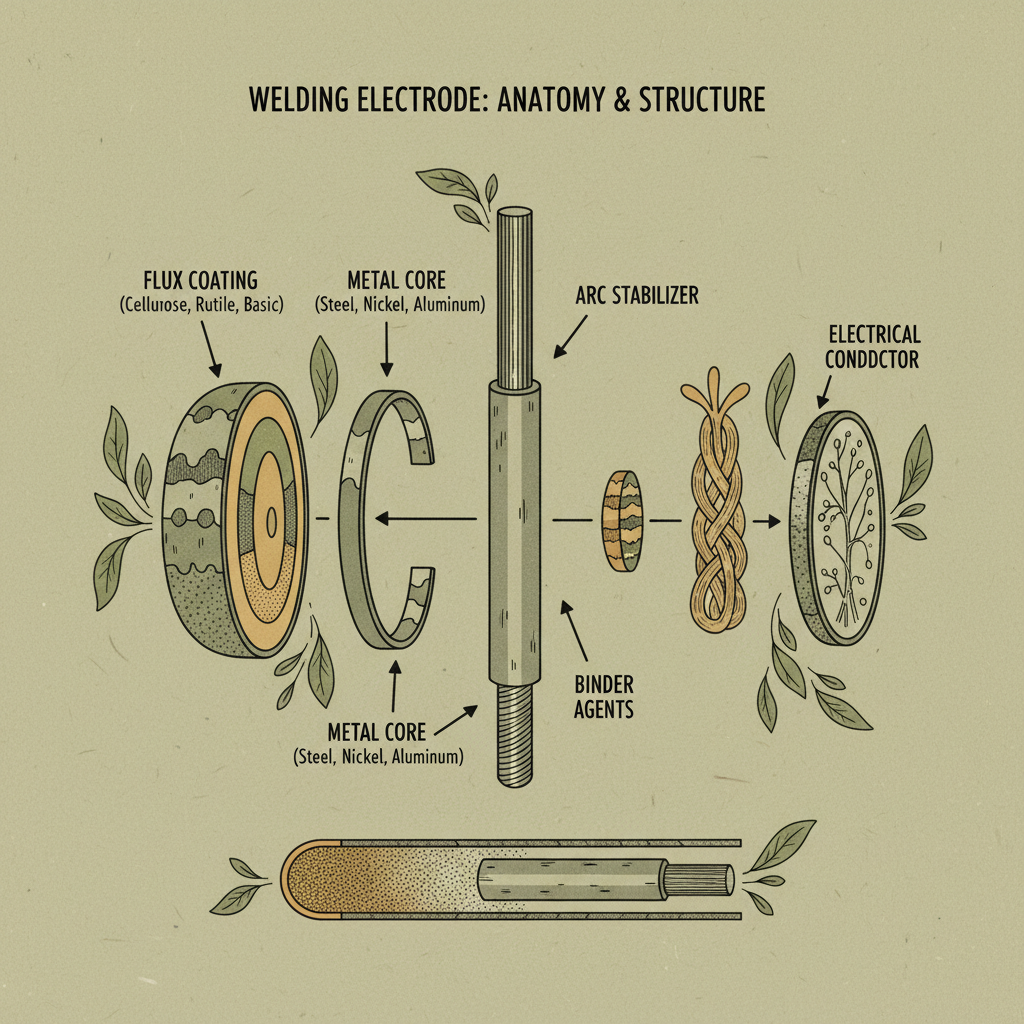
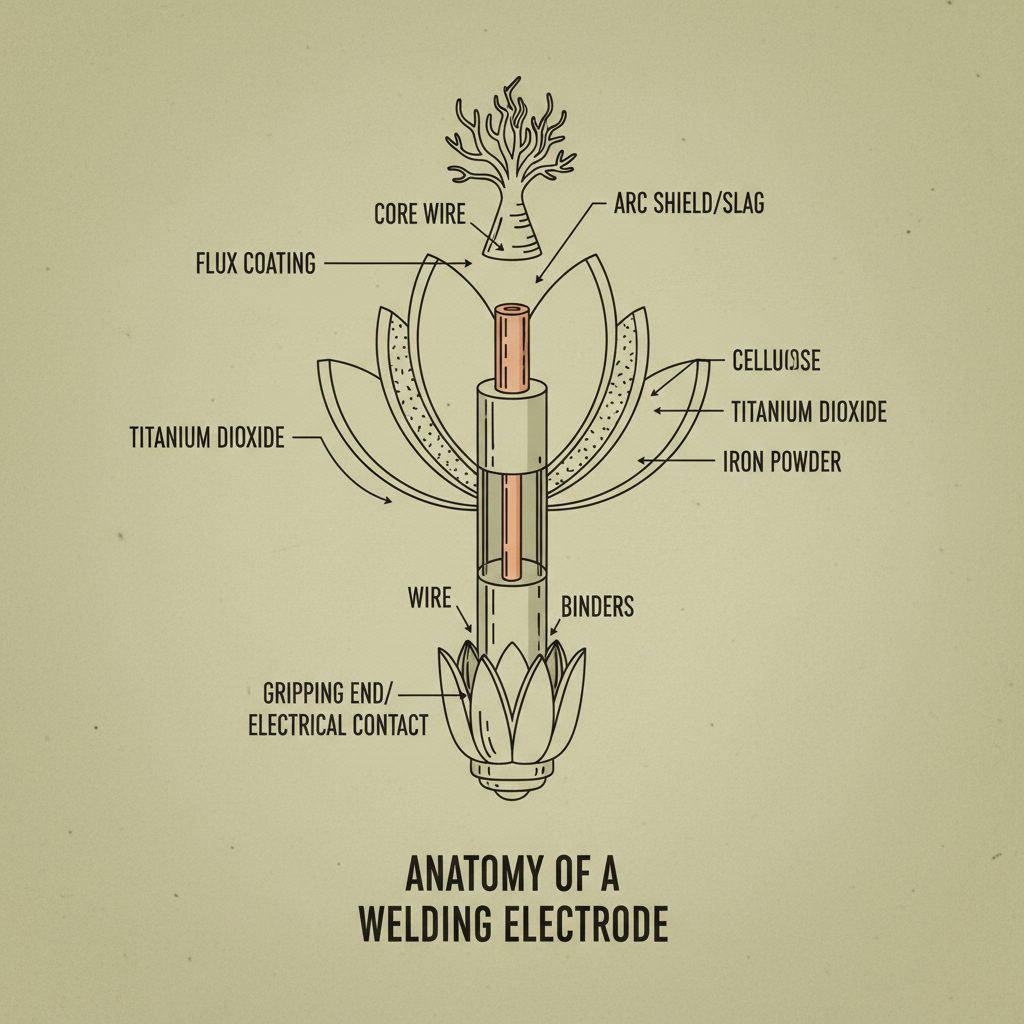
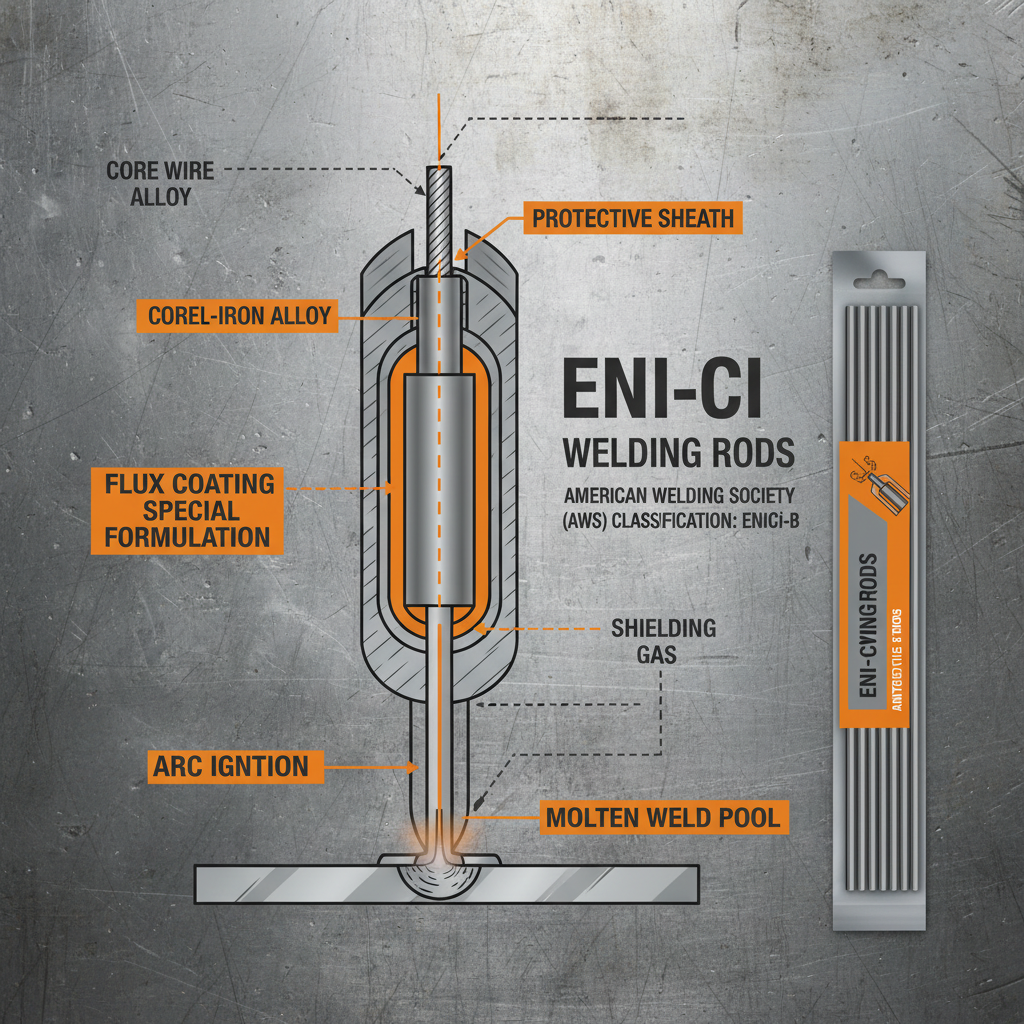
The different types of flux have a huge impact. Cellulose-based flux creates a soft arc and good penetration, but it can also produce a lot of spatter. Rutile flux is easier to use and produces less spatter, but it's not as strong. It's all about trade-offs.
Performance Metrics & Comparative Analysis
To really understand the performance, you need to look beyond just tensile strength. You need to consider ductility, toughness, and resistance to cracking. And you need to test it under conditions that simulate real-world stress.
Here’s a quick breakdown of some common electrode types:
The core of this all comes down to ensuring durability and reliability in the welding process.
Summary of Common Welding Electrode Characteristics
| Electrode Type |
Tensile Strength (MPa) |
Ductility (%) |
Typical Applications |
| E6010 |
483 |
22 |
Pipe welding, root passes |
| E7018 |
572 |
25 |
General purpose welding, structural steel |
| E6013 |
483 |
28 |
Sheet metal, thin sections |
| E7014 |
572 |
23 |
All-position welding, maintenance |
| E308L-16 |
517 |
35 |
Stainless steel welding |
| ER70S-6 |
540 |
26 |
MIG welding of mild steel |
FAQS
SMAW (Shielded Metal Arc Welding), also known as stick welding, uses a consumable electrode coated in flux. MIG (Metal Inert Gas) welding uses a continuously fed wire electrode and a shielding gas. The main difference is control and speed – MIG is faster and cleaner for thinner materials, while SMAW is more versatile for thicker materials and outdoor work. Choosing the right electrode for each process is crucial for a strong and reliable weld.
Proper storage is vital! Moisture is the enemy. Keep your electrodes in a sealed container, preferably with a desiccant. If the electrodes have been exposed to humidity, you’ll need to bake them in an oven at a low temperature (around 200-300°F) for an hour or so to drive out the moisture. Otherwise, you’ll get porosity and weak welds. It’s a pain, but it saves headaches later.
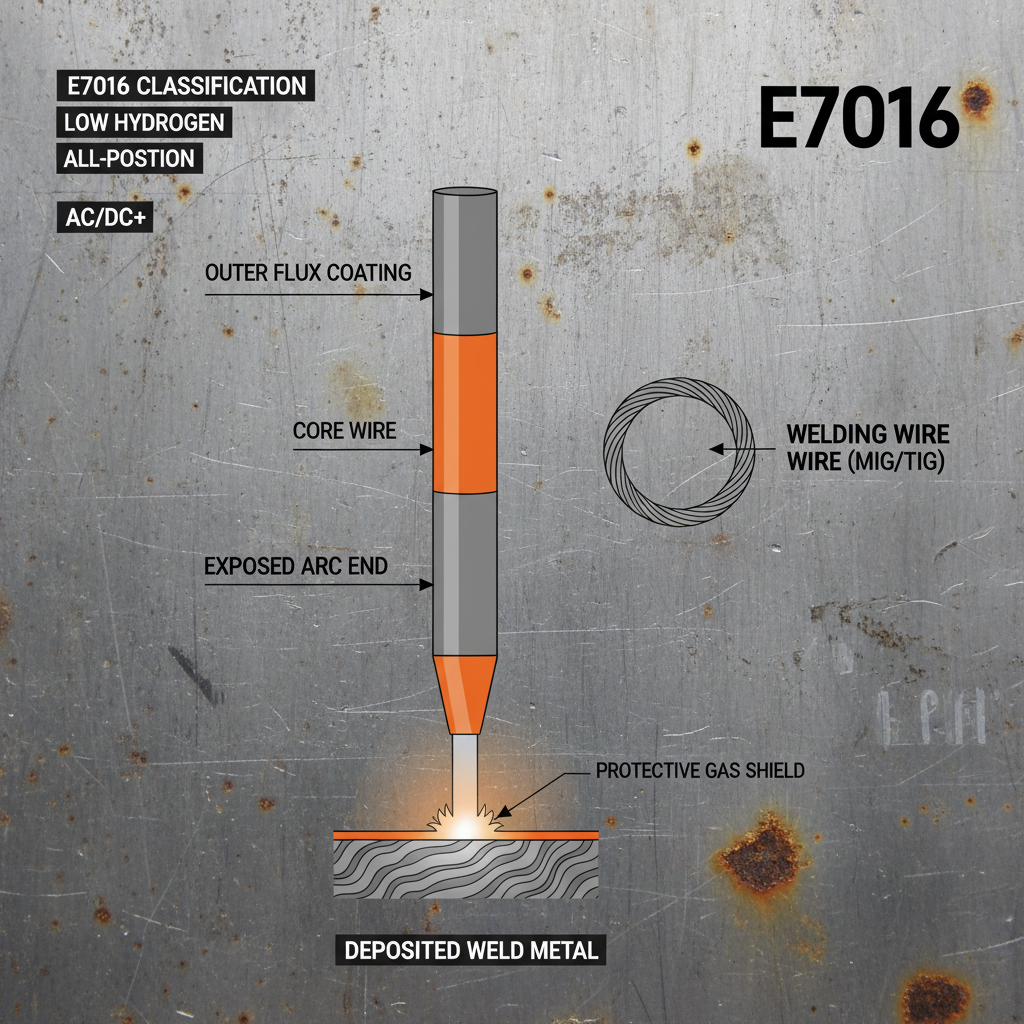
That’s a standard AWS (American Welding Society) classification. “E” stands for electrode, “70” indicates the tensile strength in thousands of PSI (so 70,000 PSI), and “18” describes the welding position and type of flux. In this case, it’s an all-position electrode with a low-hydrogen flux. Understanding these markings helps you select the correct electrode for your application.
Porosity – those little holes in the weld – can be caused by a lot of things. Moisture in the electrode, dirty base metal, improper shielding gas, too much welding current… the list goes on. It weakens the weld significantly. Proper preparation and technique are key to avoiding porosity. And a good electrode oven is your friend.
Sometimes, yes. Especially with thicker materials or high-carbon steels. Preheating helps slow down the cooling rate, which reduces the risk of cracking. It also drives out any moisture that might be present. It’s an extra step, but it can save you a lot of trouble down the road.
It's risky. Electrodes do have a shelf life, and over time the flux coating can degrade. As mentioned earlier, moisture absorption is a concern. While it might work, it's not worth the risk of a compromised weld, especially in a critical application. Better to be safe and use a fresh batch.
Conclusion
Ultimately, a good welding electrode is more than just a piece of metal. It's about consistency, reliability, and knowing your materials. It's about understanding the nuances of the process and adapting to the conditions on the ground. From prefabricated modules to massive infrastructure projects, a quality weld is the foundation of everything we build.
And you know what? Ultimately, whether this thing works or not, the worker will know the moment he tightens the screw. That’s the real test. Visit our website at www.steeltoolschina.com to learn more about our range of welding electrodes and find the right solution for your project.