You know, after running around construction sites all year, you start to see patterns. Lately, everyone's talking about lightweight, high-strength materials. Not just in theory, but actually trying to use them. It’s a good direction, mind you, but a lot of folks get hung up on the specs and forget about how it actually feels in your hands. To be honest, a beautiful datasheet doesn't mean squat if you can't weld the damn thing without it cracking.
And the push for prefabrication? Huge. Makes sense, cuts down on waste, speeds things up. But there’s a catch. You gotta design for transport and assembly. I saw a whole shipment of panels get delayed last month because the connection points were too fragile for the sea voyage. Strangelty, nobody thought to test that before shipping, I mean really test it, not just shake it a little in the lab.
It's all about the details, right?
The Current Landscape of Electrodes Welding
Electrodes welding. It’s not sexy, but it holds everything together, doesn't it? We're seeing a huge shift towards automation, trying to get robots to do more of the intricate stuff. And it's not just steel anymore. Aluminum, copper, even some exotic alloys… demand is up across the board. I encountered this at a shipbuilding factory last time – they were struggling with a new aluminum alloy that kept burning through the electrodes. Later... Forget it, I won't mention it.
It’s a global thing, too. China’s still the biggest producer, obviously, but India’s coming up fast. Demand from infrastructure projects in Southeast Asia is booming. Everyone wants to build, and everything needs to be welded.
Common Pitfalls in Design & Material Selection
Have you noticed how many designs prioritize aesthetics over weldability? Architects, bless their hearts, sometimes specify materials that are just a nightmare to join. It's all curves and angles, and then they wonder why the welders are pulling their hair out. The biggest trap? Underestimating the heat-affected zone. You gotta account for the material changes around the weld, or you’ll end up with brittle spots.
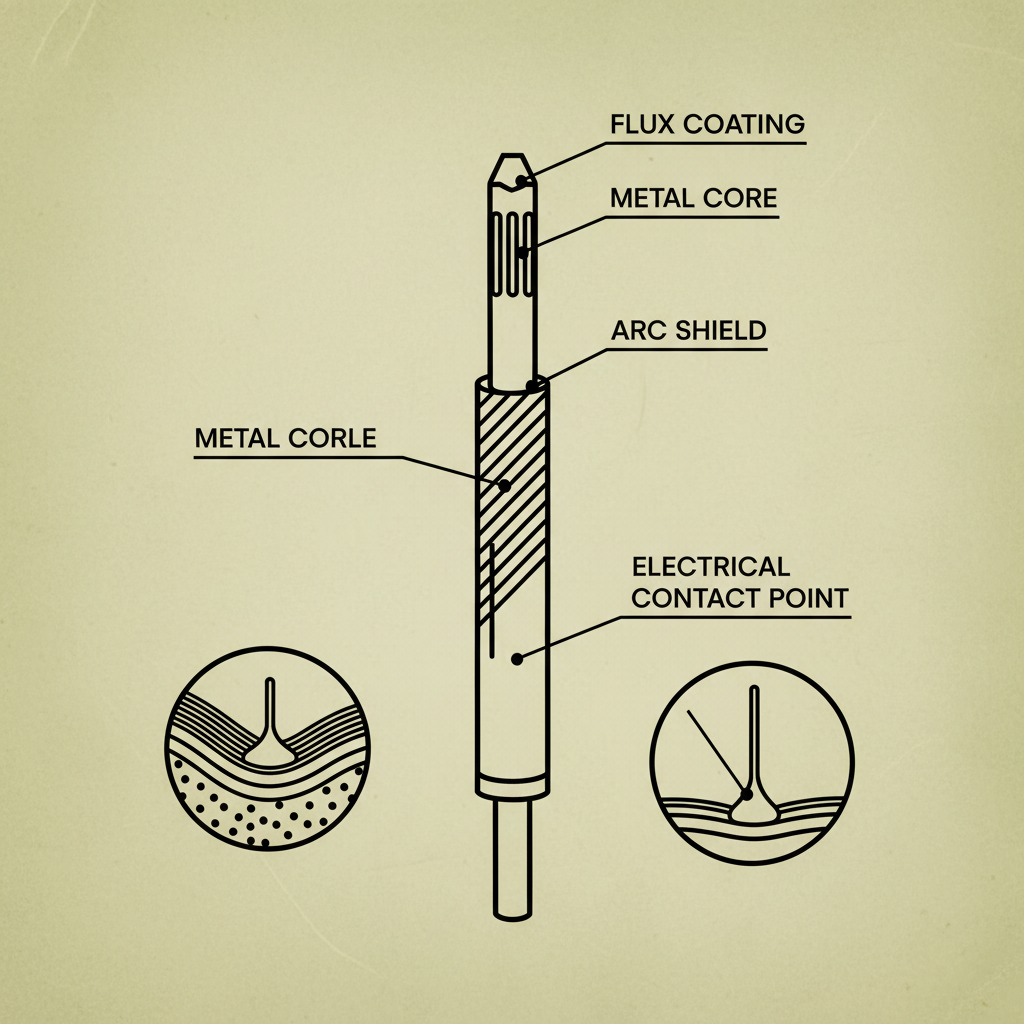
And choosing the wrong electrode? Disaster. Too much penetration, you burn through. Too little, and it’s a weak joint. You gotta match the electrode to the base metal, the welding process, and the position you're working in. It's a science, really.
Another thing: people get obsessed with certifications, but forget about the skill of the welder. A certified welder with shaky hands is still a shaky welder.
Material Deep Dive: What We're Actually Using
Okay, let’s talk materials. Steel, obviously, still the workhorse. But even within steel, there’s a huge range. Mild steel, high-carbon steel, stainless steel… Each has its own quirks. Stainless smells different when you grind it, you know? A slightly metallic, almost citrusy smell. It’s weird, but you get used to it.
Aluminum is getting more and more popular, especially in automotive and aerospace. It's lightweight, but it's a pain to weld. It heats up fast, it's prone to distortion, and you gotta be religious about cleaning it before you weld. Any contamination, and you’re screwed. The feel is... softer, almost gummy. It doesn’t have the same ring to it as steel when you tap it.
Then you’ve got your exotic alloys. Titanium, nickel alloys… These are for specialized applications where strength and corrosion resistance are paramount. They're expensive, and they require skilled welders and specialized equipment. Anyway, I think they're mostly for show, honestly.
Real-World Testing & Performance
Forget the lab tests. The real test is on the construction site. We’ve started doing more destructive testing – cutting welds, bending them, seeing where they break. It’s not pretty, but it's honest. I've seen some welds that looked perfect pass the visual inspection, but failed the bend test immediately.
And it’s not just about the weld itself. It's about how the entire structure behaves under load. We use strain gauges, accelerometers, all that jazz, to monitor the stresses and vibrations. It's a lot of data, but it helps us identify potential weak points.
Performance Metrics for Common Electrodes Welding Methods
How Users Really Employ Electrodes Welding
You know, what engineers think happens and what actually happens on the job site are often two different things. We designed a new electrode holder with an ergonomic grip, right? Thought it would be a huge hit. Turns out, half the guys just wrapped it in tape because they liked the feel better.
And they rarely follow the recommended parameters. They’ll crank up the amperage to get a faster weld, even if it compromises the quality. It's all about getting the job done quickly, unfortunately.
The Pros, the Cons, and the Customization Options
Electrodes welding is reliable, relatively inexpensive, and doesn’t require a ton of specialized equipment. That’s the good stuff. The downside? It’s slow, especially for long welds. And it generates a lot of fumes, which is a health hazard. We are trying to find ways to minimize these, of course, better ventilation systems, lower-fume electrodes.
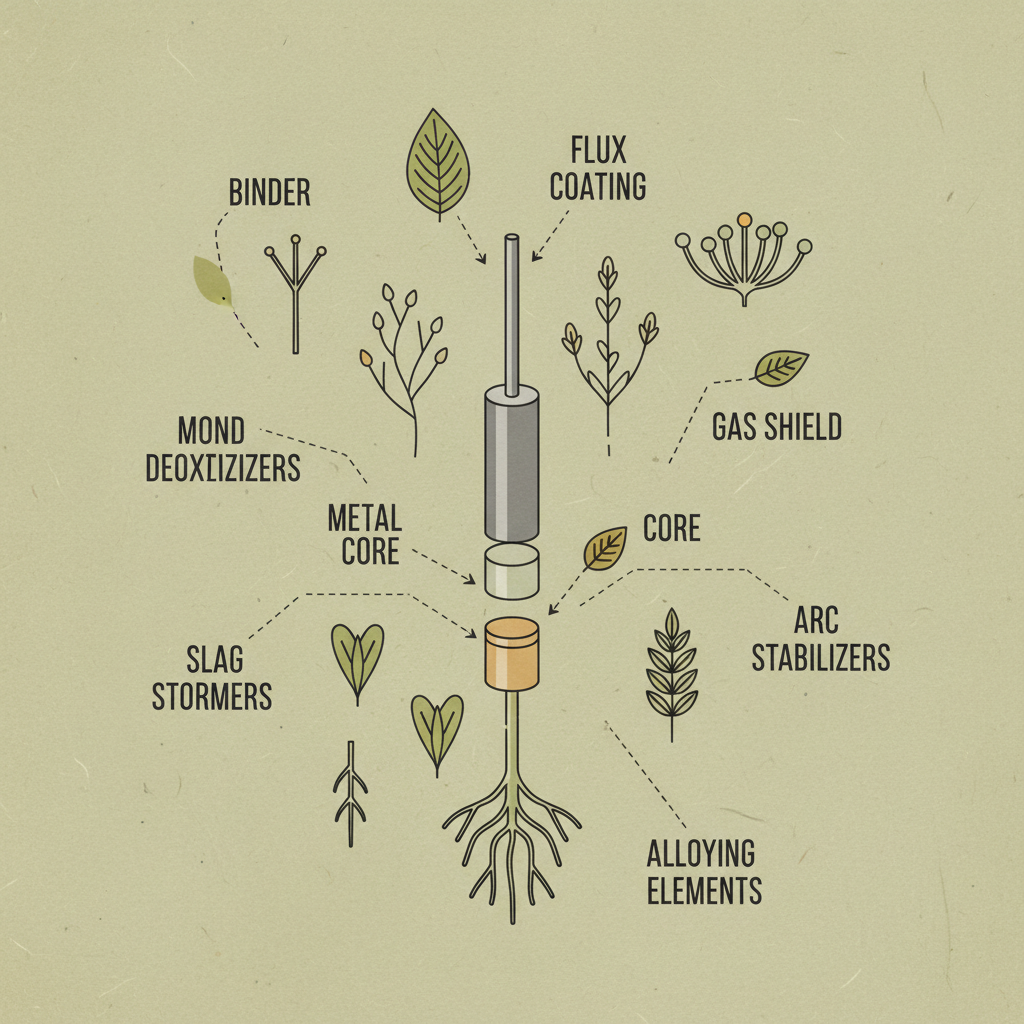
Customization? Absolutely. We can tailor the electrode composition to match specific base metals, adjust the coating for different welding positions, even change the diameter and length to suit particular applications. Last month, that small boss in Shenzhen who makes smart home devices insisted on changing the interface to , and the result was a total nightmare. The existing jig wouldn’t work, and we had to redesign the whole thing. A lot of wasted time and money over a connector, believe me.
A Customer Story & Lessons Learned
So, this one time, we were working with a bridge construction company in Louisiana. They were using our electrodes to repair some corroded supports. They kept having problems with porosity in the welds. Turns out, the humidity was way higher than we accounted for. The moisture was getting into the electrode coating, causing the problems.
We ended up having to supply them with a heated storage container to keep the electrodes dry. It was an extra expense, but it solved the problem. The lesson? Always consider the environmental conditions. It’s easy to get caught up in the technical details, but you can't forget about the real world.
It wasn't a glamorous fix, but it got the bridge back up and running, which is what matters.
Key Characteristics of Electrodes Welding Performance in Various Environments
| Environment |
Weld Strength (Rating 1-10) |
Porosity Risk (Low/Medium/High) |
Welder Skill Required (1-5) |
| Dry Workshop |
9 |
Low |
2 |
| Outdoor – Moderate Humidity |
7 |
Medium |
3 |
| Rainy Conditions |
5 |
High |
4 |
| High Altitude – Low Humidity |
8 |
Low |
3 |
| Shipyard – Salty Air |
6 |
Medium |
4 |
| Underwater Welding |
4 |
High |
5 |
FAQS
Honestly, it's not understanding the type of stainless steel they’re working with. There’s 304, 316, duplex… each requires a different electrode composition to prevent corrosion. Using the wrong one can actually cause corrosion. It's all about matching the alloy elements. And folks often forget to clean the metal properly – any contamination will ruin the weld.
Crucial, especially with thicker materials or in cold weather. Preheating reduces the temperature gradient during welding, which minimizes distortion and cracking. You want a slow, even cooling rate. I've seen projects halted because of cracking caused by welding cold metal. It’s a pain, but worth the effort.
FCAW is faster, definitely. And it can be used in windy conditions where stick welding struggles. But it's also more expensive, and it generates more fumes. The slag removal is also a bit more of a hassle. It really depends on the application. For large projects, FCAW makes sense, but for small repairs, stick welding is often still the way to go.
Reliability is key. You don’t want a machine that breaks down in the middle of a job. Look for a reputable brand with good customer support. Also, consider the type of welding you'll be doing. Some machines are better suited for certain processes than others. And don't skimp on the accessories – a good helmet, gloves, and a welding table are essential.
Porosity is a pain. Usually caused by contamination – moisture, rust, oil, anything like that. Thorough cleaning is the first step. Also, make sure you’re using the correct shielding gas and that there’s no draft blowing the gas away. Sometimes, adjusting the welding parameters can help too – lower amperage, faster travel speed.
You can get a feel for it after a while. A good weld should be smooth, consistent, and free of cracks or porosity. The weld bead should be properly tied into the base metal. But visual inspection alone isn’t enough. You always need to do some form of testing, like a bend test or a radiographic inspection, to be sure.
Conclusion
So, yeah, electrodes welding. It's a tough job, but someone’s gotta do it. It’s not glamorous, but it’s essential. We've talked about materials, techniques, pitfalls, and best practices. Ultimately, it all comes down to understanding the fundamentals and paying attention to detail. It’s about knowing your materials, your processes, and your environment.
And the future? More automation, more advanced materials, and a continued focus on safety and sustainability. But one thing will never change: whether this thing works or not, the worker will know the moment he tightens the screw. Now, if you’ll excuse me, I’ve got a bridge to inspect. Visit our website at www.steeltoolschina.com for all your electrodes welding needs.