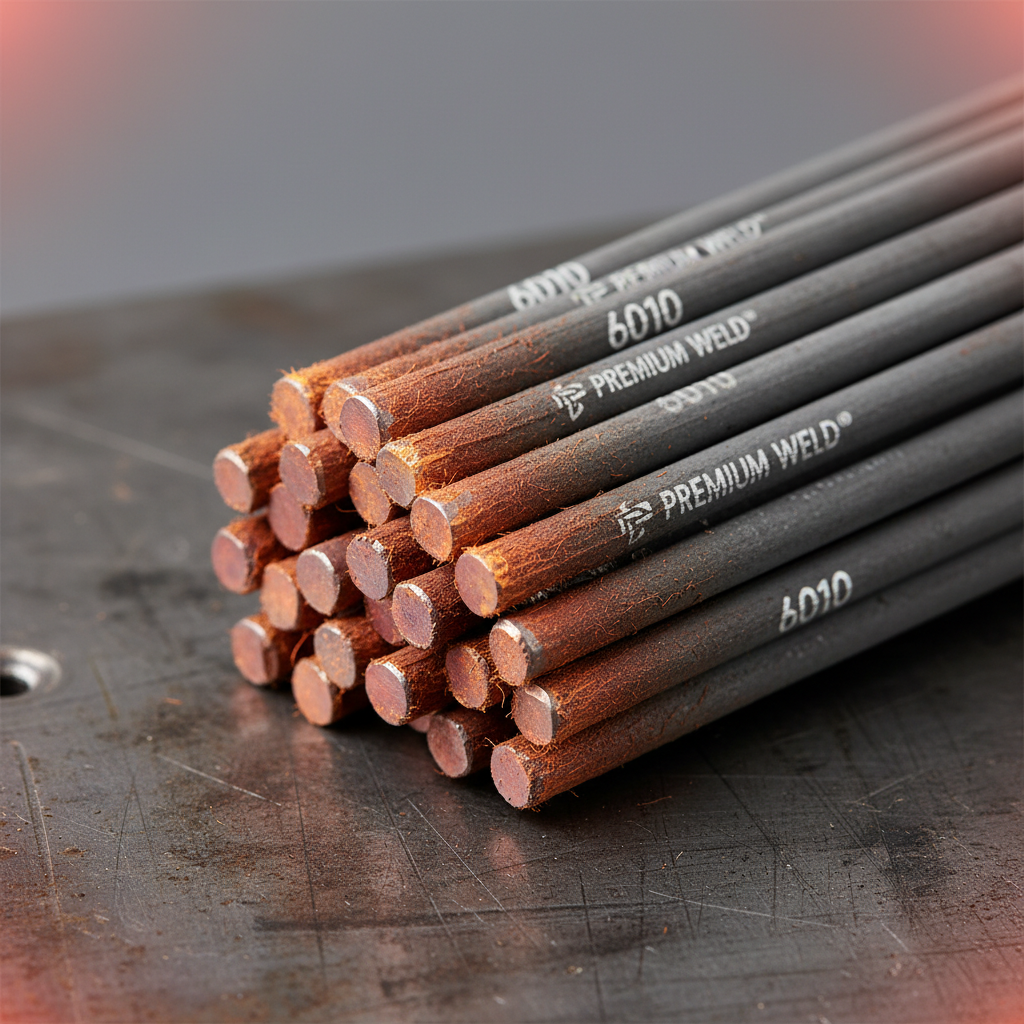
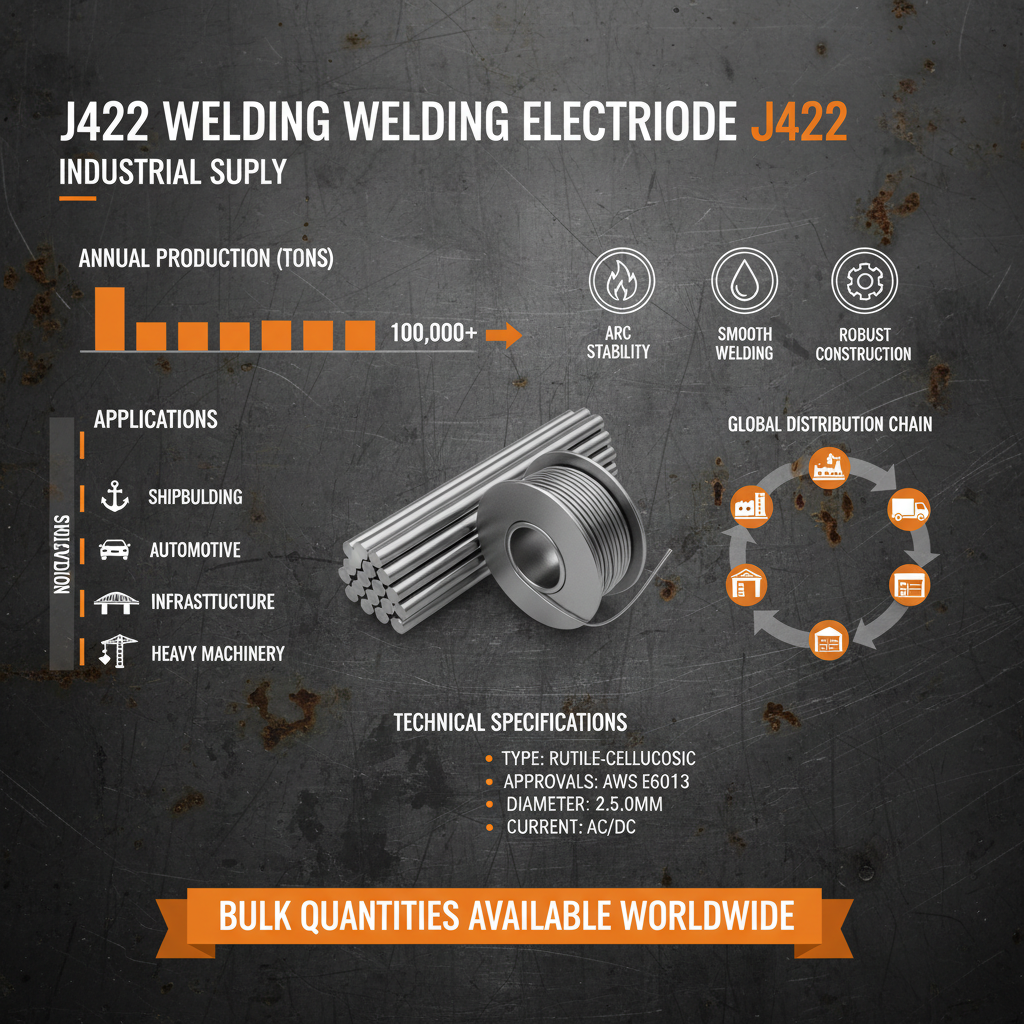
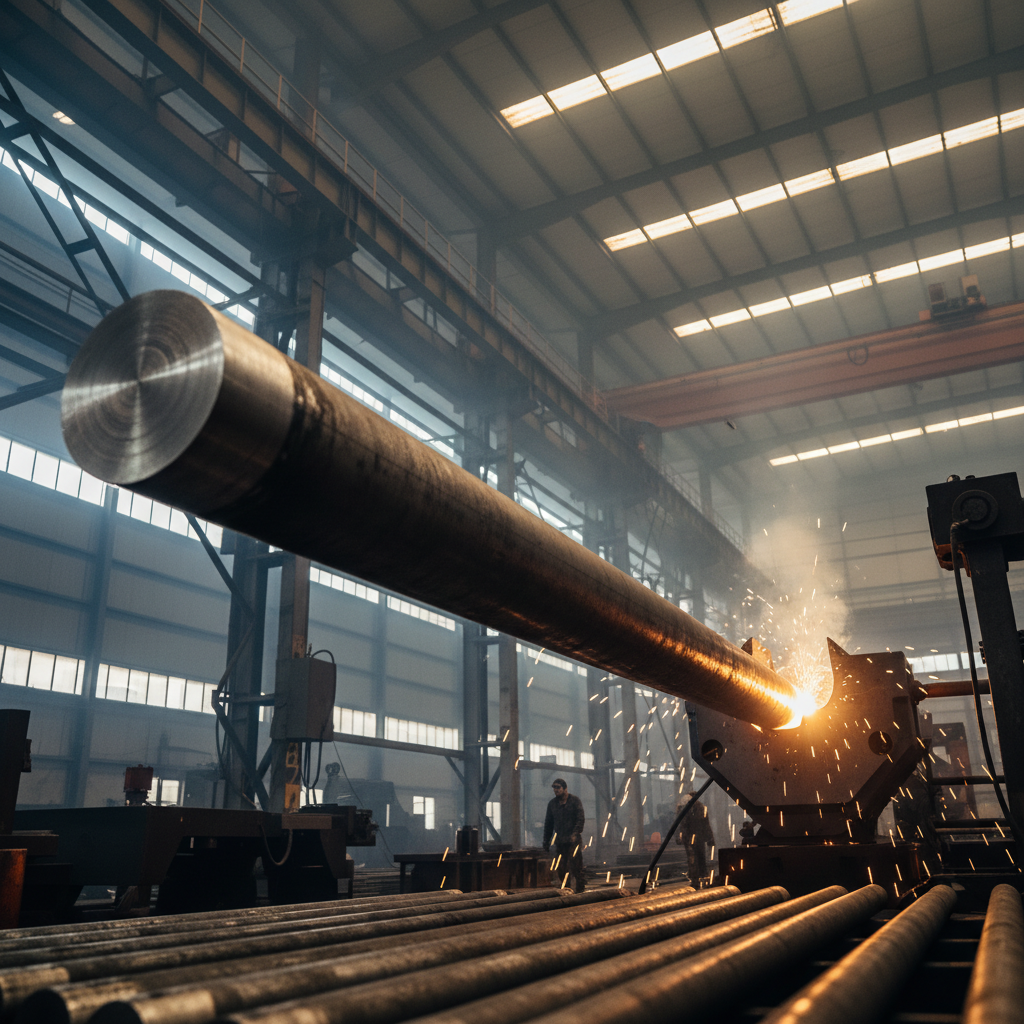
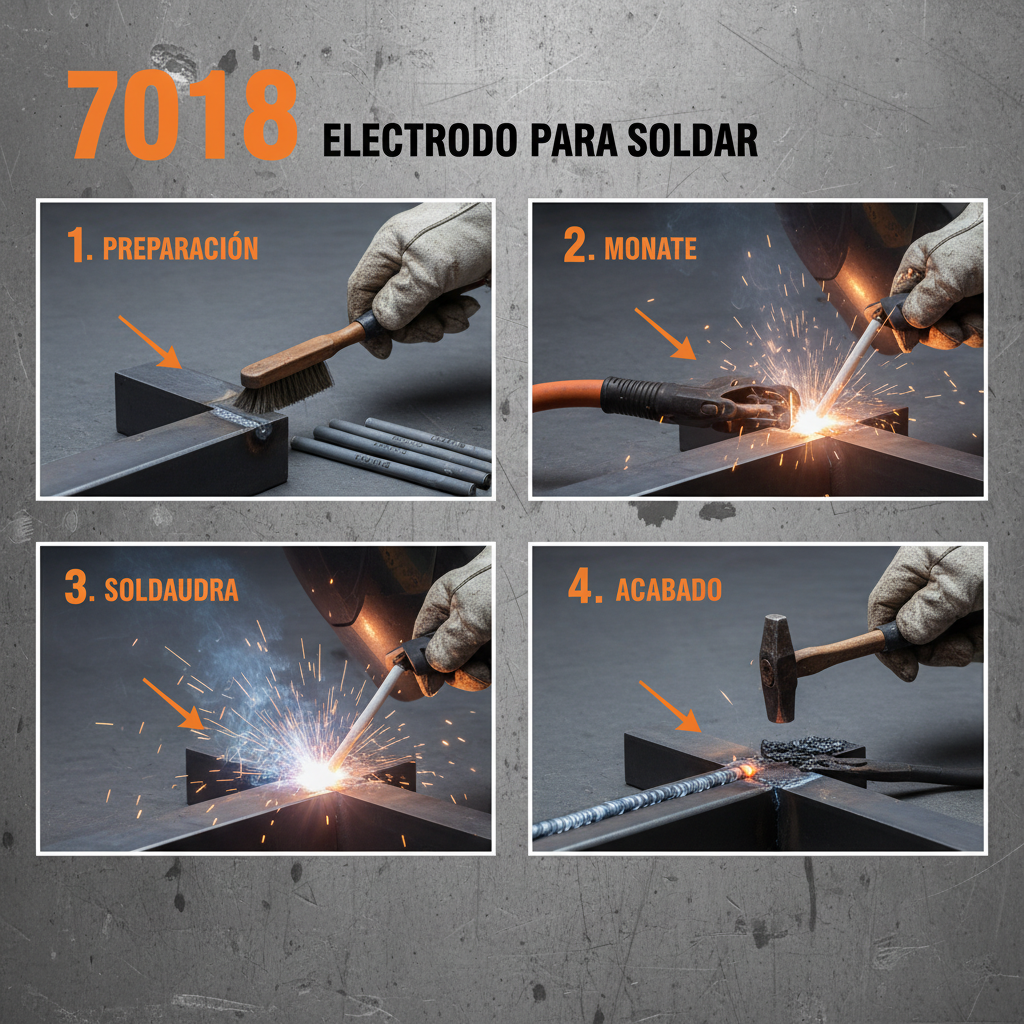
6010 welding rods, often called “all-purpose” rods, are a cornerstone of the welding industry worldwide. Their versatility and ease of use make them ideal for a wide range of applications, from construction and repair to fabrication and maintenance. The global demand for welding solutions, driven by infrastructure development, manufacturing growth, and ongoing repair needs, ensures a consistently high demand for these essential tools.
The importance of 6010 rods extends beyond commercial applications. In emergency response scenarios, and particularly in infrastructure repair following natural disasters, their ability to provide strong, reliable welds quickly is invaluable. The relatively low skill level required for effective use further enhances their utility in situations where specialized welders may not be readily available. Data from the UN indicates a growing need for rapid infrastructure rebuilds in disaster-prone regions, fueling the demand for readily deployable welding solutions like these rods.
These rods’ affordability and adaptability also make them crucial in developing economies, supporting local manufacturing and providing employment opportunities within the welding sector. The widespread availability of 6010 rods, coupled with their minimal equipment requirements, makes them a practical solution for diverse welding challenges around the globe.
The Fundamental Characteristics of 6010 Welding Rods
6010 welding rods are characterized by their deep penetrating arc and suitability for welding dirty or rusty steel. The ‘60’ in the designation signifies a tensile strength of 60,000 PSI, while the ‘10’ indicates the type of flux coating. This coating is a key factor in providing arc stability, slag protection, and a smoother weld bead.
The distinct features of 6010 rods enable them to bridge gaps in less-than-ideal conditions, making them incredibly useful in field repairs and construction. Their ease of restriking the arc is also a valuable characteristic for beginners or in situations where interruptions are frequent. They are often the first rod a welder learns to use, due to their forgiving nature and broad applicability.
The Global Significance of 6010 Welding Rods
The demand for 6010 welding rods is deeply intertwined with global infrastructure development. From the construction of bridges and buildings to the repair of pipelines and industrial machinery, these rods are essential for maintaining and expanding the world’s physical infrastructure. Emerging economies, undergoing rapid industrialization, exhibit particularly high growth in welding consumables consumption.
Furthermore, the oil and gas industry relies heavily on 6010 welding rods for pipeline construction and maintenance, as well as for repair work on offshore platforms. The automotive and shipbuilding sectors also contribute significantly to the global demand. Statistics show a consistent upward trend in the consumption of welding consumables, correlating with global economic growth and industrial output.
The versatility of these rods also makes them crucial in disaster relief efforts. Following earthquakes, hurricanes, or other natural disasters, 6010 rods are often among the first materials deployed to repair damaged structures and restore essential services, highlighting their importance in humanitarian assistance.
Defining 6010 Welding Rods: Composition and Application
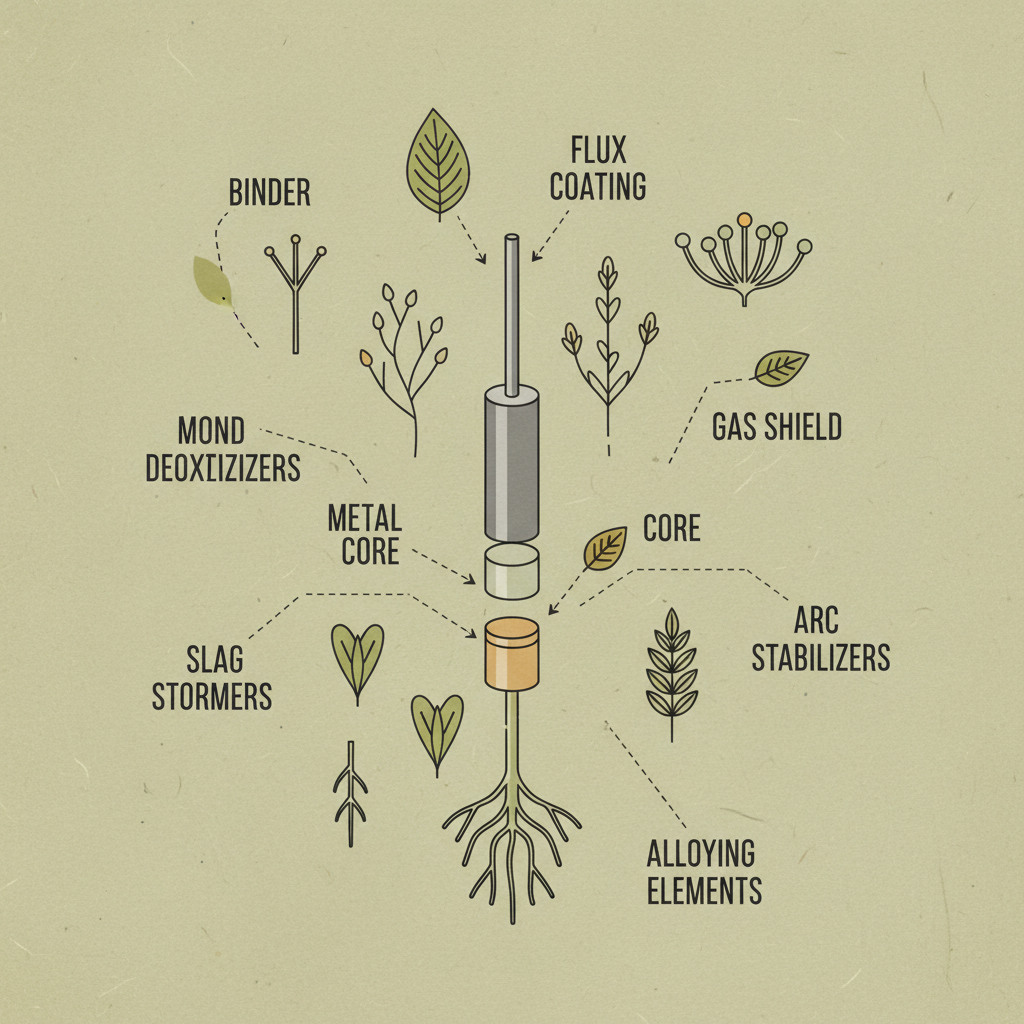
6010 welding rods consist of a metal core, typically low carbon steel, surrounded by a flux coating. The flux coating is a complex mixture of ingredients designed to protect the weld pool from atmospheric contamination, stabilize the arc, and create a protective slag layer. This slag solidifies over the weld and must be chipped away after cooling, revealing the finished weld bead.
These rods are commonly used in Shielded Metal Arc Welding (SMAW), also known as stick welding. The process involves creating an electric arc between the rod and the base metal, melting both and fusing them together. The flux coating decomposes under the heat of the arc, releasing gases that shield the weld pool from oxidation and other atmospheric contaminants.
6010 rods are particularly suited for welding on dirty or rusty surfaces, making them a practical choice in field conditions where thorough surface preparation may not be feasible. Their deep penetration also makes them ideal for welding thicker materials and for applications requiring high joint strength. Their low hydrogen content contributes to creating strong, ductile welds.
Core Attributes of High-Quality 6010 Welding Rods
A key characteristic of high-quality 6010 welding rods is consistent arc stability. A stable arc ensures a smooth, even weld bead and minimizes the risk of defects like porosity or undercut. This consistency is achieved through precise control of the flux coating composition and manufacturing process.
Another vital attribute is good penetration. 6010 rods are designed to deliver deep penetration into the base metal, creating a strong and reliable weld joint. Factors influencing penetration include welding current, arc length, and travel speed.
6010 Welding Rod Performance Metrics
Diverse Applications of 6010 Welding Rods Worldwide
In North America, 6010 rods are extensively used in pipeline welding, structural steel erection, and repair work in the oil and gas industry. Similarly, in Europe, they are common in shipbuilding, automotive manufacturing, and general fabrication.
Across Asia, particularly in rapidly developing countries like China and India, 6010 rods are employed in massive infrastructure projects, including bridge construction, railway development, and power plant construction. In Africa, their affordability and ease of use make them vital for local repairs and small-scale manufacturing operations.
Advantages and Long-Term Value Proposition
The primary advantage of 6010 welding rods lies in their versatility and ability to weld on less-than-ideal surfaces. This reduces preparation time and costs, making them a cost-effective solution for many applications. Furthermore, their forgiving nature makes them suitable for welders of varying skill levels.
The long-term value stems from the durability and reliability of the welds they produce. Properly executed welds using 6010 rods provide structural integrity and contribute to the longevity of the repaired or fabricated structure, minimizing the need for frequent repairs or replacements. This translates to significant cost savings over time.
The widespread availability of these rods, combined with their relatively low price point, further enhances their value proposition, particularly for projects with tight budgets or in remote locations where access to specialized welding equipment may be limited.
Emerging Trends and Future Outlook for 6010 Welding Rods
While advanced welding technologies like Gas Metal Arc Welding (GMAW) and Flux-Cored Arc Welding (FCAW) are gaining traction, 6010 rods are expected to maintain a significant market share due to their cost-effectiveness and versatility. Innovation in flux coating formulations could further enhance their performance characteristics, such as arc stability and weld strength.
The growing emphasis on sustainable practices may also drive demand for eco-friendly 6010 rod formulations, utilizing less harmful materials in the flux coating. Furthermore, integration with digital technologies, such as welding parameter monitoring and data analytics, could optimize welding processes and improve weld quality when using these rods.
The potential for robotic welding applications using 6010 rods is also being explored, offering the possibility of increased automation and efficiency in certain welding tasks. Despite the advancements, 6010 rods remain a staple in numerous industries and applications.
Summary of Challenges and Solutions Related to 6010 Welding Rods
| Challenge |
Impact on Welding Quality |
Potential Solution |
Implementation Cost (1-10) |
| Slag Inclusion |
Weakens weld, reduces ductility |
Thorough slag removal, proper welding technique |
2 |
| Porosity |
Compromises weld strength |
Preheating base metal, reducing arc length |
4 |
| Undercut |
Reduces weld throat thickness |
Proper welding angle and travel speed |
3 |
| Arc Instability |
Irregular weld bead, potential defects |
Maintaining consistent arc length, stable welding current |
5 |
| Difficulty Welding in Windy Conditions |
Arc blow, poor shielding gas coverage |
Shielding from wind, using windbreaks |
1 |
| Moisture Absorption in Flux Coating |
Hydrogen embrittlement, reduced weld quality |
Storing rods in a dry environment, baking rods before use |
2 |
FAQS
6010 rods are designed with a deep-penetrating arc that can burn through surface contaminants like rust and dirt, establishing a solid weld connection. The flux coating creates a shielding gas that minimizes oxidation even on imperfect surfaces. This makes them ideal for field repairs and situations where thorough surface preparation isn’t possible, saving both time and resources.
Yes, 6010 rods are often recommended for beginner welders. Their relatively stable arc and forgiving nature make them easier to control than some other electrode types. They also allow for easy arc restarts, which is helpful for those still developing their technique. However, proper training and safety precautions are always essential when learning to weld.
6010 rods are typically used with a constant current (CC) welding machine, specifically a stick welder. These machines provide the necessary power and control to maintain a stable arc and achieve proper weld penetration. The machine must be capable of delivering the appropriate amperage for the rod diameter and material thickness being welded.
6010 rods should be stored in a dry, sealed container to prevent moisture absorption. Moisture can compromise the flux coating, leading to hydrogen embrittlement and reduced weld quality. If rods have been exposed to moisture, they should be baked at a low temperature (around 200-300°F) for a specified period before use to remove the moisture.
A general guideline for 1/8" 6010 rods is an amperage range of 70-120 amps, depending on the material thickness and welding position. For thinner materials, lower amperage settings are used, while thicker materials require higher amperage. It’s always best to consult a welding chart or experiment on scrap material to determine the optimal amperage for your specific application.
Yes, 6010 rods can be used for overhead welding, but it requires more skill and attention to technique. A lower amperage setting and a short arc length are typically used to prevent the molten metal from sagging or falling. It is important to carefully control the welding speed and ensure adequate slag coverage to protect the weld pool during solidification.
Conclusion
6010 welding rods represent a fundamental element of welding technology, offering a versatile and cost-effective solution for a wide array of applications. From large-scale infrastructure projects to small-scale repairs, their ability to provide reliable welds on various materials, even under less-than-ideal conditions, has established them as an indispensable tool across numerous industries globally. Their ease of use and consistent performance continue to make them a popular choice for welders of all skill levels.
Looking ahead, continued innovation in flux coating formulations and potential integration with digital welding technologies will further enhance the capabilities of 6010 rods. By understanding their strengths, limitations, and proper usage, industries can leverage these rods to improve efficiency, reduce costs, and ensure the structural integrity of critical infrastructure. For more information on 6010 welding rods and other welding solutions, visit our website: www.steeltoolschina.com.