Look, I’ve been running around construction sites for fifteen years, breathing in dust and getting my hands dirty. Lately, everyone's talking about lightweight, high-strength welding rods. It's all the rage, supposedly. To be honest, it’s not always better, you know? People get caught up in the specs, forgetting about what actually works in the field.
And these new alloys… they look good on paper, but have you noticed how some of them just… splatter? It’s a pain to clean up, and frankly, wastes a lot of time. I encountered this at a factory in Zhejiang province last time, whole batches rejected because of excessive spatter. They were using a new titanium alloy rod, trying to be fancy, but it just wasn’t practical.
The biggest issue I see is people overcomplicating things. They want the perfect rod for every situation, forgetting that a good welder with a solid, reliable rod can get the job done. Anyway, I think simple is often best.
The Current Landscape of Welding Rods
The trend right now is definitely towards lower fume emissions and increased productivity. Everyone's chasing that "sweet spot" – a rod that welds fast, produces clean welds, and doesn't leave you coughing up your lungs. Strangely, a lot of the new formulations are more sensitive to surface contamination, which is a problem on a messy construction site.
There's also a push towards more specialized rods for specific materials – stainless steel, aluminum, even some exotic alloys. It’s good to have options, I guess, but it also means carrying more inventory.
Design Pitfalls & Common Mistakes
The biggest mistake I see is trying to engineer a rod that does everything. It’s like trying to build a single tool that can hammer nails, saw wood, and tighten screws. It just doesn’t work. A rod designed for out-of-position welding is going to be different than one designed for flat surfaces. And trying to compromise between the two usually results in a rod that’s mediocre at both.
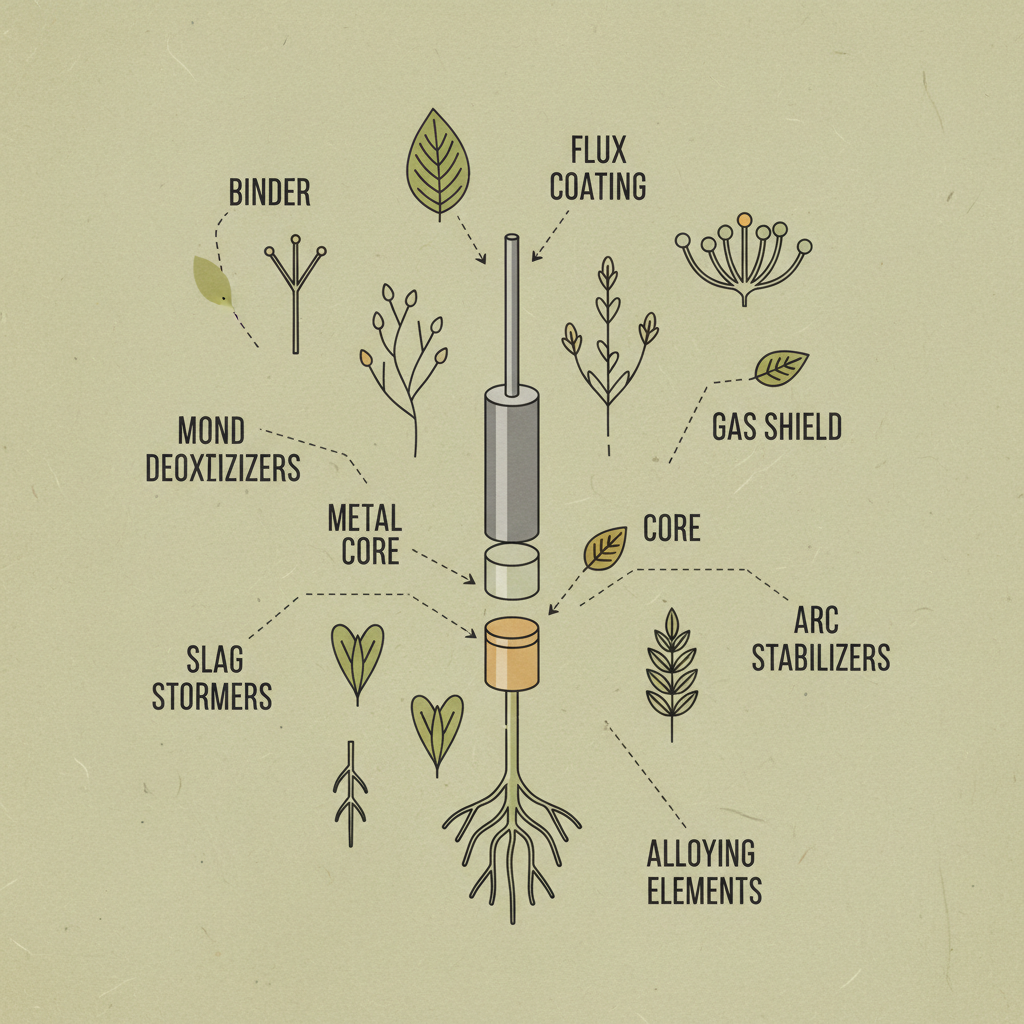
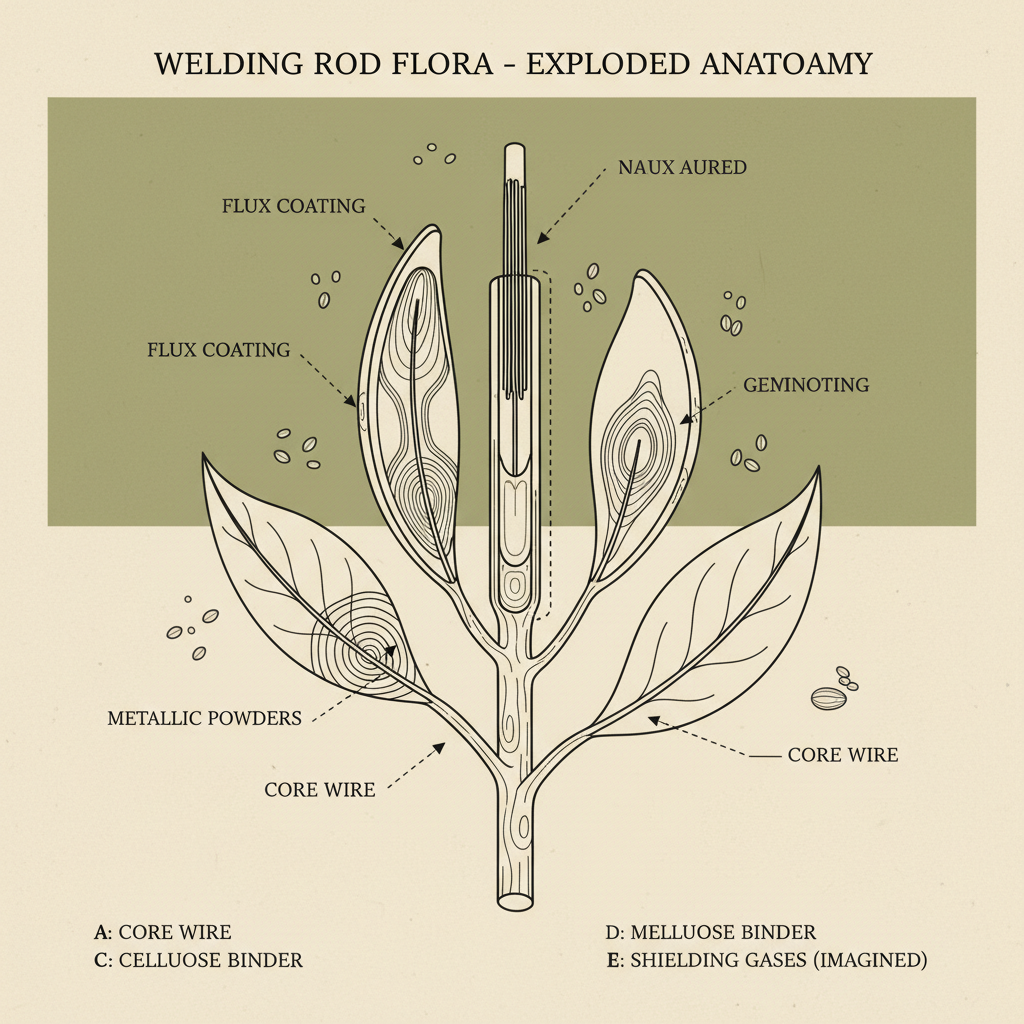
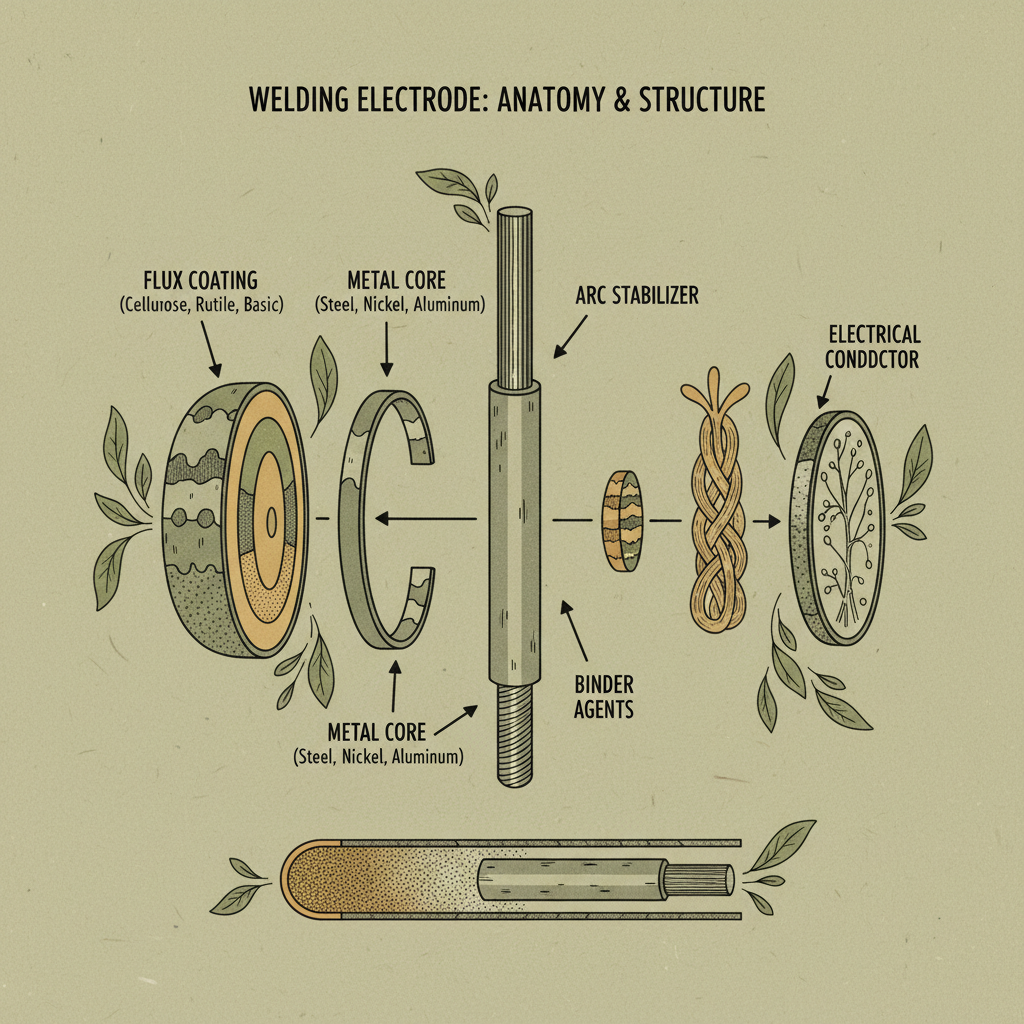
Another thing? Underestimating the importance of flux coating. It’s not just there to protect the weld pool. It influences arc stability, slag removal, and the overall weld quality. A poorly designed flux coating can ruin an otherwise good core wire.
And don't even get me started on the diameter. Too small, and you'll be constantly stopping to reload. Too large, and you'll struggle to control the arc. It’s a balancing act, and it requires experience to get right.
Materials Breakdown: From Steel to Alloys
Let's talk materials. Standard carbon steel rods are still the workhorse for a lot of applications. You can smell 'em, you know? That metallic tang. They're reliable, relatively inexpensive, and easy to use. But they're not ideal for high-strength applications or corrosive environments.
Then you’ve got your low-alloy steels – adding manganese, chromium, nickel. These give you better strength, toughness, and corrosion resistance. They feel a little different, a bit smoother. You can often tell the difference just by handling them. I once spent a whole afternoon sorting rods by feel… don’t ask.
And of course, stainless steel rods. These are more expensive, but they’re essential for applications where corrosion is a major concern. They've got a distinct smell, almost… clean. I've seen some rods that just feel wrong, though – cheap imitations that don't meet the grade. Later… Forget it, I won't mention it.
Real-World Testing & Performance
Forget the lab tests. The real test is on the job site, under real-world conditions. We do bend tests, tensile tests, visual inspections... but honestly, nothing beats just welding a piece of scrap and seeing how it holds up.
We also pay attention to how the rod performs in different positions – flat, horizontal, vertical, overhead. Some rods are great for flat welds but fall apart when you try to weld overhead. We need rods that are versatile and can handle a variety of situations.
Welding Rod Performance Metrics
How Users Actually Utilize Welding Rods
You know, the way welders say they use a rod and the way they actually use it are often different. They'll tell you they follow the manufacturer's recommendations to the letter, but then they'll adjust the amperage based on their gut feeling. It’s all about experience, really.
And they’re always improvising. Using a rod for an application it wasn’t designed for. Making do with what they have on hand. They're resourceful, those guys.
Advantages, Disadvantages, and Customization
The advantages of a good welding rod are obvious: strong, reliable welds, minimal defects, and increased productivity. But even the best rods have their drawbacks. Some are expensive, some are difficult to use, and some just don’t perform well in certain conditions.
We've had requests for custom rods, of course. Last month, that small boss in Shenzhen who makes smart home devices insisted on changing the interface to , and the result was a total disaster. He wanted a rod with a specific alloy composition and a custom flux coating, but it turned out to be too brittle and cracked under stress. Cost him a fortune in rejected parts.
Case Study: The Shenzhen Smart Home Dilemma
This smart home guy, Mr. Li, he’s a stickler for detail. He wanted everything to be perfect, right down to the welding rod. He found some fancy alloy online and demanded we use it, despite my warnings.
He said it would improve the signal strength in his devices. Sounded like a load of nonsense to me, but he was paying the bill. We used the rod, and it looked good at first. But within a week, cracks started appearing in the welds. The whole batch failed quality control.
Turns out the rod wasn't compatible with the base material. It was a classic case of over-engineering. He ended up switching back to a standard carbon steel rod, and everything was fine. Learned his lesson, I guess.
Welding Rod Performance Comparison - Key Characteristics
| Rod Type |
Strength (MPa) |
Corrosion Resistance |
Ease of Use (1-5) |
| E7018 (Carbon Steel) |
400-500 |
Low |
4 |
| E308L (Stainless Steel) |
550-650 |
High |
3 |
| E7014 (Iron Powder) |
420-520 |
Medium |
5 |
| E11018-M (Low Hydrogen) |
500-600 |
Medium |
2 |
| E9018-B3 (High Strength) |
600-700 |
Low |
3 |
| Flux Cored (Gasless) |
450-550 |
Medium |
4 |
FAQS
Look, if you're just starting out, don't try to be fancy. Stick with a good old E7018. It's forgiving, relatively easy to use, and you can find it everywhere. Just don't expect miracles. It's gonna take practice, no matter what rod you use. A lot of people make the mistake of trying to jump to stainless steel or aluminum right away – don't do it. Build a foundation first.
Porosity is a pain, right? Usually it's contamination. Make sure your metal is clean, your rod is dry, and you're using the right amperage. Also, shield that weld pool from the wind. Seriously. A little breeze can ruin everything. If it keeps happening, check the flux coating on the rod – it might be damaged or degraded. And don’t weld over rust, ever.
It's all about the polarity. Some rods need DC positive, some need DC negative, and some can handle AC. Check the manufacturer's instructions. Using the wrong polarity can result in unstable arc, excessive spatter, and poor weld quality. It sounds technical, but it's just a matter of getting the electrons flowing in the right direction.
Keep 'em dry, that’s the key. Moisture is the enemy. Store them in a sealed container, ideally with a desiccant. If they've been exposed to humidity, you need to bake them to dry them out before use. Otherwise, you'll get hydrogen cracking and a whole lot of headaches. Honestly, just buy what you need and use it up. Don’t hoard 'em.
Generally, no. It might seem to work, but you're risking a weak, brittle weld that's prone to failure. Different metals have different chemical compositions and require different welding rods to achieve a strong, reliable bond. Don't cut corners. Use the right rod for the job, or you'll regret it later.
Sticking is when the rod freezes to the workpiece. It usually means your amperage is too low, or you're holding the rod at the wrong angle. Try increasing the amperage and shortening the arc length. If it keeps happening, check the rod for moisture or damage. And for goodness sake, don’t force it! You'll just make things worse. Just tap it with a hammer to break it free.
Conclusion
So, after all this rambling, what's the takeaway? It’s not about finding the perfect welding rod. It’s about understanding the basics, choosing the right rod for the job, and having the skill to use it properly. There's a lot of hype out there, a lot of fancy marketing. But at the end of the day, it's a pretty simple process.
Ultimately, whether this thing works or not, the worker will know the moment he tightens the screw. And if you're looking for quality welding rods, or just want to chat about what's new in the industry, check out welding rod. They’ve got a good selection and they actually know their stuff.