0%

Table of Contents

The 6013 welding rod, a cornerstone of arc welding, plays a vital role in countless industries and applications globally. Its versatility, ease of use, and consistent performance have made it a preferred choice for welders of all skill levels. Understanding the properties and applications of this rod is crucial for maintaining infrastructure, manufacturing goods, and responding to emergency situations worldwide.

From large-scale construction projects to delicate repair work, the 6013 welding rod consistently delivers reliable results. Its widespread availability and affordability further contribute to its importance, particularly in developing nations where access to advanced welding technologies may be limited. The demand for skilled welders proficient in using this rod remains high, underlining its enduring relevance in the modern workforce.

Investing in knowledge about 6013 welding rod – its characteristics, proper techniques, and safety protocols – translates directly into improved quality, efficiency, and safety across a broad spectrum of industries. It empowers individuals and organizations to tackle a diverse range of welding challenges with confidence and precision.
The Versatile 6013 Welding Rod A Comprehensive Guide to Applications and Techniques

The Significance of 6013 Welding Rod

The Versatile 6013 Welding Rod A Comprehensive Guide to Applications and Techniques

The 6013 welding rod stands as a testament to the enduring importance of foundational welding technologies. Its consistent arc stability, smooth operation, and excellent weld appearance contribute to its widespread use across numerous sectors, including construction, automotive repair, and general fabrication. This makes it an indispensable tool for professionals and hobbyists alike.

Beyond its technical capabilities, the 6013 welding rod embodies a cost-effective and accessible solution for joining metals. This is particularly important in regions with limited resources or where advanced welding processes are economically unfeasible. Its forgiving nature also makes it a popular choice for beginners learning the art of welding.

Defining the 6013 Welding Rod

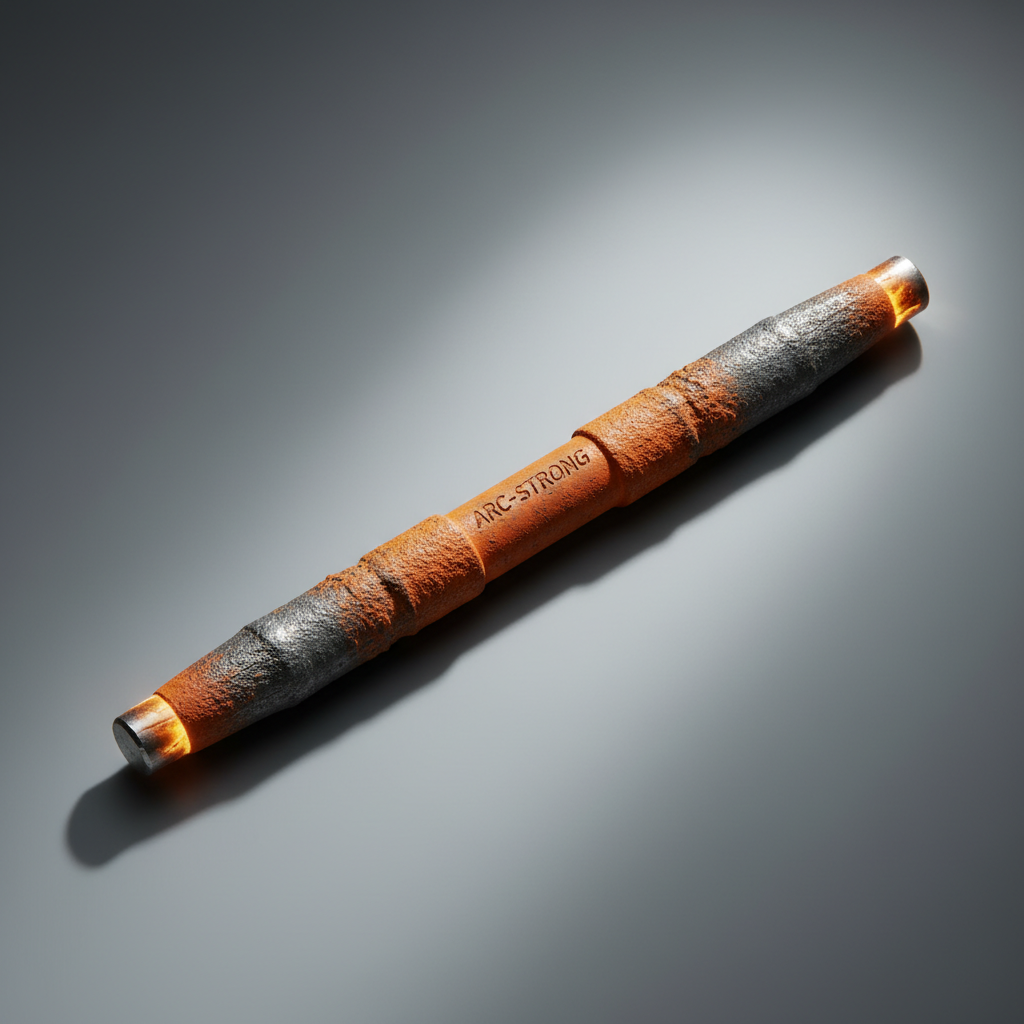
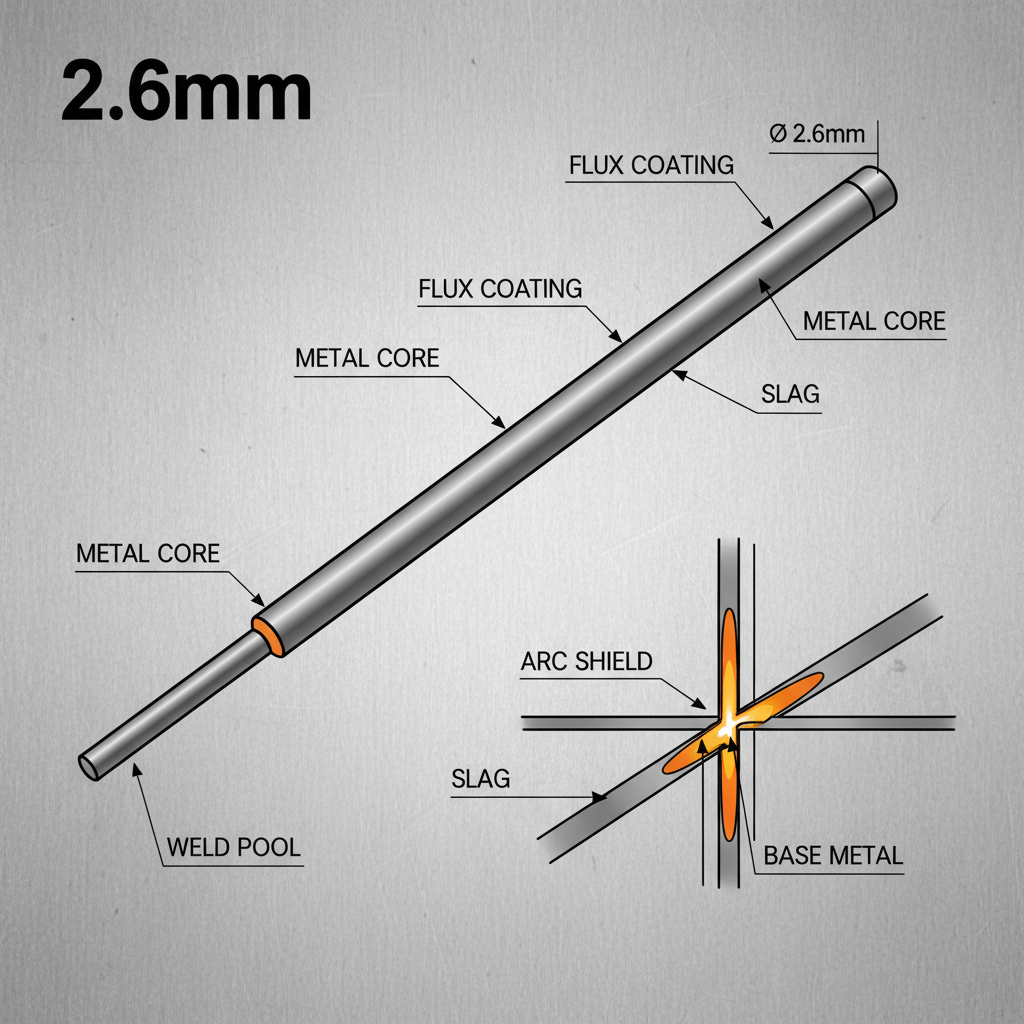
The 6013 welding rod is a coated electrode commonly used in Shielded Metal Arc Welding (SMAW), also known as stick welding. The “6013” designation adheres to AWS (American Welding Society) standards. The '60' indicates a tensile strength of 60,000 PSI, while '13' denotes the welding position and type of coating. Specifically, it's suitable for all positions and utilizes a rutile coating.

Its primary function is to create a strong, reliable weld by establishing an electrical arc between the electrode and the base metal. The rutile coating serves multiple purposes: it provides a stable arc, produces a protective slag layer to shield the weld pool from atmospheric contamination, and contributes to the weld's aesthetic appeal.

Understanding this definition is paramount because it connects directly to modern industry needs. Infrastructure development, manufacturing, and even humanitarian aid operations all rely on the ability to efficiently and effectively join metals, and the 6013 rod offers a dependable solution for a wide range of applications.

Core Characteristics of 6013 Welding Rod

One defining characteristic of the 6013 welding rod is its ease of use. The rutile coating promotes a stable arc and allows for smooth welding, even for beginners. This forgiving nature is a significant advantage when compared to other electrode types that require more precise control and technique. It truly makes it easy to work with.

Another key feature is its versatility. The 6013 rod can be used to weld a variety of mild and low-alloy steels in all welding positions – flat, horizontal, vertical, and overhead. This adaptability makes it a valuable asset in situations where multiple welding positions are required or where the material being welded isn't precisely known.

Finally, its slag characteristics are noteworthy. The slag produced by the 6013 rod is easily removable, reducing post-weld cleaning time and contributing to overall efficiency. The clear visibility of the weld pool, facilitated by the slag’s properties, allows welders to monitor the welding process effectively and ensure weld quality.

Key Performance Indicators of 6013 Welding Rod

Evaluating the performance of a 6013 welding rod requires consideration of several key indicators. Arc stability is crucial, ensuring a consistent and controllable welding process. Weld appearance, specifically the smoothness and uniformity of the bead, reflects the welder's skill and the rod's quality.

Slag removability is another important KPI. Ease of slag removal directly impacts welding time and efficiency. Furthermore, the mechanical properties of the weld, such as tensile strength and ductility, determine its ability to withstand stress and load.

6013 Welding Rod Performance Metrics


Global Applications and Industry Relevance

The 6013 welding rod finds application across a diverse array of industries. In construction, it's used for structural steel erection, pipeline welding, and repair work. The automotive industry utilizes it for chassis repairs, bodywork, and exhaust system fabrication. Manufacturing relies on it for producing metal components and assembling machinery.

In post-disaster relief operations, the 6013 rod’s portability and ease of use make it invaluable for repairing damaged infrastructure and creating temporary shelters. Similarly, in remote industrial zones where access to specialized welding equipment is limited, the 6013 rod serves as a reliable and accessible solution.

Advantages and Long-Term Value Proposition

The primary advantage of the 6013 welding rod lies in its cost-effectiveness. It’s significantly cheaper than many other welding processes, making it accessible to a wider range of users. Its ease of use translates to reduced training costs and increased productivity, further enhancing its value proposition.

From a sustainability perspective, the relatively low energy consumption associated with stick welding, compared to some other methods, contributes to a smaller environmental footprint. The consistent weld quality ensures the longevity of structures and components, reducing the need for frequent repairs or replacements.

Future Trends and Innovation in Welding Technology

While the 6013 welding rod remains a staple, advancements in welding technology are continually emerging. Automation, such as robotic welding systems, is increasing efficiency and precision in large-scale manufacturing. However, the 6013 rod’s simplicity and portability ensure it will continue to be relevant in applications where automation isn’t feasible.

Research into new electrode coatings and alloy compositions promises to enhance weld properties and expand the range of materials that can be joined using SMAW. Furthermore, the integration of digital technologies, such as real-time weld monitoring and data analysis, is improving weld quality control and traceability.

Sustainable welding practices, including the development of eco-friendly electrode coatings and the reduction of welding fumes, are also gaining prominence, shaping the future of the welding industry and potentially influencing the evolution of even established processes like stick welding with 6013 rods.

FAQS

What is the best amperage range for welding with a 6013 rod on 1/8 inch steel?

The optimal amperage range for welding with a 6013 rod on 1/8 inch steel typically falls between 70-90 amps. However, this can vary based on the specific welding machine and desired weld characteristics. It's always recommended to start with a lower amperage and gradually increase it until a stable arc and good weld penetration are achieved. Proper technique and a consistent travel speed are also crucial for producing quality welds.

Can a 6013 welding rod be used to weld rusted metal?

While it’s possible to weld with a 6013 rod on lightly rusted metal, thorough preparation is essential. Remove as much rust as possible with a wire brush or grinder. Welding directly over significant rust can lead to porosity and weak welds. A better approach is to clean the metal thoroughly and consider using a flux-cored arc welding (FCAW) process designed for rusty or dirty steel if the rust is extensive.

What welding positions can I use a 6013 rod in?

One of the greatest advantages of the 6013 rod is its versatility in welding positions. It can be used effectively in all four positions: flat (1G), horizontal (2G), vertical (3G), and overhead (4G). The rod’s stable arc and forgiving nature make it easier to control, especially in out-of-position welds, but proper technique and practice are still necessary to achieve quality results.

How do I prevent porosity when using a 6013 rod?

Porosity, or the presence of gas pockets in the weld, can be minimized by ensuring proper cleaning of the base metal, using a dry electrode (store rods properly to prevent moisture absorption), maintaining a short arc length, and using the correct amperage. Shielding gas from drafts and ensuring proper slag coverage are also critical. If porosity persists, check for contaminants in the base metal or electrode.

What type of steel is best suited for welding with a 6013 rod?

The 6013 rod is primarily designed for welding mild steel and low-alloy steels. It works well with materials such as A36 steel, commonly used in construction, and other general-purpose steel grades. While it can be used on some higher-alloy steels, it’s generally recommended to use electrodes specifically designed for those materials to achieve optimal weld properties.

How should I store 6013 welding rods to maintain their quality?

Proper storage is crucial for maintaining the quality of 6013 welding rods. Store them in a dry, sealed container to prevent moisture absorption. Moisture can lead to hydrogen embrittlement in the weld and create porosity. If you suspect the rods have become damp, it's best to bake them in an oven at a low temperature (around 200-250°F) for an hour or two to dry them out before use. Always follow the manufacturer's recommendations.

Conclusion

In summary, the 6013 welding rod remains a pivotal component of the welding landscape. Its combination of affordability, ease of use, versatility, and reliable performance ensures its continued relevance across diverse industries and applications. From construction and manufacturing to emergency repairs and humanitarian aid, it consistently delivers dependable results.

Looking ahead, understanding the evolving landscape of welding technology – embracing automation, sustainable practices, and digital innovations – will be key to maximizing the value of all welding processes, including those utilizing the 6013 rod. Continued investment in training, research, and responsible electrode management will solidify its position as a foundational tool for welders worldwide. Visit our website at www.steeltoolschina.com to explore a wide range of welding products and solutions.


David Chen

David Chen

David Chen is the North American Sales Manager for Hebei Yujinhong Technology. Based in the US, David is responsible for expanding our presence in the key markets of the USA and Canada. He has a strong background in industrial sales and distribution, having previously worked with leading suppliers of welding
Previous The Vital Role of Welding Rod 2.5mm in Modern Industry and Infrastructure
Next Advancements in mig wire Technology and Practical Welding Considerations