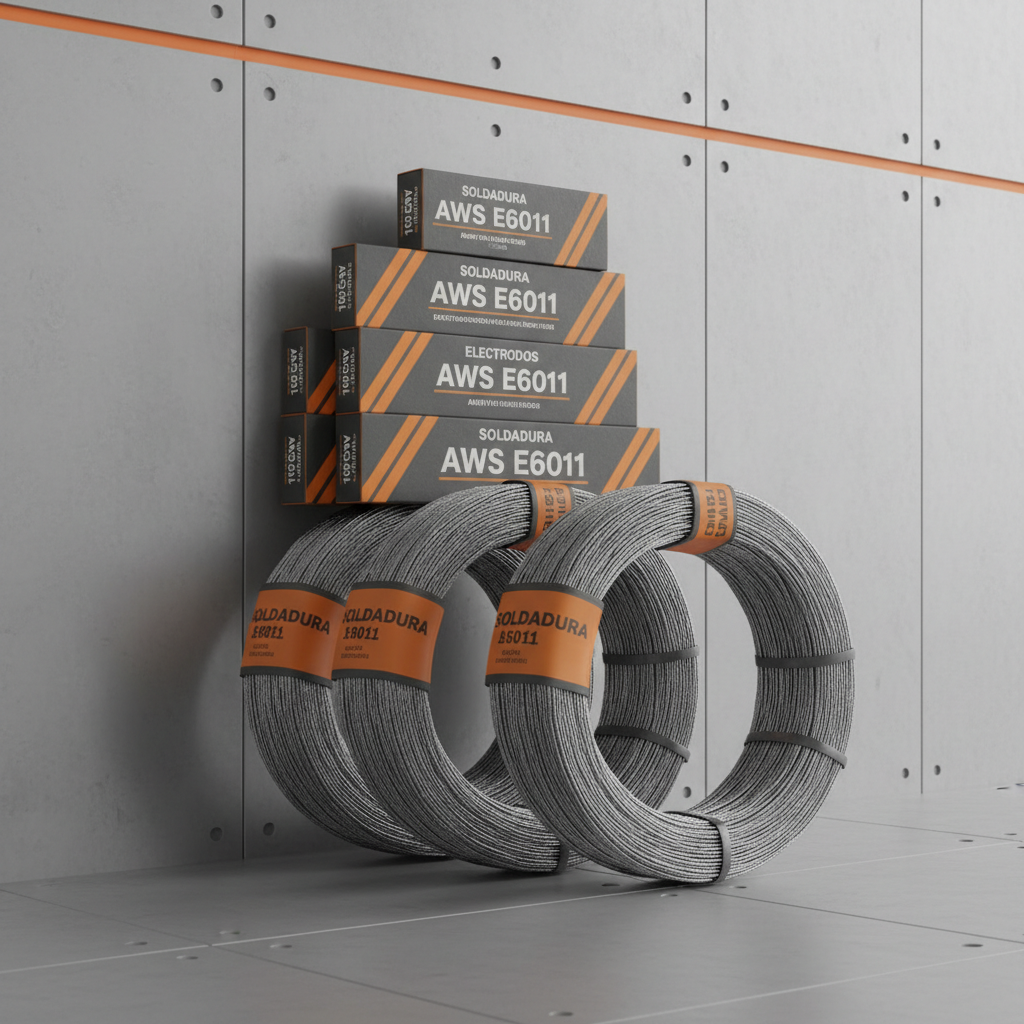
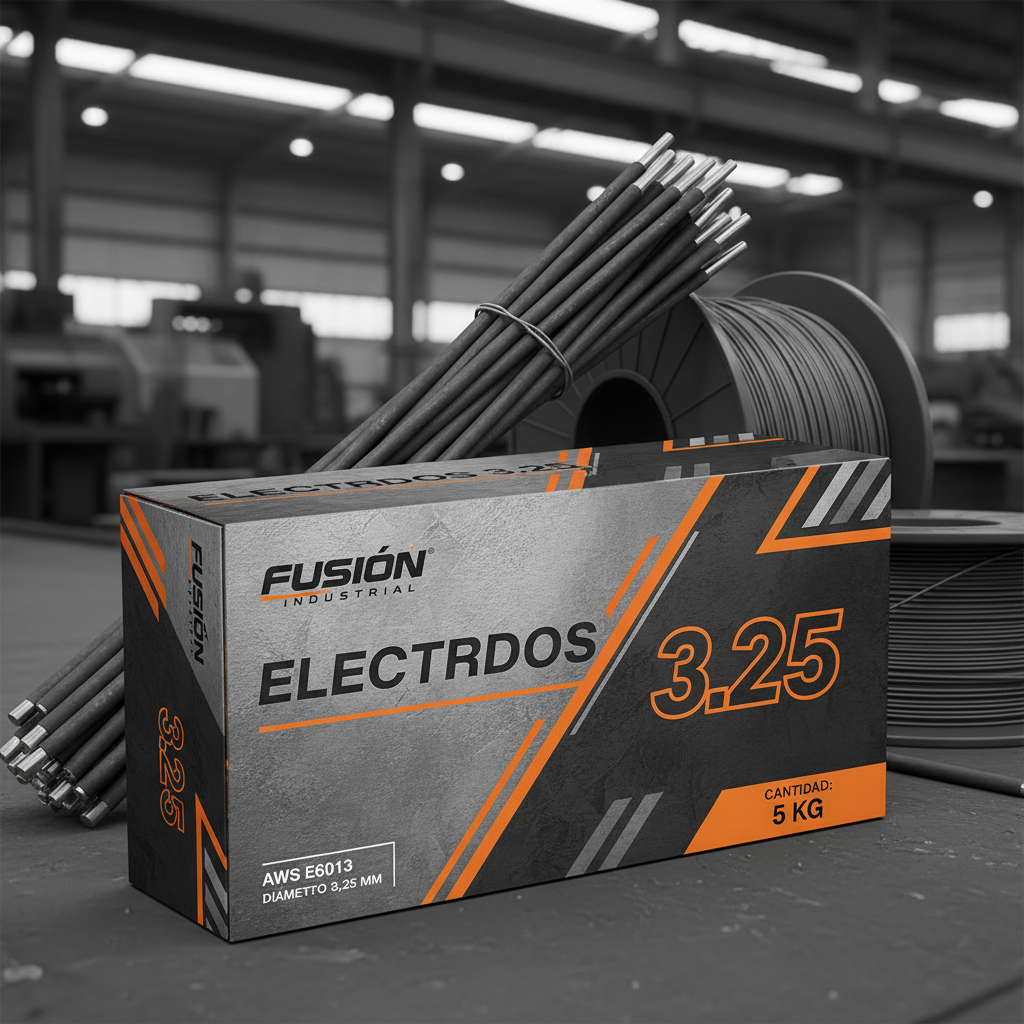
In the demanding world of industrial fabrication, selecting the right consumables is the difference between a structural failure and a lifelong weld. While many beginners look for an electrode welding e6013 for general purpose work, professional engineers often require high-performance options like the E7016 low hydrogen potassium carbon steel electrode to handle medium carbon and low alloy steels. Understanding the distinctions between these specifications ensures that the mechanical integrity of the joint meets international safety standards.
The global demand for precision welding has surged as infrastructure projects in the petroleum, chemical, and shipbuilding industries grow in complexity. Modern welding requires a balance of tensile strength, yield strength, and impact toughness, especially in environments where extreme temperatures or high pressure are present. Using a specialized electrode ensures that the deposited metal maintains its properties without the risk of cracking or porosity.
For those transitioning from a basic electrode welding e6013 to a high-strength E7016, it is essential to recognize that performance comes with specific preparation requirements. The E7016 electrode offers a tensile strength of 470MPa and excellent crack resistance, making it the gold standard for critical pressure vessels and bridges. By mastering these tools, manufacturers can ensure their outputs are not only aesthetically pleasing but structurally superior.
Global Relevance of High-Performance Welding
The global construction and manufacturing landscape relies heavily on the integrity of welded joints. In regions experiencing rapid urbanization or industrial expansion, the move from basic electrode welding e6013 to high-tensile electrodes like E7016 is critical for safety. According to ISO 2560 standards, the ability of a weld to resist cracking under stress is the primary metric for success in heavy-duty engineering.
Across the petroleum and chemical industries, the failure of a single weld can lead to catastrophic environmental and economic disasters. This has led to a global shift toward low-hydrogen potassium carbon steel electrodes, which provide the necessary impact toughness at low temperatures, ensuring that pipelines and pressure vessels remain secure even in the harshest climates.
Defining the E7016 Low Hydrogen Electrode
While an electrode welding e6013 is often termed a "general purpose" rod due to its ease of use and smooth finish, the E7016 (AWS A5.1) is a specialized low-hydrogen potassium carbon steel electrode. It is specifically engineered for welding medium carbon steel and important low alloy steels where high strength and crack resistance are non-negotiable.
The "70" in E7016 indicates a minimum tensile strength of 70,000 psi, while the "16" denotes the coating type and the welding positions it can be used in. Unlike basic rods, the E7016 requires strict adherence to storage and drying protocols to prevent moisture from entering the weld pool, which would otherwise cause hydrogen-induced cracking.
In simple terms, this electrode transforms the welding process from a simple joining task into a precision engineering operation. It is the bridge between basic assembly and heavy-duty structural fabrication, providing the metallurgical stability required for the world's most critical infrastructure.
Core Mechanical Properties and Components
The superior performance of the E7016 over a standard electrode welding e6013 is rooted in its mechanical specifications. It boasts a tensile strength of 470MPa and a yield strength of 390MPa, ensuring that the welded joint can withstand immense loads without permanent deformation.
One of the most critical components is its impact toughness of 100J at -50°C. This ensures that the weld remains ductile and does not become brittle in freezing environments, a property that is far superior to a typical electrode welding e6013. Furthermore, a section elongation of 30% allows the weld to absorb energy and resist sudden fractures.
To achieve these properties, the electrode utilizes a low-hydrogen potassium coating. This chemistry results in a stable arc, minimal spatter, and a weld appearance that is both elegant and professional. However, users must ensure the weldment is cleaned of oil, rust, and moisture to maintain these high-standard mechanical properties.
Practical Application and Welding Positions
Unlike the limited application of some general electrodes, the E7016 is designed for all-position welding, covering PA, PB, PC, PD, PE, and PF. Whether performing a flat fillet weld or a difficult overhead joint, this electrode provides the stability needed to maintain a consistent bead. While a user might start with an electrode welding e6013 for simple tacking, the E7016 is used for the final, load-bearing passes.
The recommended technique for this electrode is short arc welding and narrow pass welding. Both AC and DC currents are compatible, providing flexibility for various power sources in the field. This versatility makes it indispensable for technicians working in remote industrial zones where power stability may vary.
Comparison of Weld Performance: E7016 vs General Rods
Industrial Use Cases and Sector Impact
The application of E7016 extends far beyond what a simple electrode welding e6013 can offer. In the machinery and metallurgy sectors, it is used to fabricate heavy-duty frames and components that must withstand cyclic loading. In the shipbuilding industry, its crack resistance is vital for hulls that face the corrosive and high-pressure environment of the deep ocean.
Furthermore, in the construction of bridges and skyscrapers, the low-hydrogen nature of the E7016 prevents "underbead cracking," a common failure in high-strength steel structures. By ensuring a stable deposited metal mechanic performance, engineers can design thinner, more efficient structures without compromising safety.
Long-Term Value and Reliability
Investing in high-grade electrodes like E7016 provides long-term value through reduced maintenance and increased lifespan of the finished product. While a budget-conscious project might suggest an electrode welding e6013, the risk of future fatigue failure makes the E7016 a more economical choice over a 20-year lifecycle.
Reliability is not just about the metal; it is about the peace of mind that comes from using a manufacturer with 20 years of production experience. Stable product quality and complete testing equipment ensure that every rod meets the promised 470MPa tensile strength, reducing the need for costly X-ray inspections and re-welding.
Ultimately, the trust placed in these electrodes allows for the safe operation of pressure vessels and boilers in the petroleum chemical industry. The ability to resist rust and stomata (porosity) ensures that the structural integrity remains intact regardless of environmental stressors.
Future Trends in Electrode Manufacturing
The future of welding is moving toward "Green Welding" and digital integration. While the electrode welding e6013 remains a staple for workshops, new developments in low-hydrogen coatings are reducing the energy required for drying electrodes, thereby lowering the carbon footprint of the fabrication process.
Automation and robotics are also integrating high-performance electrodes into automated GMAW and SMAW systems. This allows for the precision of E7016 mechanical properties to be applied with the speed of a robot, increasing throughput in the automotive and aerospace sectors.
Additionally, there is a growing trend toward "customized metallurgy," where OEM/ODM services allow manufacturers to tweak the composition of the electrode to match the exact alloy of the base metal. This eliminates the transition period between different welding stages and optimizes the bond at the molecular level.
Analysis of E7016 Mechanical Performance vs. Application
|
Industry Sector
|
Primary Metric
|
E7016 Suitability
|
Risk of Using E6013
|
| Shipbuilding |
Crack Resistance |
Excellent (10/10) |
High risk of brittle fracture |
| Oil & Gas |
Impact Toughness |
High (9/10) |
Poor low-temp performance |
| Bridges |
Tensile Strength |
Critical (10/10) |
Insufficient load capacity |
| Boilers |
Hydrogen Control |
Essential (10/10) |
Hydrogen induced cracking |
| General Fab |
Weld Appearance |
Very Good (8/10) |
None (E6013 is acceptable) |
| Pressure Vessels |
Yield Strength |
Required (10/10) |
Structural deformation risk |
FAQS
The primary difference lies in their application and mechanical properties. An electrode welding e6013 is a general-purpose rod used for light fabrication and smooth finishes. In contrast, E7016 is a low-hydrogen electrode designed for high-strength applications, offering a tensile strength of 470MPa and significantly higher crack resistance, making it suitable for critical structural components like bridges and pressure vessels.
E7016 is a low-hydrogen electrode. If the coating absorbs moisture from the air, the water dissociates in the arc and introduces hydrogen into the weld pool. This can lead to hydrogen-induced cracking (cold cracking), especially in high-strength steels. Drying the rods ensures the weld remains pure and maintains its specified impact toughness and tensile strength.
Yes, the E7016 is designed for all-position welding. This includes PA (flat), PB (horizontal fillet), PC (horizontal), PD (vertical up), PE (overhead), and PF (vertical down). This versatility makes it an excellent choice for field work where the welder cannot always move the workpiece into a flat position.
E7016 is specifically formulated for medium carbon steel and important low alloy steels. Because of its superior mechanical properties and crack resistance, it is the preferred choice for components that will be subjected to high stress or extreme temperatures, where a standard electrode welding e6013 would be insufficient.
Yes, the E7016 low hydrogen potassium carbon steel electrode is compatible with both AC (Alternating Current) and DC (Direct Current) power sources. This flexibility allows manufacturers to utilize a wide range of welding equipment while still achieving high-quality, stable arcs and easy slag removal.
Impact toughness measures the ability of a material to absorb energy and resist fracture. With a rating of 100J at -50°C, E7016 remains ductile even in extreme cold. This prevents the weld from becoming brittle and cracking under stress, which is a critical safety requirement for pipelines and infrastructure in arctic or high-altitude regions.
Conclusion
Selecting the correct welding consumable is a critical engineering decision that directly impacts the safety and longevity of a structure. While the electrode welding e6013 serves as a reliable tool for general utility, the E7016 low-hydrogen potassium electrode is the necessary choice for high-load, high-stress, and low-temperature environments. With its 470MPa tensile strength and exceptional crack resistance, it ensures that the most demanding industrial projects—from ships to pressure vessels—are built to last.
As the industry moves toward more automated and sustainable practices, the importance of utilizing stable, high-quality electrodes becomes even more apparent. We recommend that engineers and procurement specialists prioritize certifications and manufacturer experience to ensure consistency across their supply chain. For professional-grade welding solutions and customized OEM/ODM packaging to suit your brand, visit our website: www.steeltoolschina.com.