In the demanding world of industrial fabrication, selecting the right filler material is the difference between a structural failure and a lifetime of reliability. Among the most trusted options in the industry, the electrode 7018 stands as a gold standard for low-hydrogen applications, ensuring high-strength welds that can withstand extreme stress. Whether in shipbuilding or skyscraper construction, this specific classification provides the mechanical properties necessary for critical joints.
The global demand for high-performance welding consumables has surged as infrastructure projects become more complex and safety regulations more stringent. The move toward tighter ISO and AWS standards means that operators cannot rely on general-purpose rods for load-bearing structures. This is where the precision of the electrode 7018 becomes indispensable, offering a combination of ductility and tensile strength that prevents cracking in heavy-duty steel.
Understanding the nuances of these electrodes allows engineers to optimize their welding processes, reducing the risk of hydrogen-induced cracking. While other rods like the E6011 are prized for deep penetration on rusty surfaces, the electrode 7018 is the primary choice for high-pressure piping and structural steel where weld integrity is non-negotiable.
The Technical Definition of Electrode 7018
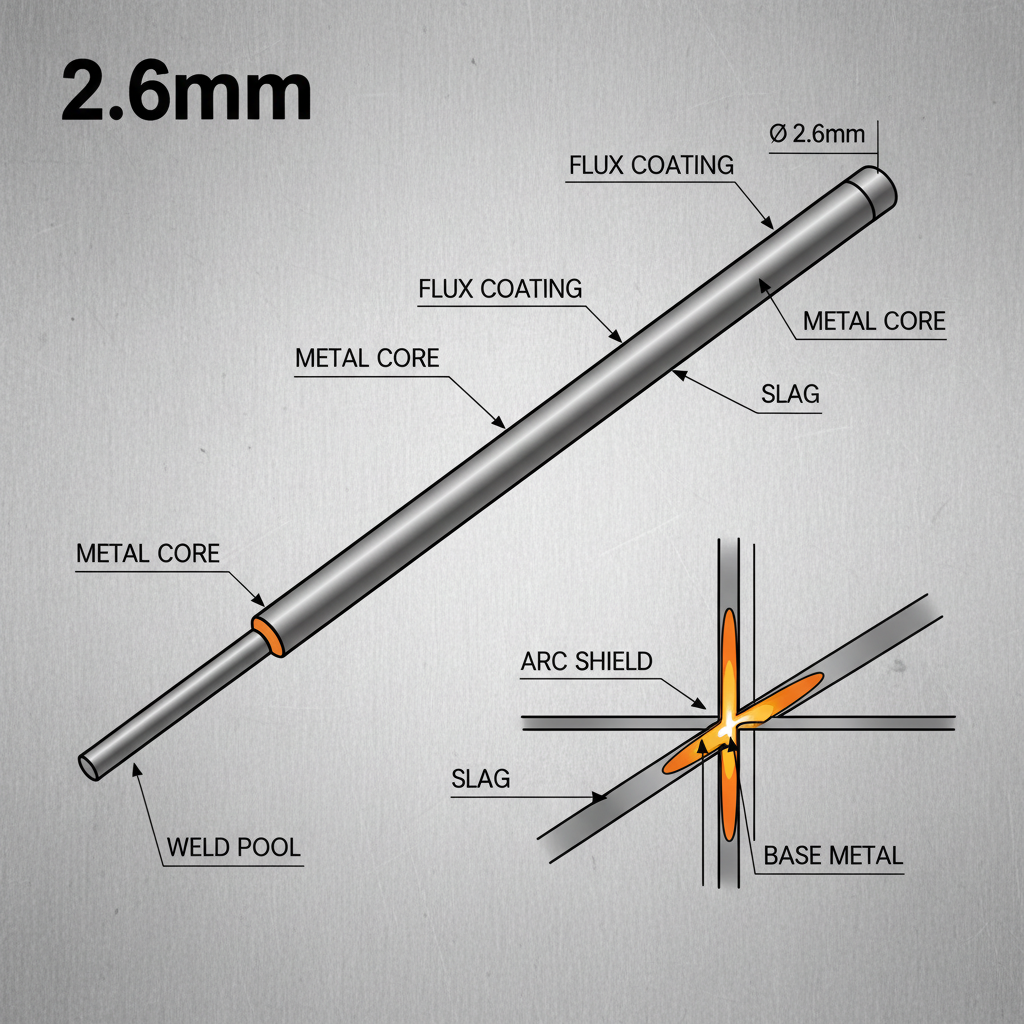
The electrode 7018 is a low-hydrogen, iron-powder coated welding rod designed for high-strength steel applications. The "70" denotes a minimum tensile strength of 70,000 psi, while the "18" indicates that the coating is designed for low-hydrogen deposits and is usable in all positions. This makes it a versatile tool for welders who need to maintain high quality across various joint orientations.
Unlike cellulose-based rods that prioritize penetration, the electrode 7018 focuses on the purity of the weld metal. By minimizing the hydrogen content in the arc, it significantly reduces the likelihood of cold cracking, which is a common failure point in thick-sectioned carbon steels.
Core Components and Low-Hydrogen Chemistry
The effectiveness of the electrode 7018 lies in its sophisticated coating chemistry. The addition of iron powder not only increases the deposition rate—allowing welders to fill gaps faster—but also stabilizes the arc, resulting in a smoother bead appearance and less slag entrapment compared to standard electrodes.
At the heart of its design is the low-hydrogen requirement. Hydrogen is an enemy to high-strength steel, often migrating into the heat-affected zone and causing brittle fractures. The electrode 7018 utilizes specialized coatings that prevent moisture absorption, ensuring that the resulting weld remains ductile and resilient under heavy loads.
Furthermore, the chemical balance of these rods ensures compatibility with a wide range of mild steels and low-alloy steels. This makes them a staple in warehouses and fabrication shops that handle diverse materials, as the electrode 7018 provides consistent mechanical properties regardless of the specific carbon steel grade being joined.
Critical Performance Factors for Industrial Use
When evaluating the performance of the electrode 7018, durability is the primary metric. These electrodes are engineered to produce welds that possess high impact toughness, even at low temperatures. This is critical for infrastructure located in cold climates, where steel becomes more prone to brittle failure.
Cost efficiency is another driving factor. While the electrode 7018 may require more careful storage—such as using rod ovens to keep them dry—the reduction in weld failures and the decrease in necessary grinding/re-work make it more economical over the lifespan of a project.
Scalability in production is also achieved through the high deposition rates associated with the electrode 7018. In large-scale manufacturing, where thousands of linear feet of welding are required, the ability to deposit more metal per hour without sacrificing structural integrity is a significant competitive advantage.
Global Applications and Sector Integration
Across the globe, the electrode 7018 is utilized in the most demanding environments. In the oil and gas sector, it is the preferred choice for pressure vessel fabrication and cross-country pipeline tie-ins, where any leak could lead to environmental disaster. Its ability to pass rigorous X-ray and ultrasonic testing makes it the only viable option for these high-stakes applications.
In the realm of heavy machinery and automotive chassis manufacturing, the electrode 7018 ensures that frames can withstand the constant vibration and cyclic loading of industrial operation. From bridge construction in Southeast Asia to refinery maintenance in the Middle East, this electrode provides a universal language of quality and safety.
Performance Benchmarks for Electrode 7018 Variations
Long-Term Value and Structural Reliability
The long-term value of utilizing the electrode 7018 is measured in the absence of failure. By producing a weld with high ductility, it allows the structure to "give" slightly under stress rather than snapping. This safety margin is priceless in the construction of skyscrapers and bridges, where the dignity and safety of thousands of people depend on the quality of the weld.
Moreover, the reliability of the electrode 7018 fosters trust between contractors and clients. When a project is specified with these electrodes, it signals a commitment to the highest industry standards. This trust leads to faster approvals from regulatory bodies and a stronger professional reputation for the fabrication company.
Future Innovations in Welding Consumables
As we move toward a greener industrial future, the electrode 7018 is evolving. Innovations in coating technology are aiming to reduce the energy required for rod baking while maintaining the strict low-hydrogen parameters. This digital transformation in material science is allowing for more precise control over the chemical composition of each batch.
Automation and robotics are also changing how these electrodes are used. Modern robotic arms can now maintain the precise angle and travel speed required to maximize the efficiency of the electrode 7018, reducing waste and ensuring a perfectly consistent bead across miles of welding.
Sustainability is becoming a core focus, with manufacturers looking for ways to make the production of the electrode 7018 more eco-friendly. By utilizing recycled iron powder and reducing the carbon footprint of the chemical binders, the industry is aligning its high-performance needs with global environmental goals.
Overcoming Common Challenges in Application
One of the primary challenges when using the electrode 7018 is moisture contamination. If the rods are left exposed to the air, they absorb moisture, which introduces hydrogen back into the weld. The expert solution is the strict use of holding ovens at 120-150°C to ensure the rods remain dry and the weld remains low-hydrogen.
Another common issue is slag inclusion, which can occur if the welder does not maintain the correct arc length. Because the electrode 7018 has a heavy iron-powder coating, the slag can occasionally overlap the weld pool. Training welders in the "drag" technique and proper cleaning between passes is essential to overcoming this.
Lastly, managing arc blow can be tricky in certain positions. By adjusting the current or changing the grounding point, operators can stabilize the electrode 7018 arc, ensuring smooth penetration and a flat, aesthetically pleasing fillet weld.
Comparative Analysis of Electrode 7018 Implementation Strategies
| Application Strategy |
Storage Method |
Quality Score (1-10) |
Primary Benefit |
| Strict Oven Control |
150°C Holding Oven |
10 |
Zero Hydrogen Cracking |
| Vacuum Packaging |
Hermetically Sealed |
9 |
Easy Transport |
| Ambient Storage |
Dry Warehouse |
5 |
Low Initial Cost |
| Portable Quivers |
Heated Carry Case |
8 |
Field Mobility |
| Rapid Re-drying |
Flash Heat Treatment |
7 |
Quick Turnaround |
| Hybrid Management |
Bulk Oven + Quivers |
9 |
Balanced Efficiency |
FAQS
The primary difference is the coating and the intended use. Electrode 6011 is a cellulose-type rod designed for deep penetration and fast-freezing, ideal for rusty or dirty steel. In contrast, the electrode 7018 is a low-hydrogen rod designed for high strength, ductility, and X-ray quality welds in clean, structural applications. While 6011 is great for "root passes," 7018 is the standard for "fill and cap" passes in critical joints.
Yes, for high-criticality welds, baking is essential. The low-hydrogen coating of the electrode 7018 is hygroscopic, meaning it absorbs moisture from the air. If welded while damp, this moisture turns into hydrogen gas in the arc, which can lead to hydrogen-induced cracking (cold cracking) in the weld metal. Baking removes this moisture, ensuring the mechanical integrity of the joint.
Most professional-grade electrode 7018 rods are designed for DCEP (DC Electrode Positive) for the best results, but many modern variations are specifically engineered to be usable on AC machines. You should check the manufacturer's specifications on the packaging to confirm if the specific batch is AC-compatible, as this affects the stability of the arc and the penetration depth.
The electrode 7018 uses an iron-powder coating to increase deposition rates. This creates a denser, more protective slag layer that shields the molten pool from atmospheric contamination. While this improves the internal quality of the weld, the slag can be more stubborn. Using a pneumatic chipping hammer or a wire wheel is the recommended way to clean 7018 welds efficiently.
Using excessive current with the electrode 7018 can lead to several issues: increased spatter, a higher risk of undercut, and potentially the burning off of the low-hydrogen coating too quickly. This can compromise the low-hydrogen properties of the weld and lead to a rougher bead surface. It is always best to stay within the recommended amperage range based on the rod diameter.
Signs of contamination usually appear during the welding process. If you experience erratic arc stability, excessive porosity (small holes) in the weld bead, or a "popping" sound during the arc, your electrode 7018 may have absorbed too much moisture. In such cases, the rods should be immediately returned to a baking oven to be re-dried before further use.
Conclusion
In summary, the electrode 7018 is more than just a welding consumable; it is a critical component of structural safety and engineering excellence. By combining high tensile strength with low-hydrogen chemistry and exceptional deposition rates, it allows the modern industry to build safer, stronger, and more durable infrastructure. From the meticulous control of storage temperatures to the precision of the welder's hand, the successful application of this electrode represents the pinnacle of arc welding technology.
Looking forward, the integration of sustainable manufacturing and automated application will only increase the relevance of the electrode 7018. For professionals seeking to elevate their fabrication quality and ensure total compliance with international standards, investing in high-quality low-hydrogen electrodes is the most reliable path. To explore our full range of professional welding solutions, visit our website: www.steeltoolschina.com.