Welding rod manufacturers play a critical role in modern infrastructure and industrial production, providing the essential consumables for joining metals across a vast spectrum of applications. From shipbuilding and automotive manufacturing to pipeline construction and aerospace engineering, these manufacturers are foundational to countless industries globally. Understanding their processes, material innovations, and quality control measures is therefore crucial for ensuring the safety, reliability, and longevity of structures and products we rely on daily. The global demand for high-quality welding rods is continuously increasing, driven by ongoing infrastructure projects and industrial expansion, making this a dynamic and essential sector.
The importance of welding rod manufacturers extends beyond purely economic considerations. Effective welding is vital for ensuring the structural integrity of bridges, buildings, and critical energy infrastructure. Advancements in welding rod technology, such as the development of low-hydrogen electrodes and specialized alloys, directly contribute to safer and more durable constructions. Furthermore, the ability to source reliable welding rods is fundamental for disaster relief efforts and remote construction projects, providing the means to quickly repair infrastructure and build essential facilities.
In an increasingly interconnected world, the efficiency and responsiveness of welding rod manufacturers are paramount. Supply chain disruptions, quality inconsistencies, and the need for specialized welding solutions present ongoing challenges. This article will delve into the intricacies of welding rod manufacturing, exploring key factors, global applications, future trends, and challenges facing this vital industry, highlighting the importance of selecting reputable welding rod manufacturers.
The Core Role of Welding Rod Manufacturers
Welding rod manufacturers are at the heart of the fabrication process, transforming raw materials into the consumables that join the world around us. Their expertise isn't limited to simply producing rods; it encompasses a deep understanding of metallurgy, chemical compositions, and the specific requirements of various welding applications. Reputable welding rod manufacturers invest heavily in research and development, constantly seeking to improve rod performance and expand their product offerings.
The quality of welding rods directly impacts the integrity of welded joints. Poorly manufactured rods can lead to porosity, cracking, and reduced tensile strength, potentially compromising the safety and reliability of structures. Therefore, selecting a manufacturer with a proven track record of quality control and adherence to industry standards is paramount.
Global Significance and Industry Context
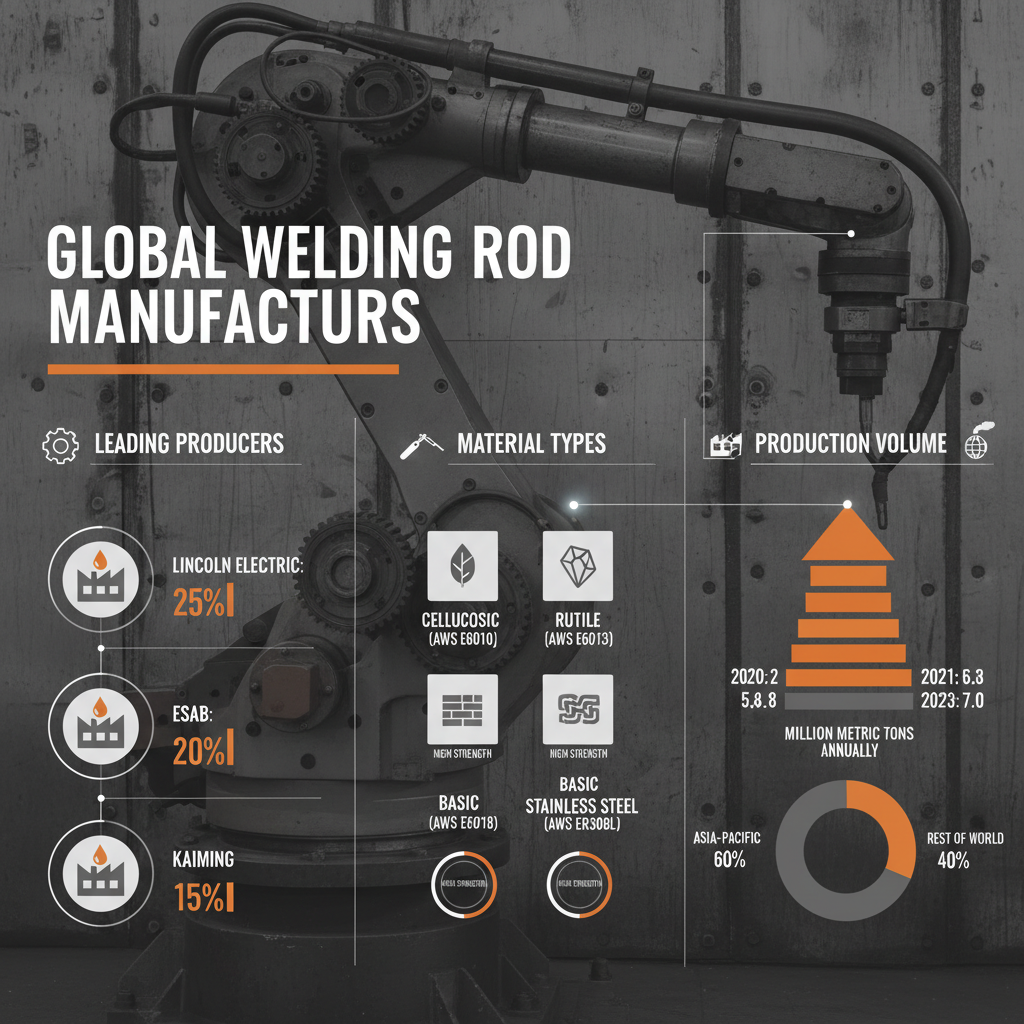
The global welding rod market is a multi-billion dollar industry, intrinsically linked to the health of the construction, automotive, shipbuilding, and energy sectors. According to recent reports, the demand for welding consumables is expected to continue growing at a steady pace, driven by increased infrastructure investment in emerging economies and the demand for lightweight materials in the automotive industry. The UN’s Sustainable Development Goals, particularly those related to infrastructure development, are indirectly fueling this demand.
However, the industry faces challenges, including fluctuating raw material prices, stringent environmental regulations, and the need for continuous innovation to meet evolving application requirements. Supply chain disruptions, as experienced during recent global events, have also highlighted the importance of diversifying sourcing and building resilient supply networks. Consequently, finding dependable welding rod manufacturers is more critical than ever.
The International Organization for Standardization (ISO) plays a key role in setting standards for welding consumables, ensuring consistency and quality across different manufacturers and regions. Adherence to these standards is a crucial indicator of a manufacturer's commitment to excellence and its ability to deliver reliable products.
Defining Welding Rod Manufacturers
Welding rod manufacturers are companies specializing in the production of electrodes, wires, and other consumable materials used in various welding processes. These processes include shielded metal arc welding (SMAW), gas metal arc welding (GMAW), gas tungsten arc welding (GTAW), and flux-cored arc welding (FCAW), each requiring specific types of rods designed for optimal performance.
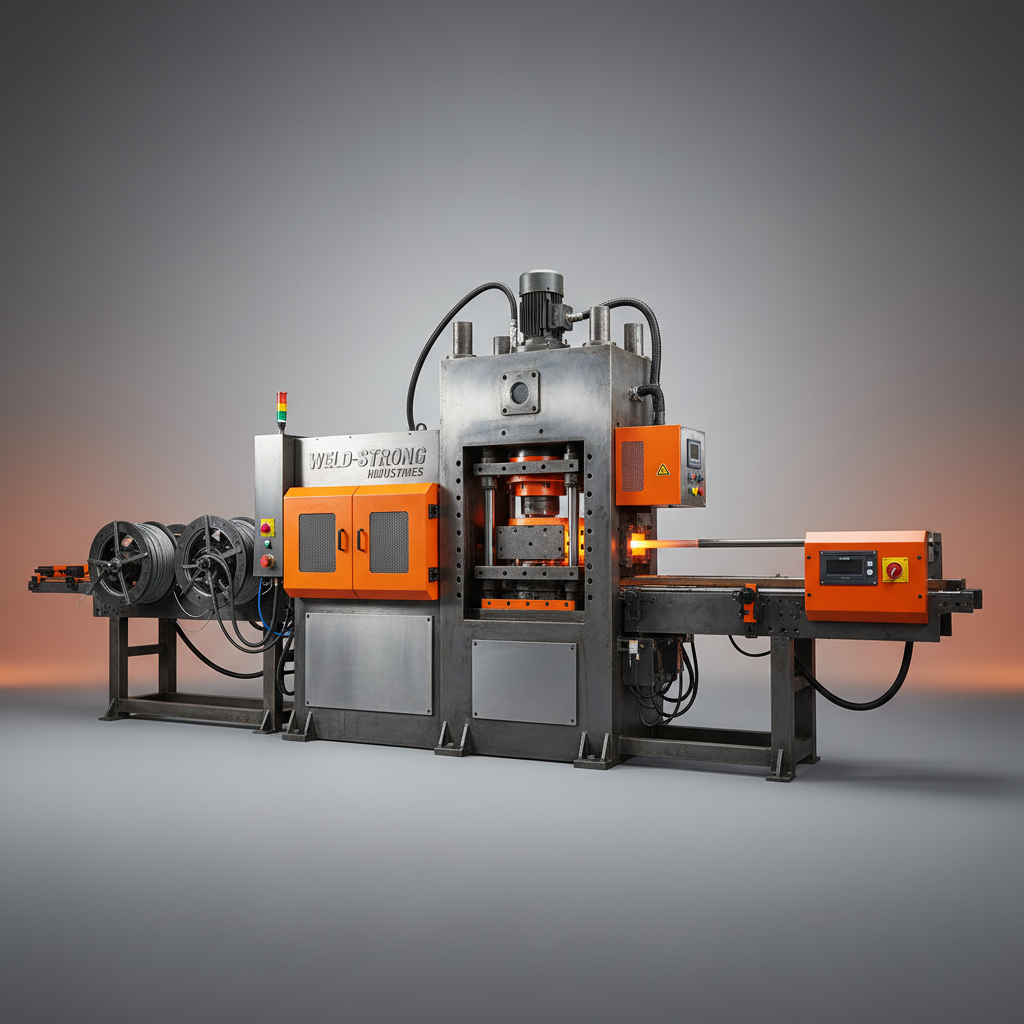
The manufacturing process typically involves carefully selecting and blending raw materials – including metals, alloys, and flux components – followed by drawing, coating, and quality control procedures. Modern welding rod manufacturers employ sophisticated techniques to ensure consistent chemical composition, diameter, and coating thickness, guaranteeing reliable and repeatable welding results.
Their role isn’t merely production; it extends to technical support, assisting customers in selecting the appropriate welding rod for their specific application and providing guidance on welding parameters to achieve optimal joint properties. This close collaboration is vital, particularly in specialized industries where precise welding requirements are critical.
Key Aspects of Quality Welding Rods
Several key factors determine the quality and performance of welding rods. These include durability, ensuring the rod can withstand the stresses of the welding process without breaking or spattering; and versatility, encompassing the rod's ability to be used in various positions and on different types of metal.
Another crucial aspect is weldability, referring to the ease with which a rod can create a sound, defect-free weld. This is heavily influenced by the rod’s chemical composition and coating. Finally, consistency is paramount; high-quality welding rod manufacturers maintain rigorous quality control standards to ensure each rod meets precise specifications.
Welding Rod Performance Metrics
Applications Across Industries and Regions
Welding rod manufacturers serve a remarkably diverse range of industries. In the construction sector, they are essential for building bridges, skyscrapers, and other large-scale infrastructure projects. The automotive industry relies on them for assembling vehicle frames and bodies, while the shipbuilding sector utilizes specialized rods for joining massive steel plates.
In remote industrial zones, such as oil and gas pipelines, access to reliable welding rods is crucial for maintaining and repairing critical infrastructure. Even in post-disaster relief operations, welding rods are vital for quickly repairing damaged structures and restoring essential services. Geographically, the demand is highest in regions undergoing rapid industrialization and infrastructure development, such as Asia-Pacific, the Middle East, and parts of Africa.
Advantages and Long-Term Value Proposition
Choosing high-quality welding rods from reputable welding rod manufacturers offers significant advantages. These include reduced welding defects, increased joint strength, and improved overall product reliability. This translates directly into cost savings by minimizing rework, reducing maintenance requirements, and extending the lifespan of welded structures.
Beyond the economic benefits, there are also important safety and sustainability considerations. Stronger, more durable welds enhance structural integrity, reducing the risk of catastrophic failures. Furthermore, advancements in welding rod technology are leading to more environmentally friendly solutions, such as low-fume and low-spatter rods.
The long-term value extends to building trust with clients and partners, establishing a reputation for quality, and fostering innovation in fabrication processes.
Future Trends and Emerging Innovations
The welding rod industry is undergoing a period of rapid innovation. One key trend is the development of advanced high-strength, low-alloy (HSLA) welding rods, designed to meet the demands of increasingly sophisticated engineering applications. Automation and digital control are also playing a growing role, with manufacturers incorporating sensors and data analytics to optimize rod production and quality control.
Another significant area of development is the focus on sustainability. Manufacturers are exploring the use of recycled materials and developing eco-friendly coatings to reduce the environmental impact of welding processes. Furthermore, research into alternative energy sources for welding, such as solar and wind power, is gaining momentum.
The integration of artificial intelligence (AI) and machine learning (ML) is poised to revolutionize the industry, enabling predictive maintenance, automated defect detection, and personalized rod recommendations based on specific welding parameters.
Summary of Key Future Trends in Welding Rod Manufacturing
| Trend Category |
Description |
Impact on Welding Rod Manufacturers |
Adoption Timeline |
| Advanced Materials |
Development of HSLA and other specialized alloys. |
Requires investment in new research and development capabilities. |
2-5 years |
| Automation |
Implementation of automated production lines and quality control systems. |
Increases efficiency and reduces labor costs. |
1-3 years |
| Sustainability |
Use of recycled materials and eco-friendly coatings. |
Enhances brand image and reduces environmental impact. |
Ongoing |
| Digitalization |
Integration of sensors, data analytics, and AI into production processes. |
Enables predictive maintenance and optimized quality control. |
3-7 years |
| Additive Manufacturing |
Using 3D printing to create custom welding rods for niche applications. |
Offers greater flexibility and customization options. |
5+ years |
| Supply Chain Resilience |
Diversifying sourcing and building robust supply networks. |
Mitigates risks associated with disruptions. |
Ongoing |
FAQS
When choosing a welding rod manufacturer, prioritize factors such as product quality certifications (ISO compliance is a good indicator), the range of products offered to meet your specific needs, their technical support capabilities, lead times, and price competitiveness. A strong reputation and positive customer reviews are also crucial. Selecting a reliable welding rod manufacturer will ensure consistent weld quality and reduce potential issues.
Different welding rod classifications, like E6010, E7018, and others, denote specific chemical compositions, tensile strengths, and welding characteristics. E6010 is often used for root passes due to its deep penetration, while E7018 provides excellent ductility and is suitable for multi-pass welds. Understanding these differences is vital for selecting the rod that best matches your welding application and the base metal being joined.
Before using welding rods, inspect the packaging for damage and ensure it's properly sealed to prevent moisture absorption. Check the rods for rust, cracks, or any other visible defects. If the rods have been exposed to moisture, they may need to be re-dried according to the manufacturer's recommendations to prevent hydrogen embrittlement. Reliable welding rod manufacturers often provide clear guidelines on storage and handling.
The coating on a welding rod plays a crucial role in several aspects of the welding process. It provides a shielding gas during welding, protecting the molten weld pool from atmospheric contamination. It also stabilizes the arc, adds alloying elements, and controls the slag formation. Different coatings are designed for specific welding applications and base metals, impacting weld quality and mechanical properties.
Porosity, or gas bubbles trapped within the weld, can be minimized by ensuring proper pre-cleaning of the base metal, using dry welding rods, maintaining a consistent arc length, and employing appropriate welding parameters (voltage, amperage, travel speed). Low-hydrogen welding rods are particularly effective in reducing porosity. Consult the welding rod manufacturer's specifications for optimal settings.
Sustainable practices in welding rod manufacturing are increasingly focused on utilizing recycled materials in the rod composition, developing eco-friendly coatings that reduce fumes and spatter, and implementing energy-efficient production processes. Manufacturers are also exploring ways to reduce waste and improve packaging materials. A commitment to sustainability is becoming a key differentiator in the industry.
Conclusion
In conclusion, welding rod manufacturers are vital components of modern industry and infrastructure, responsible for providing the consumables that underpin countless applications. Their commitment to quality, innovation, and sustainability is paramount for ensuring the safety, reliability, and longevity of welded structures. Understanding the key aspects of welding rod selection, proper usage, and emerging trends is crucial for professionals across a wide range of sectors.
Looking ahead, continued investment in research and development, coupled with a focus on digitalization and sustainable practices, will drive further advancements in welding rod technology. By partnering with reputable welding rod manufacturers and embracing these innovations, we can unlock new levels of efficiency, performance, and environmental responsibility in the world of welding.