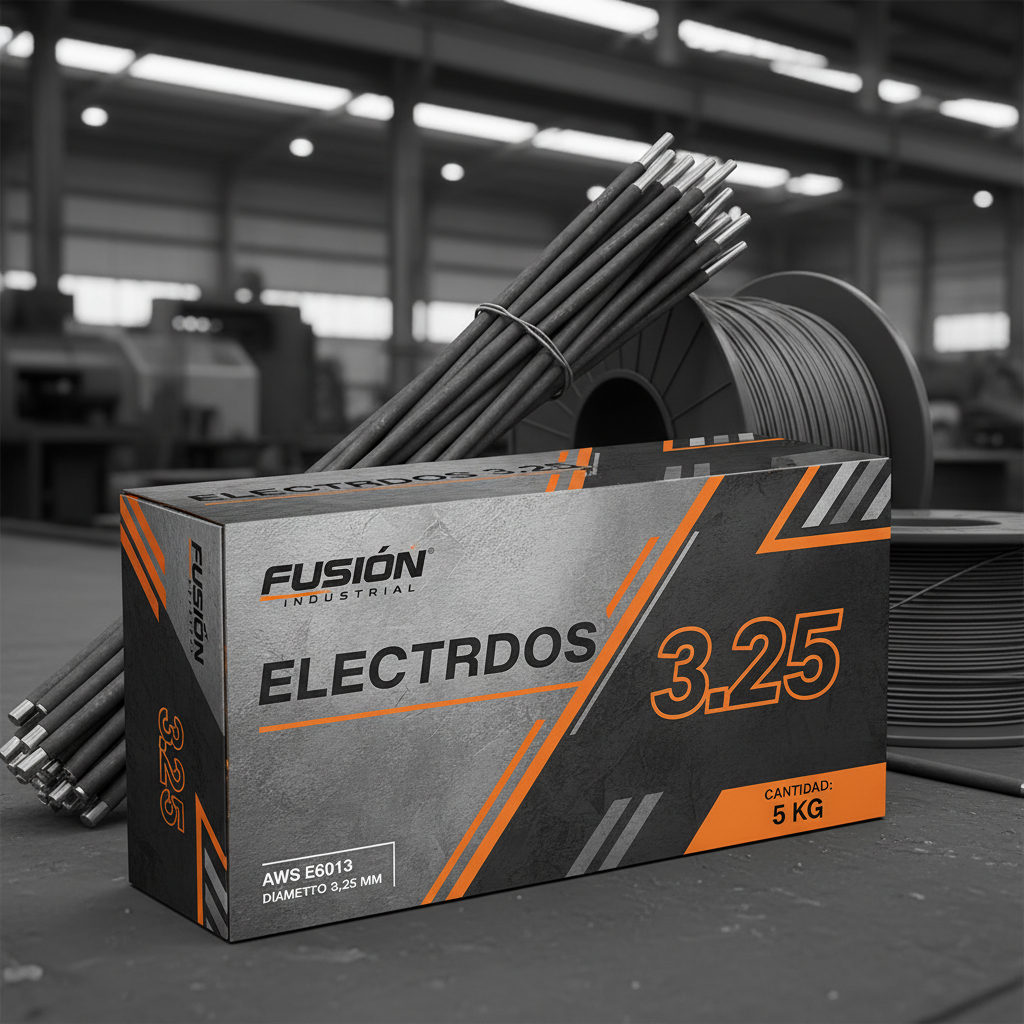
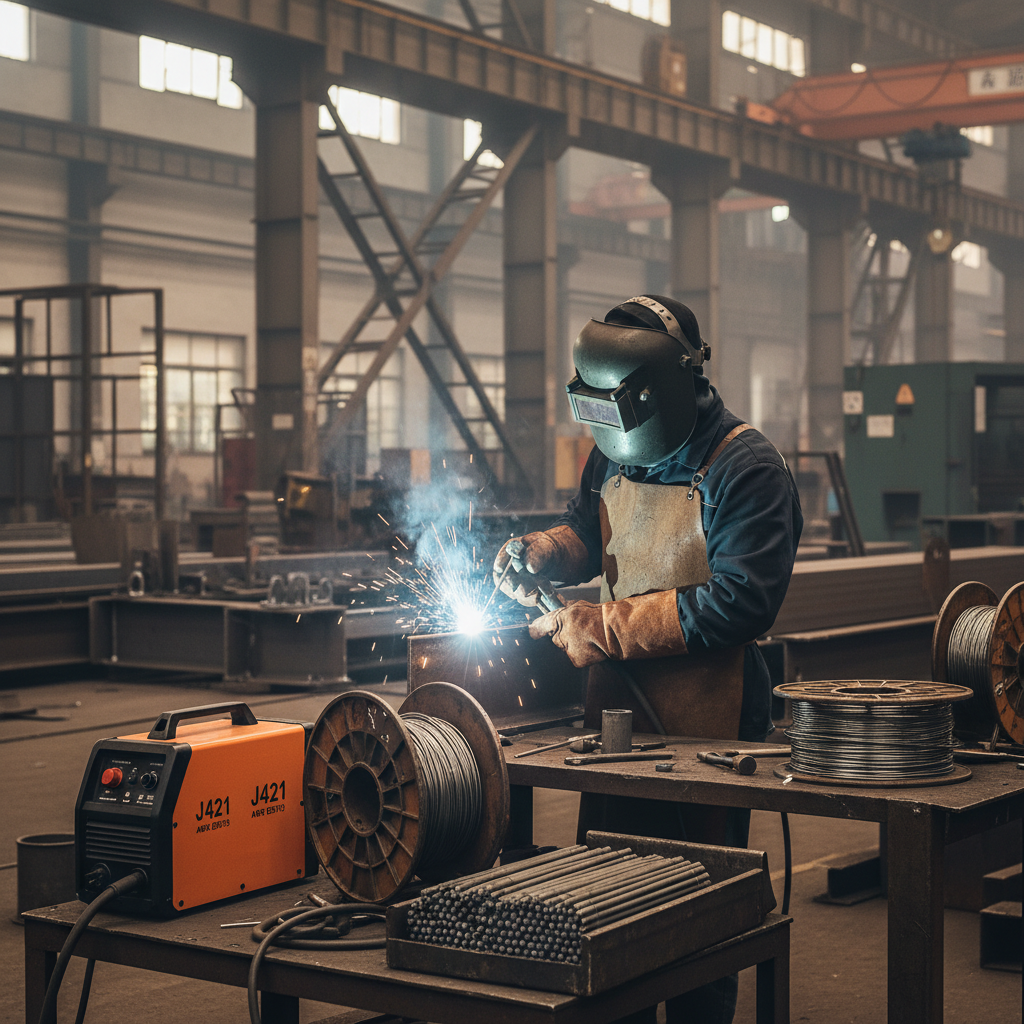
The welding rod e7018 is a cornerstone of modern welding, relied upon across a vast spectrum of industries for its versatility and dependability. From critical infrastructure projects to intricate fabrication work, this specific type of shielded metal arc welding (SMAW) electrode plays a vital role. Understanding its properties, applications, and potential future developments is crucial for professionals and enthusiasts alike, ensuring safe, efficient, and high-quality welding practices.
Globally, demand for welding consumables, including the welding rod e7018, is intrinsically linked to economic growth, infrastructure development, and manufacturing output. The UN projects significant urbanization in the coming decades, driving demand for construction and maintenance of buildings, bridges, and transportation systems—all heavily reliant on welding. Moreover, the ISO standards governing welding quality ensure that materials like the e7018 electrode meet consistent performance criteria worldwide.
A significant challenge facing industries reliant on welding is the need for skilled labor. The availability of qualified welders who can correctly utilize the welding rod e7018 is diminishing in many regions, necessitating increased training and investment in automated welding solutions.
Introduction to welding rod e7018
The welding rod e7018, often simply referred to as a “7018 rod,” is a low-hydrogen, iron powder electrode used in the Shielded Metal Arc Welding (SMAW) process. Its designation indicates a tensile strength of approximately 70,000 PSI and suitability for all-position welding. This versatility makes it a favorite among welders tackling diverse projects.
Its widespread adoption is attributed to its ability to produce high-quality welds with excellent ductility and toughness, even in challenging conditions. The low hydrogen content minimizes the risk of hydrogen-induced cracking, a common issue in high-strength steels. This makes the welding rod e7018 particularly valuable in applications where structural integrity is paramount.
Defining welding rod e7018
The welding rod e7018 is a consumable electrode coated in flux. The flux coating serves multiple crucial functions: it shields the weld pool from atmospheric contaminants like oxygen and nitrogen, it provides elements to deoxidize the weld metal, and it forms a slag layer that protects the cooling weld from rapid oxidation. The 'e7018' designation is governed by AWS (American Welding Society) standards.
This electrode is fundamentally connected to ensuring the structural integrity of countless modern constructions. From pipelines transporting vital resources to the steel frameworks of skyscrapers, the reliable performance of welding rod e7018 is essential. Its consistent quality contributes directly to the safety and longevity of infrastructure worldwide.
Beyond construction, the welding rod e7018 finds critical applications in the repair and maintenance of industrial machinery, pressure vessels, and even naval vessels, highlighting its importance in sustaining essential services and industries.
Key Characteristics of welding rod e7018
One of the defining characteristics of the welding rod e7018 is its low-hydrogen content. This is achieved through a specialized manufacturing process that minimizes moisture absorption during storage and welding. Low hydrogen levels are critical for preventing hydrogen embrittlement, a phenomenon that can lead to weld cracking, particularly in high-strength steels.
Another key aspect is its all-position capability. The carefully formulated flux allows for stable arc characteristics in flat, horizontal, vertical, and overhead welding positions. This flexibility significantly expands the range of applications where the welding rod e7018 can be effectively utilized.
Furthermore, the rod exhibits excellent weldability, offering a smooth and consistent arc with minimal spatter. This contributes to a cleaner weld appearance and reduces the amount of post-weld cleanup required, increasing efficiency and reducing costs. It also has good penetration capabilities, critical for strong, reliable joints.
Performance Metrics of welding rod e7018
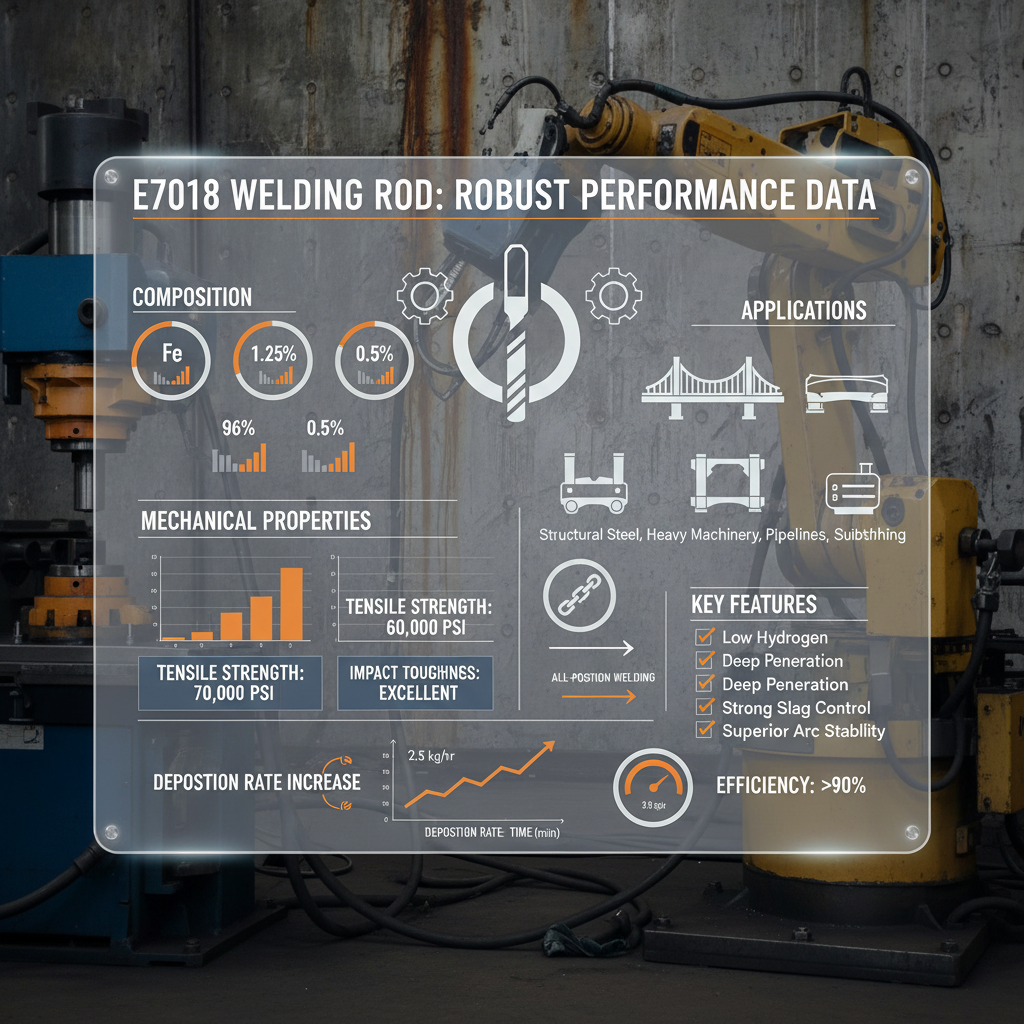
Evaluating the performance of the welding rod e7018 requires considering several key metrics. Tensile strength, yield strength, and elongation are critical indicators of the weld metal's mechanical properties, dictating its ability to withstand stress and deformation.
Impact toughness, measured using Charpy V-notch testing, assesses the weld's resistance to brittle fracture, particularly at low temperatures. A higher impact toughness indicates a more robust weld capable of withstanding harsh conditions. The chemical composition of the weld metal, including carbon, manganese, and silicon content, also influences its properties.
welding rod e7018 Performance Comparison
Applications of welding rod e7018
The welding rod e7018 finds extensive application in the construction of pipelines used for transporting oil and gas, where the integrity of the weld is crucial for preventing leaks and ensuring safe operation. It’s also a primary choice in shipbuilding for hull construction and repair, demanding high strength and corrosion resistance.
In the manufacturing sector, the welding rod e7018 is used in the fabrication of heavy equipment, machinery frames, and structural components. Furthermore, in post-disaster relief operations, its versatility makes it invaluable for repairing damaged infrastructure and constructing temporary shelters.
Benefits and Value of using welding rod e7018
Employing the welding rod e7018 translates to significant cost savings through reduced rework and improved weld quality. Its all-position capability streamlines welding processes, reducing labor time and increasing productivity. Furthermore, the low-hydrogen nature of the electrode minimizes the risk of costly weld failures and repairs.
Beyond economic benefits, the use of welding rod e7018 promotes safety by producing reliable, high-strength welds that can withstand demanding conditions. It enhances sustainability by extending the lifespan of structures and equipment, reducing the need for frequent replacements. Ultimately, it fosters trust in the integrity of welded joints, ensuring peace of mind for engineers and end-users alike.
Future Trends in welding rod e7018 Technology
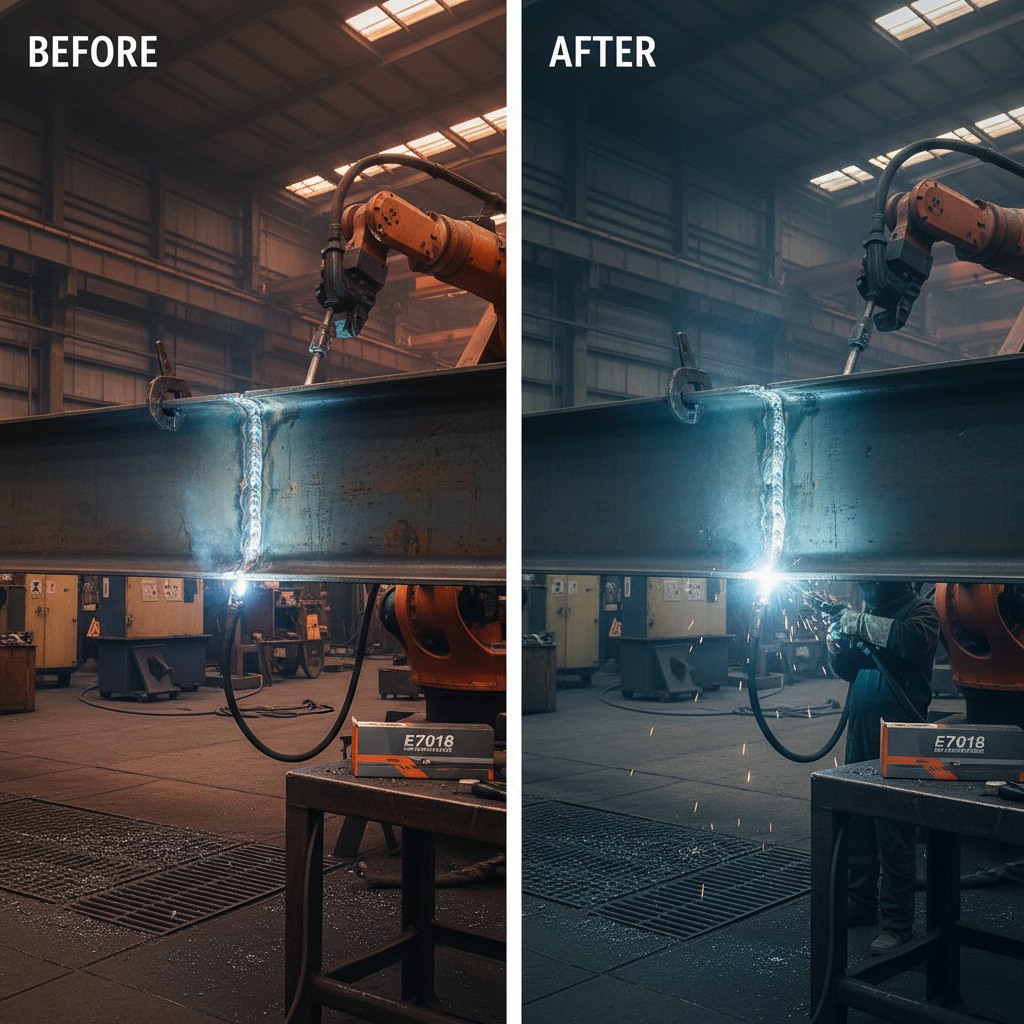
Ongoing research and development are focused on enhancing the welding rod e7018 through improved flux formulations, leading to even lower hydrogen levels and enhanced weld metal properties. Automation and robotic welding systems are increasingly being integrated with e7018 electrodes, improving consistency and reducing labor costs.
The drive towards sustainable welding practices is also influencing the development of new electrode coatings that minimize environmental impact. The incorporation of nanotechnology may lead to electrodes with improved arc stability and enhanced weld metal characteristics. Developments in green energy infrastructure projects will continue to drive the demand for high-quality welding consumables like welding rod e7018.
Digitalization is also playing a role, with data analytics used to optimize welding parameters and predict weld quality, ensuring consistent performance and minimizing defects.
FAQS
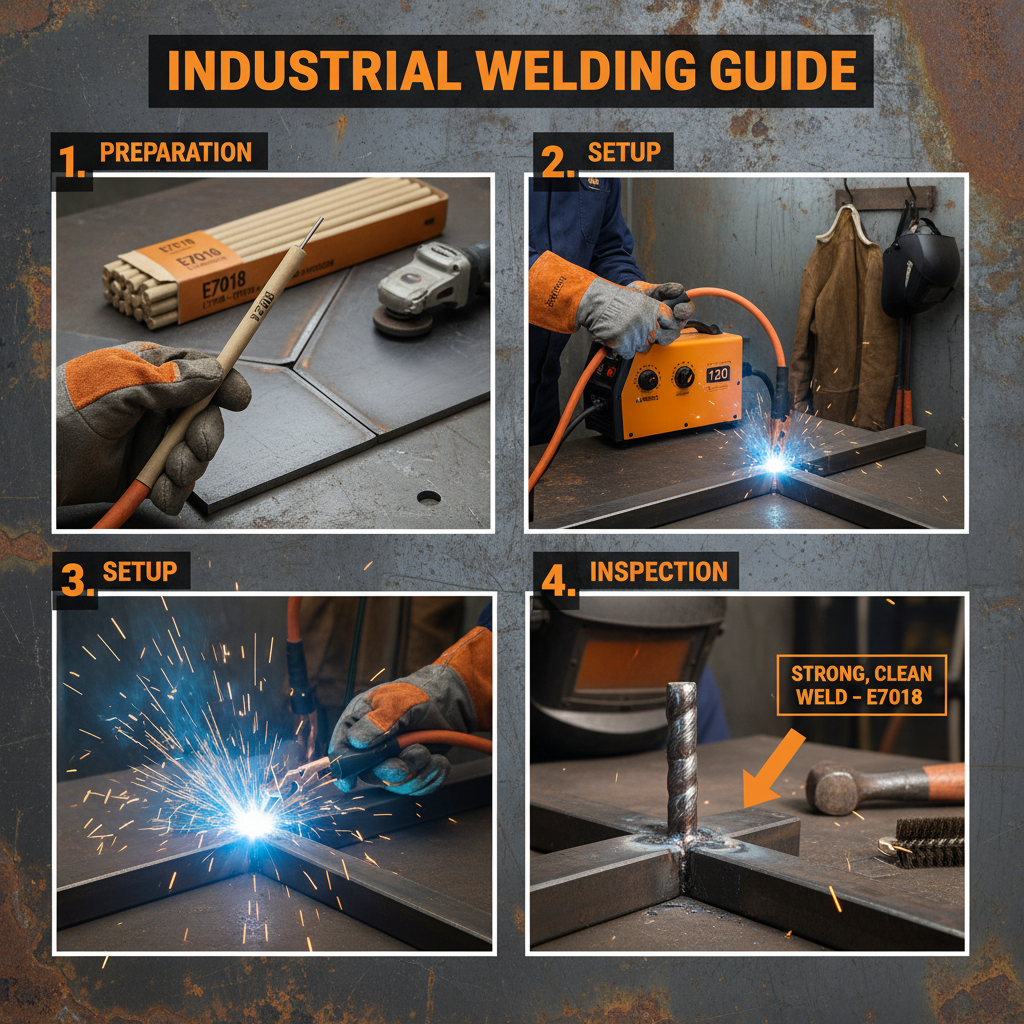
The drag technique is generally recommended for welding rod e7018. This involves moving the electrode slightly behind the arc, which helps to maintain a stable arc and ensure adequate penetration. Maintaining a short arc length (around 1/8 inch) and a consistent travel speed are also crucial for achieving high-quality welds.
welding rod e7018 is hygroscopic, meaning it readily absorbs moisture from the air. Store unused rods in a tightly sealed container, preferably a dedicated electrode oven, maintained at around 120-150°F (49-66°C). If rods have been exposed to humidity, it’s crucial to re-dry them before use to prevent hydrogen-induced cracking.
The appropriate amperage range for welding rod e7018 varies depending on the electrode diameter and welding position. Generally, for a 1/8-inch electrode, the amperage range is typically between 70-100 amps. Always consult the manufacturer’s specifications for the specific rod you are using and adjust accordingly to achieve optimal weld quality.
welding rod e7018 is exceptionally versatile and works well with various low-carbon and medium-carbon steels, including A36, A53, and API 5L. It’s also suitable for welding certain alloy steels. It’s important to verify the compatibility of the electrode with the base metal before beginning any welding operation.
Visual inspection can provide clues. If the flux coating appears discolored or flaky, it suggests moisture absorption. More definitively, a quick test involves striking an arc – if it sputters excessively or produces a rough weld, the electrode is likely contaminated. Always prioritize using dry electrodes for consistent, high-quality welds.
Always wear appropriate personal protective equipment (PPE), including a welding helmet with a proper shade lens, welding gloves, a fire-resistant jacket, and safety glasses. Ensure adequate ventilation to avoid inhaling welding fumes. Be mindful of fire hazards and have a fire extinguisher readily available. Also, avoid welding on painted or coated surfaces without proper preparation.
Conclusion
The welding rod e7018 remains a foundational element in countless welding applications globally. Its versatility, high-quality weld characteristics, and cost-effectiveness make it an indispensable tool for industries ranging from construction and manufacturing to oil and gas. Understanding its properties and proper utilization is crucial for ensuring structural integrity, safety, and long-term reliability.
As technology evolves, continued advancements in flux formulations, automation, and sustainable practices will further enhance the performance and environmental responsibility of welding rod e7018. Investing in training, adopting best practices, and embracing innovation will be key to maximizing its benefits and addressing the challenges of a dynamic global landscape. Visit our website: www.steeltoolschina.com