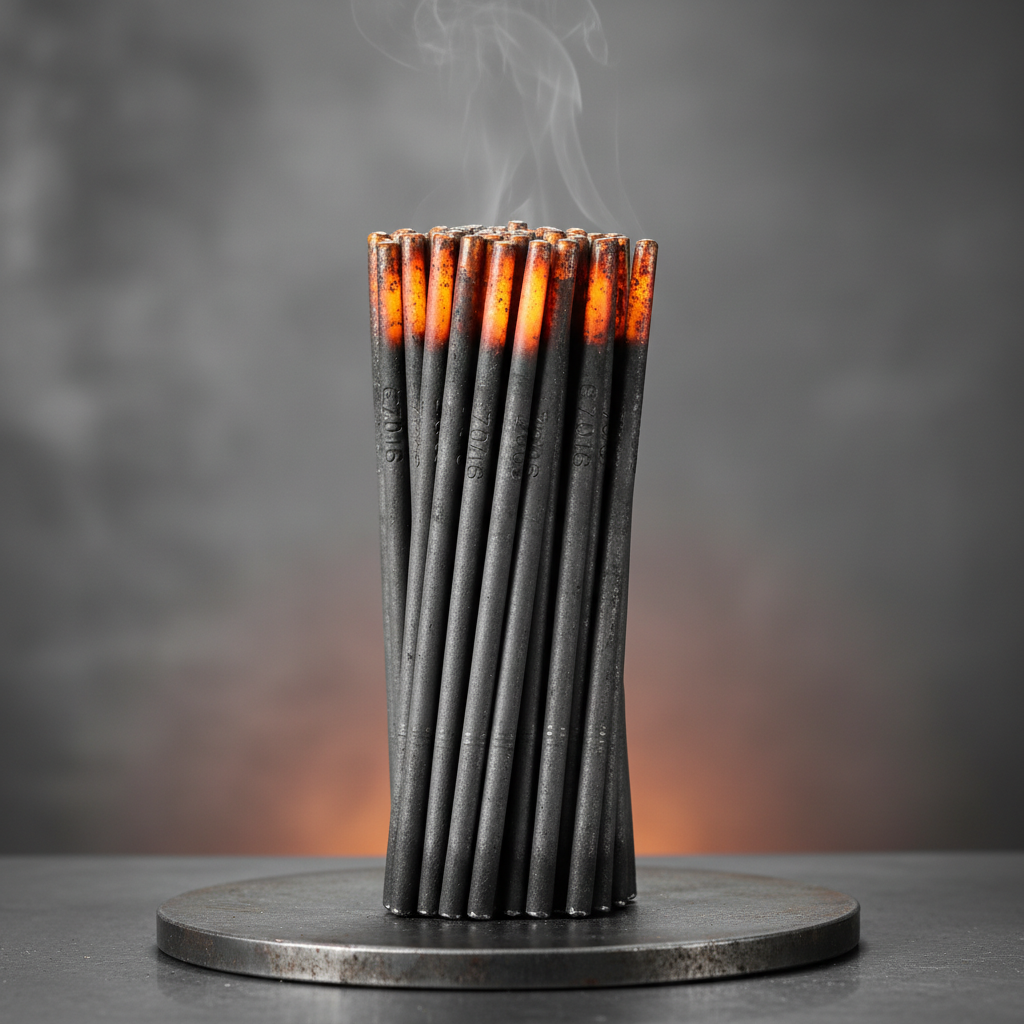
The e7016 welding rod, a cornerstone of arc welding technology, plays a vital role in industries ranging from construction and shipbuilding to pipeline maintenance and repair. Its versatility and ability to produce high-quality welds in various positions have made it a globally recognized and relied-upon material. Understanding its properties and applications is crucial for professionals and enthusiasts alike.
Globally, demand for welding consumables like the e7016 welding rod is consistently high, fueled by infrastructure development and industrial growth. According to the World Steel Association, global steel production reached approximately 1.831 billion tonnes in 2023, with a significant portion requiring welding for fabrication and assembly. This underscores the continuous need for reliable welding solutions.
The e7016 welding rod addresses the challenge of creating strong, ductile, and radiographically sound welds, even on contaminated or rusty surfaces. Its low-hydrogen properties mitigate the risk of hydrogen-induced cracking, making it suitable for critical applications where weld integrity is paramount. It’s a material frequently used where precise, reliable welding is non-negotiable.
Understanding the Fundamentals of e7016 Welding Rod
The designation ‘e7016’ is a classification under the AWS (American Welding Society) standards. The ‘E’ signifies an electrode for shielded metal arc welding (SMAW). The ‘70’ represents the tensile strength in thousands of pounds per square inch (psi), meaning this rod can produce welds with a minimum tensile strength of 70,000 psi. The ‘1’ indicates that it can be used in all positions – flat, horizontal, vertical, and overhead.
This particular rod is a low-hydrogen type, meaning it's manufactured with a low moisture content and utilizes a specific flux coating to further minimize hydrogen introduction during welding. Hydrogen can lead to brittle welds prone to cracking, so this is a vital characteristic, particularly for high-strength steel applications.
Defining e7016 Welding Rod and its Significance
The e7016 welding rod is a covered arc welding electrode, renowned for its ability to deliver robust and reliable welds on various ferrous metals, including mild steel, low alloy steels, and cast iron. Its low-hydrogen content and smooth arc characteristics make it a favorite among welders for critical joints requiring high ductility and toughness.
This electrode connects directly to modern industrial processes, providing the means to join structural components in buildings, bridges, and pressure vessels. It’s also integral to maintaining and repairing vital infrastructure, contributing directly to safety and longevity.
Beyond industry, the e7016 rod plays a role in humanitarian efforts. In disaster relief scenarios, its portability and ability to weld on less-than-ideal surfaces make it invaluable for rapid repairs to damaged infrastructure and equipment.
Core Characteristics of the e7016 Welding Rod
Low Hydrogen Content: This is arguably the most defining characteristic. The flux coating contains components that react with moisture to form water vapor, which is then released during welding, preventing hydrogen embrittlement.
All-Position Capability: The e7016 rod can be used effectively in all welding positions – flat, horizontal, vertical up, and overhead – making it highly versatile. The flux formulation contributes to its good arc stability in all positions.
Smooth Arc Characteristics: The rod produces a smooth, stable arc that is easy to control, even for less experienced welders. This contributes to consistent weld quality and reduced spatter.
Practical Applications Across Industries
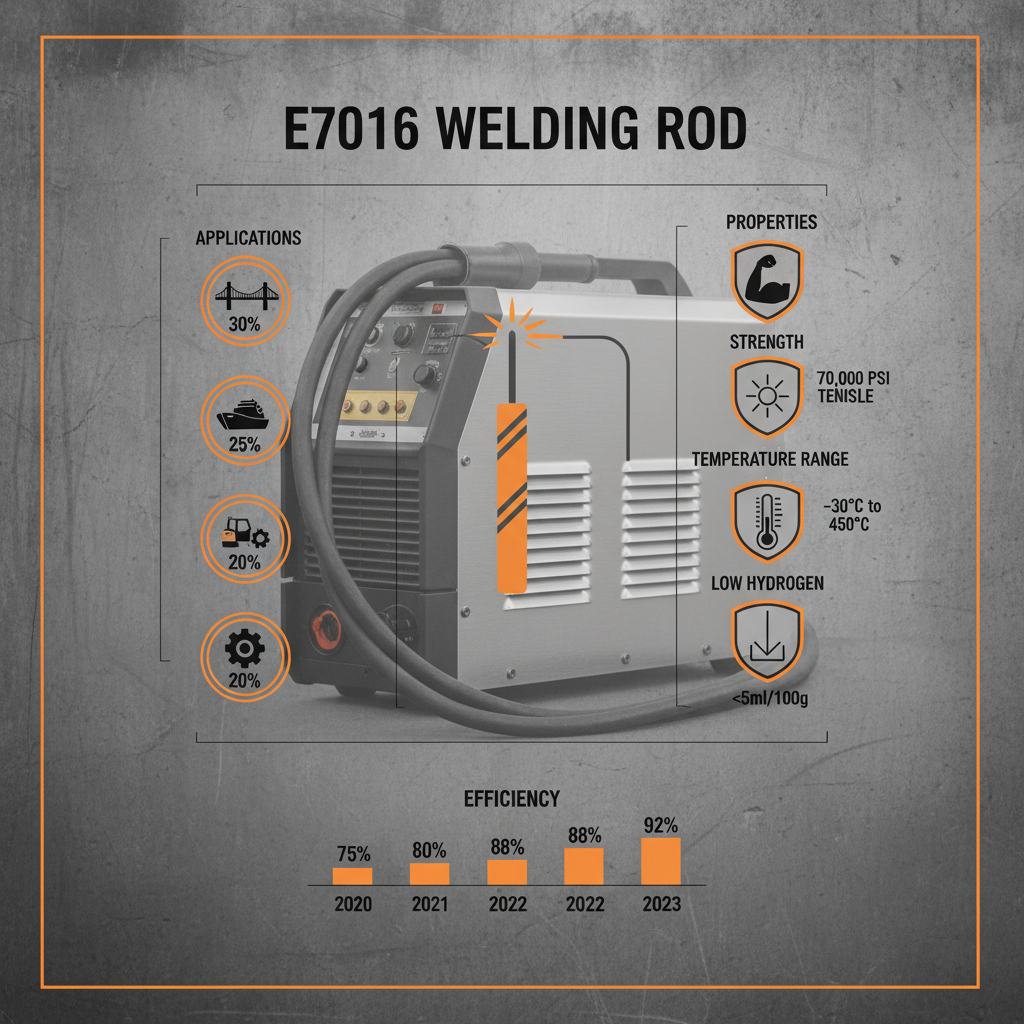
The versatility of the e7016 welding rod is reflected in its wide-ranging applications. In the construction industry, it's used for structural steel erection, bridge fabrication, and building repairs. Its ability to weld on slightly rusty or dirty surfaces makes it ideal for field repairs.
The shipbuilding sector utilizes this rod for hull construction and repair, benefiting from its high tensile strength and ductility. Pipeline construction and maintenance also rely heavily on e7016 rods for joining and repairing pipe sections, particularly in demanding environments.
e7016 Welding Rod Application by Sector
Global Applications and Use Cases of e7016 Welding Rod
In post-disaster relief operations, such as earthquake recovery, e7016 welding rods are frequently used to quickly repair damaged steel structures, providing a crucial lifeline for affected communities. Their ability to weld on less-than-ideal surfaces is a significant advantage in these scenarios.
In remote industrial zones, like oil and gas installations in challenging environments, the e7016 rod is preferred for pipeline welding and maintenance due to its reliability and low-hydrogen properties, minimizing the risk of cracking in harsh conditions.
The Advantages and Long-Term Value Proposition
The tangible benefits of using e7016 welding rods are numerous. From a cost perspective, they are relatively affordable compared to other specialized welding electrodes, offering a good balance between price and performance. The consistent weld quality translates to reduced rework and improved project timelines.
Beyond the economic advantages, the safety and reliability offered by low-hydrogen welding are paramount. This contributes to a more durable and longer-lasting infrastructure, reducing the need for frequent repairs and replacements. The peace of mind knowing a strong, reliable weld is in place is invaluable.
Future Trends and Innovation in e7016 Welding Rod Technology
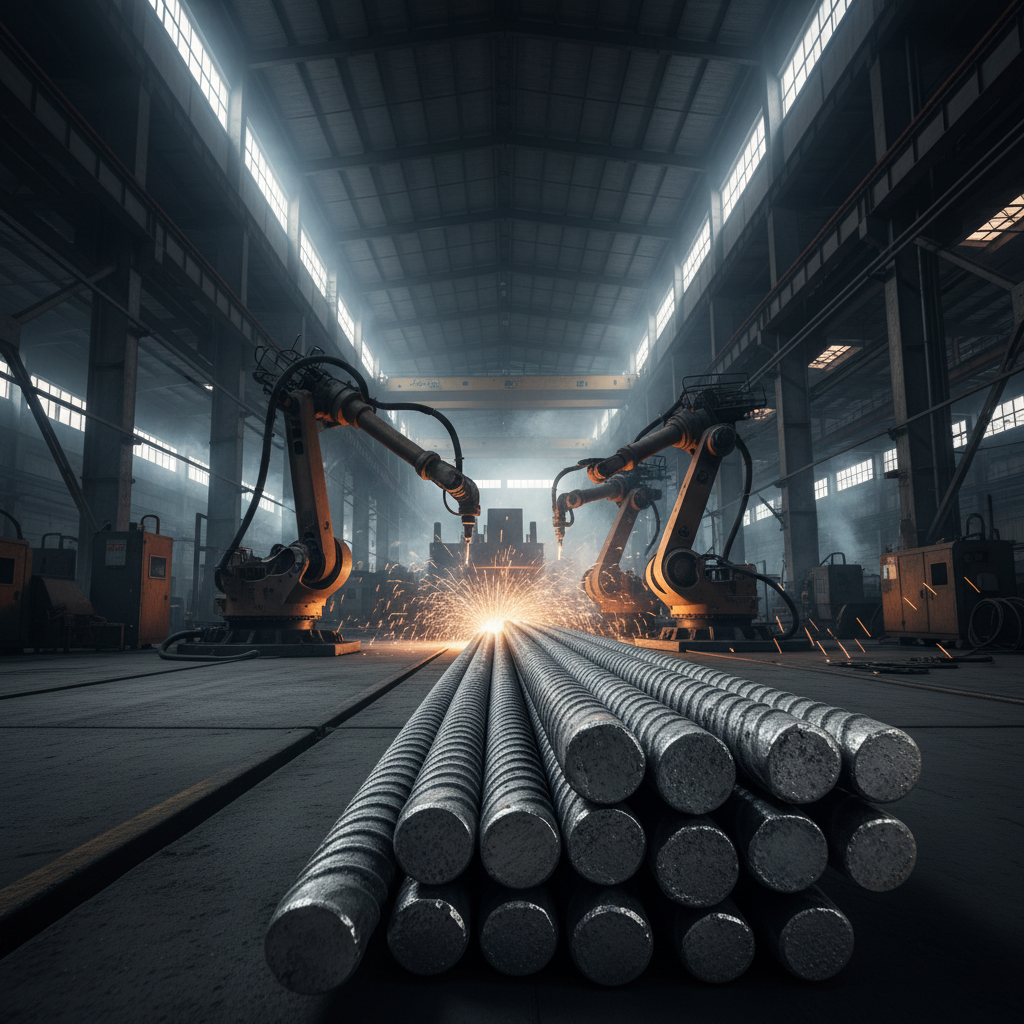
Ongoing research focuses on improving the flux coatings of e7016 welding rods to further reduce hydrogen levels and enhance weld properties. Automation and robotic welding systems are increasingly being integrated with these rods to improve efficiency and consistency.
There's also a growing emphasis on developing environmentally friendly flux formulations, reducing the impact of welding fumes and waste materials. The integration of digital monitoring systems to track welding parameters and ensure quality control will also play a significant role in the future.
Furthermore, advancements in shielding gas technology, alongside optimized rod compositions, are continually enhancing the performance and versatility of e7016 welding rods in diverse applications.
Summary of Challenges and Potential Solutions Regarding e7016 Welding Rod Utilization
| Challenge |
Impact on Weld Quality |
Potential Solution |
Implementation Cost (1-10) |
| Moisture Absorption |
Increased Hydrogen Content, potential for cracking. |
Proper Storage, use of electrode ovens. |
3 |
| Arc Instability |
Porous welds, inconsistent penetration. |
Correct amperage settings, proper welding technique. |
2 |
| Slag Inclusion |
Weakened weld, reduced fatigue life. |
Thorough slag removal between passes. |
1 |
| Operator Skill Level |
Inconsistent weld quality, potential defects. |
Comprehensive training, certification programs. |
6 |
| Surface Contamination |
Reduced weld adhesion, porosity. |
Pre-weld cleaning, proper surface preparation. |
4 |
| Incorrect Electrode Storage |
Degraded flux coating, reduced weldability. |
Sealed containers, controlled humidity environment. |
5 |
FAQS
The primary benefit of an e7016 welding rod lies in its low-hydrogen characteristics. This significantly reduces the risk of hydrogen-induced cracking, making it ideal for high-strength steel welds and critical applications where weld integrity is paramount. It also offers excellent weldability and all-position capability, simplifying the welding process.
Yes, one of the key advantages of the e7016 rod is its ability to weld on slightly rusty or dirty surfaces. However, removing loose scale, rust, and contaminants is still recommended for optimal weld quality. A quick wire brush can significantly improve adhesion and reduce the risk of porosity.
The drag technique is generally recommended for e7016 welding, creating a slightly longer weld bead and improving penetration. Maintain a short arc length (about 1/8 inch) and use a weaving motion for wider welds. Proper amperage settings based on the metal thickness are crucial for achieving a sound weld.
Moisture absorption is a critical concern with e7016 rods. Store them in a dry, sealed container, preferably in a dedicated electrode oven set to around 150-200°F (65-93°C). If an oven isn't available, ensure the container is airtight and kept in a low-humidity environment.
Always wear appropriate personal protective equipment (PPE), including a welding helmet with a proper shade lens, welding gloves, a fire-resistant jacket, and safety boots. Ensure adequate ventilation to avoid inhaling welding fumes. Be aware of fire hazards and have a fire extinguisher nearby.
The '70' in e7016 represents the minimum tensile strength of the weld metal in thousands of pounds per square inch (psi). Specifically, it indicates that the weld produced with this electrode has a minimum tensile strength of 70,000 psi. This is a crucial indicator of the weld's strength and load-bearing capacity.
Conclusion
In conclusion, the e7016 welding rod remains a vital tool in a wide range of industries due to its unique combination of low-hydrogen properties, all-position capability, and ease of use. Its consistent performance, coupled with its relatively low cost, makes it a preferred choice for both professional welders and DIY enthusiasts. Understanding its characteristics and proper application is essential for achieving high-quality, reliable welds.
Looking ahead, continued advancements in flux formulations and welding technologies will further enhance the performance and versatility of the e7016 rod. Investing in proper training and adherence to best practices will ensure its continued success in meeting the evolving demands of the welding industry. For high-quality e7016 welding rods, visit our website: www.steeltoolschina.com.