Cast iron welding rod plays a critical role in modern infrastructure maintenance and repair. Its ability to effectively join cast iron, a material known for its brittleness and difficulty in welding, makes it indispensable across numerous industries. The demand for reliable and efficient welding solutions for cast iron continues to grow, driven by aging infrastructure and the need for cost-effective repair methods. Understanding the nuances of cast iron welding rod selection and application is therefore paramount for engineers, technicians, and fabricators.
Globally, the market for welding consumables, including cast iron welding rod, is substantial and steadily increasing. According to industry reports, the global welding consumables market was valued at over $15 billion in 2023 and is projected to reach nearly $20 billion by 2028. This growth is fueled by infrastructure development in emerging economies, coupled with ongoing maintenance and repair needs in developed nations. Effective cast iron repair significantly extends the lifespan of critical components, preventing costly replacements.
The significance of cast iron welding rod extends beyond economic considerations. Its proper application is crucial for ensuring the safety and reliability of infrastructure, from pipelines and machinery to automotive components and artistic castings. Failure to adequately address cracks or defects in cast iron can lead to catastrophic failures, highlighting the importance of utilizing the appropriate welding techniques and materials, specifically a high-quality cast iron welding rod.
The Significance of Cast Iron Welding Rod
Cast iron welding rod is far more than just a consumable; it's a critical component in preserving and extending the life of countless industrial and infrastructural assets. The unique properties of cast iron – its high compressive strength and wear resistance – make it a favored material for many applications, but also present significant challenges when it comes to repair. The right cast iron welding rod offers a solution to these challenges.
The significance lies in its ability to create a strong, reliable weld joint on a material notoriously difficult to weld. Traditional welding methods often lead to cracking and porosity in cast iron. Specialized rods, formulated with specific alloy compositions and flux coatings, mitigate these risks, providing a durable and dependable repair. This is particularly crucial in situations where replacement of cast iron components is expensive or impractical.
Global Relevance and Industry Context
The global need for effective cast iron repair solutions is driven by the widespread presence of cast iron in critical infrastructure worldwide. From water mains and sewer pipes to engine blocks and machine tool bases, cast iron continues to be a vital material despite the emergence of newer alternatives. Aging infrastructure in developed countries requires constant maintenance and repair, generating a significant demand for welding consumables like cast iron welding rod.
Emerging economies are also major consumers, due to rapid industrialization and infrastructure development. The cost-effectiveness of repairing existing cast iron components, rather than replacing them, is a key driver in these markets. Furthermore, the need to maintain operational efficiency in industries like manufacturing, power generation, and transportation further fuels the demand for reliable welding solutions.
International standards organizations, such as the ISO, play a role in defining the quality and performance requirements for welding consumables, including cast iron welding rod. Adherence to these standards ensures that products meet the necessary safety and reliability criteria, facilitating global trade and ensuring consistent performance across diverse applications.
Defining Cast Iron Welding Rod
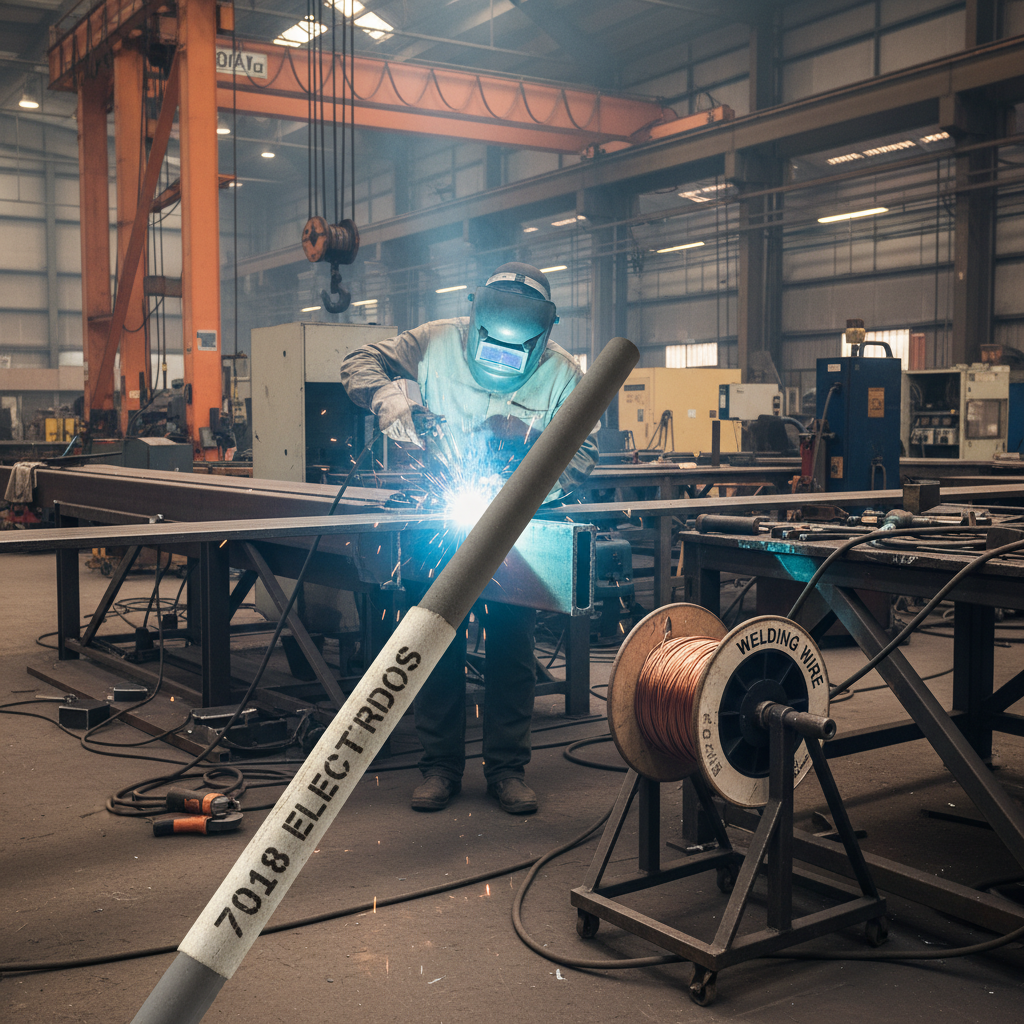
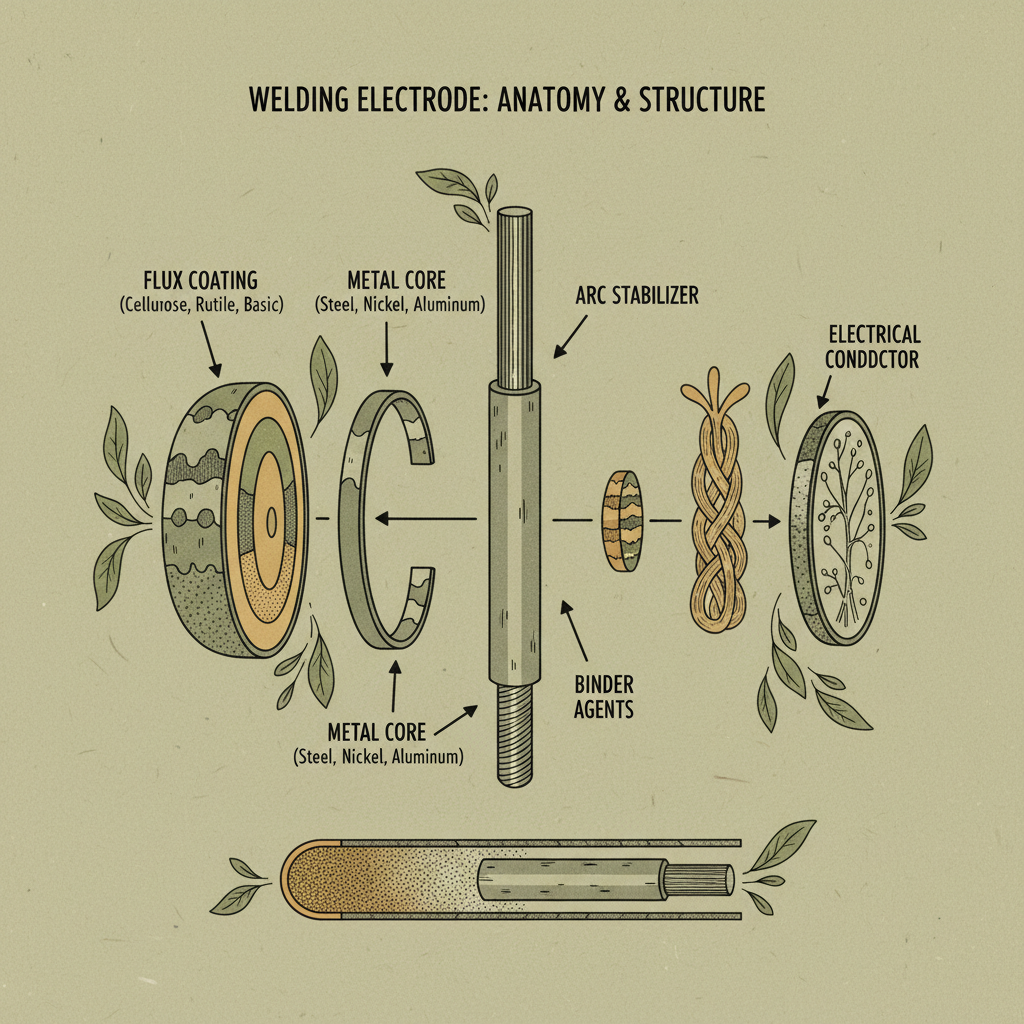
A cast iron welding rod is a metal electrode coated with a flux, specifically designed for joining or repairing cast iron components. Unlike standard steel welding rods, cast iron rods are formulated to accommodate the unique metallurgical properties of cast iron, preventing cracking and porosity during the welding process. They’re available in various types, each tailored to specific cast iron alloys and welding applications.
The flux coating plays a crucial role, shielding the weld pool from atmospheric contamination and contributing to the weld's strength and ductility. Different flux compositions create varying weld deposit characteristics, influencing factors like machinability, crack resistance, and corrosion resistance. Selecting the right flux is paramount for achieving a successful and long-lasting repair utilizing the correct cast iron welding rod.
The connection to modern industry and even humanitarian needs is indirect but profound. By enabling the repair of vital machinery and infrastructure, these rods contribute to economic productivity and prevent disruptions to essential services. For example, repairing a broken cast iron pump in a water treatment plant ensures continued access to clean water, a fundamental humanitarian need.
Key Characteristics of Cast Iron Welding Rods
Understanding the key characteristics of cast iron welding rod is essential for selecting the appropriate type for a specific application. One primary characteristic is its chemical composition, which dictates the weld metal’s properties, such as strength, hardness, and machinability. Different rods are designed for different cast iron alloys—gray iron, ductile iron, white iron, and malleable iron—requiring specific compositional adjustments.
Another critical factor is the flux coating. Fluxes contain various ingredients—binders, stabilizers, deoxidizers, and arc stabilizers—that influence the welding process and weld deposit characteristics. Nickel-based fluxes, for instance, are commonly used for joining ductile iron, providing excellent crack resistance. Conversely, iron powder-based fluxes enhance weld build-up and machinability.
Cast Iron Welding Rod Performance Metrics
Applications Across Industries
Cast iron welding rod finds extensive application across diverse industries. The automotive sector utilizes it for repairing engine blocks, cylinder heads, and exhaust manifolds. The manufacturing industry employs it for repairing machine tool bases, gear housings, and other critical components. Power generation facilities rely on it to maintain and repair cast iron pumps, valves, and turbines.
In the water and wastewater treatment sector, cast iron welding rod is crucial for repairing pipes, pumps, and valve bodies, ensuring the efficient and reliable delivery of clean water. The construction industry uses it for repairing structural cast iron components. Furthermore, foundries and fabrication shops utilize cast iron welding rods for repair work and creating custom castings.
Advantages and Long-Term Value
The advantages of using cast iron welding rod extend beyond immediate repairs. Cost savings are significant; repairing a cast iron component is often far more economical than replacing it with a new one, especially for large or complex parts. The use of a quality cast iron welding rod also contributes to sustainability by reducing material waste and conserving resources.
The long-term value stems from the increased reliability and extended lifespan of repaired components. Properly welded cast iron parts can perform reliably for years, minimizing downtime and preventing costly failures. This reliability builds trust with customers and stakeholders, reinforcing the value of preventative maintenance and skilled repair work.
Future Trends and Innovations
Several trends are shaping the future of cast iron welding rod technology. The development of new flux formulations with improved crack resistance and machinability is ongoing. Research is also focused on creating rods that can be used with automated welding processes, increasing efficiency and reducing labor costs.
The increasing emphasis on sustainability is driving the development of environmentally friendly welding rods with reduced fume emissions and lower environmental impact. Furthermore, the integration of digital technologies, such as smart welding systems and data analytics, is enabling more precise and controlled welding processes, further enhancing the quality and reliability of cast iron repairs.
Advancements in material science may lead to the development of new alloys tailored for specific cast iron welding applications, offering enhanced performance and durability. These innovations will further solidify the role of cast iron welding rod in maintaining and extending the lifespan of critical infrastructure.
Challenges and Solutions in Cast Iron Welding
Despite advancements, challenges remain in cast iron welding. One common issue is the inherent brittleness of cast iron, making it prone to cracking during welding, particularly with rapid heating and cooling cycles. Preheating the base metal and using appropriate post-weld heat treatment techniques can mitigate this risk. The selection of correct cast iron welding rod is also vital here.
Another challenge is the potential for porosity in the weld metal. This can be addressed by ensuring thorough cleaning of the base metal, using a flux-coated rod with effective deoxidizing properties, and controlling the welding parameters to minimize gas entrapment. Proper shielding gas selection is also critical.
Finally, the difficulty in achieving adequate fusion between the weld metal and the base metal can be overcome by using a welding technique that provides sufficient heat input and by ensuring proper joint preparation. Employing skilled welders trained in cast iron welding techniques is essential for consistently achieving high-quality repairs.
Commonly Asked Questions About Cast Iron Welding Rod
| Application |
Rod Type |
Welding Technique |
Expected Results |
| Repairing a cracked engine block |
Nickel-based cast iron welding rod |
SMAW (Shielded Metal Arc Welding) with preheating |
High crack resistance, machinable weld deposit |
| Joining ductile iron pipes |
Cast iron rod with high ductility flux |
SMAW with controlled heat input |
Strong, leak-proof joint with good impact resistance |
| Building up worn cast iron surfaces |
Iron powder-based cast iron welding rod |
SMAW with stringer bead technique |
Wear-resistant, machinable surface with minimal distortion |
| Repairing a cast iron pump housing |
Cast iron rod matched to pump housing alloy |
SMAW with careful control of welding parameters |
Restored structural integrity and functionality |
| Patching a small hole in gray cast iron |
Low-hydrogen cast iron welding rod |
SMAW with proper preheating and cooling |
Solid, reliable repair with minimal shrinkage |
| Welding cast iron with unknown composition |
General-purpose nickel-based cast iron welding rod |
SMAW with preheating and slow cooling |
Acceptable weld with reduced risk of cracking |
FAQs
For beginners, a nickel-based cast iron welding rod is generally recommended. These rods offer good crack resistance and are relatively forgiving in terms of welding technique. They are less sensitive to contaminants and provide a smoother arc, making them easier to control for novice welders. Always prioritize safety and practice proper welding procedures.
Using a standard steel welding rod on cast iron is generally not recommended. Steel has a significantly different melting point and thermal expansion coefficient than cast iron. This difference can lead to severe cracking and a weak, unreliable weld. Always use a specifically formulated cast iron welding rod to ensure a successful repair.
Preheating cast iron is crucial to reduce thermal shock and minimize the risk of cracking. Cast iron has poor thermal conductivity, meaning it doesn’t distribute heat evenly. Preheating ensures a more gradual temperature change during welding, reducing stress and improving weldability. The required preheating temperature depends on the type of cast iron and the size of the component.
Preventing cracking involves several steps. Preheat the cast iron, use a low-hydrogen cast iron welding rod, maintain a short arc length, and use a peening technique after each weld pass. Slow cooling is also essential; allow the component to cool gradually rather than quenching it with water or air. Properly prepared joints are also critical to success.
The flux coating serves multiple purposes. It shields the weld pool from atmospheric contamination (oxygen, nitrogen, and hydrogen), deoxidizes the molten metal, stabilizes the arc, and adds alloying elements to the weld deposit. Different flux compositions are designed to provide specific weld properties, such as high strength, machinability, or crack resistance.
Cast iron welding can be suitable for high-stress applications, but careful consideration must be given to the welding procedure and rod selection. Nickel-based rods often provide the best strength and ductility for demanding repairs. Proper preheating, post-weld heat treatment, and thorough inspection are critical to ensuring the integrity and reliability of the weld in high-stress environments.
Conclusion
In conclusion, cast iron welding rod is an indispensable tool for maintaining and extending the life of critical infrastructure and industrial components. Understanding its unique properties, appropriate applications, and best practices for use is vital for ensuring reliable and cost-effective repairs. From automotive to manufacturing and beyond, the proper selection and application of this welding consumable delivers substantial long-term value.
Looking ahead, continued innovation in flux formulations, automated welding processes, and material science will further enhance the capabilities and efficiency of cast iron welding. By embracing these advancements and prioritizing skilled workmanship, we can ensure the continued viability and sustainability of cast iron components for years to come. Visit our website at www.steeltoolschina.com to explore our comprehensive range of cast iron welding rods and learn more about our expert solutions.