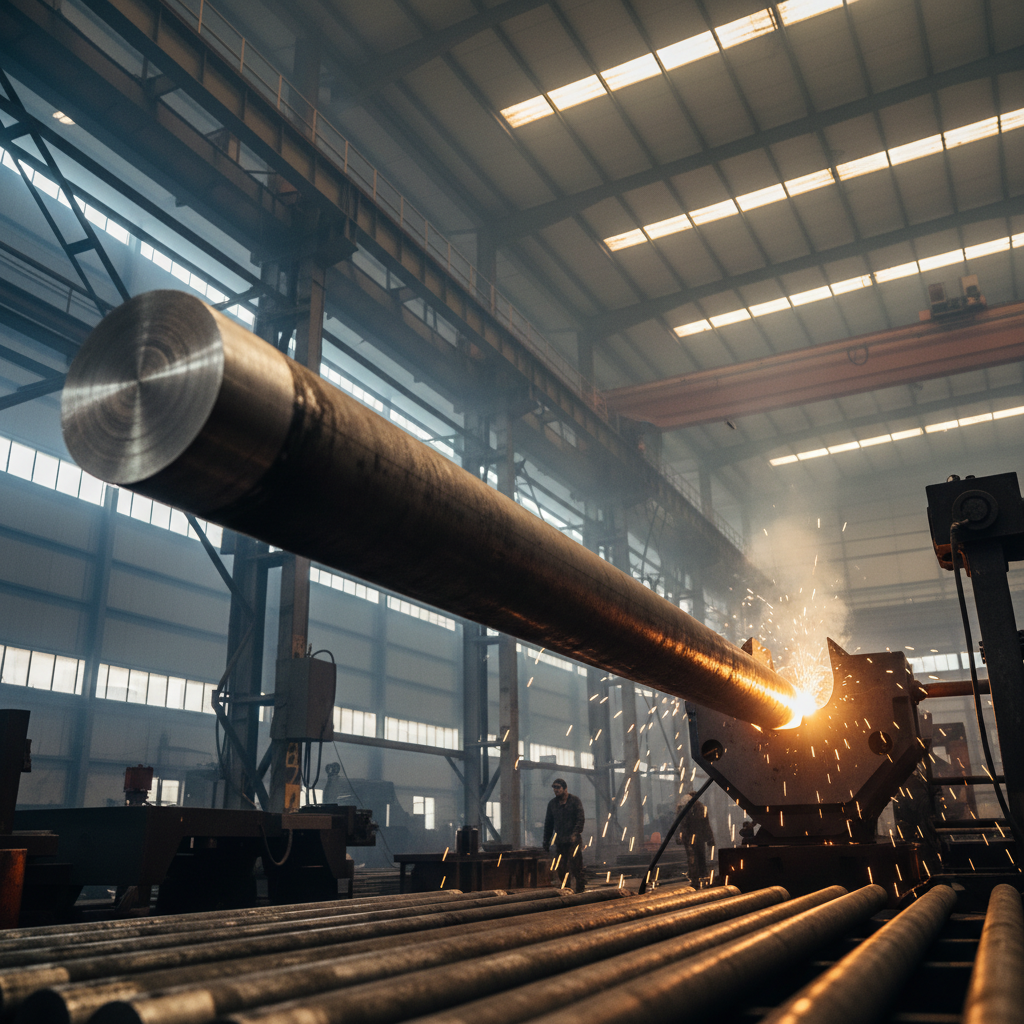
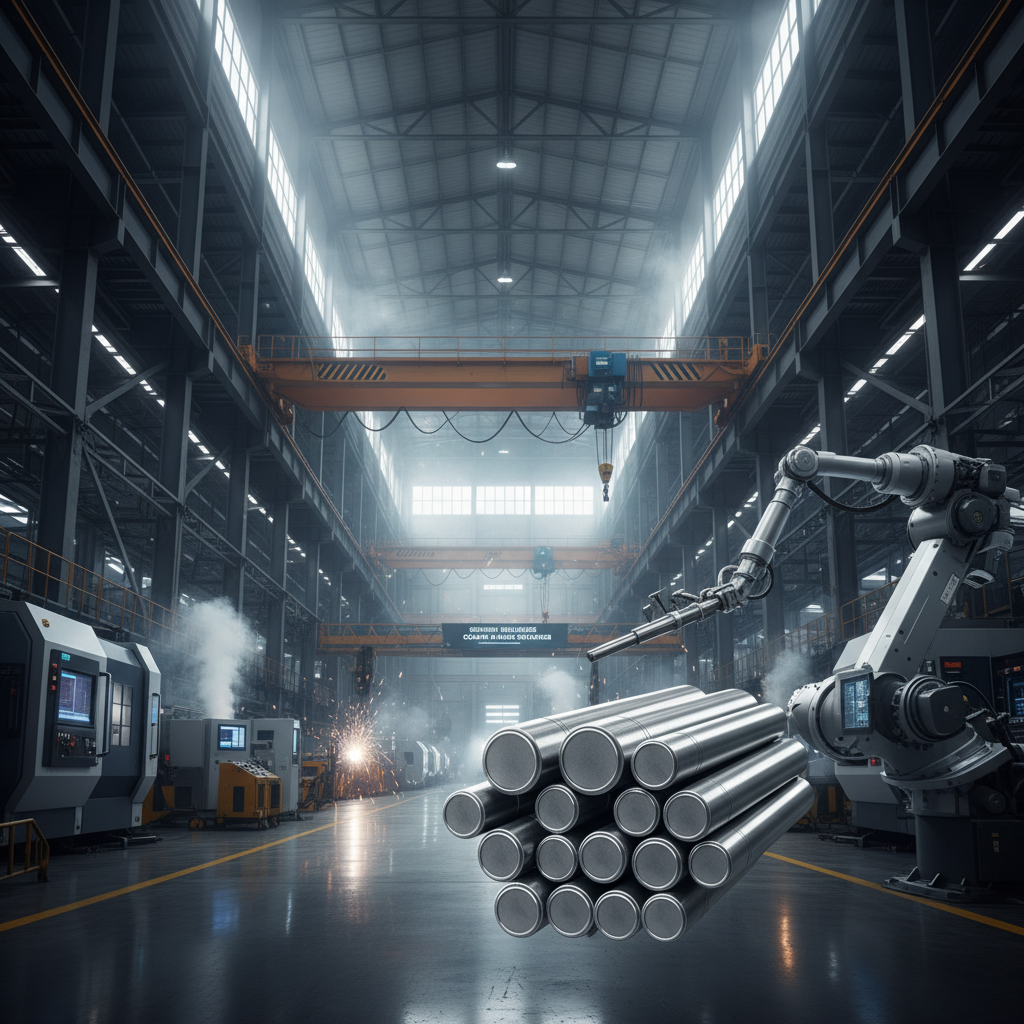
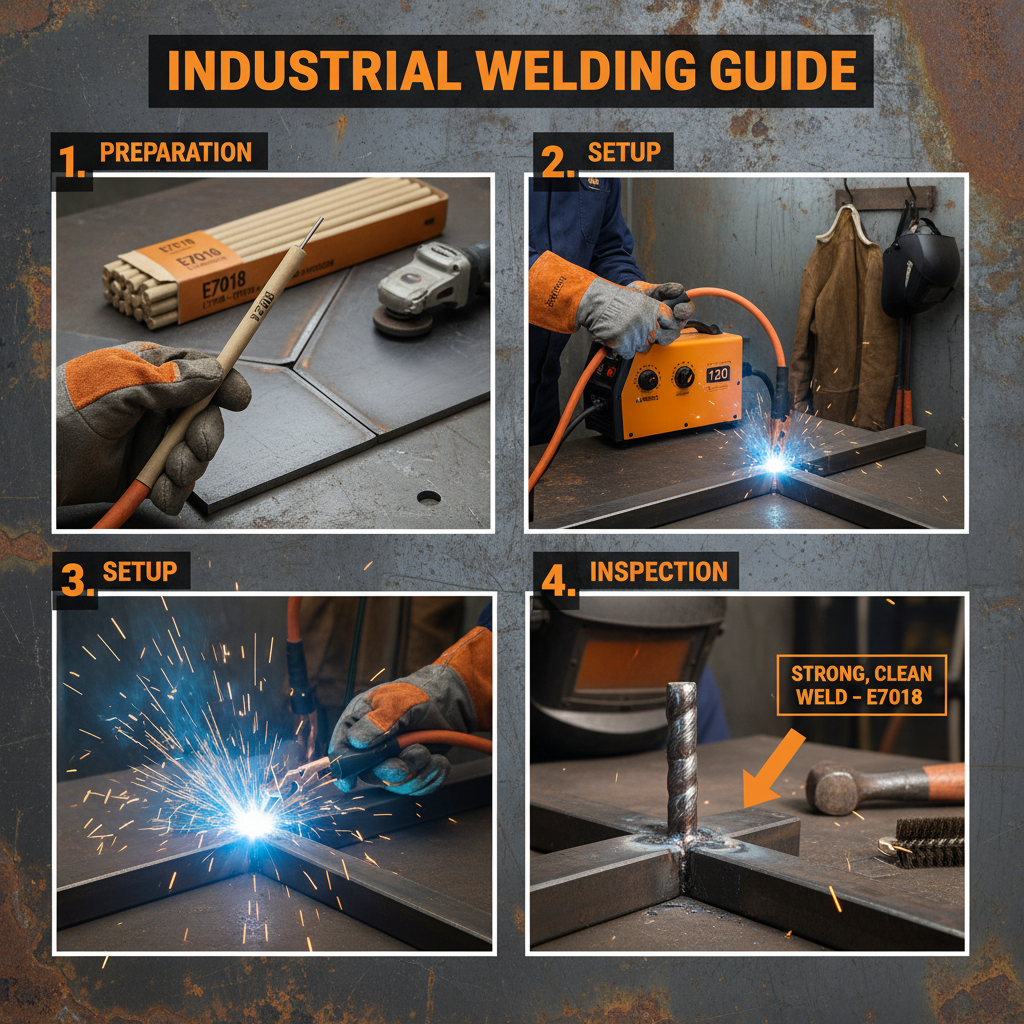
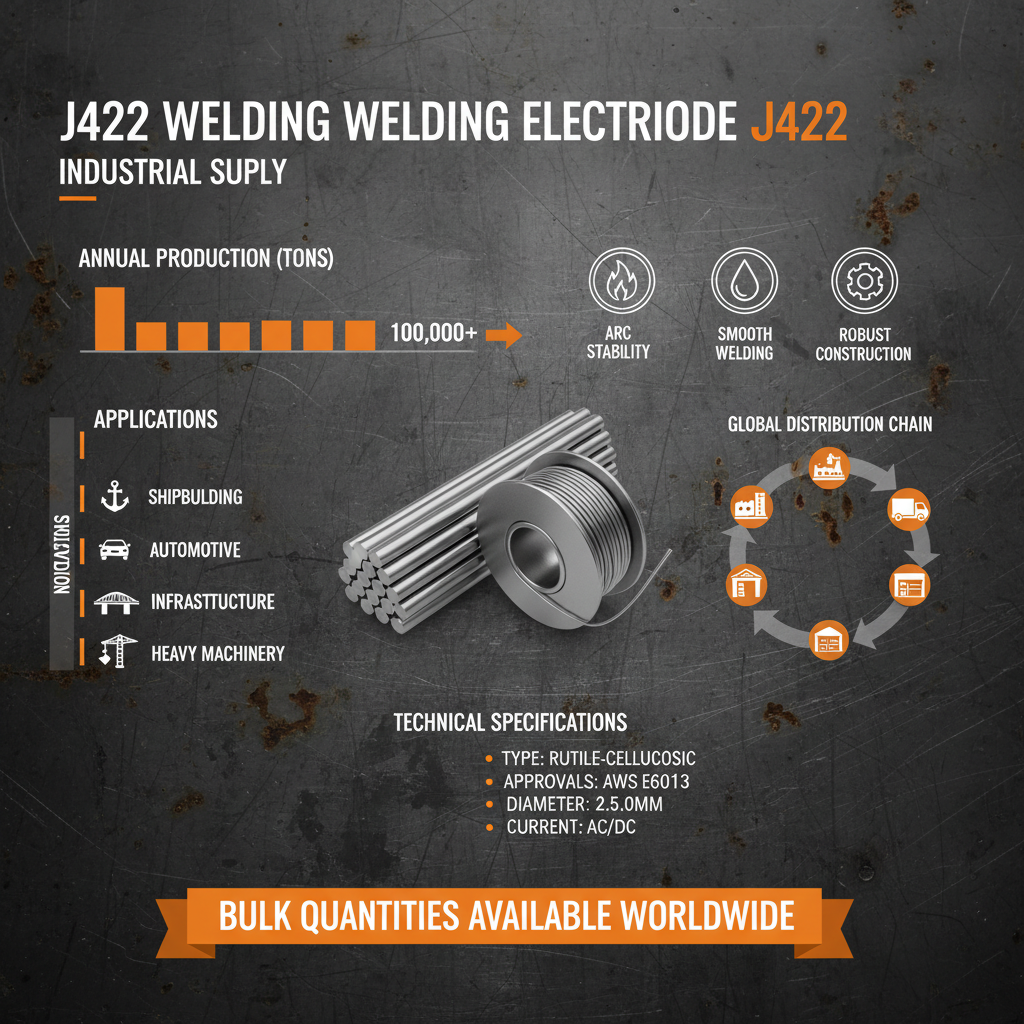
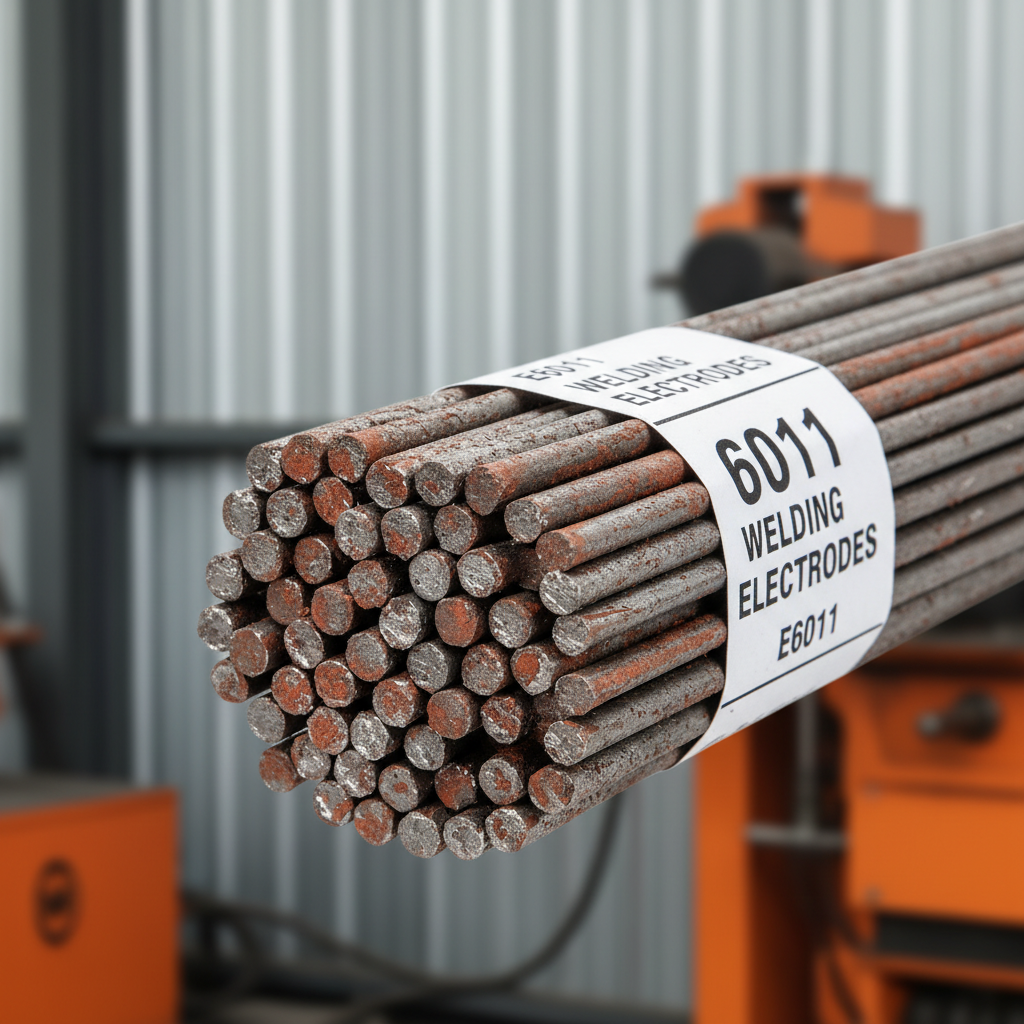
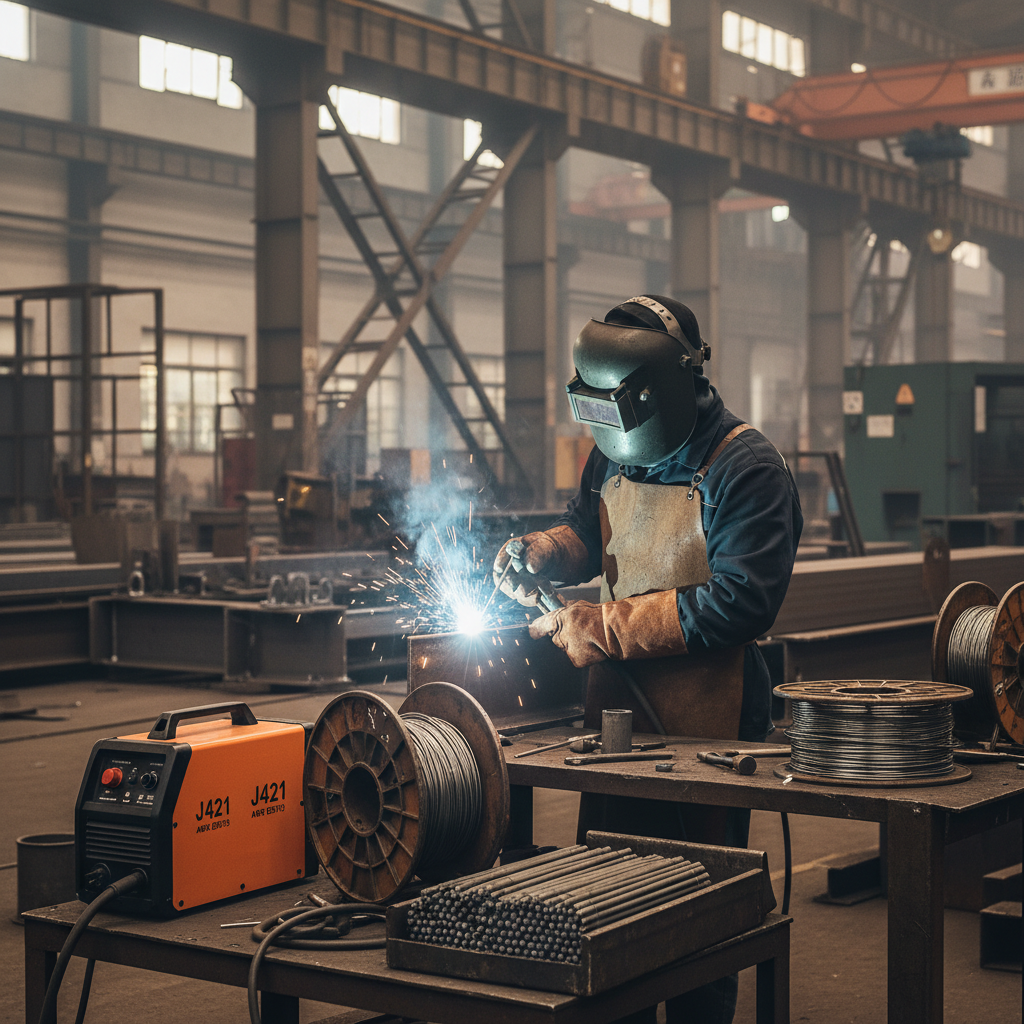
Stainless steel welding rod plays a critical role in modern fabrication and infrastructure. Its unique properties – corrosion resistance, high strength, and durability – make it essential for a diverse range of applications, from critical industrial piping to architectural marvels. Understanding the nuances of stainless steel welding rods is paramount for engineers, welders, and anyone involved in the construction and maintenance of long-lasting, reliable structures.
Globally, the demand for stainless steel welding rod is continuously increasing, driven by expanding industrialization, particularly in emerging economies, and a growing need for sustainable and corrosion-resistant materials. This demand isn’t simply about quantity; it’s about specialization – matching the right rod to the specific alloy, welding process, and application to maximize performance and minimize failures. The quality and selection of a stainless steel welding rod directly impacts the integrity of projects spanning multiple sectors.
The importance of correctly applied stainless steel welding techniques cannot be overstated. Poor welding can compromise the corrosion resistance inherent in the material, leading to costly repairs, safety hazards, and reduced lifespan of infrastructure. Consequently, proper training, certification, and adherence to industry standards are vital to ensure the successful implementation of stainless steel welding projects.
The Core Properties of stainless steel welding rod
The foundational strength of stainless steel welding rod lies in its alloy composition, primarily focused on the inclusion of chromium. Chromium creates a passive layer of chromium oxide on the surface, offering exceptional corrosion resistance. Different grades of stainless steel welding rod contain varying percentages of chromium, nickel, molybdenum, and other elements, tailoring their properties for specific applications.
Beyond corrosion resistance, these rods exhibit excellent tensile strength, ductility, and weldability. The mechanical properties of the weld itself are crucial, ensuring it can withstand the stresses and strains inherent in the intended application. The selection of the appropriate rod type, based on the base material and desired performance characteristics, is paramount to achieving a robust and reliable weld.
Global Production and Consumption Trends
Global production of stainless steel welding rod is heavily concentrated in Asia, particularly in China, which accounts for the majority of worldwide output. India, Japan, and South Korea are also significant producers. The growth in production mirrors the increasing demand from rapidly industrializing nations and the expansion of infrastructure projects.
Consumption patterns follow a similar trend, with Asia representing the largest consumer market. However, North America and Europe continue to be substantial consumers, driven by demand in sectors like oil and gas, chemical processing, and construction. Fluctuations in global steel prices and economic conditions can significantly impact both production and consumption volumes.
According to the World Steel Association, stainless steel production continues to rise, directly fueling the demand for quality stainless steel welding rod. This growth is partially attributed to government initiatives promoting infrastructure development and investments in sustainable materials.
Defining Stainless Steel Welding Rod
Stainless steel welding rod is a consumable electrode used in arc welding processes to join stainless steel materials. Unlike carbon steel rods, these rods are specifically formulated with alloys designed to match the composition and properties of stainless steel, ensuring a weld that retains the material’s corrosion resistance and strength.
The connection to modern industry is undeniable. From the fabrication of pharmaceutical processing equipment requiring stringent hygiene standards to the construction of offshore platforms facing harsh marine environments, stainless steel welding rods are indispensable. They directly contribute to the safety, reliability, and longevity of countless critical infrastructure components.
Furthermore, the application of stainless steel welding rods is vital in humanitarian efforts, notably in the construction of water purification systems and medical facilities in developing countries. Their resistance to corrosion ensures the long-term functionality of these crucial installations, improving public health and sanitation.
Key Characteristics for Optimal Welding
Several key characteristics determine the suitability of a stainless steel welding rod for a specific application. These include the alloy type (304, 316, etc.), the welding process compatibility (SMAW, GMAW, GTAW), and the rod’s diameter. The correct alloy matching is crucial to prevent sensitization, a phenomenon that can reduce corrosion resistance in heat-affected zones.
The chosen welding process impacts the penetration, deposition rate, and overall weld quality. Shielding gas composition also plays a vital role in protecting the weld pool from atmospheric contamination, further enhancing corrosion resistance. Understanding these factors is critical for achieving a sound, durable, and corrosion-resistant weld.
Stainless Steel Welding Rod Process Performance
Industry Applications and Geographical Distribution
Stainless steel welding rod finds extensive application in the chemical processing industry, where resistance to highly corrosive substances is paramount. It’s also crucial in the food and beverage industry, ensuring hygienic and sanitary conditions. The pharmaceutical sector relies heavily on stainless steel welding for maintaining sterile environments and preventing contamination.
Geographically, demand is concentrated in regions with significant industrial activity. Europe, with its established automotive and manufacturing sectors, represents a large market. North America, particularly the US, exhibits strong demand from the oil and gas industry. Southeast Asia, with its rapid economic growth and infrastructure development, is emerging as a key consumer.
Long-Term Value and Economic Impact
The long-term value of using quality stainless steel welding rod is significant, extending beyond the initial cost. The durability and corrosion resistance reduce the need for frequent repairs and replacements, lowering life-cycle costs. This is especially critical for infrastructure projects with extended service lives.
Economically, the proper application of stainless steel welding contributes to increased productivity and reduced downtime. Reliable equipment and infrastructure translate to enhanced operational efficiency and reduced risk of catastrophic failures. Investing in skilled welders and quality materials, including stainless steel welding rod, is a strategic investment that yields substantial returns.
Furthermore, the reduction in maintenance and replacement needs contributes to sustainability efforts by minimizing resource consumption and waste generation. The inherent longevity of stainless steel structures aligns with principles of circular economy and responsible resource management.
Future Innovations and Current Challenges
Future trends in stainless steel welding rod technology focus on developing alloys with enhanced properties, such as improved weldability, higher strength, and even greater corrosion resistance. The development of low-chromium stainless steels is gaining traction, offering a cost-effective alternative while maintaining acceptable corrosion performance in certain applications.
Automation and robotic welding are poised to revolutionize the industry, increasing efficiency, reducing labor costs, and improving weld quality consistency. Digital technologies, like real-time weld monitoring and data analysis, will enable better process control and predictive maintenance.
However, challenges remain, including the rising cost of raw materials, ensuring consistent quality across different manufacturers, and addressing the shortage of skilled welders. Research and development efforts are crucial to overcoming these challenges and unlocking the full potential of stainless steel welding technology.
Summary of Key Challenges and Mitigation Strategies for Stainless Steel Welding Rod
| Challenge |
Impact on Welding Quality |
Mitigation Strategy |
Estimated Cost of Implementation |
| Raw Material Price Volatility |
Increased rod cost, potential for lower quality substitutions. |
Long-term supply contracts, alloy optimization. |
$5,000 - $20,000 |
| Skilled Welder Shortage |
Increased weld defects, reduced productivity. |
Enhanced training programs, automation. |
$10,000 - $50,000 |
| Maintaining Consistent Quality |
Weld inconsistencies, potential failures. |
Rigorous quality control procedures, supplier audits. |
$2,000 - $10,000 |
| Sensitization Risk |
Reduced corrosion resistance in heat-affected zones. |
Use of stabilized alloys, controlled welding parameters. |
$1,000 - $5,000 |
| Adapting to New Welding Processes |
Difficulty in achieving optimal results with new technologies. |
Process qualification, welder training. |
$3,000 - $15,000 |
| Environmental Concerns |
Environmental impact from welding fumes and waste. |
Improved ventilation, waste management strategies. |
$2,000 - $8,000 |
FAQS
The primary difference lies in the addition of molybdenum in 316. This significantly enhances corrosion resistance, particularly against chlorides, making 316 ideal for marine environments or chemical processing. 304 is more versatile for general-purpose applications, offering excellent corrosion resistance in less aggressive conditions. Cost-wise, 316 rods are generally more expensive due to the molybdenum content. Choosing the right rod depends heavily on the specific environment it will be exposed to.
Sensitization occurs when chromium carbides precipitate at the grain boundaries during welding, reducing corrosion resistance. To prevent this, use stabilized grades (like 321 or 347) containing titanium or niobium, which preferentially combine with carbon. Maintain low heat input, minimize time at temperatures between 800-1500°F (427-816°C), and consider post-weld heat treatment if necessary. Proper rod selection is also crucial.
GTAW (TIG) offers the highest quality welds with precise control, ideal for critical applications. GMAW (MIG) is faster and more economical for larger projects. SMAW (Stick) is versatile for field work and repairs. FCAW (Flux-Cored) provides high deposition rates. The best process depends on the specific application, budget, and required weld quality.
For GMAW, a mixture of argon and 2-5% CO2 is commonly used. The CO2 enhances weld pool wetting and penetration. However, higher CO2 levels can reduce corrosion resistance. A pure argon shield provides the highest quality welds but may require more skill. Tri-mix gases (Argon/CO2/Oxygen) can also be utilized for specific applications.
Match the welding rod's alloy designation to the base metal. Consult welding charts and manufacturer recommendations. Consider the service environment – will the weld be exposed to chlorides, high temperatures, or corrosive chemicals? Ensure the rod's composition complements the base metal to maintain similar properties and prevent issues like sensitization or cracking. The stainless steel welding rod supplier can offer expert advice.
Common defects include porosity, cracking, and undercut. Porosity is often caused by contamination or improper shielding gas coverage. Cracking can result from insufficient ductility or improper weld parameters. Undercut is caused by excessive current. Prevent these by ensuring cleanliness, using correct parameters, preheating if necessary, and employing proper welding techniques.
Conclusion
In conclusion, stainless steel welding rod is a cornerstone of modern industrial infrastructure, offering unparalleled corrosion resistance, strength, and longevity. Its selection and application are critical to ensuring the safety, reliability, and sustainability of countless projects, from critical infrastructure to essential humanitarian applications. Understanding the various alloy types, welding processes, and potential challenges is paramount for achieving optimal results.
Looking ahead, ongoing innovations in alloy development, automation, and digital monitoring will continue to enhance the performance and efficiency of stainless steel welding. Embracing these advancements, coupled with rigorous training and adherence to industry best practices, will unlock the full potential of this vital material and contribute to a more robust and sustainable future. Visit our website at www.steeltoolschina.com to explore our range of high-quality stainless steel welding rods and expert solutions.