Carbon steel welding rod is a fundamental component in numerous industries, ranging from construction and manufacturing to repair and maintenance. Its versatility, relatively low cost, and ease of use have cemented its position as a cornerstone material for joining metal components. Understanding the intricacies of carbon steel welding rods – their composition, applications, and best practices – is crucial for professionals and enthusiasts alike, enabling them to achieve strong, reliable, and long-lasting welds. This knowledge is paramount for maintaining infrastructure, building robust structures, and ensuring the safety and integrity of critical applications worldwide.
The global demand for carbon steel welding rod is inextricably linked to the growth of industrial economies and infrastructure development. Countries undergoing rapid urbanization and industrialization, particularly in Asia and Africa, are major consumers of this essential material. According to reports from the World Steel Association, steel production continues to rise, driving the need for efficient and reliable welding solutions. However, challenges exist in ensuring consistent quality, minimizing environmental impact, and addressing the skills gap in the welding workforce.
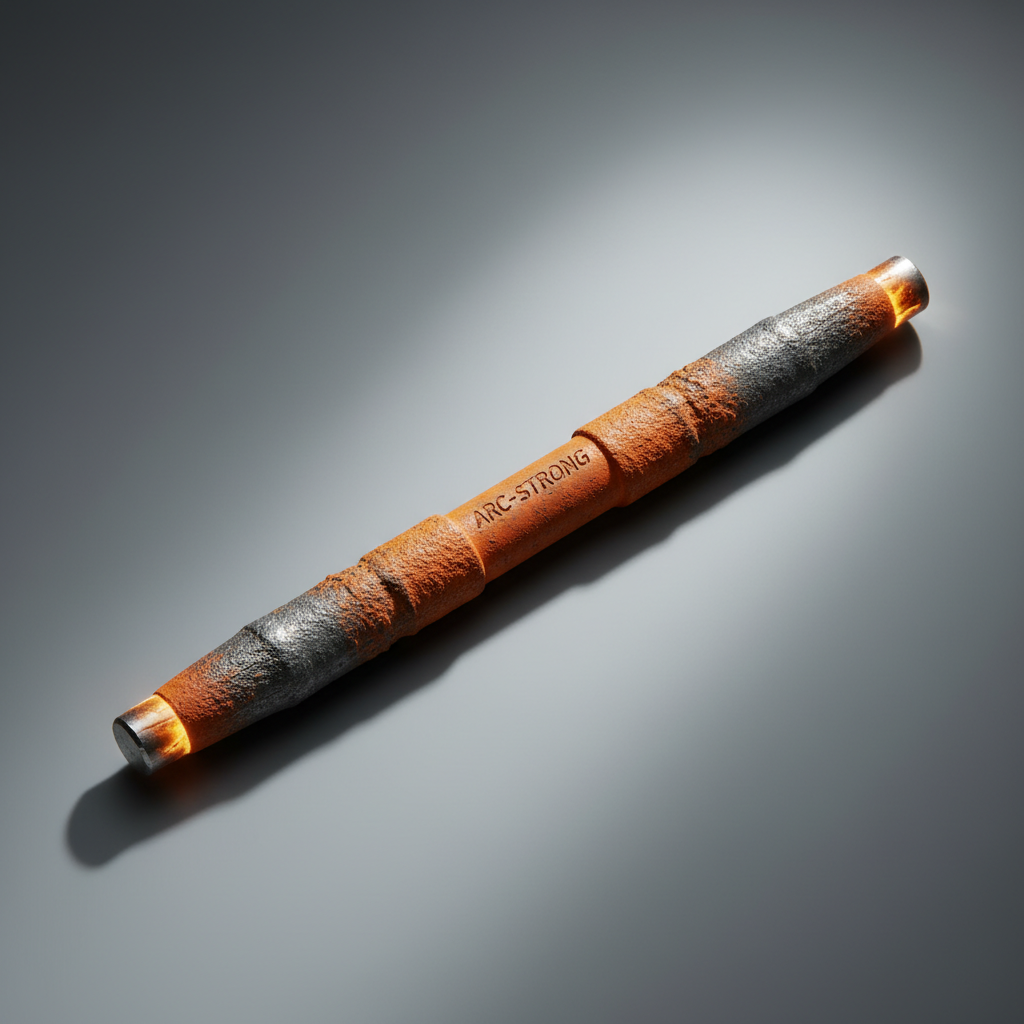
Simply put, a carbon steel welding rod is a consumable electrode used in various welding processes, such as Shielded Metal Arc Welding (SMAW), commonly known as stick welding. It's composed primarily of carbon steel, often with small additions of other elements to modify its properties. These rods melt and fuse with the base metal, creating a strong joint. Its importance stems from its ability to efficiently and effectively join carbon steel components – a material integral to modern society, from the skyscrapers we inhabit to the vehicles we drive and the tools we use.
The Significance of Carbon Steel Welding Rods
The importance of carbon steel welding rods extends beyond mere material joining. They are critical for ensuring the structural integrity of bridges, buildings, pipelines, and various other infrastructure elements. A correctly executed weld using a quality carbon steel welding rod is often the only thing preventing catastrophic failure. Therefore, understanding the properties and correct application of these rods is vital for ensuring public safety and economic stability.
Furthermore, the manufacturing sector relies heavily on carbon steel welding rods for the production of machinery, vehicles, and countless other goods. The ability to efficiently and reliably weld carbon steel components is essential for maintaining production schedules, minimizing downtime, and delivering high-quality products to market. Advancements in welding rod technology continually aim to improve weld quality, increase productivity, and reduce costs within these critical industries.
Global Relevance and Industry Context
The demand for carbon steel welding rod is globally dispersed, with significant consumption in rapidly developing economies. Asia-Pacific, driven by China and India, represents the largest market, fueled by extensive infrastructure projects and manufacturing growth. North America and Europe also remain substantial consumers, focused on maintenance, repair, and overhaul (MRO) activities and specialized manufacturing. The global welding rod market is estimated to be worth billions of dollars annually and is projected to continue growing, albeit at a moderate pace, influenced by economic conditions and technological advancements.
Several international standards govern the production and quality of carbon steel welding rods, ensuring consistency and reliability across different regions. Organizations like the American Welding Society (AWS), the International Organization for Standardization (ISO), and the European Standards Committee (CEN) establish specifications for rod composition, mechanical properties, and performance characteristics. Adherence to these standards is crucial for maintaining product quality and ensuring compliance with regulatory requirements.
A major challenge in the industry is the increasing focus on sustainability and reducing the environmental impact of welding processes. This includes developing welding rods with lower fume emissions, reducing energy consumption during welding, and promoting responsible sourcing of raw materials. The drive towards greener welding practices is becoming increasingly important as industries strive to meet stricter environmental regulations and corporate social responsibility goals.
Defining Carbon Steel Welding Rods
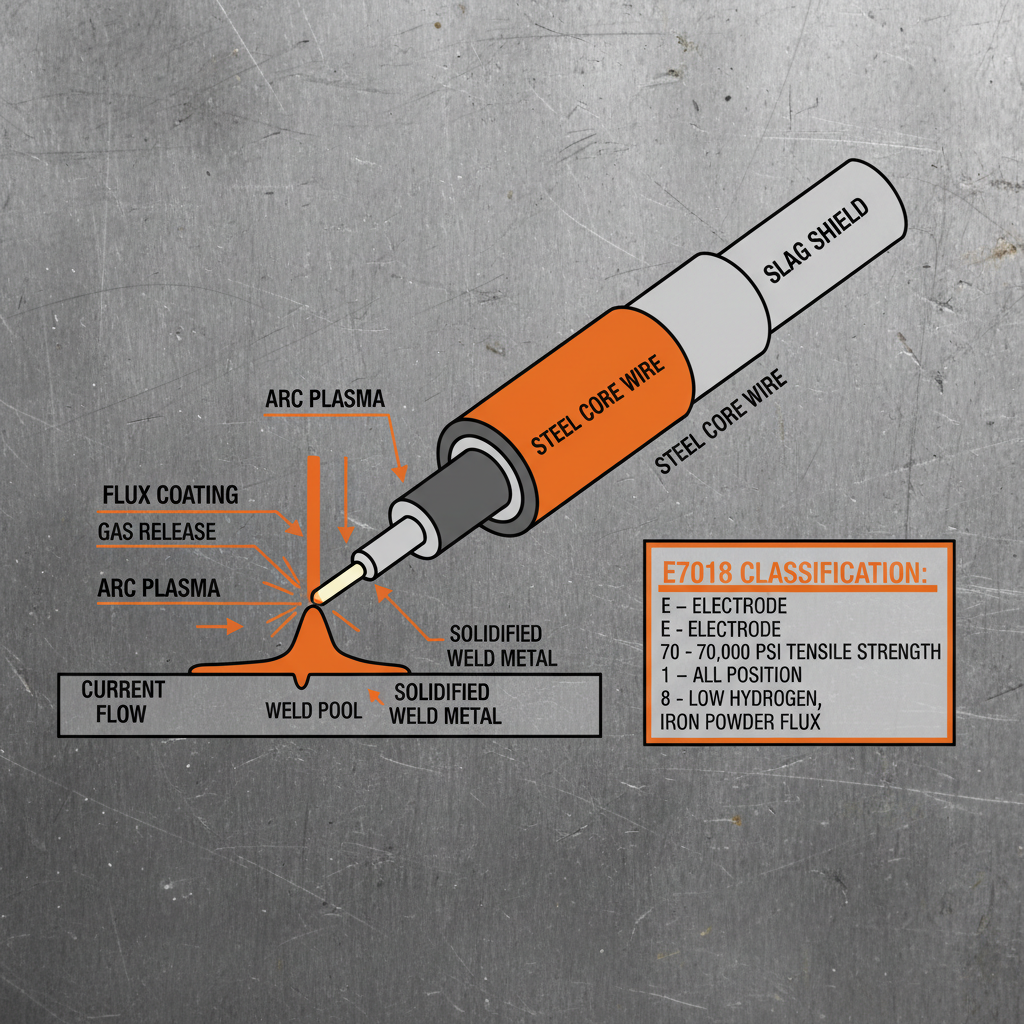
At its core, a carbon steel welding rod is a metal electrode coated in flux. The carbon steel core provides the filler metal for the weld, while the flux coating serves several crucial functions. It shields the weld pool from atmospheric contamination, stabilizes the arc, introduces alloying elements, and aids in slag formation. The specific composition of both the core metal and the flux coating determines the rod's characteristics and its suitability for particular welding applications.
Understanding the different classifications of carbon steel welding rods is vital. They are categorized based on their tensile strength, welding position, and type of flux coating. Common classifications include E6010, E6011, E7018, and E7024, each offering unique properties and performance characteristics. Selecting the appropriate rod for a given application ensures optimal weld quality, strength, and durability. The availability of carbon steel welding rod in diverse formulations contributes significantly to its broad utility.
The connection to modern industry and humanitarian needs is profound. Without reliable welding solutions offered by these rods, the construction of vital infrastructure – hospitals, schools, and homes – would be significantly hampered. Similarly, repair and maintenance efforts across countless industries depend on the availability and effective use of carbon steel welding rods to maintain operations and prevent costly downtime.
Key Characteristics of Carbon Steel Welding Rods
Durability is a cornerstone characteristic of effective carbon steel welding rods. The ability to withstand the stresses of the welding process – high temperatures, electrical currents, and mechanical forces – is crucial for maintaining a stable arc and producing a sound weld. The strength and toughness of the weld metal itself are also directly influenced by the quality and composition of the rod.
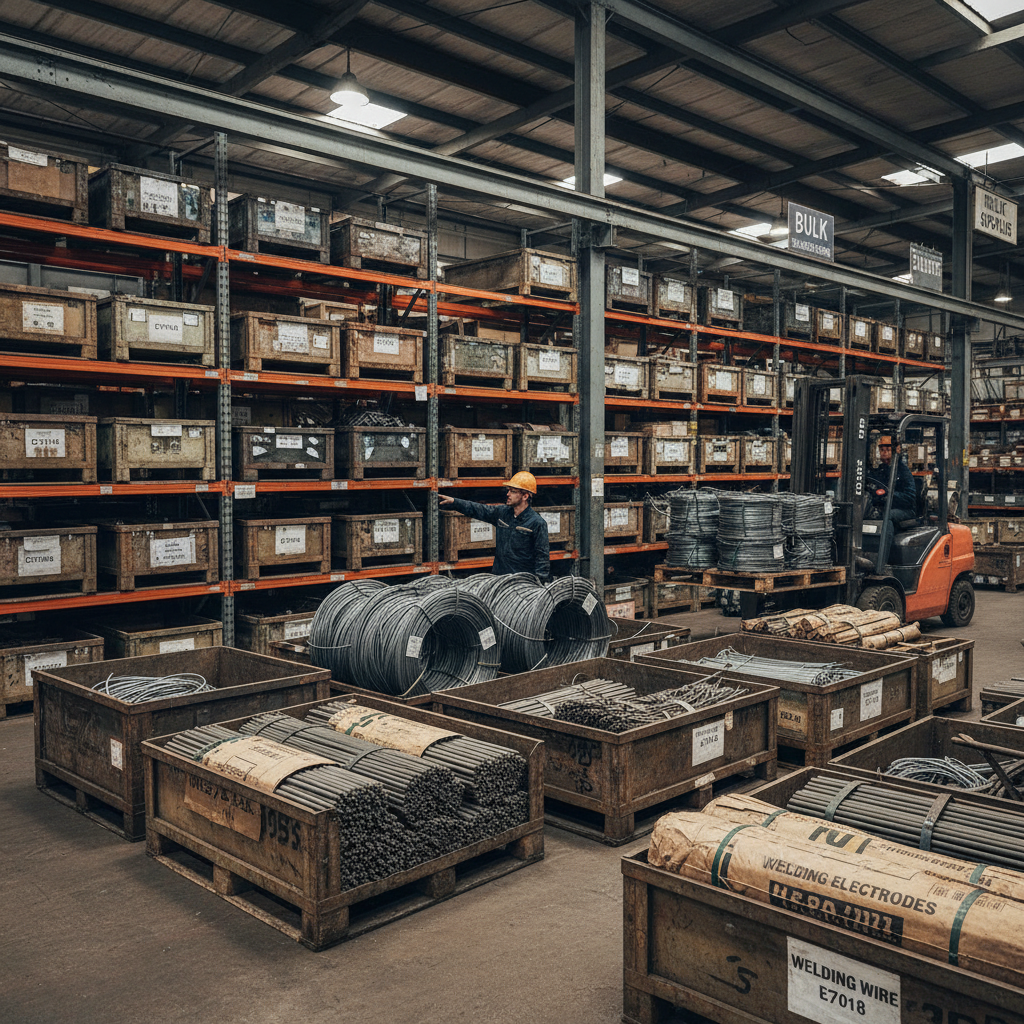
Cost efficiency is another significant factor. Compared to other welding processes and filler materials, carbon steel welding rods offer a relatively low-cost solution for joining carbon steel components. This affordability makes them particularly attractive for large-scale projects and applications where cost control is paramount. Accessibility also plays a key role; carbon steel welding rod is widely available globally.
Carbon Steel Welding Rod Performance Metrics
Real-World Applications and Use Cases
Carbon steel welding rods are extensively used in the construction industry for fabricating steel structures, bridges, and buildings. Their strength and reliability make them ideal for joining structural components, ensuring the safety and longevity of these critical infrastructure projects. In shipbuilding, they are employed to assemble hulls, decks, and other vital parts of vessels, requiring high-quality welds to withstand harsh marine environments.
The automotive industry relies on carbon steel welding rods for manufacturing vehicle frames, chassis, and body panels. Automated welding processes, utilizing these rods, enable high-volume production with consistent weld quality. In post-disaster relief operations, portable welding equipment and carbon steel welding rod are invaluable for repairing damaged infrastructure and providing emergency repairs.
Advantages and Long-Term Value
The tangible benefits of using carbon steel welding rods are numerous. Lower initial investment compared to other welding methods, coupled with widespread availability, contribute to significant cost savings. The inherent strength and durability of carbon steel welds ensure long-term reliability, reducing the need for frequent repairs and maintenance. This minimizes lifecycle costs and enhances the overall value of the welded structure or component.
Beyond the economic benefits, carbon steel welding offers a sense of trust and innovation. Properly executed welds, achieved with quality rods, inspire confidence in the integrity of the final product. Skilled welders are in high demand, representing a valuable workforce contributing to economic growth and technological advancement. A safe and reliable weld process translates to safer structures and reduces the risk of accidents and failures.
Future Trends and Innovations
The future of carbon steel welding rod technology is focused on sustainability and efficiency. Researchers are developing low-hydrogen welding rods that produce fewer fumes and reduce the risk of hydrogen-induced cracking. Furthermore, advancements in flux coatings are aimed at improving arc stability, increasing deposition rates, and enhancing weld quality. These innovations aim to reduce environmental impact and improve productivity.
Digitalization and automation are also playing an increasingly significant role. Robotic welding systems, coupled with advanced sensors and control algorithms, are being deployed to automate welding processes, improve consistency, and reduce human error. These technologies are driving down costs and enhancing the overall efficiency of welding operations.
Analysis of the Factors Influencing Carbon Steel Welding Rod Performance
| Rod Composition |
Flux Coating Type |
Welding Parameters |
Welder Skill Level |
| Carbon Content (%) |
Rutile |
Amperage (A) |
Experience (Years) |
| Manganese Content (%) |
Cellulosic |
Voltage (V) |
Certification Level |
| Silicon Content (%) |
Low Hydrogen |
Travel Speed (cm/min) |
Weld Technique Proficiency |
| Alloy Element Addition |
Basic |
Arc Length (mm) |
Visual Inspection Accuracy |
| Impurities (%) |
Iron Powder |
Duty Cycle (%) |
Knowledge of Material Science |
| Tensile Strength (MPa) |
Mixed |
Polarity |
Adherence to Safety Protocols |
FAQS
Carbon steel welding rod is most commonly used in general-purpose welding applications, particularly in structural steel fabrication, construction, and repair work. Its versatility and relatively low cost make it suitable for a wide range of projects, from building bridges and skyscrapers to repairing automotive components and agricultural equipment. It’s a workhorse material for joining carbon steel components effectively and affordably.
Choosing the right rod depends on several factors, including the type of carbon steel being welded, the welding position (flat, horizontal, vertical, overhead), and the desired weld properties. Consider the rod's tensile strength, flux coating type, and welding characteristics. Consult welding charts and specifications to determine the most suitable rod for your specific application. Carbon steel welding rod selection is critical for optimal results.
Welding generates hazardous fumes and ultraviolet radiation. Always wear appropriate personal protective equipment (PPE), including a welding helmet with a dark lens, welding gloves, a fire-resistant jacket, and safety glasses. Ensure adequate ventilation to avoid inhaling fumes. Be aware of fire hazards and have a fire extinguisher readily available. Always follow established safety protocols and training guidelines.
Porosity, the formation of small holes in the weld metal, can be caused by several factors, including contamination of the base metal or welding rod, improper shielding gas coverage, excessive welding speed, or moisture in the flux coating. Ensuring clean materials, proper welding parameters, and dry storage of rods can help minimize porosity. Correct technique and equipment are essential for a sound weld.
Different flux coatings provide varied shielding, arc stability, and weld characteristics. Rutile coatings are easy to use and produce smooth welds, while cellulosic coatings are suitable for vertical and overhead welding. Low-hydrogen coatings minimize hydrogen-induced cracking in high-strength steels. The choice of flux coating directly impacts the weld quality and its suitability for specific applications.
Carbon steel welding rods can degrade over time, especially if exposed to moisture. While they don't have a strict expiration date, it's recommended to store them in a dry, cool place. If the flux coating becomes damp, it should be baked according to the manufacturer's instructions before use. Proper storage extends their usability and ensures consistent welding performance. Maintaining carbon steel welding rod quality through storage is important.
Conclusion
Carbon steel welding rod remains an indispensable material in modern industry and construction, providing a cost-effective and reliable solution for joining metal components. Its versatility, ease of use, and adherence to international standards have cemented its position as a cornerstone of numerous applications, from infrastructure development to manufacturing and repair. Understanding the nuances of rod selection, welding techniques, and safety protocols is crucial for maximizing its benefits and ensuring weld quality.
Looking ahead, advancements in welding technology and a growing focus on sustainability will drive innovation in carbon steel welding rod development. The demand for greener welding processes and more efficient materials will continue to shape the industry, leading to the creation of rods with lower fume emissions, enhanced mechanical properties, and improved weldability. For more information and to explore our range of high-quality carbon steel welding rods, visit our website: www.steeltoolschina.com