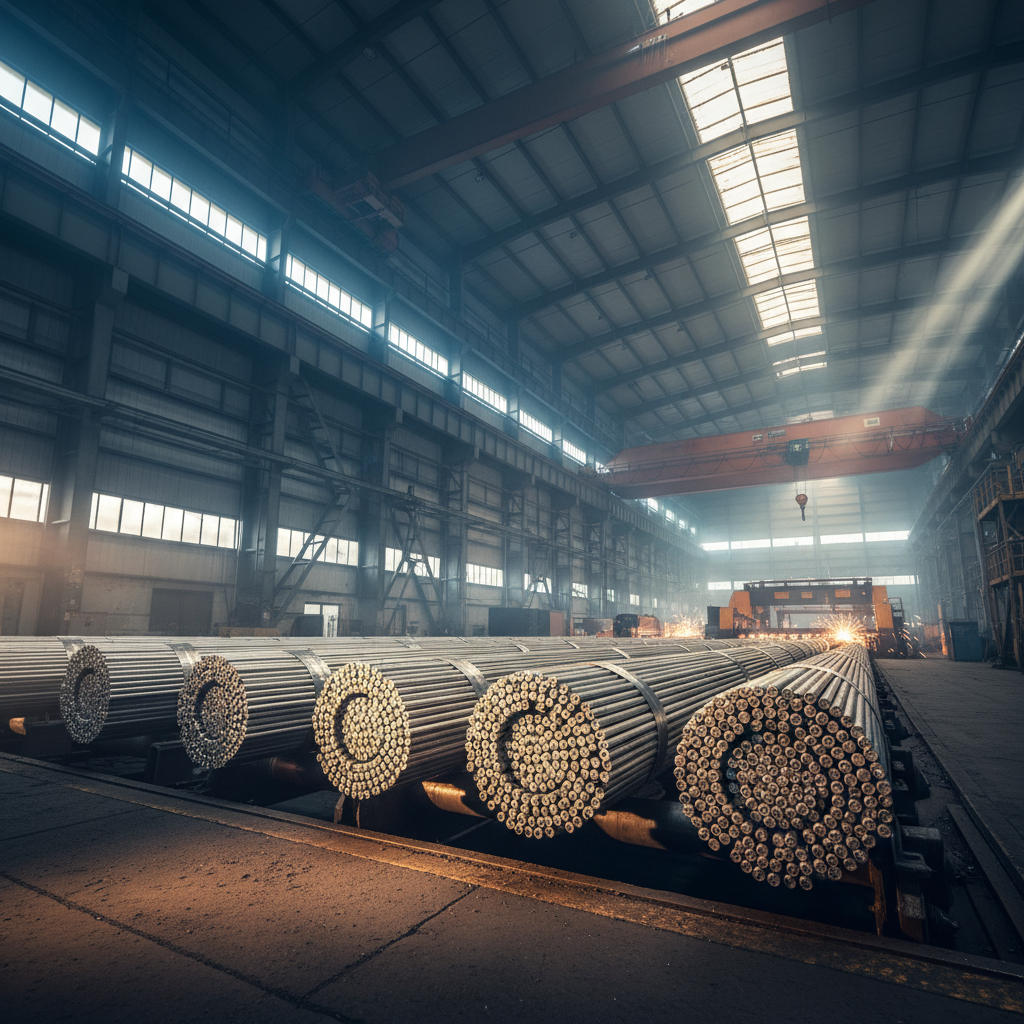
The global welding industry relies heavily on specialized consumables that can handle diverse environmental conditions and material specifications. Among these, the cellulose potassium type electrode stands out as a critical tool for professionals who require deep penetration and versatility in challenging positions. Understanding the technical nuances of these tools is essential for ensuring structural integrity in everything from pipeline construction to heavy machinery repair.
In the realm of professional metal fabrication, the demand for high-efficiency welding rods has led to the widespread adoption of specific AWS standards. The ability to perform vertical downward welding without the risk of molten metal dripping is a game-changer for productivity, reducing the time required for multi-pass welds and improving the overall speed of the fabrication process.
For technicians seeking a reliable solution for all-position welding, the electrodo 6011 provides an ideal balance of arc force and penetration. By adhering to strict GB/T 5117 and ISO 2560 standards, these electrodes ensure that industrial projects meet rigorous safety and quality benchmarks across the globe.
Technical Specifications of Electrodo 6011
The technical foundation of the electrodo 6011 is rooted in its adherence to international standards, specifically GB/T 5117 E4311, AWS A5.1 E6011, and ISO 2560-B-E4311. This ensures that the electrode provides consistent mechanical properties, which are essential for load-bearing industrial structures where failure is not an option.
Designed as a cellulose potassium type coating, this specific acid electrode is engineered for maximum versatility. It is compatible with both AC and DC currents, allowing welders to utilize a variety of power sources without compromising the stability of the arc or the depth of the weld penetration.
The Mechanics of Cellulose Potassium Coating
The unique coating of the electrodo 6011 is what distinguishes it from basic or rutile electrodes. By utilizing a cellulose potassium composition, the electrode generates a powerful arc blow force. This force is critical for pushing through surface contaminants and ensuring that the molten metal reaches the root of the joint.
One of the most significant advantages of this coating is its effect on the weld pool. In many standard electrodes, the slag can be cumbersome and prone to dripping when welding in non-flat positions. However, the cellulose-based chemistry ensures that the molten iron and slag remain stable, which is a prerequisite for high-quality all-position welding.
Furthermore, the chemical reaction during the burning process creates a gas shield that protects the weld from atmospheric contamination. This results in a cleaner weld bead and reduces the likelihood of porosity, making it a preferred choice for underlying welding where a strong, clean foundation is required for subsequent passes.
Vertical Downward Welding Capabilities
When discussing the operational strengths of the electrodo 6011, its performance in vertical downward welding is paramount. Most electrodes are limited to vertical up movements to prevent gravity from pulling the molten metal out of the joint; however, this specific electrode is a "vertical down special" tool.
The magic of the electrodo 6011 lies in its ability to prevent dripping during downward travel. This allows for a significantly higher welding efficiency, as the welder can move faster and complete the joint in fewer passes while maintaining an impressive penetration depth that ensures the weld is fused completely through the material.
In practical terms, this capability allows for "one side welding double molding," meaning that the penetration is so effective that the backside of the weld looks professional and structurally sound without needing to weld from both sides. This drastically reduces labor costs and project timelines in large-scale construction.
Performance Comparison and Efficiency
Efficiency in welding is measured not just by speed, but by the reduction of preparation time and the quality of the final pass. The electrodo 6011 excels here because it generally does not require re-drying before use, unlike low-hydrogen electrodes that must be kept in ovens to prevent moisture pick-up.
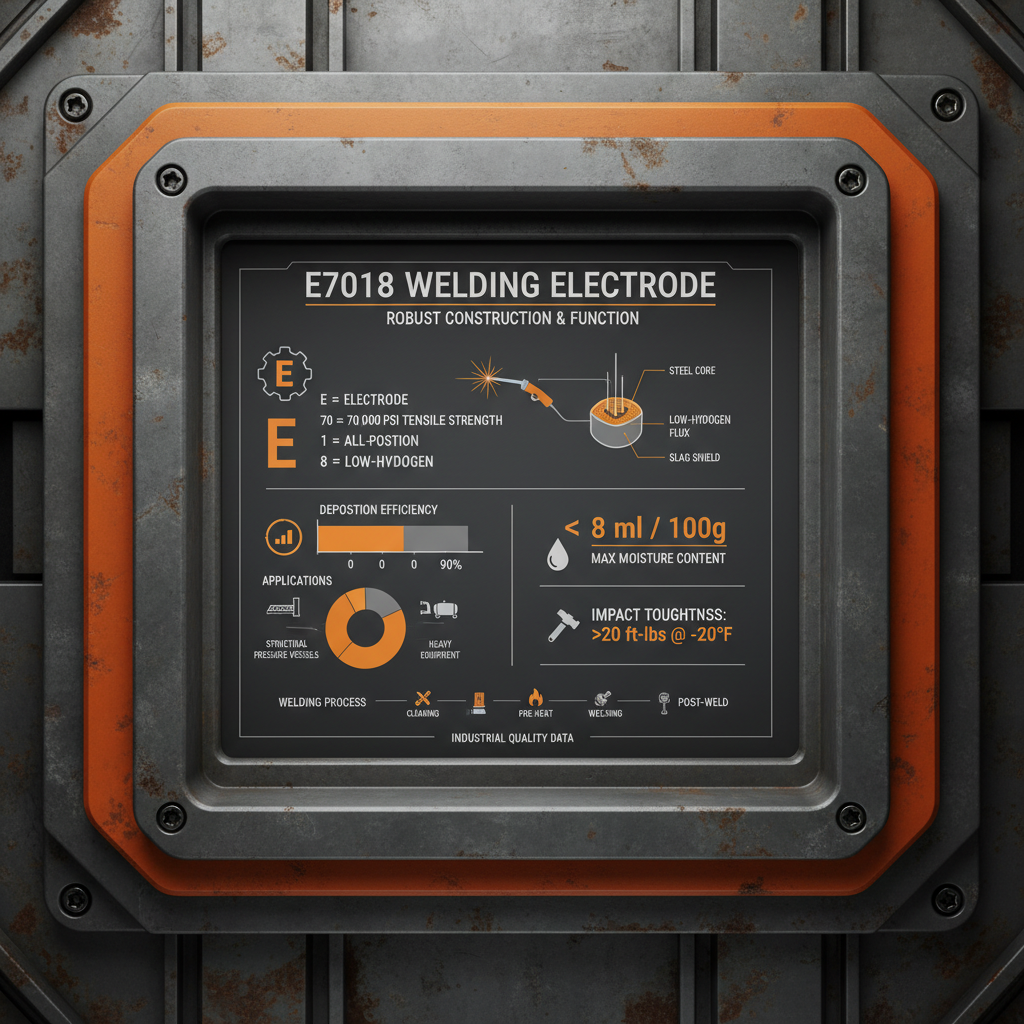
When compared to other carbon steel options like E6013 or E7018, the 6011 variant offers superior penetration and arc force, making it the go-to for root passes and dirty steel. While E7018 provides higher strength for critical structural joints, the 6011 is unmatched in its ability to handle the initial "dirty" work of a weld.
Comparative Performance Analysis of Electrodo 6011
Global Industrial Application Scenarios
Across the globe, the electrodo 6011 is utilized in sectors where speed and deep penetration are more critical than a perfectly smooth finish. In the oil and gas industry, it is frequently used for pipeline root passes, where the electrode must penetrate the full thickness of the pipe wall to ensure a leak-proof seal.
In remote industrial zones or post-disaster reconstruction, the ability to weld "dirty" steel—metal that may have slight traces of rust or scale—makes this electrode indispensable. Because of its high arc force, it can often burn through minor surface impurities that would cause other electrodes to stick or create porosities in the weld.
Best Practices for Electrode Maintenance
To maximize the performance of the electrodo 6011, proper handling and surface preparation are essential. While it is more forgiving than low-hydrogen rods, the weld area should always be cleared of heavy rust, oil, and water to ensure the highest quality X-ray results.
Storage is another key factor. Under normal conditions, these electrodes do not need re-drying. However, if they have been exposed to high humidity or damp environments, they should be re-dried at a temperature of 70℃ to 90℃ for approximately one hour. This restores the coating's chemical integrity and prevents hydrogen-induced cracking.
Finally, selecting the correct current is vital. Because the 6011 is compatible with both AC and DC, operators should calibrate their machines to the specific thickness of the metal. Overheating the rod can lead to excessive spatter, while underheating can result in poor fusion and lack of penetration.
Quality Standards and Flaw Detection
The reliability of the electrodo 6011 is validated through rigorous testing, including X-ray flaw detection. Achieving a "II level" X-ray rating means that the weld exhibits minimal internal defects, providing the confidence needed for high-pressure vessels and structural beams.
This level of quality is achieved by strictly controlling the cellulose potassium ratio in the coating. This ensures that the arc remains stable across all positions (PA, PB, PC, PD, PE, PF), meaning the welder can switch from flat to overhead positions without losing the integrity of the weld bead.
Beyond the 6011, professional suppliers offer a full suite of complementary products, such as E6013 for light fabrication or E7018 for high-strength structural work. Combining these tools allows a workshop to handle any project, from simple repairs to complex, X-ray-certified industrial installations.
Comparison of Welding Positions and Quality Ratings for Electrodo 6011
|
Welding Position
|
Penetration Score (1-10)
|
Stability Rating
|
X-Ray Flaw Level
|
| PA (Flat) |
10 |
High |
Level II |
| PB (Horizontal) |
9 |
High |
Level II |
| PC (Vertical Up) |
8 |
Medium |
Level II |
| PD (Overhead) |
8 |
Medium |
Level II |
| PE (Vertical Down) |
10 |
Very High |
Level II |
| PF (All Position) |
9 |
High |
Level II |
FAQS
Yes, the E6011 electrode is specifically designed to be compatible with both AC and DC current. This versatility makes it an excellent choice for various types of power sources, including basic AC buzz boxes and advanced DC inverters, ensuring you can complete your project regardless of the equipment available.
While both are cellulose-based, the E6011 is typically designed to run on AC current, whereas E6010 is primarily for DC. The E6011 provides similar deep penetration and arc force, making it more accessible for welders who only have AC equipment while still maintaining the ability to perform vertical downward welds.
Generally, no. Unlike low-hydrogen electrodes (like E7018), the E6011 does not require pre-drying for standard use. However, if the rods have been stored in a damp environment or are visibly affected by moisture, it is recommended to re-dry them at 70℃-90℃ for 1 hour to ensure optimal performance.
Yes, the electrodo 6011 is highly effective for welding steel with light rust or scale due to its high arc blow force. While it is always best practice to remove heavy impurities, the 6011 can penetrate through minor contamination much better than rutile electrodes like E6013.
Vertical downward welding allows the welder to move the electrode from the top of the joint to the bottom. This is significantly faster than the traditional "vertical up" method and reduces the overall heat input into the metal, which can prevent distortion in thinner materials while still achieving full root penetration.
When used correctly, professional-grade E6011 electrodes are designed to meet II level X-ray flaw detection. This means the weld is structurally sound with very few internal voids or inclusions, making it suitable for critical industrial applications and certified construction projects.
Conclusion
The electrodo 6011 represents a critical intersection of chemical engineering and practical utility. From its cellulose potassium coating that enables deep penetration to its unique capability for stable vertical downward welding, it solves the most common challenges faced by industrial welders. By adhering to global standards like AWS and ISO, it ensures that projects are not only completed faster but are built to last under extreme conditions.
As the manufacturing and construction industries move toward higher efficiency and tighter safety tolerances, the reliance on versatile, high-performance consumables will only grow. For professionals aiming to optimize their workflow without sacrificing structural integrity, investing in high-quality electrodes is the most effective strategy. We invite you to explore our full range of welding solutions to find the perfect match for your next project. Visit our website: www.steeltoolschina.com