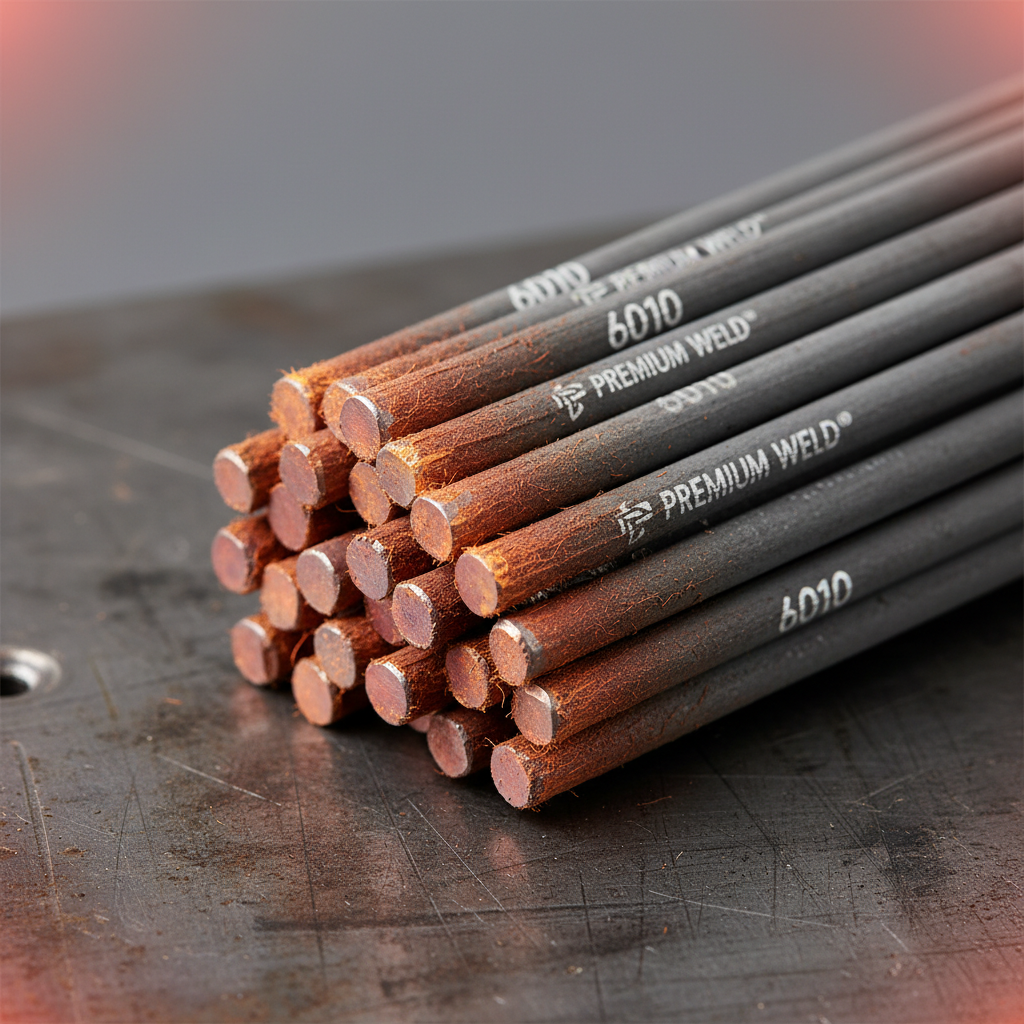
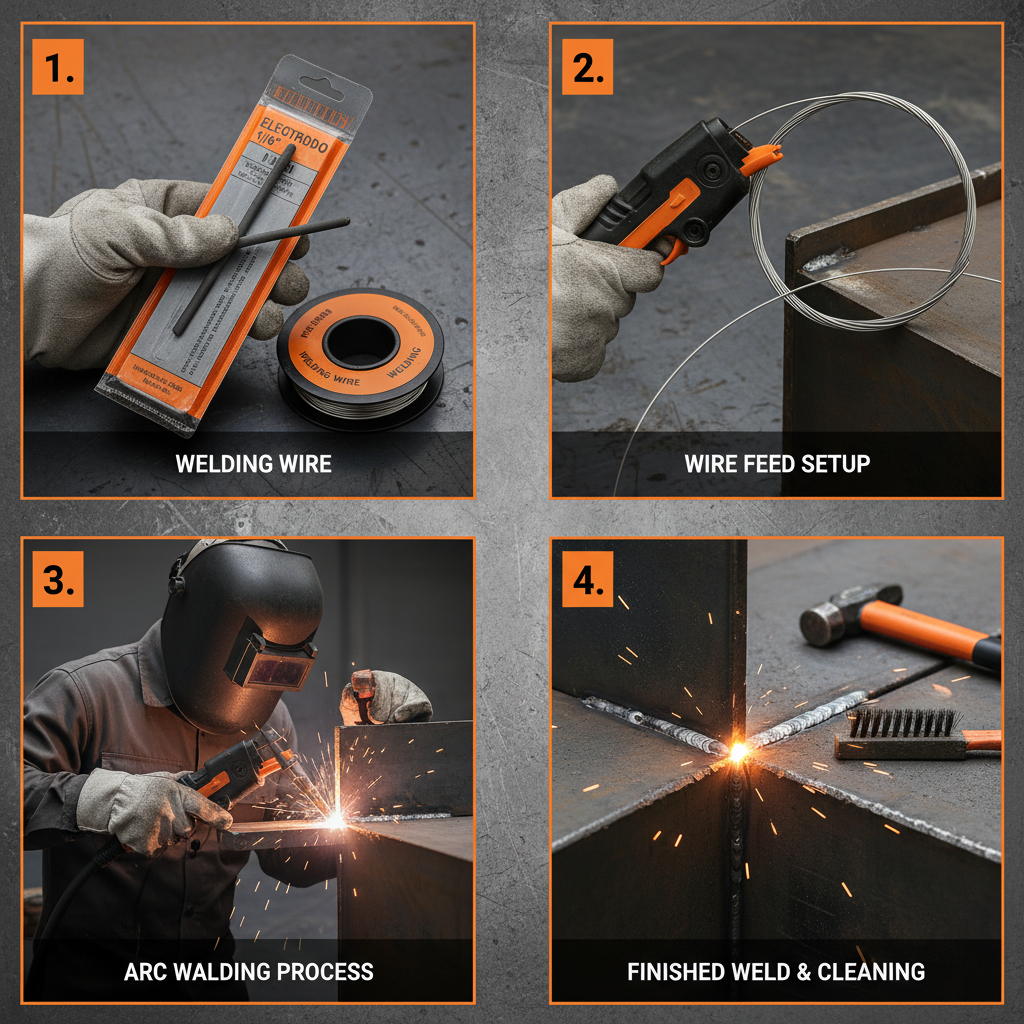
In the demanding world of industrial fabrication, selecting the right filler material is the difference between a structural failure and a lifelong bond. The search for high-performance consumables often leads professionals to explore specialized options like j422 welding electrodes, which are designed to meet rigorous mechanical standards in metal tool and component manufacturing.
Modern infrastructure, from massive pressure vessels to intricate machinery, relies on the integrity of low-hydrogen potassium carbon steel electrodes. These tools ensure that welds can withstand extreme pressures and temperature fluctuations without cracking, providing the stability required for heavy-duty industrial applications across the globe.
Understanding the technical nuances of j422 welding electrodes allows engineers to optimize their welding positions and current settings. By prioritizing a stable arc and minimal spatter, manufacturers can significantly reduce post-weld cleanup and enhance the overall aesthetic and structural quality of the final product.
Global Relevance of High-Strength Welding Electrodes
Across the global manufacturing landscape, the demand for high-tensile welding materials has surged as industries move toward lighter yet stronger alloy steels. The implementation of j422 welding electrodes and similar E7016-grade consumables ensures that critical joints in petroleum chemicals and boiler manufacturing meet ISO 2560-B-E standards, reducing the risk of catastrophic failure in high-pressure environments.
As urban centers expand, the reliance on bridges and ships built with high-impact toughness materials becomes paramount. By utilizing electrodes with an impact toughness of 100J at -50°C, engineers can ensure that structures remain resilient even in the harshest arctic climates or deep-sea conditions, maintaining global safety and logistics continuity.
Defining the Technical Scope of j422 Welding Electrodes
When we discuss j422 welding electrodes in a professional context, we are referring to low-hydrogen potassium carbon steel electrodes, typically categorized under AWS A5.1 E7016. These electrodes are specifically engineered for welding medium carbon steel and important low alloy steels, where the prevention of hydrogen-induced cracking is the primary technical objective.
The "low hydrogen" aspect is critical because hydrogen atoms can migrate into the heat-affected zone of a weld, leading to embrittlement. By utilizing a potassium-based coating, these electrodes provide a stable arc and an efficient slag removal process, making them indispensable for high-stakes fabrication where weld integrity is non-negotiable.
From a mechanical standpoint, these electrodes deliver a tensile strength of 470MPa and a yield strength of 390MPa. This ensures that the deposited metal is not only strong enough to hold the load but also possesses the ductility—evidenced by a 30% section elongation—necessary to absorb energy without fracturing.
Core Components of Low-Hydrogen Performance
The efficiency of j422 welding electrodes stems from their precise chemical composition and coating. The potassium carbon steel formulation allows for all-position welding (PA, PB, PC, PD, PE, PF), giving fabricators the flexibility to work on complex geometries without compromising the mechanical properties of the weld metal.
A key operational requirement for j422 welding electrodes is the necessity of drying before use. This step is vital to remove any absorbed moisture from the coating, which would otherwise introduce hydrogen into the weld pool and negate the benefits of the low-hydrogen design.
Furthermore, the interaction between the electrode and the base metal requires a clean surface. Removing oil stains, rust, and moisture ensures that the stable arc provided by the electrode can penetrate deeply and create a sound fusion, leading to excellent crack resistance and a professional weld appearance.
Practical Applications in Heavy Industry
In the field, j422 welding electrodes are most effective when used with short arc welding and narrow pass welding techniques. These methods maximize the heat input control and minimize the width of the heat-affected zone, which is essential when working with low alloy steels used in pressure vessels and nuclear reactor components.
Whether operating on AC or DC power sources, these electrodes provide a consistent performance that is highly valued in the shipbuilding and bridge construction industries. The ability to achieve a stable arc with little spatter means that production timelines are shortened and labor costs associated with grinding and polishing are significantly reduced.
Performance Analysis of j422 Welding Electrodes Variants
Long-Term Value and Structural Reliability
Investing in high-quality j422 welding electrodes provides a logical advantage in terms of lifecycle cost. Because the resulting weld metal has superior mechanical properties and high crack resistance, the frequency of maintenance intervals is reduced, and the risk of unplanned downtime in industrial plants is minimized.
Beyond the numbers, there is an emotional value in trust and safety. Knowing that a bridge or a pressure vessel was joined using electrodes that meet strict AWS and ISO standards gives engineers and operators peace of mind, ensuring that the infrastructure protects the lives of those who use it every day.
Future Trends in Welding Metallurgy
As we look toward the future, the evolution of j422 welding electrodes will likely be driven by the need for greener manufacturing. Digital transformation in the form of smart welding machines is allowing for more precise current control, which will further enhance the stable arc characteristics of low-hydrogen electrodes.
Furthermore, there is a growing trend toward automating the welding of low alloy steels. Robotic systems integrated with high-performance consumables are enabling the construction of more complex, geometrically optimized structures that were previously impossible to weld manually, pushing the boundaries of architectural and mechanical design.
Sustainability is also playing a role, as manufacturers seek to reduce the energy required for the drying process of electrodes. Innovations in coating chemistry may soon lead to "ready-to-use" low-hydrogen electrodes that maintain their properties without the need for intensive oven-drying, significantly reducing the carbon footprint of the fabrication shop.
Overcoming Common Welding Challenges
One of the most common challenges when using j422 welding electrodes is the occurrence of porosity if the base metal is not properly cleaned. To solve this, we recommend a rigorous pre-welding protocol that includes mechanical wire brushing and chemical degreasing to ensure a pristine surface for the arc.
Another frequent issue is the failure to maintain the correct interpass temperature. For medium and low alloy steels, controlling the heat input is essential to avoid altering the microstructure of the metal. Utilizing narrow pass welding not only improves efficiency but also helps in managing the heat distribution across the joint.
Lastly, the risk of moisture contamination after drying can be mitigated by using heated electrode quivers. By keeping the j422 welding electrodes warm and dry right up until the moment of use, welders can guarantee the low-hydrogen integrity of the weld, ensuring maximum crack resistance.
Comparison Analysis of j422 Welding Electrodes Performance Dimensions
| Performance Dimension |
j422 Standard Metric |
Industrial Requirement |
Reliability Score (1-10) |
| Tensile Strength |
470 MPa |
High Load Bearing |
10 |
| Impact Toughness |
100J (-50°C) |
Cold Weather Resistance |
9 |
| Arc Stability |
Potassium Coating |
Low Spatter Requirement |
9 |
| Elongation |
30% |
Ductility & Flexibility |
8 |
| Slag Removal |
Easy Peeling |
Production Speed |
10 |
| Positioning |
All-Position |
Complex Geometries |
10 |
FAQS
Drying is critical to remove moisture from the potassium carbon steel coating. If moisture remains, it dissociates into hydrogen during the welding process, which can lead to hydrogen-induced cracking (cold cracking) in the weld metal and the heat-affected zone, compromising the structural integrity of the component.
Yes, these electrodes are designed for versatility and can be used with both Alternating Current (AC) and Direct Current (DC) power sources. This flexibility allows welders to adapt to the specific requirements of their machinery and the base metal they are joining without needing different consumables.
These electrodes support all-position welding, including PA, PB, PC, PD, PE, and PF. This means they can be used for flat, horizontal, vertical-up, vertical-down, and overhead welds, making them ideal for complex industrial structures like ship hulls and pressure vessel walls.
They are specifically optimized for welding medium carbon steel and important low alloy steels. Because of their high tensile strength and impact toughness, they are the preferred choice for components that will be subjected to heavy loads or extreme temperatures.
To achieve the best results, use short arc welding and narrow pass techniques. Ensure the weldment surface is completely clean of oil, rust, and moisture. Following these steps, the potassium coating will provide a stable arc and a slag that is easy to remove, leaving a smooth, professional bead.
The weld metal deposited by these electrodes boasts an impressive impact toughness of 100J at -50°C. This makes the weld exceptionally resistant to brittle fractures in extremely cold environments, which is a critical safety requirement for arctic infrastructure and cryogenic vessels.
Conclusion
In summary, the use of j422 welding electrodes represents a commitment to quality and safety in industrial fabrication. By combining high tensile strength, exceptional impact toughness at low temperatures, and all-position versatility, these low-hydrogen potassium carbon steel electrodes provide a reliable solution for the most demanding applications in metallurgy, petroleum, and construction.
As the industry evolves toward higher efficiency and stricter safety protocols, prioritizing the correct consumables and preparation techniques—such as proper drying and surface cleaning—will remain the cornerstone of successful engineering. For those seeking stable quality and professional weld results, investing in certified, high-performance electrodes is the only way to ensure long-term structural viability. Visit our website: www.steeltoolschina.com