The selection of high-quality consumables is the cornerstone of structural integrity in modern industrial welding. While various methods exist, the precise application of a tig filler rod remains essential for achieving high-purity welds in critical sectors like aerospace and chemical processing. Understanding the interplay between material composition and arc stability is key to ensuring long-term joint reliability.
Across the global manufacturing landscape, the demand for precision joining is rising, pushing the boundaries of metallurgy. The transition toward more complex alloys requires a deeper understanding of how a tig filler rod interacts with base metals under varying thermal conditions. This synergy determines the weld's resistance to corrosion, stress, and fatigue in high-pressure environments.
Whether you are performing root passes in pipeline construction or intricate repairs on stainless steel, the consistency of your filler material is paramount. By integrating a professional-grade tig filler rod into your workflow, you can ensure a stable arc and superior weld formation, reducing the likelihood of costly defects and enhancing overall productivity.
Global Industry Relevance of tig filler rod
In the globalized manufacturing sector, the precision of joining technologies is a primary driver of industrial safety and efficiency. International standards, such as those set by ISO and the AWS, emphasize the critical nature of consumables like the tig filler rod, which must meet stringent chemical purity levels to prevent weld contamination. As infrastructure projects expand across Asia and the Americas, the reliance on these specialized rods has grown exponentially to support high-pressure pipeline and vessel construction.
The challenge for many industries lies in balancing cost with uncompromising quality. A failure in a single weld bead can lead to catastrophic system failures, making the selection of a reliable tig filler rod a strategic decision rather than a mere procurement task. By focusing on high-purity alloys and consistent diameters, manufacturers can ensure that their output meets global export standards and safety certifications.
Defining the Role of tig filler rod in Modern Welding
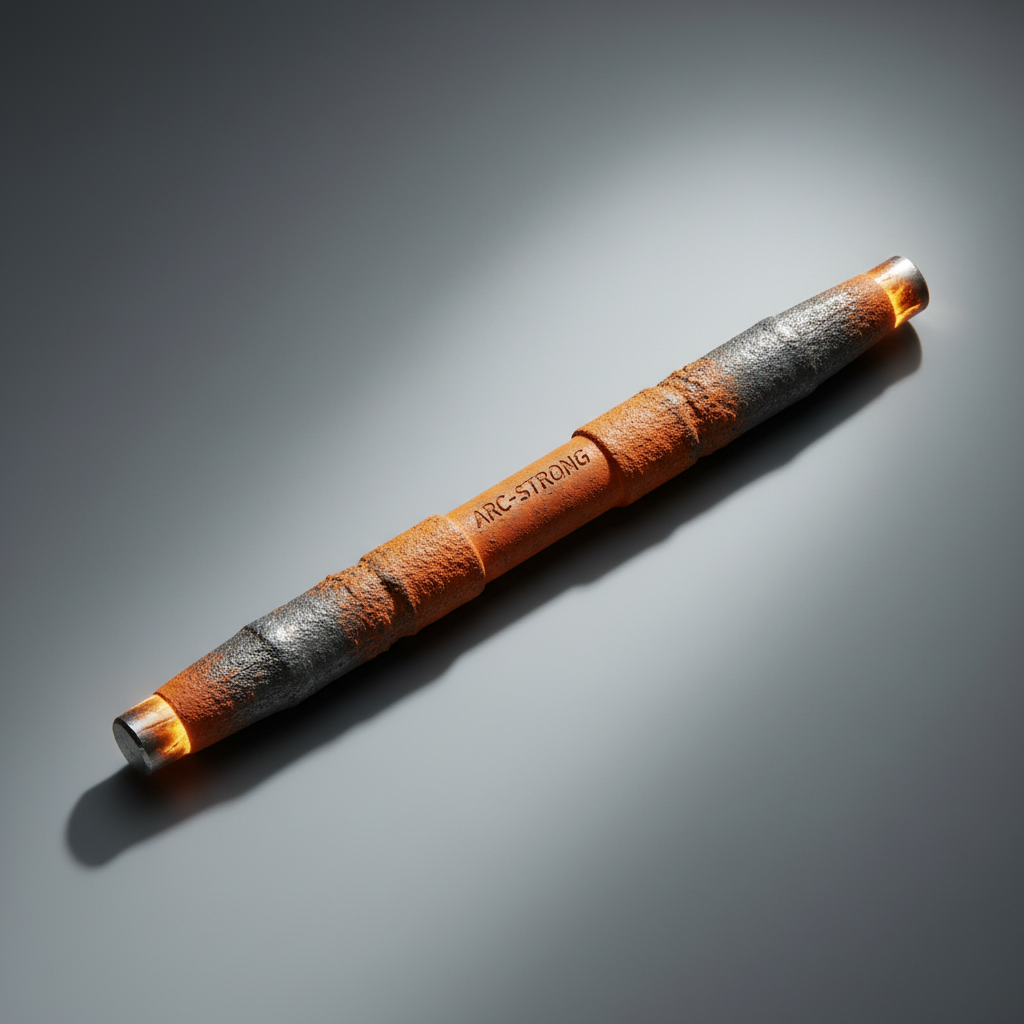
At its core, a tig filler rod is a consumable metal electrode used in Tungsten Inert Gas (TIG) welding to provide the necessary filler material to create a joint. Unlike electrodes used in SMAW, the TIG rod does not create the arc; instead, it is manually or automatically fed into the weld pool created by a non-consumable tungsten electrode. This allows the welder to have independent control over the heat input and the amount of filler added, resulting in exceptionally clean and strong welds.
The connection between this tool and modern humanitarian or industrial needs is profound. In the construction of medical equipment, food-grade piping, and clean-room environments, the use of a high-grade tig filler rod ensures that joints are smooth, non-porous, and free from slag. This prevents the accumulation of bacteria or contaminants, which is vital for public health and safety in pharmaceutical and food production facilities.
Furthermore, in the realm of sustainable energy, such as the fabrication of hydrogen storage tanks or wind turbine components, the metallurgical integrity provided by the correct tig filler rod is indispensable. The ability to weld exotic alloys with precision ensures that these green energy infrastructures can withstand extreme environmental stressors over decades of operation.
Core Technical Factors for Filler Material Performance
One of the most critical factors in selecting a tig filler rod is chemical composition. The filler must be metallurgically compatible with the base metal to avoid cracking or corrosion. For instance, using a rod with the wrong chromium or nickel content in stainless steel welding can lead to intergranular corrosion, compromising the entire structure.
Surface purity and cleanliness are equally vital. Any oil, grease, or oxidation on the surface of the tig filler rod can introduce impurities into the weld pool, resulting in porosity or inclusions. High-quality rods are manufactured under strict conditions to ensure a pristine surface, which translates directly to a stable arc and a flawless bead appearance.
Finally, dimensional consistency, specifically the diameter of the tig filler rod, affects the feeding rate and heat distribution. Variations in thickness can lead to uneven filler deposition, causing irregularities in the weld profile. Adhering to strict tolerances ensures that automated systems and manual welders alike can maintain a consistent weld bead.
Real-World Applications and Industrial Use Cases
The application of a tig filler rod spans across diverse environments, from high-tech laboratories to remote industrial zones. In the aerospace industry, these rods are used to join titanium and nickel-based alloys for engine components, where the strength-to-weight ratio and heat resistance are non-negotiable. The precision of TIG welding ensures that these critical parts can survive the extreme pressures of flight.
In post-disaster relief operations, portable welding equipment utilizing high-quality filler materials is often deployed to repair critical infrastructure, such as water pipes and structural supports. The ability to quickly create a high-strength bond using a versatile tig filler rod allows engineers to restore essential services in remote areas where permanent fabrication shops are unavailable.
Performance Efficiency of Various Filler Material Types
Long-Term Value and Reliability Benefits
Investing in a premium tig filler rod yields significant long-term economic value. While lower-cost alternatives might seem attractive initially, they often lead to higher rates of weld failure and increased rework costs. A high-reliability filler material ensures that the first pass is the final pass, reducing labor hours and material waste.
Beyond the financial metrics, there is an emotional and safety-driven value in using certified consumables. The trust that a welder places in their tig filler rod translates to the confidence that a bridge, a pressure vessel, or an aircraft wing will not fail. This reliability fosters innovation, as engineers can push the limits of design knowing the joints will hold.
Future Trends in Filler Metal Technology
The future of filler metals is being shaped by the drive toward digitalization and automation. We are seeing the rise of "smart" tig filler rod systems where feeding speeds are dynamically adjusted by AI-driven sensors that monitor the weld pool in real-time. This minimizes human error and ensures a perfectly consistent bead regardless of the welder's experience level.
Sustainability is also playing a major role, with a shift toward green metallurgy. New methods of producing a tig filler rod involve lower-carbon smelting processes and recyclable packaging. This alignment with global ESG (Environmental, Social, and Governance) goals makes sustainable consumables a requirement for many large-scale government contracts.
Furthermore, the development of nano-composite filler materials is on the horizon. By incorporating nanoparticles into the tig filler rod, manufacturers can create welds with unprecedented hardness and thermal resistance, opening new possibilities for extreme-environment engineering, such as deep-sea exploration and space colonization.
Overcoming Common Welding Challenges
One of the most frequent challenges in TIG welding is tungsten contamination, which can be exacerbated by the use of an impure tig filler rod. When impurities in the filler rod splatter or cause arc instability, the tungsten electrode can easily dip into the pool. The solution lies in using rods with a high degree of purity and maintaining a strict cleaning regimen for all base materials.
Another common issue is porosity, often caused by inadequate shielding gas or contaminated filler material. By selecting a tig filler rod that is vacuum-sealed or stored in moisture-controlled environments, welders can significantly reduce the risk of gas pockets forming within the weld. Proper storage is just as important as the quality of the rod itself.
Finally, managing heat distortion in thin materials requires a strategic approach to filler addition. Expert welders recommend using a tig filler rod with a diameter slightly smaller than the joint gap to allow for better gas flow and more precise control over the heat-affected zone (HAZ), preventing warping and ensuring dimensional accuracy.
Comparative Analysis of tig filler rod Specifications by Application
| Material Grade |
Typical Diameter (mm) |
Arc Stability Score |
Corrosion Resistance |
| ER70S-6 (Carbon) |
1.6mm - 3.2mm |
9/10 |
Moderate |
| ER308L (Stainless) |
1.6mm - 2.4mm |
8/10 |
High |
| ER316L (Marine) |
1.6mm - 3.2mm |
8/10 |
Very High |
| ER4043 (Alu) |
2.4mm - 4.0mm |
7/10 |
High |
| Grade 5 (Titanium) |
1.6mm - 2.4mm |
9/10 |
Extreme |
| Ni-Alloy 600 |
2.0mm - 3.2mm |
8/10 |
High |
FAQS
The choice depends on the thickness of the base metal and the joint design. For thin sheets, a smaller diameter (1.6mm) provides better control and prevents burn-through. For thicker sections, a larger rod (2.4mm or 3.2mm) is preferred to fill the joint more quickly and efficiently, reducing the overall heat input time. Always match the rod size to the current settings of your welding machine for optimal arc stability.
Absolutely not. Using a carbon steel rod on stainless steel will contaminate the weld, leading to a loss of corrosion resistance and significantly increasing the risk of rust and structural failure. You must use a filler rod that matches the grade of the base metal, such as ER308L or ER316L for stainless steel, to maintain the integrity of the alloy.
Porosity is typically caused by contamination or gas shielding issues. Ensure your tig filler rod is clean and free of oil or oxidation. Additionally, check that your shielding gas flow rate is correct and that there are no leaks in your torch hose. If the rod has been exposed to moisture, it may introduce hydrogen into the weld pool, which creates pores upon cooling.
ER308L is generally used for standard stainless steel applications, providing excellent strength and general corrosion resistance. ER316L contains molybdenum, which makes it significantly more resistant to chlorides and marine environments. If your project involves saltwater exposure or chemical processing, ER316L is the superior choice for long-term durability.
Filler rods should be stored in a cool, dry environment, ideally in their original sealed packaging. For highly sensitive materials like titanium or certain aluminum alloys, using a desiccator or a climate-controlled storage cabinet prevents surface oxidation and moisture absorption, ensuring that the rod remains pristine until it enters the weld pool.
While high-quality rods from reputable manufacturers are cleaned during production, it is good practice to wipe them with a lint-free cloth and a small amount of acetone if they have been stored in an open environment. This removes any fingerprints or airborne dust that could cause weld defects, ensuring the highest possible purity in the final joint.
Conclusion
The meticulous selection and application of a tig filler rod are fundamental to the success of any high-precision welding project. From the chemical composition and surface purity to the dimensional consistency, every detail of the filler material directly impacts the strength, safety, and longevity of the final weld. By understanding the technical nuances and adhering to global standards, manufacturers can ensure that their infrastructure is built to last.
As we look toward a future of automated welding and sustainable metallurgy, the role of high-performance consumables will only become more critical. We encourage industry professionals to prioritize quality over short-term cost savings to avoid the risks of structural failure. For those seeking the highest standard in welding consumables, visit our website: www.steeltoolschina.com.