In the demanding world of industrial metal fabrication, selecting the right consumable is the difference between a structural failure and a lifelong bond. Among the diverse array of options, the welding electrode 6010 stands out as a cornerstone for deep penetration and root pass excellence. Understanding the technical nuances of these electrodes allows engineers and welders to optimize their workflow and ensure the integrity of heavy-duty steel structures.
Across the global manufacturing landscape, the demand for high-strength welding solutions has surged as infrastructure projects grow in complexity. From the construction of massive oil pipelines to the maintenance of shipbuilding hulls, the ability to achieve a stable arc and deep fusion is critical. This is where specialized consumables, including the versatile welding electrode 6010, play a pivotal role in maintaining safety standards and operational efficiency.
While many professionals focus on the final appearance of a weld, the true value of a high-quality welding electrode 6010 lies in its ability to penetrate through rust, paint, and oil. By leveraging the correct chemistry and coating, manufacturers can reduce the need for extensive pre-cleaning, thereby accelerating production timelines without compromising the mechanical properties of the joint.
The Industrial Significance of Welding Electrode 6010
The global reliance on steel for infrastructure makes the selection of the correct welding consumable a matter of public safety. The welding electrode 6010 is widely recognized for its cellulosic coating, which enables the high-pressure arc necessary for deep penetration. This characteristic is indispensable in the "root pass" of a pipe weld, ensuring that the very base of the joint is fully fused and free of defects.
In an era where ISO and AWS standards dictate the quality of construction, the consistency of the electrode's performance is paramount. By providing a stable arc and excellent penetration, these tools allow companies to meet stringent X-ray soundness requirements. Whether in the heart of a petroleum plant or a heavy steel plate assembly, the reliability of the welding process depends on the purity and quality of the electrode used.
Technical Definition and Core Characteristics
In simple technical terms, a welding electrode 6010 is a Shielded Metal Arc Welding (SMAW) consumable designed specifically for high-penetration needs. The "60" indicates a minimum tensile strength of 60,000 psi, while the "1" signifies its ability to be used in all welding positions. This combination makes it a versatile tool for field welders who must operate in confined spaces or awkward angles.
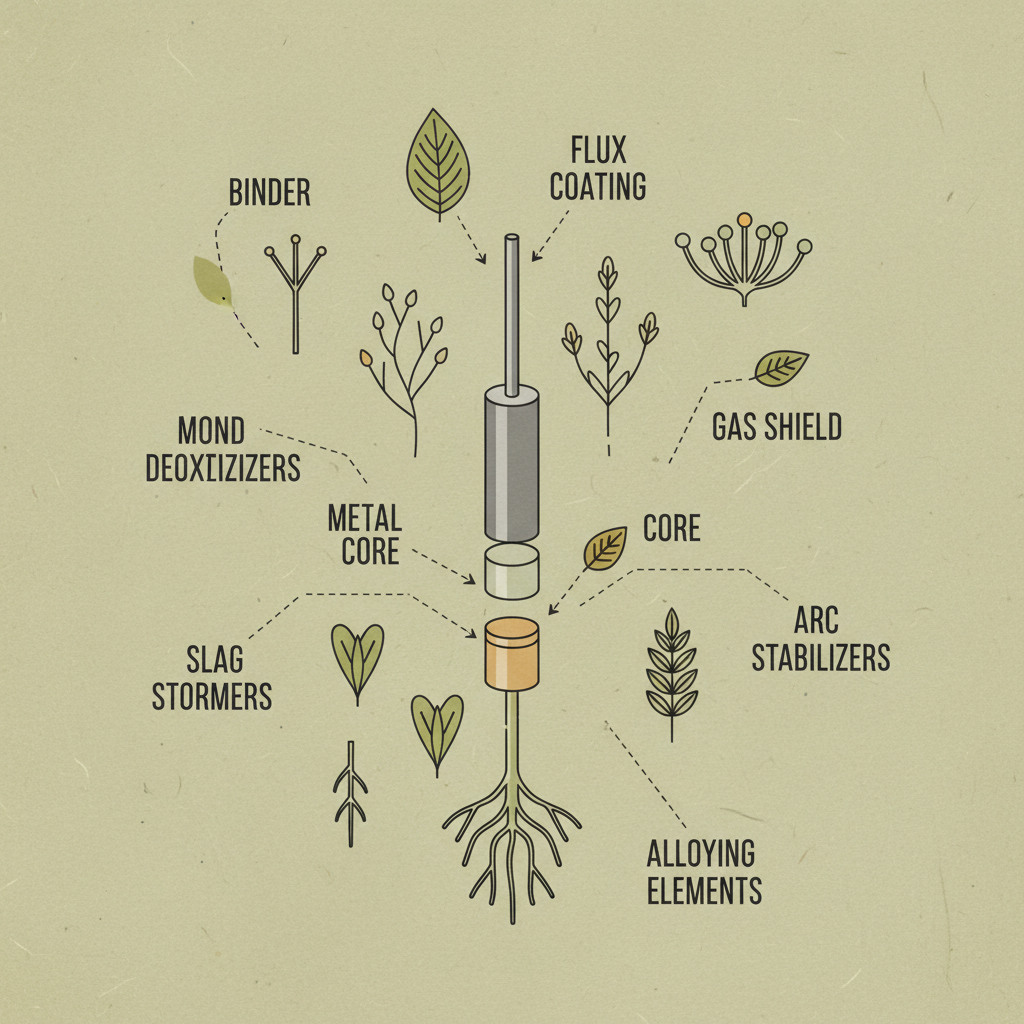
The core of its functionality lies in the cellulose-based flux coating. Unlike low-hydrogen electrodes that focus on crack resistance in thick sections, the 6010 is built for "digging" into the base metal. This allows it to effectively burn through surface contaminants such as light rust or mill scale, making it an ideal choice for the first pass of a multi-pass weld on structural steel.
From a humanitarian and industrial perspective, the efficiency of these electrodes reduces the time required for critical repairs in disaster-prone areas or remote industrial zones. By enabling faster, deeper welds with fewer preparation steps, the welding electrode 6010 supports the rapid deployment of essential infrastructure, from water pipelines to emergency bridges.
Key Performance Factors for High-Strength Applications
When analyzing the performance of a welding electrode 6010, the first critical factor is the arc stability. A stable arc reduces spatter and ensures that the weld bead is deposited consistently, which is vital for maintaining the mechanical properties of the joint. This stability allows the welder to maintain a tight arc gap, maximizing the heat input and penetration depth.
Another essential aspect is the slag removal process. The cellulose coating of the welding electrode 6010 is designed to produce a thin, easily removable slag. This is a significant advantage in multi-pass welding, as it minimizes the time spent cleaning between layers and reduces the risk of slag inclusions, which could lead to failures during X-ray inspection.
Lastly, the adaptability to different power sources is a key driver of its popularity. Whether using AC or DC currents, these electrodes provide predictable results across various equipment brands. This flexibility ensures that the welding electrode 6010 can be utilized in everything from small portable generators on-site to heavy-duty industrial power plants in a factory setting.
Global Applications and Industrial Use Cases
The practical application of the welding electrode 6010 is most evident in the oil and gas sector. In the construction of cross-country pipelines, the "root pass" must be perfect to prevent leaks under high pressure. The deep-penetration capability of these electrodes ensures that the inner diameter of the pipe is fully welded, creating a seamless and secure conduit for petroleum and natural gas.
Beyond pipelines, these electrodes are heavily utilized in shipbuilding and heavy equipment repair. In remote industrial zones where steel plates are exposed to harsh environments and surface oxidation, the ability of the welding electrode 6010 to weld through contaminants without extensive grinding saves thousands of man-hours and reduces operational costs.
Performance Metrics of Welding Consumables
Long-Term Advantages and Economic Value
The primary economic advantage of utilizing a high-quality welding electrode 6010 is the reduction in preparation time. By eliminating the need for meticulous cleaning of base metals, companies can significantly lower labor costs and project durations. This efficiency is not just about speed, but about the reliability of the result, which reduces the expensive need for re-welding and repairs.
From a safety and sustainability perspective, the high-strength bonds created by these electrodes ensure the longevity of infrastructure. When a bridge or a pressure vessel is welded with a consistent and deeply fused root, the risk of catastrophic failure is minimized. This reliability builds trust between the contractor and the client, ensuring that the finished product meets the highest global safety standards for decades to come.
Future Innovations in Electrode Technology
As the industry moves toward "Industry 4.0," the development of the welding electrode 6010 is evolving. We are seeing a trend toward more refined chemical compositions that further reduce spatter while maintaining the aggressive penetration needed for root passes. These innovations aim to make welding more environmentally friendly by reducing waste materials and energy consumption during the arc process.
Automation and robotic welding are also integrating these specialized consumables. While SMAW is traditionally a manual process, new hybrid systems are being developed to utilize the penetration benefits of the 6010 chemistry in automated settings. This digital transformation allows for higher precision and a reduction in human error, especially in repetitive structural tasks.
Furthermore, there is a growing focus on "green energy" infrastructure. The construction of wind turbine foundations and hydrogen transport pipelines requires welding consumables that can withstand extreme pressures and temperature fluctuations. The welding electrode 6010 is being adapted to these new requirements, ensuring that the transition to sustainable energy is supported by robust metallurgical bonds.
Challenges and Professional Solutions
One of the most common challenges when using a welding electrode 6010 is the mastery of the "whipping" technique required to manage the weld pool. For inexperienced welders, this can lead to excessive porosity or uneven penetration. The professional solution is a combination of rigorous training and the use of electrodes with highly consistent coating thickness, which ensures the arc behaves predictably.
Another limitation is the susceptibility to hydrogen-induced cracking in very thick, high-carbon steels. While the 6010 is unmatched for penetration, it is not a low-hydrogen electrode. Expert welders solve this by using the welding electrode 6010 only for the root pass and switching to low-hydrogen electrodes like E7018 for the filler and cap passes, creating a perfect balance of penetration and crack resistance.
Finally, moisture absorption in the coating can lead to weld defects. To overcome this, professional manufacturers implement superior packaging solutions and recommend strict storage protocols. By keeping the electrodes in climate-controlled environments, users can ensure that the chemical integrity of the cellulose flux remains intact, guaranteeing optimal performance in the field.
Comparative Analysis of Welding Electrode 6010 Performance across Dimensions
| Performance Dimension |
Root Pass Efficiency |
Surface Tolerance |
Operational Cost |
| Standard Grade 6010 |
High |
Moderate |
Low |
| Premium Grade 6010 |
Excellent |
High |
Moderate |
| Generic Alternative |
Moderate |
Low |
Very Low |
| Industrial Heavy Duty |
Excellent |
High |
Moderate |
| Field Repair Special |
High |
Excellent |
Low |
| Precision Engine Grade |
Moderate |
Moderate |
High |
FAQS
The main difference lies in the current compatibility. While the welding electrode 6010 is typically designed for DC+ (direct current electrode positive), the 6011 is designed to run on both AC and DC. Both offer deep penetration, but the 6010 is often preferred for its superior arc stability and cleaner root pass in industrial pipeline applications.
Generally, it is not recommended. The 6010 is an aggressive penetration electrode that leaves a rougher surface finish and has higher hydrogen levels than low-hydrogen rods. For the final cap pass, professionals usually switch to an E7018 electrode to achieve a smooth appearance and better mechanical strength against cracking.
Sticking is usually caused by incorrect amperage settings or contamination on the electrode tip. Ensure your machine is set to the recommended current for the rod diameter. Additionally, check that the electrode is dry; moisture in the cellulosic coating can interfere with the arc start, leading to sticking.
One of the greatest strengths of the 6010 is its ability to weld through light rust, paint, and mill scale. While a clean surface always yields the best results, the 6010 is specifically designed to minimize pre-cleaning requirements, making it highly efficient for field repairs and root passes on raw structural steel.
Store them in a cool, dry place. Because the coating is cellulose-based, it can absorb atmospheric moisture, which leads to porosity in the weld. Using airtight containers or electrode ovens (though not as critical as for 7018) is a professional practice to ensure consistent weld quality in humid environments.
For the most effective deep penetration and a stable arc, DC+ (Direct Current Electrode Positive) is the standard choice for the 6010. This polarity concentrates the heat at the electrode tip, allowing the rod to "dig" into the base metal more effectively than AC or DC-.
Conclusion
The welding electrode 6010 remains an irreplaceable tool in the modern welder's arsenal, providing the essential deep penetration and surface tolerance required for heavy-duty industrial applications. From its critical role in oil and gas pipelines to its efficiency in remote structural repairs, its unique cellulosic chemistry offers a combination of speed, strength, and reliability that fewer consumables can match.
As the industry evolves toward more sustainable and automated processes, the core principles of metallurgical bonding remain the same. Investing in high-quality consumables and mastering the technical application of these electrodes is the only way to ensure structural integrity and long-term safety. To explore our full range of professional welding solutions and customize your requirements, visit our website: www.steeltoolschina.com.