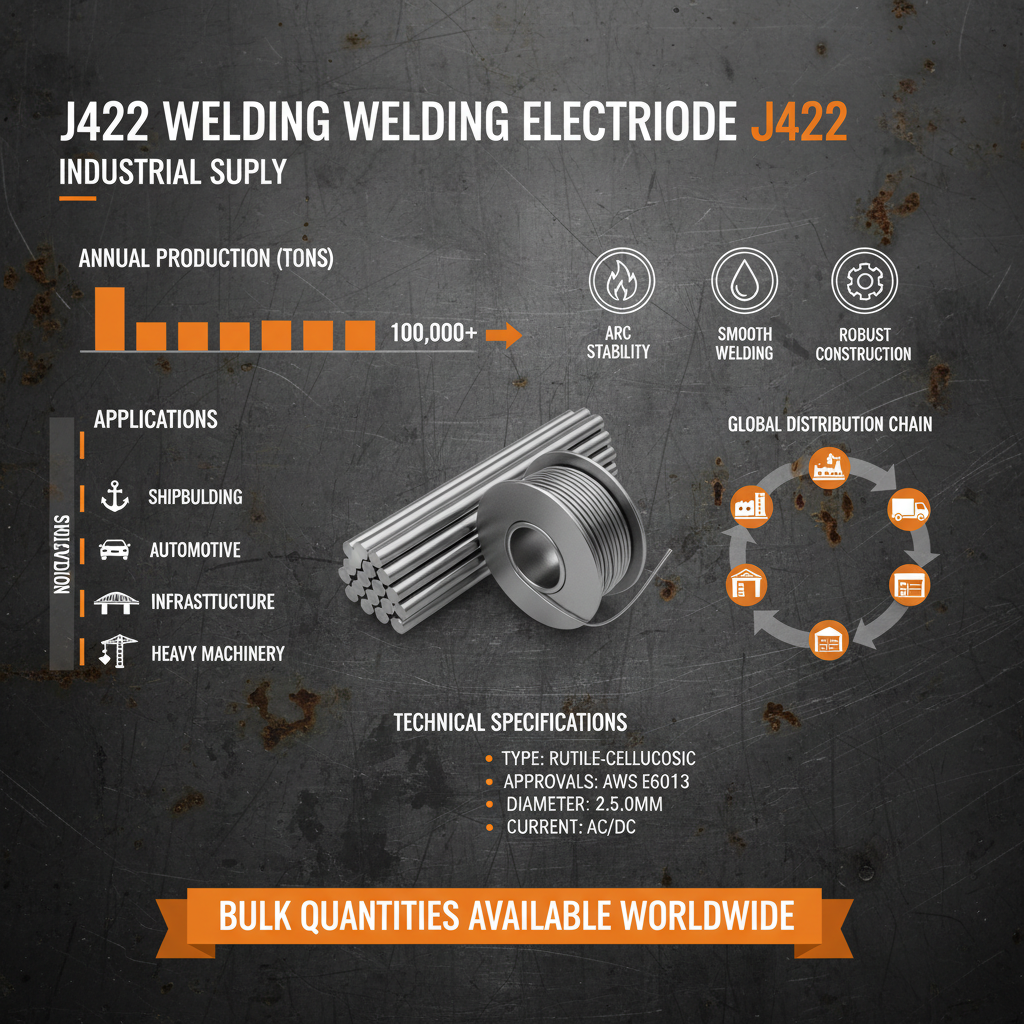
The selection of a specialized welding consumable is critical for ensuring the structural integrity of high-performance metal components. In industrial fabrication, the use of a welding electrode 3.25 variant often bridges the gap between standard carbon steel welding and the demanding requirements of tool steels and dissimilar metal joining. Understanding the chemistry and application of these electrodes is essential for engineers seeking to prevent cracking and ensure weld longevity.
Globally, the demand for high-strength, crack-resistant welds has grown as infrastructure projects move toward more complex alloy combinations. The challenge lies in managing the heat-affected zone and ensuring that the weld metal maintains mechanical properties equal to or greater than the base metal. This is where advanced duplex stainless steel electrodes, such as the E312-16, provide a technical solution by offering a balanced ferrite content to combat hot cracking.
By focusing on the technical specifications of the welding electrode 3.25 and similar high-grade consumables, operators can achieve superior results across various welding positions including PA, PB, PC, PD, PE, and PF. Whether working with high carbon steel or complex tool steels, the right combination of coating chemistry and preheating protocols ensures a seamless, high-strength bond that meets rigorous international standards.
Technical Specifications of E312-16 Electrodes
The E312-16 is a specialized duplex stainless steel electrode characterized by its advanced titanium-calcium coating. This specific chemistry is engineered to provide exceptional welding process performance, allowing for versatility across both AC and DC power sources, which is a significant advantage when using a welding electrode 3.25 in diverse workshop environments.
One of the most critical technical attributes of this electrode is the resulting weld metal composition, which contains approximately 40% ferrite. This high ferrite content is specifically designed to provide excellent crack resistance, making it an indispensable tool for welding materials prone to solidification cracking or those subjected to high thermal stress.
Material Compatibility and Applications
The primary application of these electrodes is the welding of high carbon steel and tool steel, where traditional electrodes often fail due to brittleness or lack of fusion. By utilizing a high-grade welding electrode 3.25, technicians can successfully join dissimilar metals, creating a robust transition zone that maintains structural integrity under heavy loads.
In the context of tool manufacturing and heavy machinery, these electrodes are utilized for cladding and repair work where hardenable steels are present. The ability to bridge the gap between different metal grades without compromising the mechanical properties of the base metal is what makes this duplex stainless steel solution highly valued in the metal tools industry.
Furthermore, the adaptability of the E312-16 ensures it can be used in various industrial settings, from precision tool shops to large-scale fabrication plants. Its capacity to handle dissimilar metal joining reduces the need for expensive intermediate filler materials, streamlining the production process while enhancing the overall durability of the finished product.
Critical Welding Process Controls
To achieve the maximum benefit from a welding electrode 3.25, strict adherence to pre-welding protocols is mandatory. The electrode must be baked at 300-350℃ for one hour prior to use to remove moisture and volatile components from the coating, ensuring a stable arc and clean weld deposit.
Surface preparation is equally vital; all rust, grease, and moisture must be completely removed from the base metal. When dealing with hardenable steels or thick workpieces using low current, a preheating temperature of 150℃ is recommended to prevent cold cracking and reduce the risk of hydrogen-induced cracking in the heat-affected zone.
The operational flexibility of this welding electrode 3.25 is demonstrated by its capability in all welding positions: PA (flat), PB (horizontal), PC (vertical up), PD (vertical down), PE (overhead), and PF (pipe). This ensures that regardless of the component's geometry, a high-quality weld can be achieved.
Performance Metrics for Industrial Use
Evaluating the performance of a welding electrode 3.25 involves analyzing its mechanical properties relative to the base metal. The governing principle is equal strength, ensuring that the weld metal does not become the weak point of the assembly, adhering to standards like GB/T 5117 and GB/T 5118.
The efficiency of the duplex stainless steel composition is particularly evident when compared to standard carbon steel rods. The balance of austenite and ferrite not only prevents cracking but also provides superior corrosion resistance, which is critical for tools and components operating in harsh industrial environments.
Comparative Performance of Welding Electrode 3.25 Variants
Packaging and Logistics Standards
To ensure the quality of the welding electrode 3.25 from the factory to the job site, a rigorous packaging system is implemented. The electrodes are packed in 5kg boxes, with 4 boxes per carton, totaling 20kgs per carton. For bulk shipments, 50 cartons are placed on a single pallet to prevent damage during transit.
For international logistics, the product is shipped in 20-foot FCL (Full Container Load) containers, accommodating between 21MT and 26MT. This standardized approach ensures that the electrodes remain protected from environmental moisture and physical impact, preserving the integrity of the titanium-calcium coating before the user begins the required baking process.
Quality Assurance and Material Standards
The reliability of a welding electrode 3.25 depends heavily on the quality of raw materials. All steel numbers and specifications for the welding parts must strictly comply with technical drawings and the facility's material substitution system to avoid metallurgical failures.
Upon entering the factory, all consumables, including welding rods, wires, and fluxes, undergo strict inspection and acceptance based on relevant material standards. Any materials lacking a certificate of conformity are subject to re-inspection to ensure they meet the safety and strength requirements of the intended application.
Furthermore, the storage of these consumables is tightly controlled. After the initial baking process, electrodes must be stored in an incubator and retrieved only as needed. It is a critical safety rule that a welding electrode 3.25 should not be baked more than twice, as over-baking can degrade the coating properties.
Implementation Guidelines for Tool Steel
When implementing the use of a welding electrode 3.25 for tool steel, the operator must balance current and heat input. For complex or thick workpieces, the combination of a 150℃ preheat and a controlled low current prevents the formation of brittle martensite in the heat-affected zone.
The process involves a meticulous cycle: cleaning the surface of all impurities, baking the electrode at the specified 300-350℃, and applying the weld using the appropriate position (PA through PF). This systematic approach ensures that the duplex stainless steel characteristics—specifically the 40% ferrite—are fully utilized to prevent cracking.
Ultimately, the success of the weld is measured by the mechanical properties of the joint. By adhering to GB/T 8110 and other relevant standards, engineers can ensure that the welding electrode 3.25 provides a bond that is as strong as, if not stronger than, the base tool steel, guaranteeing long-term performance in high-stress environments.
Core Implementation Analysis for E312-16 Welding Electrodes
| Control Dimension |
Technical Requirement |
Critical Parameter |
Expected Outcome |
| Thermal Prep |
Electrode Baking |
300-350℃ / 1 Hour |
Moisture Removal |
| Base Metal |
Preheating |
150℃ (Hardenable Steel) |
Crack Prevention |
| Metallurgy |
Ferrite Content |
~40% Ferrite |
High Crack Resistance |
| Application |
Joining Type |
Dissimilar Metals |
Structural Integrity |
| Compliance |
Standard Adherence |
GB/T 5117, 5118, 8110 |
Certified Quality |
| Logistics |
Packaging Unit |
20kg Carton / 50 per Pallet |
Product Protection |
FAQS
Baking the electrode at 300-350℃ for one hour is critical to remove moisture and hydrogen from the titanium-calcium coating. If moisture remains, it can lead to porosity in the weld bead and increase the risk of hydrogen-induced cracking, especially when welding high carbon or tool steels. Proper baking ensures a stable arc and high-purity weld metal.
Yes, the E312-16 duplex stainless steel electrode is designed for versatility and can be used with both Alternating Current (AC) and Direct Current (DC) power sources. This makes it highly adaptable to different welding machines and environmental requirements without compromising the quality of the weld.
The approximately 40% ferrite content is a key feature of duplex stainless steel welds. Ferrite acts as a barrier against hot cracking during the solidification process. By maintaining this balance, the electrode ensures that the weld remains crack-free even when joining dissimilar metals or materials with high carbon content.
Preheating to 150℃ is required when welding hardenable steels, particularly when using a small current to weld complex or thick workpieces. This process slows the cooling rate of the weld and the heat-affected zone, preventing the formation of brittle structures and reducing internal stresses that could lead to cracking.
According to technical guidelines, a welding electrode should not be baked more than twice. Excessive baking can cause the coating to become brittle or degrade the chemical properties of the titanium-calcium flux, which may negatively impact the arc stability and the mechanical properties of the resulting weld.
Bulk shipments are organized as 5kg boxes, 4 boxes per 20kg carton, and 50 cartons per pallet. These are typically loaded into a 20-foot FCL container, allowing for a capacity of 21MT to 26MT. This ensures the electrodes are securely packed to withstand international transit.
Conclusion
The use of the E312-16 duplex stainless steel welding electrode 3.25 represents a sophisticated approach to solving the challenges of welding high carbon steel, tool steel, and dissimilar metals. By combining a titanium-calcium coating with a 40% ferrite weld composition, this consumable ensures exceptional crack resistance and mechanical strength across all welding positions. The success of the application, however, remains dependent on strict adherence to baking, preheating, and surface preparation protocols.
Looking forward, the integration of such high-performance consumables is essential for the evolution of precision tool manufacturing and heavy-duty infrastructure. Operators and engineers are encouraged to maintain rigorous quality control and material certification standards to ensure the safety and longevity of their components. For those seeking reliable, industrial-grade welding solutions that meet GB/T and international standards, we invite you to explore our full range of products. Visit our website: www.steeltoolschina.com