Welding rods 6010, also known as cellulose sodium coated electrodes, are a staple in various welding applications worldwide. Their versatility and effectiveness in out-of-position welding, coupled with their deep penetration capabilities, make them crucial for industries ranging from construction and shipbuilding to pipeline maintenance and repair. The demand for high-quality welding rods 6010 continues to grow as infrastructure projects expand globally, and skilled welders are increasingly needed to execute these projects efficiently and safely.
Globally, the welding industry is a multi-billion dollar market, with welding rods constituting a significant segment. The United Nations Industrial Development Organization (UNIDO) highlights the importance of robust infrastructure for economic development, and welding is integral to this development. A key challenge remains ensuring consistent quality and availability of welding consumables, like welding rods 6010, particularly in developing nations and areas undergoing rapid industrialization. Proper selection and application of these rods are paramount for structural integrity and safety.
The increasing focus on skilled labor and the need for reliable, durable infrastructure amplify the significance of understanding welding rods 6010. Investing in the correct welding rod, combined with proper technique, reduces rework, lowers project costs, and ensures long-term structural reliability. This is a critical aspect of modern industrial practices.
The Importance of Welding Rods 6010 in Modern Industry
Welding rods 6010 represent a critical component in structural welding, particularly where deep penetration and strong, ductile welds are required. They are widely used in the initial root passes of pipeline welds, offering excellent arc starting and restart capabilities, even on dirty or rusty metal. This makes them ideal for field repairs and maintenance where surface preparation may be limited.
The prevalence of welding rods 6010 stems from their ability to perform reliably in various positions – flat, horizontal, vertical, and overhead. This versatility makes them a preferred choice for welders tackling complex fabrication and repair projects. Understanding the specific properties and best practices for using 6010 rods is essential for maintaining high weld quality and structural integrity.
Defining Welding Rods 6010
Welding rods 6010 are a type of shielded metal arc welding (SMAW) electrode coated with a heavy cellulose sodium coating. The ‘6010’ designation, according to AWS specifications, indicates that they have a tensile strength of approximately 60,000 psi and are suitable for all-position welding using direct current (DC) with electrode positive polarity (DCEN). This polarity provides a focused arc and deeper penetration.
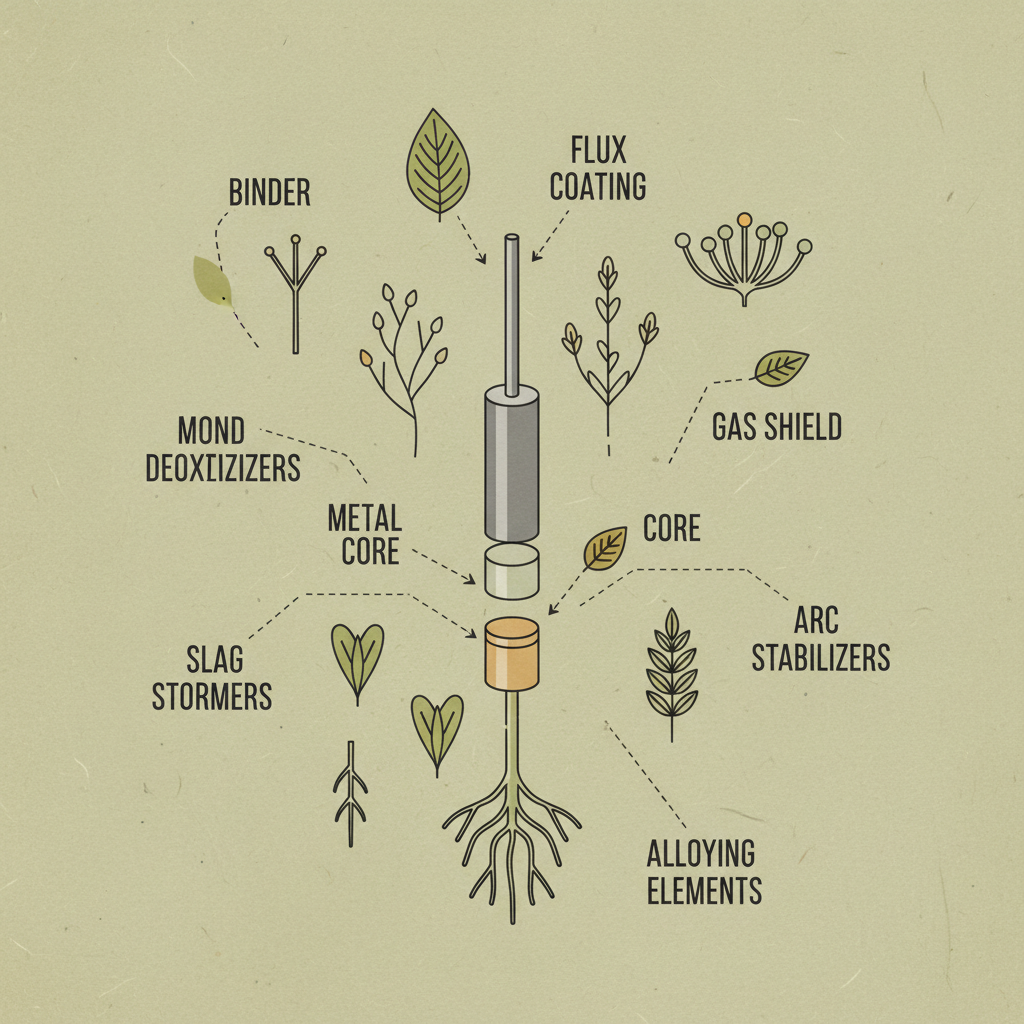
These rods are known for their fast-freezing slag, which helps to maintain weld shape and prevent sagging in vertical and overhead positions. The cellulose coating burns during welding, creating a shielding gas that protects the weld pool from atmospheric contamination. This process is fundamental to producing sound, high-quality welds.
In the context of modern industry, welding rods 6010 contribute significantly to critical infrastructure projects. From constructing bridges and buildings to repairing pipelines and pressure vessels, their reliability and performance are essential. Even in humanitarian efforts, like disaster relief, they provide a readily available and effective solution for quick repairs.
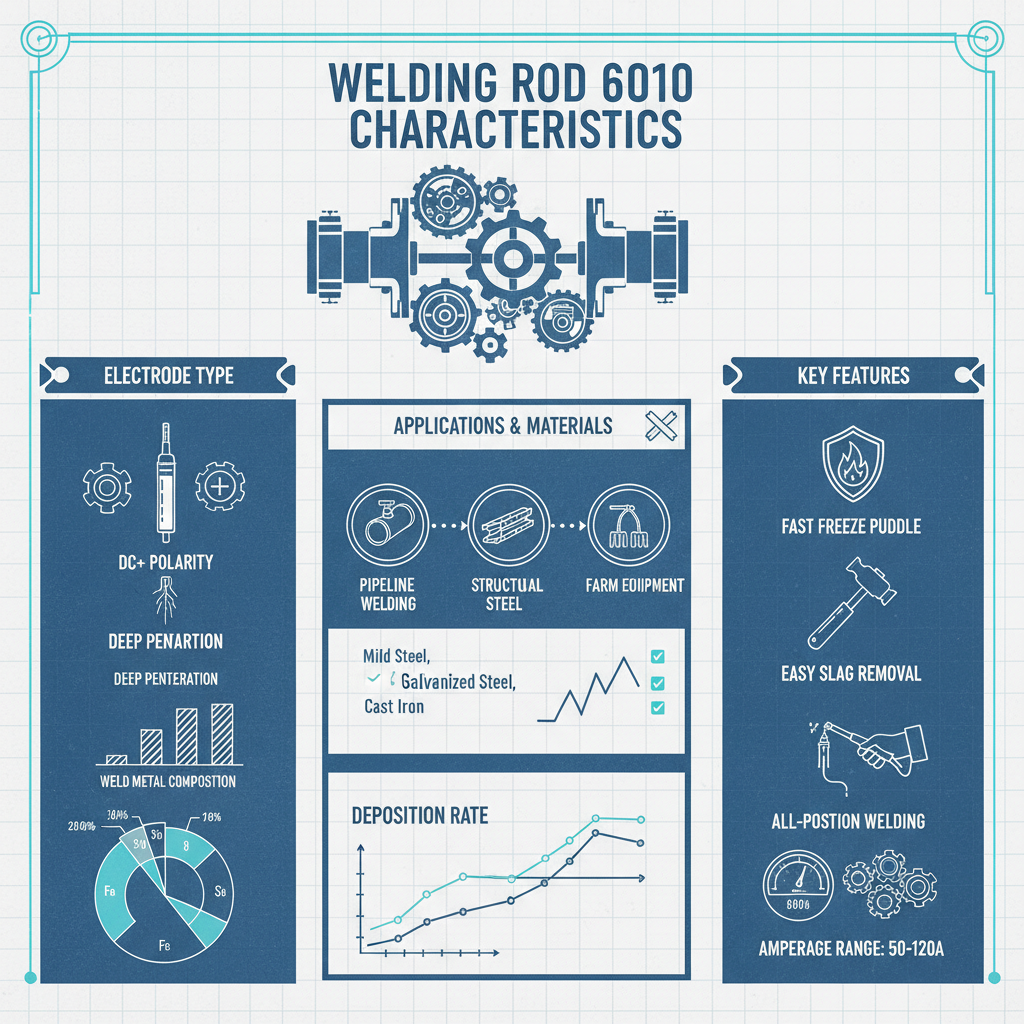
Key Characteristics of Welding Rods 6010
One of the defining characteristics of welding rods 6010 is their exceptional arc starting and restart ability. This is attributed to the readily ionizable components in the cellulose coating. This is incredibly useful in interrupted welding scenarios or when welding on less-than-ideal surfaces.
Deep penetration is another key characteristic. The focused arc achieved with DCEN polarity allows the weld to fuse deeply into the base metal, creating a strong and reliable joint. This makes 6010 rods especially valuable in applications where high joint strength is crucial.
The fast-freezing slag created during welding provides excellent control during out-of-position welding. This minimizes the risk of weld sagging or undercut, resulting in a cleaner and more aesthetically pleasing weld bead. The slag is also relatively easy to remove after welding.
Practical Applications and Use Cases
Welding rods 6010 find widespread application in the construction of pipelines, where deep penetration and reliable root pass welds are paramount. They are also essential in shipbuilding, particularly for welding thick plate steel in hull construction and repair. Their versatility allows them to be used on a variety of steel types.
In the field of structural steel fabrication, 6010 rods are frequently used for initial tack welds and root passes before transitioning to other electrode types for fill and cap passes. This approach leverages the 6010’s superior penetration to create a strong foundation for the overall weld.
Welding Rod 6010 Performance Metrics
Global Applications of Welding Rods 6010
Across North America, welding rods 6010 are a mainstay in the oil and gas industry for pipeline construction and maintenance. In Europe, they are commonly used in shipbuilding and the repair of aging infrastructure. Asia, experiencing rapid industrial growth, exhibits a high demand for these rods in construction, manufacturing, and infrastructure projects.
In remote industrial zones, such as those in Australia’s mining sector, the robustness and reliability of 6010 rods are critical for on-site repairs. Similarly, in post-disaster relief operations, their ability to weld on dirty or corroded surfaces makes them invaluable for quickly repairing damaged infrastructure.
Organizations like the American Welding Society (AWS) and the International Institute of Welding (IIW) actively promote best practices in welding, including the proper application of welding rods 6010, contributing to quality control and safety standards globally.
Advantages and Long-Term Value
The cost-effectiveness of welding rods 6010 is a significant advantage, making them accessible to a wide range of users. Their durability and consistent performance translate to reduced rework and minimized downtime, resulting in substantial long-term savings. Safety is also enhanced through consistent weld quality, decreasing the risk of structural failures.
The social impact extends beyond cost savings and safety; reliable infrastructure built with 6010 rods contributes to improved living conditions and economic opportunity. The trust that engineers and welders place in these rods underscores their reliability and contributes to the overall confidence in the structures they help create.
Future Trends and Innovations in Welding Rods 6010
While welding rods 6010 remain a cornerstone of many welding applications, ongoing research is focused on optimizing their coating formulations to enhance arc stability and reduce fumes. The integration of digital technologies, such as real-time weld monitoring systems, will further improve weld quality and traceability when using 6010 rods.
Furthermore, the pursuit of sustainable welding practices is driving innovation in electrode coatings, with efforts to reduce reliance on potentially harmful materials and minimize environmental impact. Automation and robotic welding systems are also being increasingly employed to improve efficiency and consistency when using these rods.
The development of low-hydrogen versions of 6010 rods, while maintaining their ease of use, is another potential area for innovation, catering to applications demanding even greater weld integrity.
Challenges and Solutions
A common challenge with welding rods 6010 is maintaining consistent moisture control, as the cellulose coating can absorb moisture from the atmosphere, potentially leading to hydrogen embrittlement in the weld. Proper storage in a heated cabinet or drying before use is crucial.
Another limitation is the relatively high spatter produced during welding. Employing correct welding techniques, such as maintaining a consistent arc length and travel speed, can minimize spatter. Furthermore, the use of anti-spatter compounds can help protect the surrounding base metal.
Summary of Challenges and Mitigation Strategies for Welding Rods 6010
| Challenge |
Severity (1-10) |
Mitigation Strategy |
Implementation Cost (Low, Medium, High) |
| Moisture Absorption |
8 |
Store in heated cabinet/dry before use |
Medium |
| High Spatter |
6 |
Proper technique, anti-spatter compound |
Low |
| Arc Instability (Dirty Metal) |
7 |
Thorough surface cleaning |
Low |
| Slag Adhesion |
5 |
Proper weld technique, chipping hammer |
Low |
| Potential Hydrogen Embrittlement |
9 |
Low-hydrogen storage, pre-heating |
Medium |
| Operator Skill Requirement |
7 |
Comprehensive training, certification |
High |
FAQS
Welding rods 6010 are exceptionally well-suited for root passes due to their deep penetration capabilities. The focused arc achieved with DCEN polarity allows the weld to fuse deeply into the base metal, creating a strong, reliable foundation for subsequent weld layers. Their ability to start and restart easily, even on less-than-ideal surfaces, is also a significant benefit in this application.
Yes, welding rods 6010 are known for their ability to weld effectively on less-than-ideal surfaces like rusty or painted metal. However, removing loose rust, scale, and paint is still recommended to achieve the highest quality weld. While 6010 rods can penetrate through some surface contaminants, excessive buildup will compromise weld integrity.
Welding rods 6010 require direct current electrode negative (DCEN), also known as DC-. This polarity provides a concentrated arc and deeper penetration, which are key characteristics of this electrode. Using reverse polarity (DCEP or DC+) will result in a wider, less penetrating arc and is not recommended.
Hydrogen embrittlement can be prevented by keeping the rods dry and storing them in a heated rod oven. If the rods have absorbed moisture, they should be dried according to the manufacturer’s instructions before use. Preheating the base metal can also help reduce the risk of hydrogen cracking, particularly with higher-strength steels.
Slag removal with 6010 rods can sometimes be challenging due to its fast freezing rate. Using a chipping hammer and wire brush effectively is crucial. Ensure complete slag removal between passes to prevent inclusions in subsequent weld layers. A proper welding technique, maintaining a consistent arc length and travel speed, can also minimize slag adherence.
Always wear appropriate personal protective equipment (PPE), including a welding helmet with a proper shade lens, welding gloves, fire-resistant clothing, and safety glasses. Ensure adequate ventilation to avoid inhaling welding fumes. Be mindful of fire hazards and keep a fire extinguisher readily available. Follow all relevant safety regulations and guidelines.
Conclusion
Welding rods 6010 remain an indispensable tool for welders worldwide, providing a reliable and versatile solution for a wide range of applications. Their deep penetration, excellent arc starting, and ability to weld in all positions make them a cornerstone of structural welding, pipeline construction, and repair operations. Understanding their properties and proper application techniques is paramount for ensuring weld quality and safety.
Looking ahead, continued innovation in electrode coatings and the integration of digital welding technologies promise to further enhance the performance and sustainability of welding rods 6010. Investing in welder training, promoting best practices, and embracing new technologies will be crucial for maximizing the benefits of this essential welding consumable. For high-quality welding rods 6010 and expert advice, visit our website: www.steeltoolschina.com.