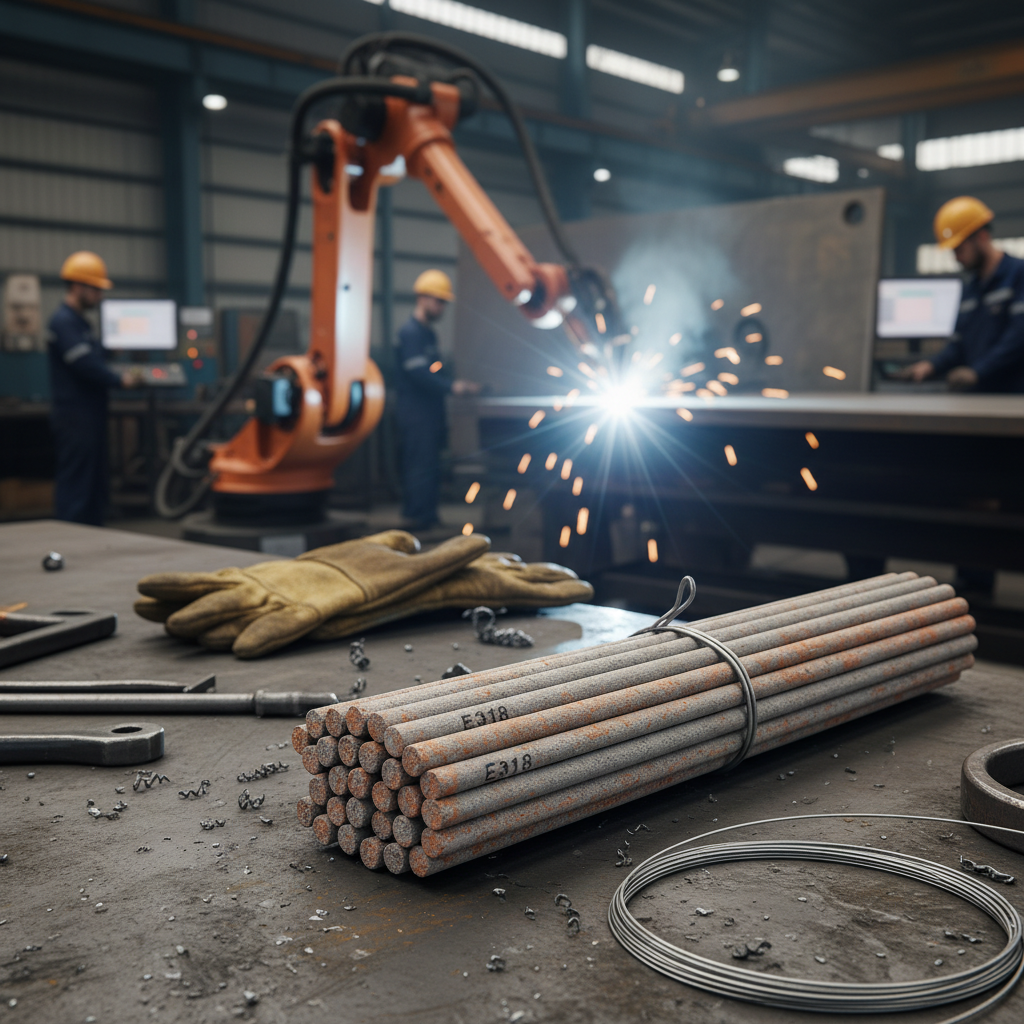
The global manufacturing sector relies heavily on high-performance joining technologies to ensure the structural integrity of critical components. Among the various consumables used in these processes, the versatility of a welding rod 6011 is often cited as a benchmark for deep penetration and ease of use in demanding environments. Understanding the nuances of these consumables allows engineers to optimize production cycles and reduce the risk of weld failure.
In the context of industrial maintenance, the ability to work with contaminated surfaces or varied metal compositions is a constant challenge. While standard electrodes often struggle with impurities, the specialized chemistry found in high-quality rods provides a robust solution for repairing heavy machinery and infrastructure. This efficiency is critical for reducing downtime in sectors ranging from automotive assembly to heavy equipment manufacturing.
Whether dealing with the intricate requirements of cast iron repair or the heavy-duty demands of structural steel, selecting the right welding rod 6011 ensures a secure bond. By focusing on the metallurgical properties and the correct application techniques, operators can achieve superior crack resistance and processability, ensuring that every joint meets international safety and quality standards.
Understanding the Metallurgical Composition of Welding Rod 6011
The effectiveness of a welding rod 6011 stems from its core chemistry. Specifically, for specialized applications like the THZ308, a pure nickel welding core is utilized alongside a strong reduction of graphite-type coating. This combination is designed to handle the complexities of Fe-C alloys, where carbon mass fractions exceed 2.14%, making it indispensable for industrial cast iron electrodes.
By leveraging these multi-element alloys based on Fe-C-Si, the electrode can effectively address common industrial failures such as wheel breakage, wear, and punching holes in engine shells or machine bases. The metallurgical design ensures that the weld remains stable even when dealing with the inherent brittleness of cast materials.
Operational Versatility and Current Compatibility
One of the primary advantages of using a welding rod 6011 is its dual-purpose capability, meaning it can be used with both AC and DC power sources. This flexibility allows technicians to adapt to various field conditions without needing to change their power supply, significantly speeding up the repair process in remote industrial zones.
Operationally, these rods are designed to be easy to handle, requiring no preheating of the weldment in many scenarios. This "cold welding" capability is a game-changer for repairing large machine bases where heating the entire component to a specific temperature would be logistically impossible or economically unfeasible.
However, the key to success lies in the current management. To reduce impurity elements in the base metal penetration and narrow the white band width, it is recommended to use small current welding. This precision prevents the formation of brittle phases and improves the overall crack resistance and processing properties of the finished weld.
Essential Pre-Welding Preparations and Baking
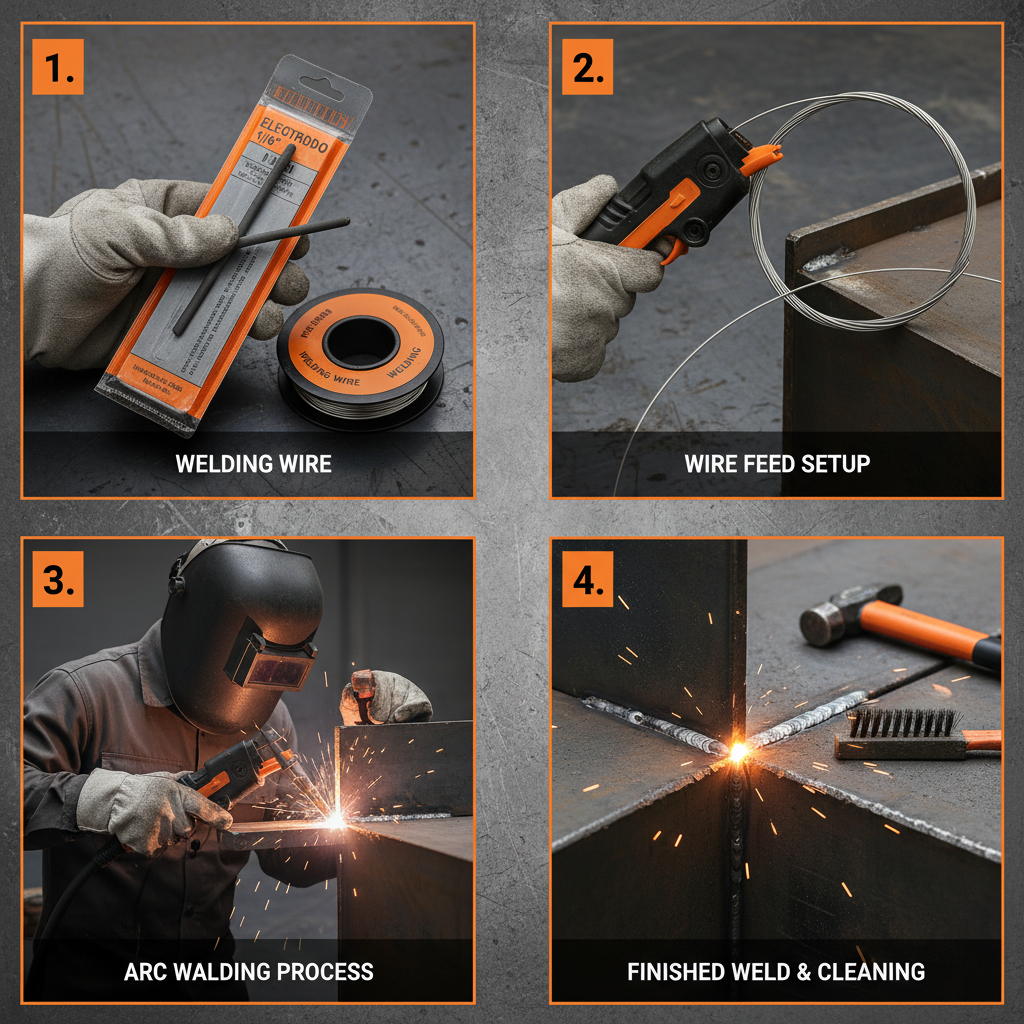
Achieving a high-quality bond with a welding rod 6011 begins long before the arc is struck. Proper surface cleaning is mandatory to remove oil, rust, and scale. Furthermore, the joint should be obliquely cut into a U-shaped groove, and stop-crack holes must be drilled at both ends of any existing crack to prevent further expansion during the thermal cycle.
A critical technical requirement is the baking process. To ensure optimal performance, electrodes must be baked for 1 hour at a temperature of 150±10℃ before use. This removes moisture from the coating, preventing porosity and hydrogen-induced cracking, which are common pitfalls when using a welding rod 6011 in high-humidity environments.
Once the welding is complete, the process of hammering the welding seam is highly recommended. This mechanical action helps to eliminate residual welding stress and further avoids the risk of delayed cracking. This combination of thermal preparation and mechanical stress relief ensures the longevity of the repair.
Performance Metrics in Cast Iron Repair
When evaluating the efficiency of a welding rod 6011, performance is measured by its ability to penetrate deep into the base metal while maintaining a stable arc. In cast iron applications, the focus is on minimizing the heat-affected zone (HAZ) to prevent the formation of hard, brittle martensite.
The use of short, thin welding beads and narrow lateral swing techniques is the industry standard. By filling the weld joint in small increments and stopping the arc before heat builds up, the operator can maintain a low-temperature profile, which is essential for the structural integrity of engine covers and casting teeth.
Comparative Performance of Welding Rod 6011 Variants
Global Applications in Heavy Industry
The application of the welding rod 6011 spans across various global regions, particularly in heavy industrial zones where legacy machinery requires constant upkeep. From the automotive plants in East Asia to the mining operations in South America, the ability to perform "cold" repairs on machine bases and engine shells is vital for operational continuity.
In remote disaster-relief or infrastructure restoration projects, where sophisticated heating equipment is unavailable, the simplicity of these electrodes allows for rapid deployment. This capability ensures that critical machinery, such as generators or water pumps, can be returned to service quickly, providing immediate social and economic impact.
Long-Term Value and Structural Reliability
Investing in a high-grade welding rod 6011 provides long-term value by significantly reducing the likelihood of weld failure. The enhanced crack resistance and superior processability mean that repairs last longer, reducing the frequency of expensive re-work and the risk of catastrophic equipment failure.
From a sustainability perspective, the ability to repair rather than replace massive cast iron components reduces the environmental footprint of the manufacturing industry. By extending the lifecycle of machine bases and engine covers, companies can lower their raw material consumption and waste production.
Ultimately, the trust placed in these consumables is based on their reliability. When a technician uses a rod that consistently delivers a clean, strong weld without requiring complex heat treatments, it increases the overall safety and confidence of the workforce involved in high-risk industrial maintenance.
Future Innovations in Electrode Coating Technology
The future of the welding rod 6011 is leaning toward "green" chemistry and automation. Researchers are exploring new flux coatings that reduce toxic fumes during the welding process while maintaining the deep penetration and crack resistance that industry professionals rely on.
Digital transformation is also playing a role, with the integration of smart welding machines that can automatically adjust the current based on the specific electrode being used. This ensures that the "small current" requirement for cast iron welding is perfectly maintained, eliminating human error and ensuring a consistent white band width.
Furthermore, the development of hybrid alloys is expected to bridge the gap between homogeneous and heterogeneous welding. These innovations will likely allow for even greater flexibility in selecting electrodes based on the specific performance requirements of the repaired part, further enhancing the versatility of the welding rod 6011 family.
Technical Analysis of Welding Rod 6011 Application Metrics
| Application Type |
Current Requirement |
Baking Necessity |
Crack Resistance Score |
| Cold Cast Iron Repair |
Low / Small Current |
Mandatory (150℃) |
9/10 |
| Engine Shell Patching |
Medium / Stable |
Highly Recommended |
8/10 |
| Machine Base Filling |
Low / Pulse |
Mandatory |
10/10 |
| Casting Teeth Repair |
Medium |
Recommended |
7/10 |
| Structural Steel Joining |
High / Penetrating |
Optional |
9/10 |
| Wheel Breakage Fix |
Low / Precision |
Mandatory |
8/10 |
FAQS
Baking is essential to remove moisture from the graphite-type coating. Moisture can lead to hydrogen embrittlement and porosity in the weld bead, which significantly weakens the joint. Baking at 150±10℃ for one hour ensures the chemical stability of the flux, resulting in a cleaner weld with superior crack resistance.
Yes, specific variants like the THZ308 are designed for cold welding, meaning no preheating of the base metal is required. This is achieved through a pure nickel core and specialized coating that manages the thermal expansion and contraction of cast iron, though using a small current is recommended to avoid brittle white bands.
Hammering the seam acts as a form of mechanical stress relief. Because cast iron and nickel-based welds have different cooling rates, residual internal stresses can build up. Lightly hammering the bead helps redistribute these stresses and prevents the formation of micro-cracks that could lead to structural failure over time.
Absolutely. One of the key features of these electrodes is their dual-purpose compatibility. This allows operators to use AC machines for certain penetration characteristics or DC machines for a more stable arc and smoother bead, depending on the specific requirements of the repair job.
Preparation is key: first, clean the surface thoroughly. Second, cut the joint into a U-shaped or V-shaped groove to allow full penetration. Third, drill stop-crack holes at both ends of the crack to prevent the stress of welding from extending the crack further into the base metal.
Excessive current increases the heat input, which can lead to a wider "white band" (a hard, brittle layer of iron carbides) at the fusion line. This increases the risk of cracking during cooling. Using the lowest effective current ensures better processability and higher crack resistance.
Conclusion
The selection and application of a welding rod 6011 are pivotal in ensuring the longevity and reliability of industrial cast iron and steel repairs. By combining a pure nickel core with strict adherence to pre-welding baking and current management, technicians can solve complex issues like wheel breakage and engine shell cracks without the need for expensive preheating. The synergy of proper surface preparation, controlled thermal input, and post-weld stress relief forms the foundation of a successful industrial weld.
As the manufacturing industry moves toward more sustainable and automated practices, the role of high-performance consumables will only grow in importance. We recommend that operators continue to prioritize metallurgical compatibility and precise operational parameters to maximize equipment lifespan. For those seeking professional-grade welding solutions and a comprehensive range of electrodes, visit our website: www.steeltoolschina.com.