In the demanding world of modern metal fabrication, the quest for efficiency and weld integrity has led to the widespread adoption of flux cored welding wire. This advanced consumable, often referred to as powder-cored or tubular wire, represents a significant leap in welding technology by integrating the flux directly into the core of the wire. By doing so, it streamlines the welding process, reducing the reliance on external shielding gases in certain applications and enhancing deposition rates across various industrial sectors.
The global industrial landscape, from the massive hulls of container ships to the intricate frameworks of aerospace components, relies on materials that can withstand extreme stress while maintaining cost-effectiveness. The integration of high-performance flux cored welding wire addresses the critical challenge of balancing speed with structural quality. As industries push toward greater automation and robotic integration, the demand for consistent, high-quality consumables that minimize downtime and maximize output has never been higher.
Understanding the nuances of this technology is essential for engineers and procurement specialists who aim to optimize their production lines. Whether it is selecting between gas-shielded and self-shielded variants or leveraging the plasticity of low-carbon steel shells, the right choice of welding material directly impacts the longevity and safety of the final product. This guide explores the technical foundations, applications, and future trajectories of flux cored technology in the global manufacturing arena.
The Technical Composition of Flux Cored Welding Wire
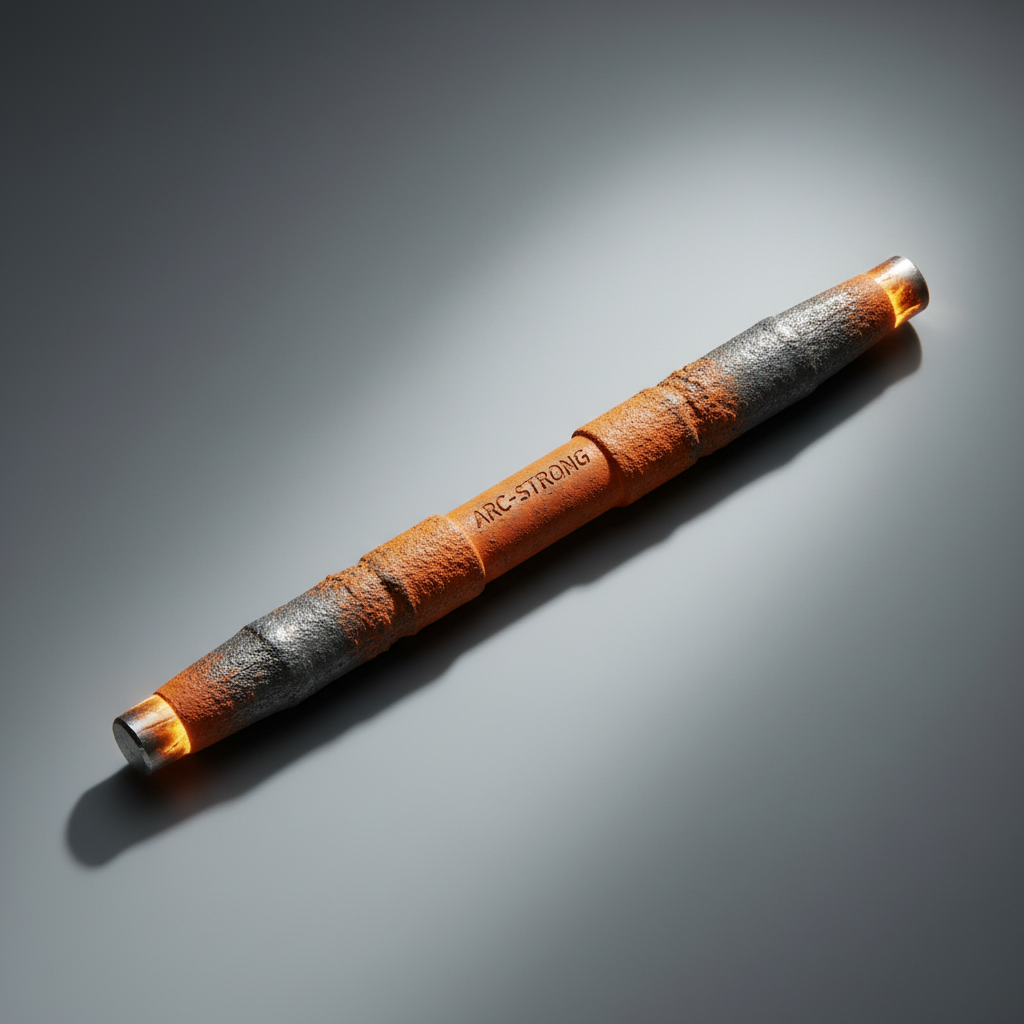
At its essence, flux cored welding wire is a sophisticated composite consisting of a metallic sheath and a powdered core. This tubular structure is designed to deliver precise amounts of flux to the weld pool, ensuring that the resulting joint is protected from atmospheric contamination. The outer sheath is typically crafted from low-carbon steel or low-alloy steel, selected specifically for its excellent plasticity, which allows the wire to be drawn into various specifications without compromising its structural integrity.
The industry categorizes these wires into two primary types: gas-entrained (gas-protected) and non-gas-protected. While gas-protected variants require an external shielding gas to maintain an inert environment, non-gas-protected wires rely entirely on the decomposition of the internal powder to create a protective atmosphere. This versatility makes the technology adaptable to both controlled factory environments and rugged, outdoor field sites where gas tanks would be impractical.
Global Industrial Relevance and Market Demand
On a global scale, the demand for flux cored welding wire is intrinsically linked to the growth of heavy infrastructure and transportation. According to ISO standards for welding quality and international trade data, there is a consistent shift toward consumables that increase "deposition rates"—the amount of metal deposited per hour. This shift is driven by the need to reduce labor costs and shorten production cycles in massive projects like shipbuilding and aerospace assembly.
The challenge facing many global manufacturers is the trade-off between speed and quality. Traditional solid wires often require meticulous joint preparation and slower travel speeds to ensure deep penetration. In contrast, flux-cored technology allows for higher current densities and faster welding speeds while maintaining a beautiful process shape and high structural strength, effectively solving the productivity bottleneck in large-scale fabrication.
Furthermore, the versatility of these wires makes them indispensable in regions with rapidly expanding urban infrastructure. From the construction of high-rise steel frames to the fabrication of energy pipelines, the ability to produce high-performance welds with lower overall costs provides a competitive edge. As a high-tech product in the welding consumables industry, it continues to expand its market prospects by adapting to the stringent safety requirements of the 21st century.
Core Manufacturing Processes and Materiality
The production of flux cored welding wire is a precise engineering feat. It begins with a high-quality steel strip, which is rolled into a U-shaped section. This open channel serves as the vessel for the solder powder, which is meticulously prepared according to specific chemical dosages to ensure the desired metallurgical properties of the final weld.
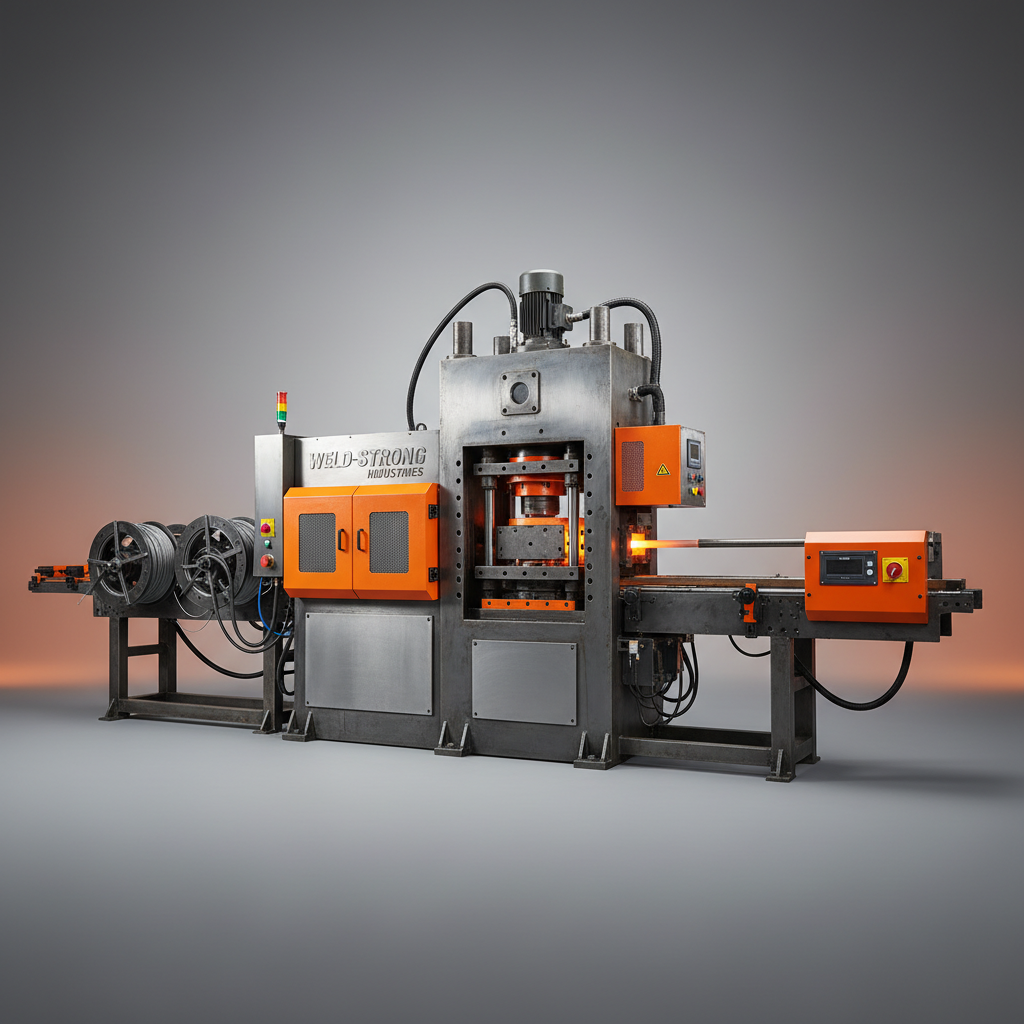
Once the U-shaped strip is filled with the specialized powder, it is passed through a rolling mill that tightly seals the tube. The final step involves a drawing process, where the tubular wire is reduced to its final diameter and specification. This ensures that the flux cored welding wire maintains a uniform surface—similar to that of a solid wire—while containing a perfectly distributed core of flux.
The materials used for the sheath, such as low-alloy steels, are chosen for their ability to withstand the drawing process without cracking. This combination of a plastic outer shell and a chemically optimized inner core allows for the creation of a high-performance tool that can be used across a wide spectrum of metal thicknesses and joint configurations.
Performance Metrics and Cost-Efficiency Analysis
When evaluating the economic impact of using flux cored welding wire, the primary metric is the reduction in overall production cost. Because these wires allow for faster travel speeds and higher deposition rates than traditional electrodes, the total man-hours required for a project are significantly reduced. Additionally, the "beautiful process shape" minimizes the need for post-weld grinding and polishing, further lowering the cost of finishing.
From a technical standpoint, the efficiency is not just about speed but about reliability. The high production efficiency is complemented by the stability of the arc, which reduces spatter and waste. This makes it the ideal choice for industries where material waste is a significant cost driver and where structural failure is not an option.
Comparative Efficiency Ratings of Welding Wire Types
Wide-Scale Applications in Heavy Industry
The versatility of flux cored welding wire allows it to penetrate the most demanding sectors of the global economy. In shipbuilding, for instance, the ability to perform high-speed welds on massive steel plates ensures that vessels are constructed more quickly without sacrificing seaworthiness. The high deposition rate is critical here, where miles of welding seams are required for a single ship.
In the aerospace and machinery manufacturing industries, the focus shifts toward precision and metallurgical purity. The high-tech nature of these powders ensures that the weld joints can withstand extreme pressures and temperature fluctuations. Whether it is the structural frame of a heavy-duty crane or a component for a fuselage, these wires provide the reliability and strength necessary for safety-critical applications.
Advantages of Automation and Robotic Integration
One of the most significant advantages of flux cored welding wire is its seamless compatibility with Robot operation. In the era of Industry 4.0, automation is no longer an option but a necessity for competitiveness. Because flux-cored wires provide a stable arc and consistent feed rates, they are the best welding material for application in welding automation technology.
Robotic arms equipped with flux-cored systems can maintain precise travel speeds and angles over long durations, eliminating human fatigue and reducing the margin of error. This leads to a "beautiful process shape" that is consistent across thousands of identical parts, ensuring a level of quality control that manual welding cannot match.
The synergy between high-performance consumables and robotic precision results in a dramatic increase in throughput. Companies utilizing this combination report not only a reduction in overall cost but also an improvement in the safety of the workplace, as robots handle the most hazardous and repetitive welding tasks.
Future Trends in High-Tech Welding Consumables
As we look toward the future, the evolution of flux cored welding wire is being driven by the dual goals of sustainability and digitalization. We are seeing a trend toward "green" fluxes that reduce the emission of harmful fumes during the welding process, aligning with global environmental policies and improving the health of operators.
Furthermore, the integration of smart monitoring systems allows for real-time adjustments of welding parameters based on the wire's performance. This digital transformation means that the flux core can be optimized for specific alloys in real-time, reducing material waste and increasing the lifespan of the welded structure.
The market prospects remain broad as the world invests in new energy infrastructure, such as wind turbine towers and hydrogen transport pipelines. These projects require high-strength, high-efficiency welding solutions, ensuring that flux-cored technology will remain at the forefront of the welding consumables industry.
Analysis of Flux Cored Welding Wire Performance by Industry
| Industry Sector |
Primary Requirement |
Efficiency Gain |
Reliability Score (1-10) |
| Shipbuilding |
High Deposition Rate |
Very High |
9 |
| Aerospace |
Metallurgical Purity |
Moderate |
10 |
| Machinery Mfg |
Process Shape |
High |
8 |
| Infrastructure |
Outdoor Adaptability |
High |
9 |
| Automotive |
Robotic Speed |
Extreme |
8 |
| Pipeline |
All-Position Welding |
Moderate |
9 |
FAQS
The primary difference lies in the structure: solid wire is a homogeneous metal rod, while flux cored welding wire is a tubular wire with a powdered flux core. This core provides internal shielding and alloying elements, allowing for higher deposition rates, better penetration, and the ability to weld without external shielding gas in self-shielded versions.
Yes, absolutely. In fact, it is considered the best welding material for automation. Its consistent feed and stable arc make it ideal for robot operation, enabling high-speed, high-quality welds with a beautiful process shape and minimal human intervention.
Industries involving large-scale steel fabrication benefit most, specifically shipbuilding, aerospace, and heavy machinery manufacturing. These sectors require the high production efficiency and low overall costs that flux cored welding wire provides compared to traditional stick or solid wire methods.
They are divided into gas-entrained (gas-protected) and non-gas-protected (self-shielded). Gas-protected wires use an external gas for shielding, while non-gas-protected wires generate their own protective atmosphere through the decomposition of the inner flux powder during welding.
It is manufactured by rolling a steel strip (low-carbon or low-alloy) into a U-shape, filling it with a specifically formulated solder powder, rolling it tightly into a tube, and then drawing the wire to the required specification diameter.
Yes, it typically reduces costs by increasing the deposition rate (more metal deposited per hour) and reducing the time spent on post-weld cleanup due to the superior process shape and efficiency of the welding arc.
Conclusion
In summary, flux cored welding wire stands as a cornerstone of modern industrial fabrication, offering an unparalleled combination of production efficiency, structural integrity, and cost-effectiveness. By integrating the flux into a tubular steel sheath, this high-tech consumable empowers industries like shipbuilding and aerospace to achieve faster turnaround times and superior weld quality, particularly when paired with robotic automation.
As the manufacturing world moves toward a more sustainable and digitally integrated future, the continued innovation in flux chemistry and automated application will only enhance the value of these materials. For companies looking to optimize their production lines and reduce overall costs, investing in high-quality flux cored solutions is a strategic necessity. Visit our website to explore our professional range: www.steeltoolschina.com