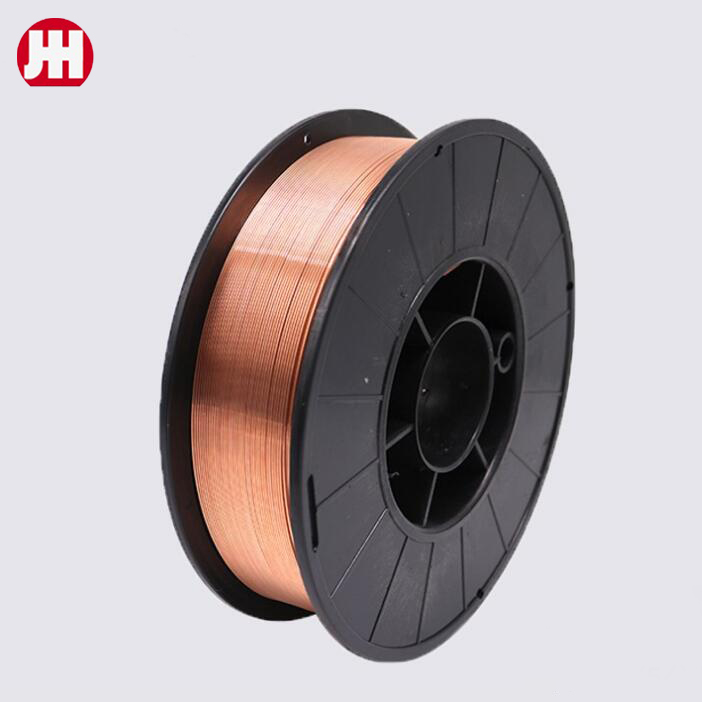
Industrial welding electrode Solutions for Bangladesh Infrastructure

Providing high-performance consumables and precision tools to empower the growing metal fabrication and construction sectors in Asia - Bangladesh.

Industrial welding electrode Solutions for Bangladesh Infrastructure

Optimizing joint strength and productivity with advanced metal joining technologies specifically tailored for the Bangladeshi industrial landscape.

Current State of Metal Fabrication in Bangladesh

Analyzing the intersection of rapid urbanization and welding technology requirements.

Bangladesh is currently experiencing a massive surge in infrastructure projects, from the Padma Bridge to various Special Economic Zones (SEZs). This growth has increased the demand for reliable welding rod supplies that can withstand high humidity and coastal salinity, which often accelerate corrosion in metal structures.

The local market is characterized by a mix of small-scale workshops and large industrial plants. While traditional methods persist, there is a clear shift toward using high-grade metal welding rod options to ensure the safety and longevity of critical architectural supports and ship-breaking yard refurbishments.

However, the industry faces challenges such as inconsistent material quality and the need for better technical training. The adoption of professional-grade welding wire is becoming essential for factories aiming to export garments and leather goods in customized metal containers and racking systems.

Evolution and Trajectory of Welding Technology

From basic arc welding to automated precision systems in the Asia - Bangladesh region.

Market Development History

In the early 2000s, the Bangladeshi market relied almost exclusively on basic SMAW (Shielded Metal Arc Welding) processes, utilizing general-purpose electrodes for simple repairs and residential gate fabrication.

Between 2010 and 2020, the rise of the shipbuilding industry in Chittagong triggered a transition toward MIG/MAG welding. This era saw the introduction of specialized mig aluminum wire to handle lightweight but durable maritime components.

Currently, the market is entering a phase of "Precision Industrialization," where the focus has shifted from mere connectivity to metallurgical integrity, emphasizing the use of low-hydrogen electrodes to prevent cracking in heavy-duty bridges.

Future Development Trends

Automation Integration

Expect a surge in robotic welding arms for the automotive and appliance sectors in Dhaka, reducing reliance on manual labor and increasing consistency.

Sustainable Metallurgy

A transition toward "green welding" with lower fume emissions and energy-efficient power sources to align with global ESG standards.

High-Alloy Specialization

Increased demand for nickel-based and stainless steel consumables to support the expansion of the local chemical and pharmaceutical plant infrastructure.

Industry Trends and Future Outlook

Strategic forecasts for the metal tool and welding consumable market in Bangladesh.

Digitalization of Welding
Integration of IoT-enabled welding machines to monitor consumable usage and weld quality in real-time.
Alloy Diversification
Growing demand for specialized mig aluminum wire for the aerospace and lightweight transport sectors.
Skill Standardization
Shift towards AWS and ISO certified welding standards to enhance the global competitiveness of Bangladeshi exports.
Infrastructure Scaling
Increased consumption of high-tensile consumables for mega-bridge and rail-link projects.

Industry Outlook

Based on Google search trends and regional economic reports, we anticipate a 15% annual growth in the demand for specialized welding consumables in Bangladesh over the next 3-5 years. The focus is shifting from "cost-per-kg" to "cost-per-joint," favoring higher-efficiency wires that reduce slag and waste.

The integration of high-performance cutting tools and welding consumables will create a synergistic effect, allowing Bangladeshi manufacturers to move up the value chain from simple assembly to complex metal engineering.

Localized Application Scenarios in Bangladesh

Real-world deployment of welding solutions across diverse Bangladeshi industries.

01. Ship Breaking and Refurbishment (Chittagong)

Using heavy-duty electrodes to reinforce structural beams during the dismantling and repurposing of scrap steel from global vessels.

02. Ready-Made Garment (RMG) Factory Expansion

Implementation of efficient welding wires for the rapid construction of industrial warehouses and automated sorting conveyor systems.

03. Bridge and Highway Infrastructure

Application of low-hydrogen rods for critical joint welding in flyovers and bridges to ensure seismic resilience and load-bearing capacity.

04. Agricultural Machinery Fabrication

Using versatile welding rods to manufacture customized tractors and irrigation pumps tailored for the fertile plains of the Ganges delta.

05. Aluminum Window and Door Systems

Utilizing precision mig aluminum wire for high-end architectural finishes in Dhaka's emerging luxury real estate market.

Brand Story

Global Development History of Hebei Yujinhong Technology Co., Ltd.

Foundational Excellence

Established with a vision to bridge the gap between raw material production and precision engineering in the cutting tool industry.

Technological Breakthrough

Developed proprietary alloy compositions that significantly increased the lifespan of metal cutting tools in high-friction environments.

Global Market Expansion

Expanded operations into Asia, focusing on providing tailored welding and cutting solutions for emerging industrial hubs like Bangladesh.

Quality Certification

Achieved international ISO and CE certifications, ensuring every product meets the rigorous safety standards of the global metalworking industry.

Future-Ready Innovation

Investing in R&D to create eco-friendly welding consumables that reduce carbon footprints without compromising weld strength.

Complete Product Portfolio for Bangladesh

A comprehensive range of high-performance consumables designed for the humid and industrial climate of Asia - Bangladesh.

Common Questions in Bangladesh Welding Market

Expert answers to technical challenges faced by local fabricators.

How to prevent moisture absorption in welding rod storage in Dhaka?

Due to high humidity, we recommend using heated drying ovens and airtight vacuum packaging to maintain the integrity of the flux coating.

Which welding electrode is best for ship-breaking structural repair?

For heavy marine steel, E7018 low-hydrogen electrodes are preferred to ensure high crack resistance and superior mechanical properties.

Can mig aluminum wire be used for coastal architectural projects?

Yes, specifically 4043 or 5356 alloys which provide excellent corrosion resistance against salty air found in coastal regions like Chittagong.

What is the difference between general welding wire and specialty alloy wires?

General wires are for mild steel, while specialty alloy wires are engineered for specific tensile strengths, heat resistance, and chemical stability.

How to choose the right metal welding rod for thin-gauge sheets?

For thin sheets, use smaller diameter rods with a stable arc to prevent burn-through and minimize distortion of the workpiece.

Are your consumables compatible with standard inverter welding machines?

Yes, all our products are designed to work seamlessly with modern inverter and transformer-based welding equipment used across Bangladesh.

Get Expert Technical Support

Contact our specialists today to optimize your metal production efficiency in Bangladesh.

Contact Us Now

If you are interested in our products, you can choose to leave your information here, and we will be in touch with you shortly.