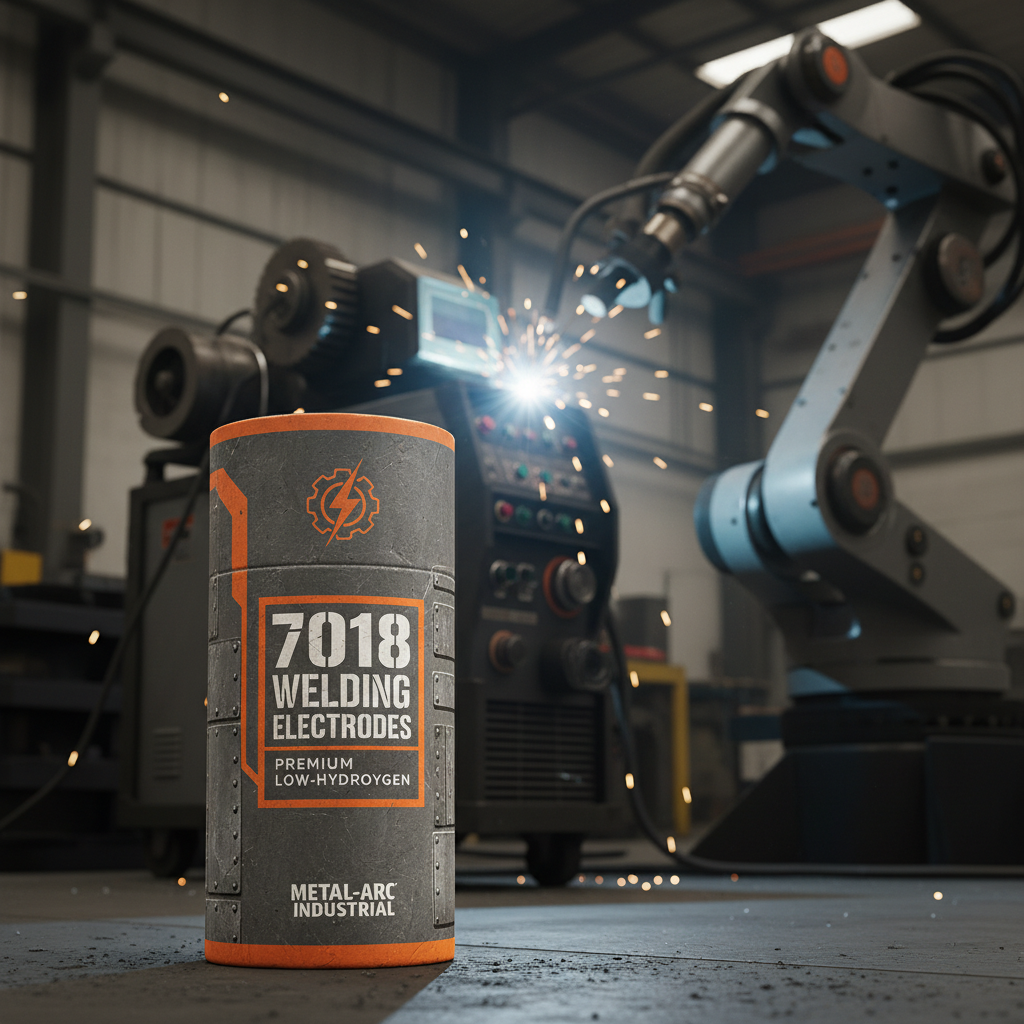
In the high-precision world of industrial joining, the selection of filling materials is paramount to the structural integrity of the final product. While many operators search for specialized tools like solder wire 0.8mm for delicate electronics, the broader welding industry relies on robust electrodes like the J506 (E7016) to ensure high-strength bonds in heavy-duty applications. Understanding the distinction between low-hydrogen basic coatings and soft soldering is essential for any engineering professional aiming for zero-defect production.
The global demand for high-performance welding consumables continues to rise as infrastructure projects in North America, Europe, and Southeast Asia demand materials that can resist cracking and withstand extreme mechanical stress. Whether dealing with medium carbon steel or low alloy steel, the priority remains the same: achieving a stable arc and a clean, weldable surface. This necessity drives the industry toward standardized specifications that guarantee safety and longevity across diverse climatic conditions.
For those transitioning from precision tasks involving solder wire 0.8mm to heavy industrial welding, the J506 electrode offers a professional-grade solution. As a low hydrogen potassium type basic coated electrode, it is engineered for all-position welding, ensuring that complex joints in boilers, ships, and bridges are secured with maximum crack resistance and elegant molding.
Global Relevance of Precision Filling Materials
The global manufacturing landscape is increasingly divided between micro-precision assembly and heavy-duty structural fabrication. In the micro-realm, tools like solder wire 0.8mm are indispensable for creating reliable electrical connections in consumer electronics and automotive sensors, where thermal conductivity and precision are the primary goals.
Conversely, the heavy industry sector relies on the J506 (E7016) electrode to maintain the integrity of massive steel structures. By utilizing a low-hydrogen potassium basic coating, these electrodes prevent the hydrogen-induced cracking that often plagues high-strength steel welds, ensuring that the critical infrastructure of the modern world remains stable and safe.
Defining High-Performance Welding Standards
To understand high-performance joining, one must distinguish between soldering and welding. While solder wire 0.8mm is used for low-temperature bonding where the base metal remains solid, the E7016 electrode is designed for fusion welding. This process involves melting the base metal and the electrode together to create a weld metal with mechanical properties that often exceed those of the original material.
The J506 electrode is specifically classified as a low hydrogen potassium type. This means the coating is formulated to minimize the amount of diffusible hydrogen in the weld pool. Hydrogen is the primary culprit behind "cold cracking" in medium carbon and low alloy steels, making the E7016 an essential choice for critical joints in petroleum chemicals and pressure vessels.
Beyond chemical composition, the performance of these tools is measured by arc stability and slag removal. A high-quality E7016 electrode ensures a stable arc and minimal spatter, which reduces the need for post-weld grinding and cleaning. This efficiency is what allows industrial projects to scale while maintaining the same rigorous quality standards seen in precision electronics.
Core Components of the E7016 Low Hydrogen System
The effectiveness of the J506 system lies in its basic coating. Unlike rutile electrodes, the potassium-based basic coating provides superior mechanical properties and exceptional crack resistance. While a technician might use solder wire 0.8mm for a simple circuit repair, the E7016 is used for "all-position" welding, meaning it is effective whether the joint is flat, vertical, or overhead.
A critical operational component is the pre-use drying process. Because the low-hydrogen nature of the solder wire 0.8mm counterpart is inherent to its alloy, the E7016 electrode requires active drying to remove moisture from the coating. This step is non-negotiable for ensuring that the final weld metal remains free of hydrogen contamination and exhibits maximum strength.
Furthermore, surface preparation is a core requirement. To achieve the "elegant welding molding" promised by J506, the weldment must be cleaned of oil stains, rust, and moisture. This meticulous approach to preparation mirrors the cleanliness required when working with solder wire 0.8mm in a clean-room environment, proving that regardless of scale, purity is the key to quality.
Practical Applications in Heavy Industry
The application of J506 (E7016) electrodes spans across the most critical sectors of the national economy. In the shipbuilding and bridge-building industries, where joints are subjected to constant vibration and extreme weather, the crack resistance of this low-hydrogen electrode is vital. It ensures that the structural framework can handle dynamic loads without catastrophic failure.
In the petroleum chemical industry and boiler manufacturing, narrow pass welding and short arc techniques are employed with E7016 to create leak-proof, high-pressure seals. This is a far cry from the delicate junctions created by solder wire 0.8mm, yet both serve the same fundamental purpose: creating a reliable connection that preserves the system's integrity.
Performance Comparison: E7016 vs Alternative Filling Methods
Long-Term Value of Basic Coated Electrodes
The long-term value of investing in high-quality electrodes like the J506 extends beyond the immediate weld. By reducing the incidence of weld defects and cracks, companies can significantly lower their maintenance costs and reduce the risk of structural failures. While the initial cost of a specialized electrode may be higher than a general-purpose one, the reduction in rework and the increase in safety provide a massive return on investment.
Furthermore, the ability to support OEM/ODM packaging and customized specifications allows manufacturers to align their welding consumables with specific project requirements. Whether it is for a bridge in Australia or a refinery in the Middle East, the stability and reliability of the deposited metal ensure that the project meets international safety standards, mirroring the trust and precision associated with high-grade solder wire 0.8mm in the electronics sector.
Future Trends in Welding Automation
As we move toward Industry 4.0, the integration of automation in welding is accelerating. The transition from manual arc welding to robotic systems requires consumables that offer extreme consistency. The J506 electrode's stable arc and predictable slag removal make it an ideal candidate for semi-automated processes, ensuring that the quality remains uniform across thousands of joints.
We are also seeing a shift toward "green welding." This involves developing coatings that reduce toxic fumes without compromising the mechanical properties of the weld. Just as the electronics industry has moved toward lead-free solder wire 0.8mm to protect the environment, the welding industry is exploring sustainable flux materials and energy-efficient power sources.
Digital transformation is also playing a role in quality control. Real-time monitoring of the welding arc and the use of AI to detect porosities are becoming standard. These technologies complement the physical excellence of the E7016 electrode, allowing engineers to guarantee that every millimeter of the weld meets the required tensile strength and crack resistance.
Overcoming Common Welding Challenges
One of the most common challenges in using low-hydrogen electrodes is the management of moisture. If an electrode is not dried correctly, it can introduce hydrogen into the weld, leading to delayed cracking. This is a stark contrast to the use of solder wire 0.8mm, where the primary challenge is usually oxidation or "cold joints" due to insufficient heat.
Another recurring issue is slag inclusion, which can weaken the joint. However, by employing the "short arc" welding technique and ensuring proper angle management, operators can take full advantage of the J506's easy slag removal properties. This ensures a clean weld pool and a high-quality finish that requires minimal post-processing.
Finally, selecting the wrong electrode for the base metal can lead to poor fusion. The E7016 is specifically designed for medium carbon steel and important low alloy steels. Using it on inappropriate materials would be as counterproductive as using solder wire 0.8mm on a structural beam—it simply isn't the right tool for the job. Proper material matching is the first step toward engineering excellence.
Technical Analysis of Industrial Filling Material Applications
| Material Type |
Primary Application |
Critical Requirement |
Performance Score |
| J506 (E7016) |
Pressure Vessels |
Crack Resistance |
9.8 |
| Solder Wire 0.8mm |
PCB Assembly |
Thermal Conductivity |
9.5 |
| E6013 Electrode |
General Fabrication |
Ease of Use |
8.2 |
| ER70S-6 Wire |
Automotive Frames |
Deposition Rate |
9.0 |
| Stainless Steel Rod |
Chemical Tanks |
Corrosion Resistance |
9.4 |
| Cast Iron Rod |
Engine Blocks |
Thermal Expansion |
8.7 |
FAQS
The primary difference is the process and purpose. E7016 is a welding electrode used for fusion welding of heavy steel, creating a high-strength structural bond through melting. Solder wire 0.8mm is used for soldering, a low-temperature process that joins metals (usually electronics) without melting the base material, focusing on electrical conductivity rather than structural load-bearing.
J506 is a low-hydrogen electrode. If moisture is present in the coating, it dissociates into hydrogen during the welding process, which can enter the weld metal. This leads to hydrogen-induced cracking (cold cracking), especially in medium carbon and low alloy steels. Drying ensures the integrity and crack resistance of the joint.
Yes, the J506 (E7016) electrode is designed for all-position welding, including PA, PB, PC, PD, PE, and PF. This versatility makes it an excellent choice for complex industrial structures where the welder cannot always access the joint from a flat position.
E7016 is specifically engineered for welding medium carbon steel and important low alloy steels. Its low-hydrogen properties make it ideal for materials that are susceptible to cracking under high stress or those used in critical applications like boilers and pressure vessels.
The potassium-type basic coating promotes a stable arc and results in a weld with "elegant molding." It minimizes spatter and produces slag that is easy to remove, resulting in a clean, professional finish that requires very little grinding compared to other electrode types.
Yes, with over 20 years of production experience, we support both OEM and ODM services. We can customize the packaging according to your specific design and branding requirements, ensuring your product is market-ready for your specific region.
Conclusion
The choice between a precision tool like solder wire 0.8mm and a heavy-duty consumable like the J506 (E7016) electrode defines the success of a project. While one enables the digital age through micro-connectivity, the other sustains the industrial age by securing the bridges, ships, and plants that drive global commerce. By prioritizing low-hydrogen technology, proper pre-heating, and meticulous surface preparation, manufacturers can ensure that their structural joints possess the mechanical strength and crack resistance necessary for long-term safety.
As the industry moves toward greater automation and sustainable practices, the demand for consistent, high-performance electrodes will only grow. We encourage engineers and procurement specialists to invest in consumables that meet rigorous international standards to avoid the costly pitfalls of weld failure. For professional-grade welding solutions and customized OEM services, visit our website: www.steeltoolschina.com