Advanced Industrial welding wire Solutions for Bahrain's Infrastructure

High-performance cutting and joining consumables engineered for the extreme climatic conditions of the Arabian Gulf.

Advanced Industrial welding wire Solutions for Bahrain's Infrastructure

Providing Bahrain's manufacturing and construction sectors with precision-engineered metal consumables designed to maintain structural integrity under high thermal stress.

The State of Welding Manufacturing in Bahrain

Analyzing the impact of hyper-arid climates on metal joining technology.

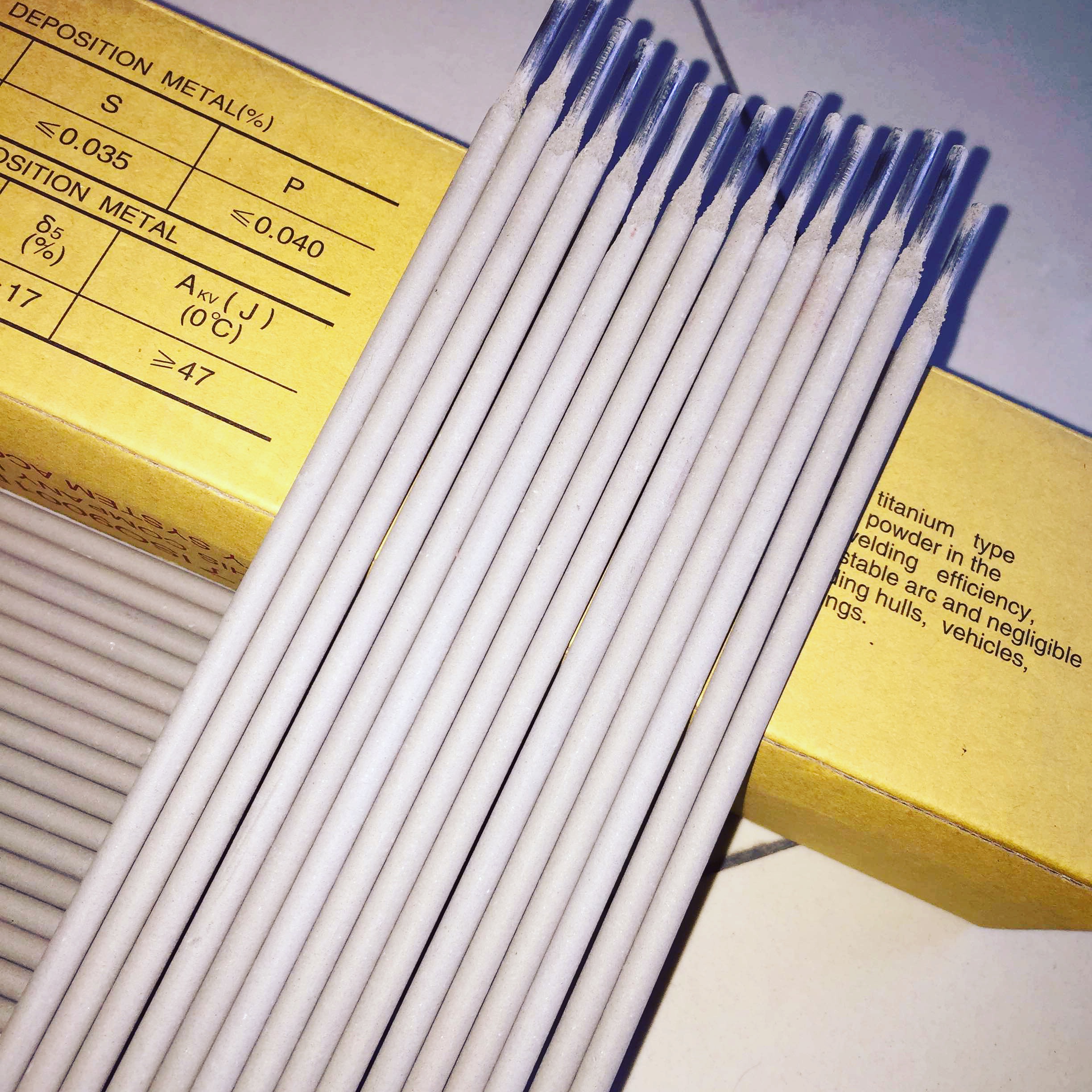
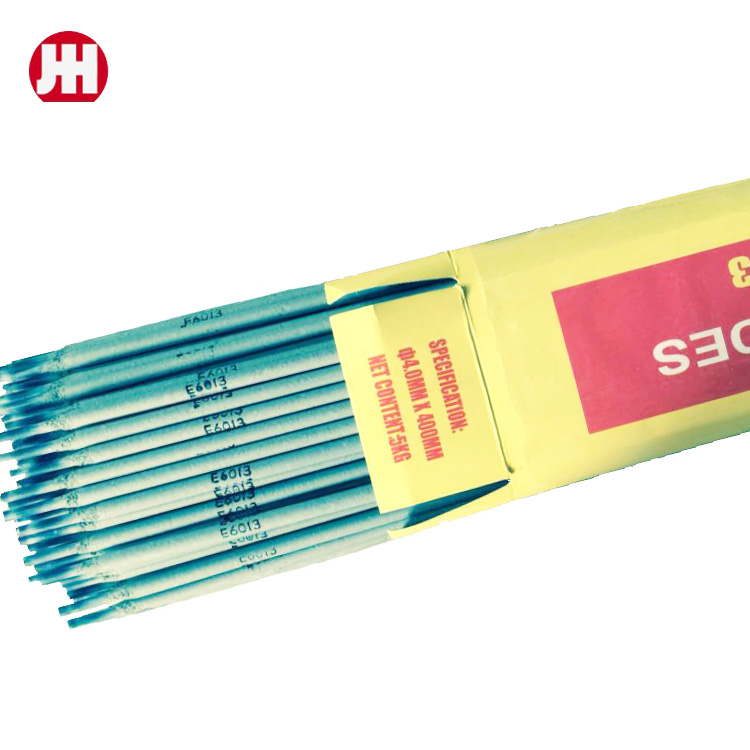
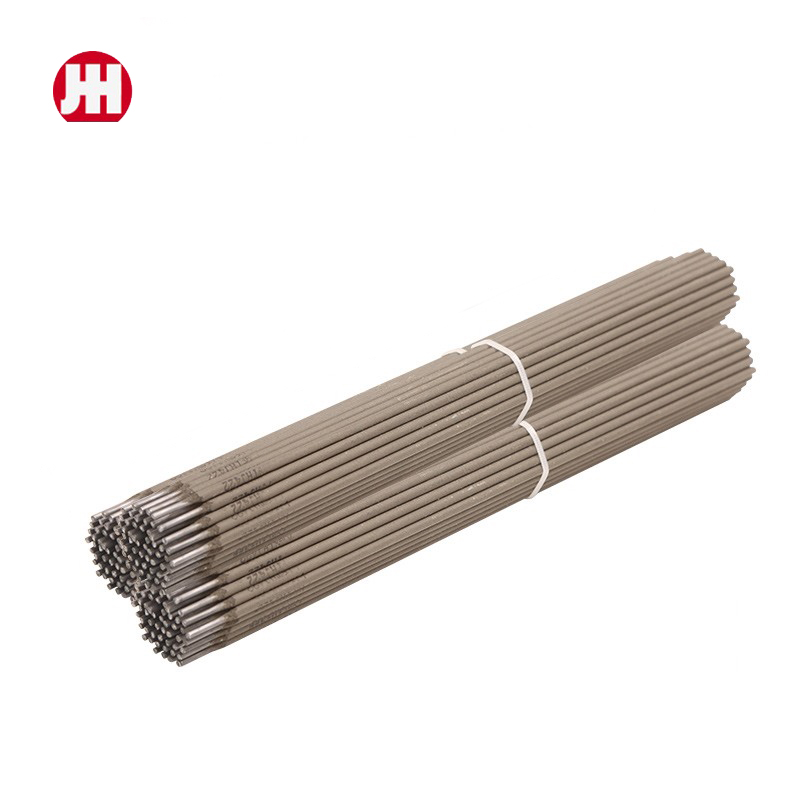
In Bahrain, the metalworking industry operates under extreme environmental challenges. The combination of high humidity from the Gulf and intense summer heat necessitates the use of a high-quality welding electrode that can resist moisture absorption and prevent hydrogen-induced cracking in critical joints.

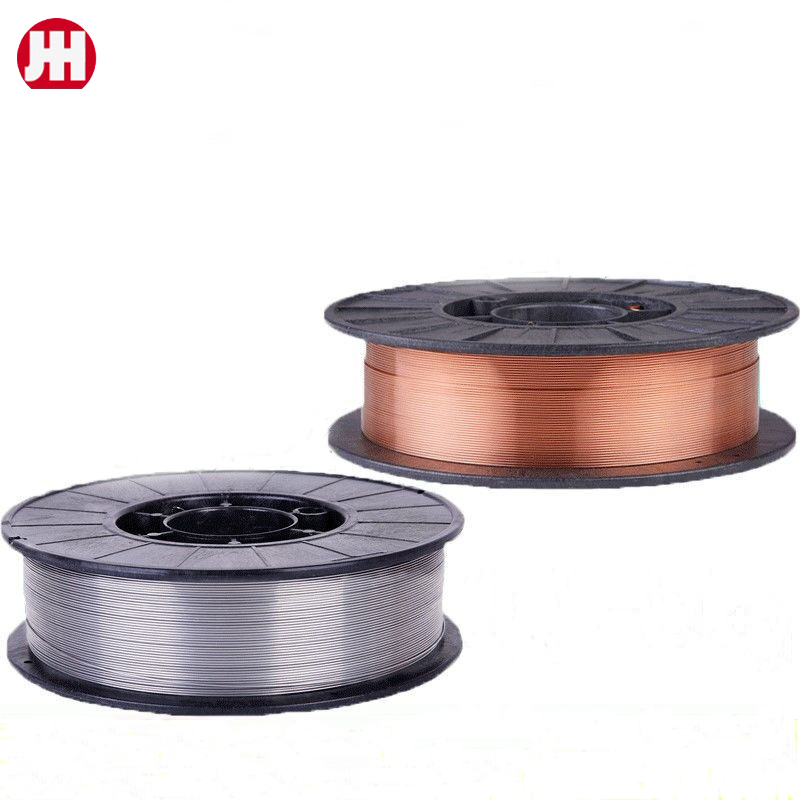
The local market is heavily driven by the aluminum smelting industry and oil & gas infrastructure. This has led to a surging demand for specialized mig aluminum wire, which is essential for the lightweight and corrosion-resistant fabrication required in maritime and petrochemical environments.

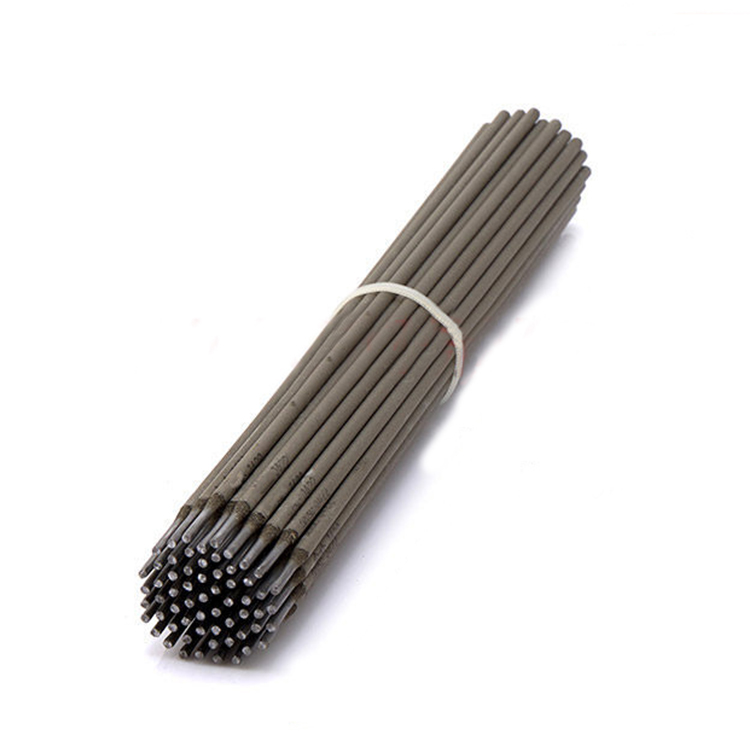
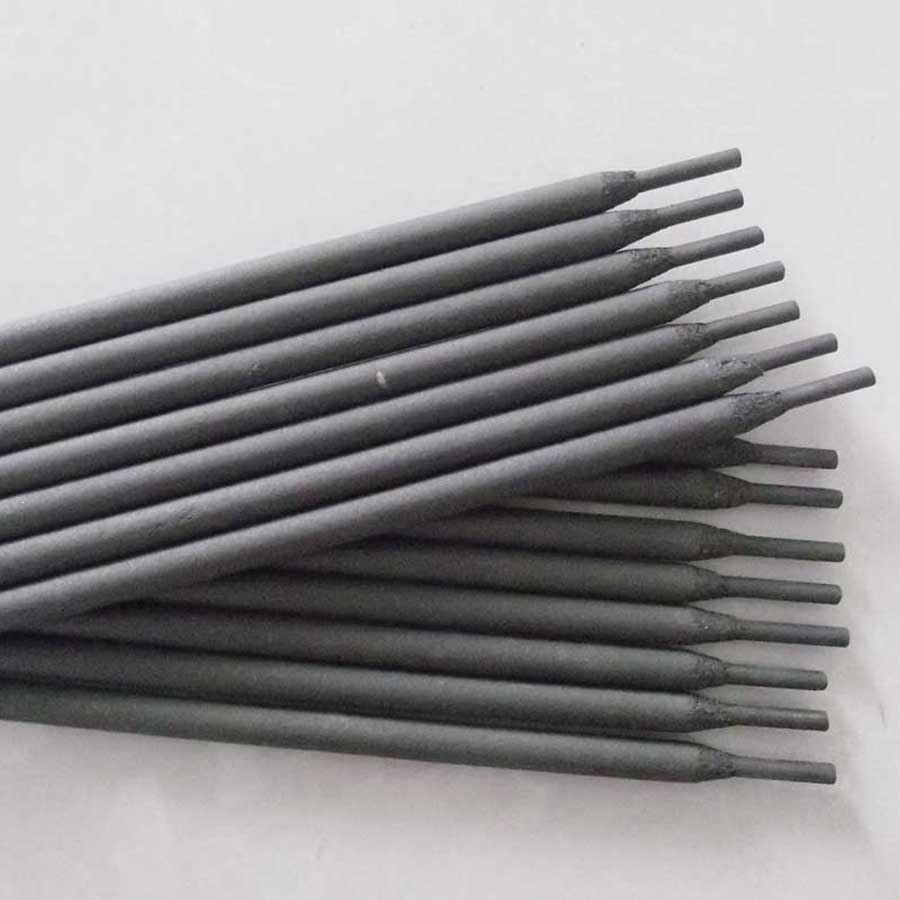
Despite the growth, many local workshops still struggle with consumables that degrade quickly in storage. There is a clear shift toward vacuum-sealed and advanced coated metal welding rod options to ensure weld pool stability and long-term durability in Bahrain's saline atmosphere.
Evolution of Joining Technologies in the Gulf

From traditional manual arcs to automated precision welding.

Market Development History

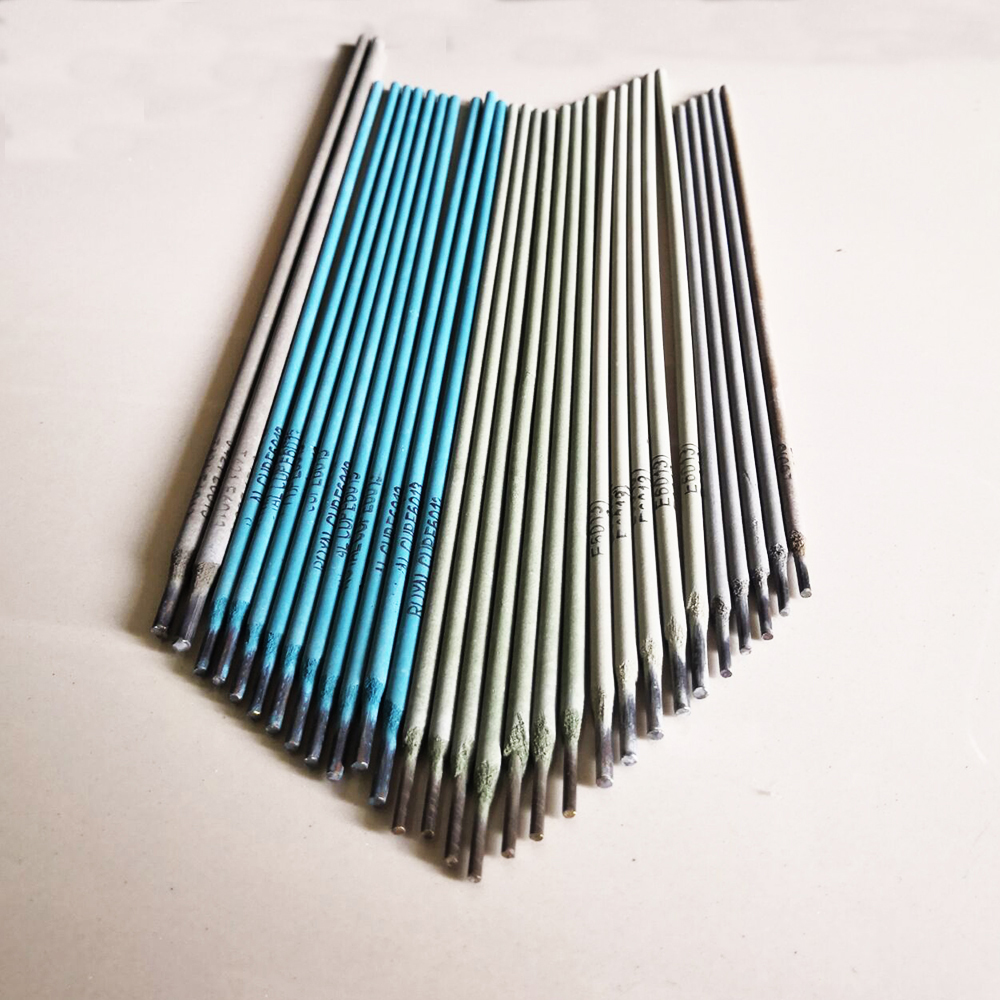
During the late 20th century, Bahrain's metal industry relied heavily on basic welding rod technology, focusing primarily on heavy structural steel for oil refineries and early urban development.

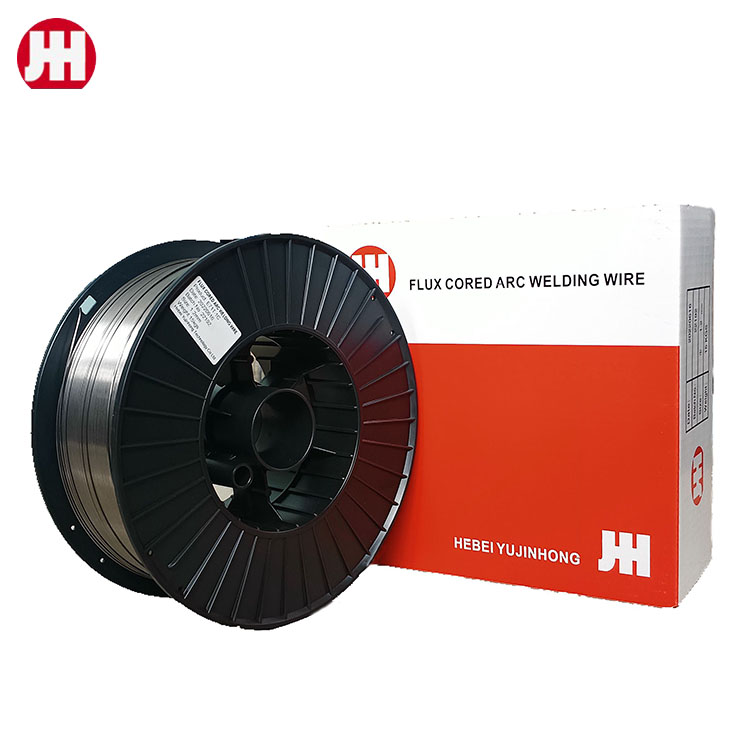
By the 2010s, a technical transition occurred as the region adopted MIG/MAG systems to increase production speed. This era saw the integration of specialized alloys and the widespread adoption of continuous-feed wires to replace manual rods in high-volume manufacturing.

From 2020 onwards, the focus shifted toward "Smart Welding." The integration of inverter technology and precision-alloyed consumables has allowed Bahraini firms to achieve X-ray quality welds in complex pipelines and aerospace-grade aluminum components.

Future Development Trends

Automated Robotic Integration

The shift toward Industry 4.0 will see a rise in robotic cells using high-deposition wires to minimize human exposure to extreme heat during fabrication.

Green Hydrogen Compatible Alloys

As Bahrain explores sustainable energy, new consumables are being developed to weld specialized tanks for hydrogen storage with zero leakage.

Nano-Coated Electrodes

The next iteration of electrodes will feature nano-coatings to further reduce spatter and fumes, improving workshop safety and material efficiency.

Strategic Forecast for Cutting and Welding Tools

Anticipating the technological shifts of the next five years.

Climate-Adaptive Consumables
Development of moisture-resistant coatings specifically for high-humidity coastal regions like Manama.
Precision Alloy Migration
Increased adoption of high-nickel and chromium wires for corrosion resistance in desalination plants.
Digital Weld Monitoring
Integration of IoT sensors to track the consumption rate and quality of welding wires in real-time.
Sustainable Production
Low-emission welding consumables to align with Bahrain's Vision 2030 sustainability goals.

Industry Outlook

Google search trends in the Middle East indicate a sharp rise in queries for "automated welding systems" and "corrosion-resistant fillers." This suggests that Bahraini manufacturers are moving away from general-purpose consumables toward high-spec, application-specific tools.

The future will be defined by the convergence of metallurgy and digitalization. We expect the market to prioritize consumables that offer not just strength, but "traceability," where the batch of wire used in a bridge or refinery can be digitally verified for compliance.

Localized Applications in Bahrain

Real-world deployment of professional metal joining tools.

01. Aluminum Smelter Maintenance

Utilizing high-purity mig aluminum wire for the rapid repair of smelting pots and conveyor systems, ensuring minimal downtime in high-heat environments.

02. Oil & Gas Pipeline Fabrication

Implementation of low-hydrogen welding electrode for critical pressure-vessel joints, ensuring zero-defect welds under high-pressure hydrocarbon flow.

03. Marine Vessel Repair in Dry Docks

Application of specialized metal welding rod for repairing ship hulls and offshore platforms exposed to high salinity and corrosive seawater.

04. Urban Infrastructure Expansion

Use of high-strength welding wire for the construction of steel frames in Manama's expanding commercial skyline.

05. Automotive Customization & Repair

Employing precision welding rod for chassis reinforcement and bodywork in the local automotive aftermarket sector.

Brand Story

Global Development History of Hebei Yujinhong Technology Co., Ltd.

Foundation of Excellence

Started with a mission to solve the inconsistency of weld bead quality in heavy industrial manufacturing.

Technological Breakthrough

Developed proprietary coating formulas that significantly reduced spatter and increased deposition rates.

Global Market Expansion

Expanded operations to the Middle East, adapting products for the harsh climates of the Arabian Peninsula.

Quality Standardization

Achieved international certifications ensuring every batch meets the strictest global engineering standards.

Future Vision

Leading the transition toward intelligent, sustainable metal joining solutions for the next generation of industry.

Complete Welding Consumables Portfolio for Bahrain

A comprehensive range of products tailored for the Gulf's industrial demands.

Industrial Welding FAQs - Bahrain Edition

Expert answers to common technical challenges in the local metal industry.

How to prevent moisture absorption in welding electrode storage in Bahrain?

Use vacuum-sealed packaging and maintain heating ovens at 120-150°C before use to ensure the electrode remains dry despite high humidity.

Which mig aluminum wire is best for maritime applications in the Gulf?

ER5356 is recommended for marine environments due to its superior strength and corrosion resistance in saline conditions.

Does the high ambient temperature affect metal welding rod performance?

Yes, extreme heat can affect the cooling rate of the weld. Using fillers with optimized thermal expansion coefficients is crucial to prevent warping.

What is the difference between a standard welding rod and a specialty electrode for pipelines?

Specialty electrodes feature low-hydrogen coatings and higher impact toughness, essential for the high-pressure requirements of Bahrain's oil sector.

How to choose the right welding wire for heavy structural steel?

Select a wire with a chemical composition that matches the base metal's carbon equivalent to ensure weldability and avoid cold cracking.

Are there eco-friendly welding options for Bahrain's Vision 2030?

Yes, we provide low-fume and high-efficiency consumables that reduce waste and improve workshop air quality.

Consult Our Technical Experts

Optimize your manufacturing process with high-grade consumables delivered across Bahrain.

Contact Us Now

If you are interested in our products, you can choose to leave your information here, and we will be in touch with you shortly.