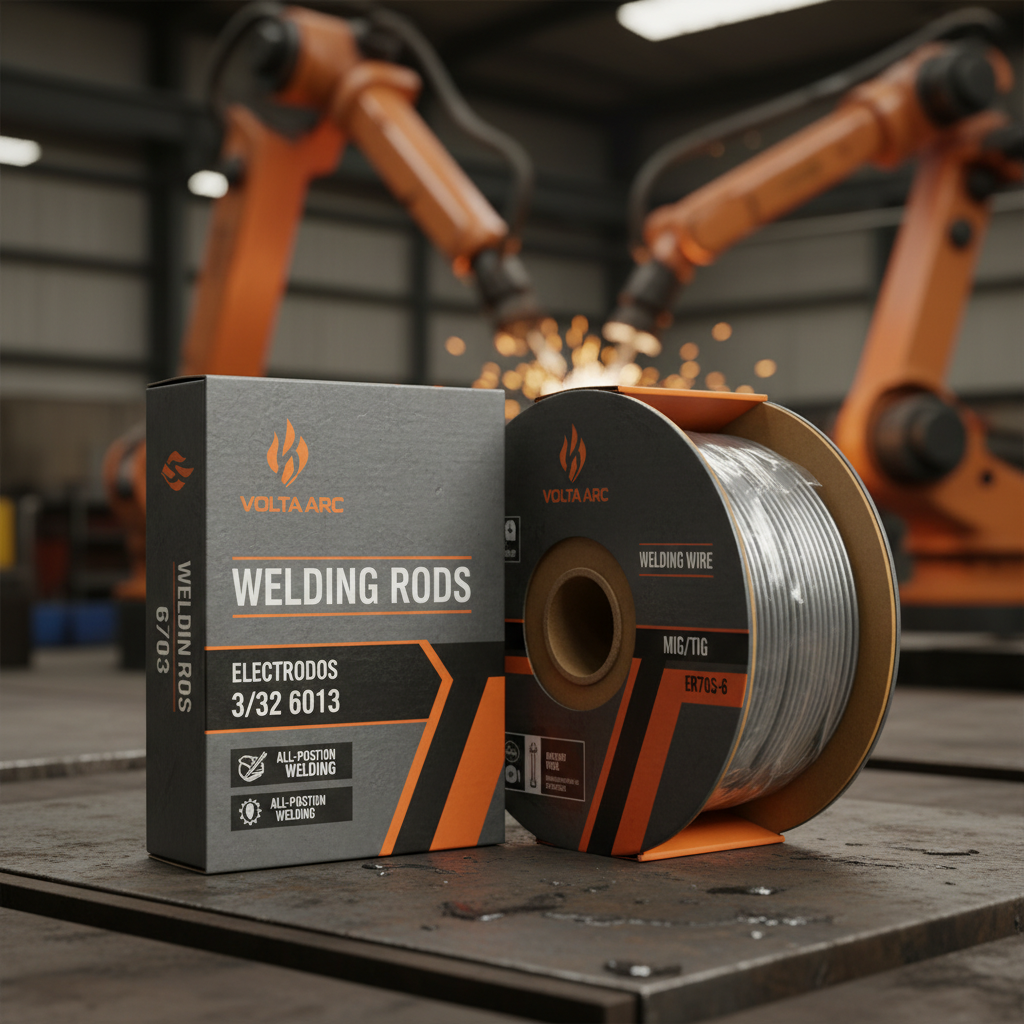
In the precision-driven world of metal fabrication, the choice of welding consumables can determine the structural integrity and aesthetic finish of a project. The electrodos 3/32 6013 stands as a cornerstone for both novice welders and seasoned professionals, offering a unique balance of ease-of-use and versatile performance across various mild steel applications.
Understanding the technical nuances of the 6013 classification—particularly in the 3/32" diameter—allows fabricators to optimize their heat input and penetration depth. This specific size is often the "sweet spot" for thin-to-medium gauge metals, ensuring that the weld is strong without burning through the base material, making it essential for everything from automotive repairs to light industrial framing.
Globally, the demand for high-quality electrodos 3/32 6013 continues to grow as infrastructure projects in emerging markets prioritize rapid deployment and reliability. By mastering the application of these electrodes, industries can achieve professional-grade results while maintaining cost-efficiency and reducing waste in the workshop.
Global Industrial Relevance of electrodos 3/32 6013
On a global scale, the adoption of electrodos 3/32 6013 is intrinsically linked to the expansion of light manufacturing and residential construction. According to ISO standards for welding consumables, the 6013 high-titania potassium coating is favored for its stable arc and smooth bead appearance, which significantly reduces the time required for post-weld grinding and finishing in high-volume production environments.
The challenge many industries face is the volatility of material quality across different suppliers. In regions like Southeast Asia and Latin America, where rapid urbanization is driving the need for quick steel assembly, the consistency of the electrodos 3/32 6013 ensures that structural joints meet safety codes without requiring the extreme precision of TIG or MIG setups, thus democratizing high-quality metal joining.
Defining the Technical Specs of electrodos 3/32 6013
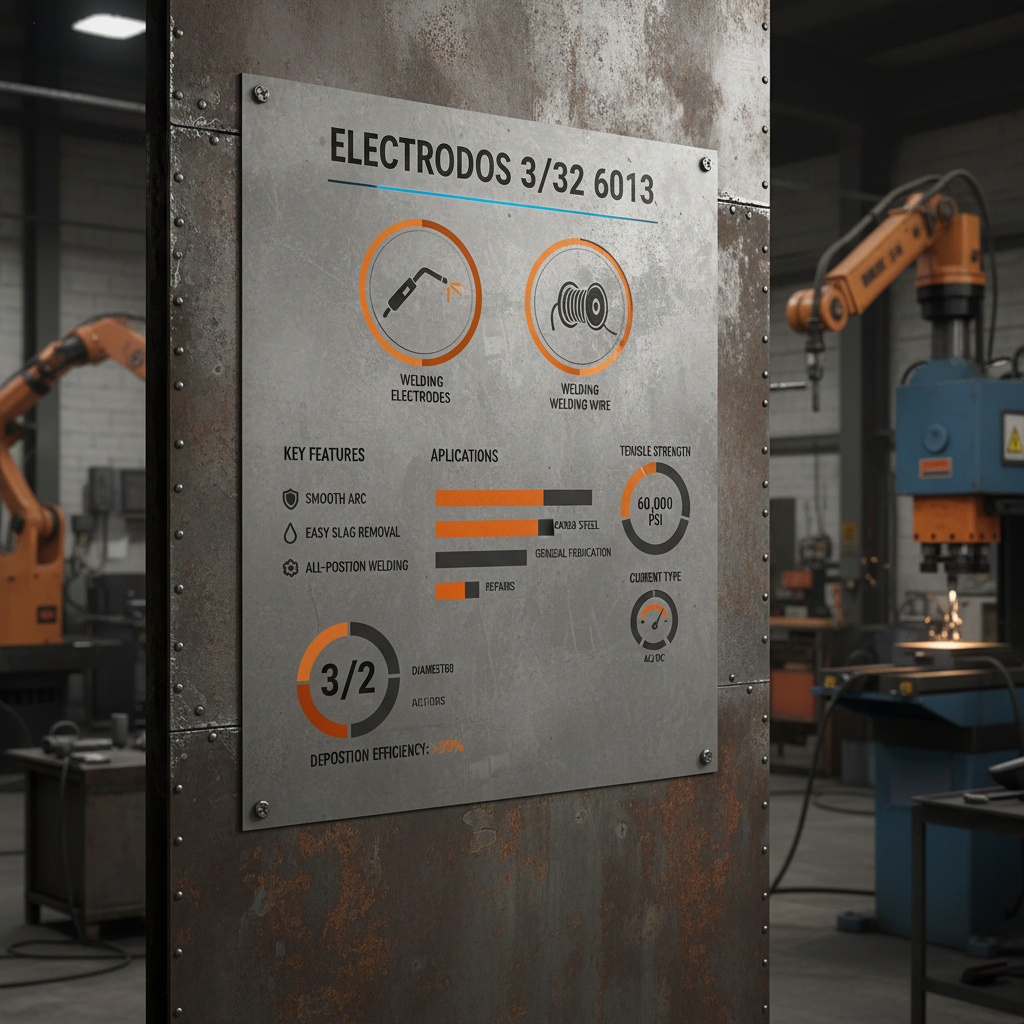
At its core, the electrodos 3/32 6013 is a mild steel welding electrode characterized by its rutile coating. The "60" indicates a minimum tensile strength of 60,000 psi, while the "1" denotes its versatility in all positions, and the "3" highlights its suitability for a wide range of currents (AC or DC). The 3/32" diameter is specifically engineered for thin-walled pipes, sheet metal, and light artistic sculptures.
In modern industrial contexts, this electrode serves as a critical bridge between heavy-duty industrial welding and precision hobbyist work. Its ability to strike an arc easily—even on slightly rusted or painted surfaces—makes it an indispensable tool for field repairs where perfect surface preparation is often impossible, aligning with the humanitarian need for rapid infrastructure restoration in remote zones.
Furthermore, the chemical composition of the flux allows for a slag blanket that is easily removable, ensuring that the weld pool remains protected from atmospheric contamination. This technical synergy allows the electrodos 3/32 6013 to maintain a high level of ductility and impact resistance, which are vital for components subjected to vibration or thermal expansion.
Core Components Influencing Performance
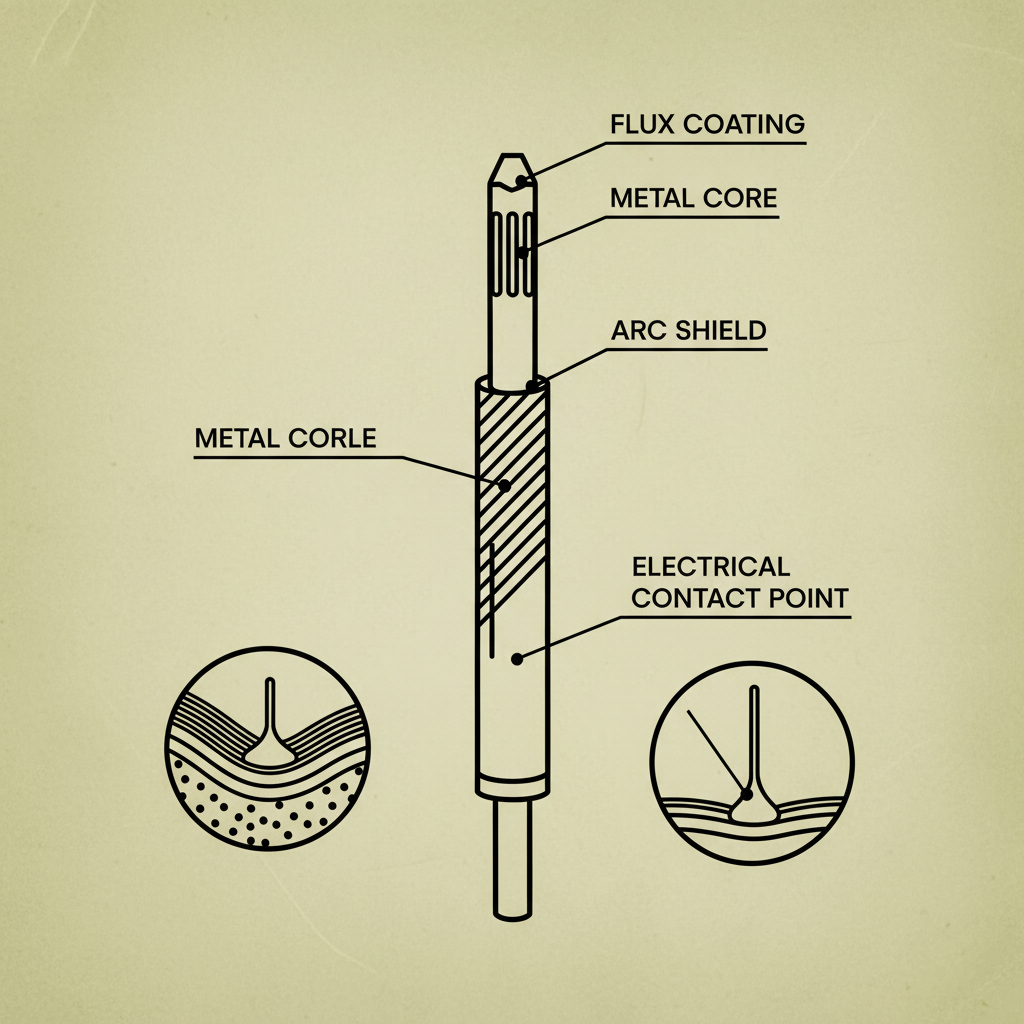
The efficiency of electrodos 3/32 6013 depends heavily on the quality of the rutile (titanium dioxide) coating. This component is responsible for the stabilization of the electric arc and the reduction of spatter, ensuring that the welder can maintain a steady hand and produce a clean, aesthetically pleasing bead without excessive waste.
Durability and consistency are further enhanced by the core wire's purity. For electrodos 3/32 6013, the low carbon content of the core wire prevents hydrogen-induced cracking, while the precise 3/32" diameter ensures that heat is distributed evenly, preventing the "burn-through" effect common in thinner materials when using larger rods.
Finally, cost-efficiency is realized through the electrode's high deposition rate relative to its ease of use. Because electrodos 3/32 6013 requires less specialized equipment and less training than high-cellulose electrodes, it reduces labor costs while maintaining a standard of reliability that meets most commercial building codes.
Practical Applications and Global Use Cases
The real-world application of electrodos 3/32 6013 spans across diverse sectors. In the automotive industry, it is frequently used for repairing chassis and exhaust systems where deep penetration is less critical than a clean, airtight seal. Similarly, in the HVAC sector, these electrodes are ideal for joining thin-gauge galvanized steel ducts.
In more challenging environments, such as post-disaster relief operations in remote industrial zones, the electrodos 3/32 6013 is the preferred choice for emergency repairs of bridges and support beams. Its ability to operate on basic AC current allows NGOs and emergency crews to utilize portable generators to restore critical infrastructure quickly.
Performance Metrics of electrodos 3/32 6013 Variations
Long-term Value and Economic Advantages
The long-term value of investing in high-grade electrodos 3/32 6013 extends beyond the initial purchase price. By utilizing electrodes with superior flux stability, workshops can significantly reduce the "re-work" rate. When a weld fails due to porosity or slag inclusion, the cost of grinding and re-welding often exceeds the cost of the consumable itself by five to ten times.
Moreover, from a sustainability perspective, the precision of the 3/32" size prevents excessive metal deposition and overheating of the base material. This not only saves on material costs but also reduces the energy consumption of the welding machine, contributing to a greener footprint in the manufacturing process while maintaining the safety and dignity of the final structure.
Future Innovations in Welding Consumables
The future of electrodos 3/32 6013 is being shaped by the digital transformation of the factory floor. We are seeing the integration of "smart" coatings that can better withstand varied atmospheric conditions, reducing the need for specialized storage and ovens, which is a game-changer for mobile welding units and field operators.
Furthermore, there is a shift toward eco-friendly flux materials. Researchers are developing new rutile variations for electrodos 3/32 6013 that reduce the emission of harmful fumes during the welding process. This innovation not only protects the health of the welder but also aligns with global environmental policies aimed at reducing heavy metal particulates in the air.
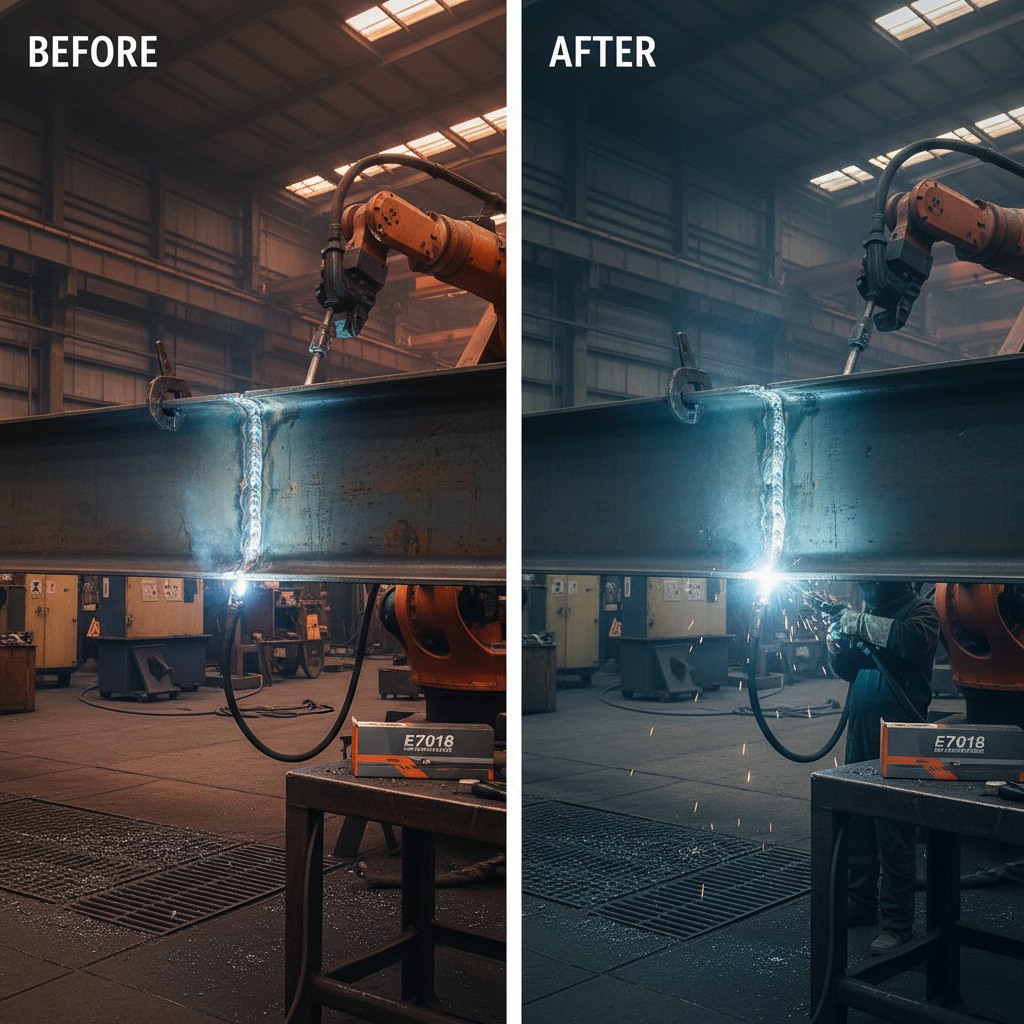
Automation is also playing a role; while SMAW (Shielded Metal Arc Welding) is traditionally a manual process, new robotic arms are being calibrated to handle the specific burn-off rate of the 3/32" rod. This hybrid approach combines the versatility of the 6013 electrode with the precision of automation, potentially revolutionizing small-batch custom fabrication.
Overcoming Common Welding Challenges
One of the most frequent challenges when using electrodos 3/32 6013 is "sticking" during arc ignition. This is often caused by incorrect amperage settings or surface contaminants. Expert insight suggests that maintaining a slightly higher current for the initial strike, then dialing it back for the fill, can effectively eliminate this frustration and increase productivity.
Another common issue is the formation of "undercut" at the edges of the weld bead. This usually happens when the welder moves too quickly or holds the electrode at too steep an angle. By adjusting the travel speed and maintaining a 15-to-30 degree angle, the electrodos 3/32 6013 can produce a perfectly concave bead that blends seamlessly into the base metal.
Finally, managing slag entrapment is crucial for structural integrity. To solve this, welders should implement a "weaving" technique and ensure a slight pause at the edges of the weld. This allows the molten slag to float to the surface of the pool, ensuring that the finished weld of the electrodos 3/32 6013 is dense and free of internal voids.
Technical Comparison and Application Analysis of electrodos 3/32 6013
| Application Metric |
Difficulty Level |
Penetration Depth |
Finish Quality |
| Thin Sheet Metal (1-2mm) |
Low |
Shallow |
Excellent |
| Light Pipe Welding |
Medium |
Moderate |
Good |
| Artistic Iron Work |
Low |
Shallow |
Superb |
| Emergency Field Repair |
Low |
Moderate |
Fair |
| Galvanized Steel Joints |
Medium |
Moderate |
Good |
| Light Support Beams |
Medium |
Moderate |
Good |
FAQS
The 3/32" diameter is ideal for thinner metals where a larger rod would provide too much heat, leading to "burn-through" or warping. It allows for more precise control over the weld pool, making it perfect for detailed work and light-gauge steel without sacrificing the strength provided by the 6013 classification.
Yes, one of the primary advantages of the 6013 rutile coating is its compatibility with both AC and DC welding machines. This makes it highly versatile for users who only have access to basic transformer-style AC welders, providing a stable arc and clean finish regardless of the power source.
Sticking often occurs due to low amperage or cold base metal. To prevent this, ensure your amperage is set within the recommended range for a 3/32" rod (typically 40-80 amps). Additionally, using a "scratch" start method with a quick flick of the wrist can help initiate the arc more effectively on rough surfaces.
While 6013 is excellent for light structural work and general fabrication, it is not typically used for heavy load-bearing structural beams in industrial buildings. For those applications, E7018 low-hydrogen electrodes are usually required by code due to their higher tensile strength and superior crack resistance.
For most mild steel applications, preheating is not necessary when using 6013 electrodes. However, if you are welding in extremely cold environments or working with thicker sections of steel, a slight preheat can help prevent rapid cooling and reduce the risk of brittle joints.
Although 6013 is less sensitive to moisture than 7018, it should still be stored in a dry, ventilated area. Using a sealed container or a low-temperature electrode oven prevents the flux from absorbing humidity, which ensures a stable arc and minimizes the risk of porosity in the final weld.
Conclusion
The electrodos 3/32 6013 remains an indispensable tool in the modern welder's arsenal, bridging the gap between accessibility and professional performance. From its ability to operate on basic AC power to its superior finish on thin-gauge mild steel, it provides a cost-effective and reliable solution for a vast array of industrial and residential applications. By understanding its technical strengths—such as rutile stability and controlled heat input—fabricators can ensure their projects are both structurally sound and aesthetically polished.
Looking forward, as the industry shifts toward sustainable manufacturing and smarter tools, the evolution of the 6013 electrode will likely focus on reduced emissions and enhanced flux chemistry. Whether you are restoring a vintage vehicle or constructing light industrial frames, choosing high-quality consumables is the first step toward excellence. We invite you to explore our full range of professional welding solutions to elevate your craftsmanship. Visit our website: www.steeltoolschina.com