


Regional Analysis
Welding Consumables Market in Kenya
Understanding the intersection of infrastructure development and technical requirements.
Kenya's industrial landscape is currently defined by a surge in infrastructure projects, from railway expansions to urban housing developments in Nairobi and Mombasa. This growth has created a massive demand for reliable metal joining solutions. The market is characterized by a mix of large-scale EPC contractors and a vibrant ecosystem of SME metal fabrication shops. In this environment, the reliability of welding consumables is paramount, as structural failures in public infrastructure can lead to severe legal and safety ramifications.
There is a visible shift towards higher-efficiency welding processes. While traditional shielded metal arc welding (SMAW) remains dominant for field work, there is increasing adoption of MIG/MAG and flux-cored welding in factory settings to improve productivity. This transition is driven by the need for faster turnaround times and the requirement for cleaner, more aesthetically pleasing welds in the commercial architectural sector. Consequently, the demand for specialized welding wire that supports high-speed deposition is rising.
The primary constraint remains the gap between available consumable quality and international certification standards. As Kenya seeks more foreign investment in energy and maritime sectors, the requirement for consumables approved by bodies like ABS or DNV is becoming a prerequisite for project bidding. This creates a significant opportunity for manufacturers who can provide a transparent chain of certification and consistent technical specifications, moving the market away from generic, unbranded products toward trusted industrial brands.
Industry Progress
The Evolution of Industrial Welding
From basic joining to high-precision metallurgical engineering.
Early Phase
Basic Integration
Focus was primarily on simple joining using general-purpose electrodes with limited control over weld chemistry or penetration depth.
Expansion Phase
Standardization
Introduction of AWS and ISO standards led to the adoption of specific grades like E7018 for high-strength applications.
Current Phase
Precision & Automation
Shift toward high-deposition flux-cored wires and robotic MIG welding to maximize efficiency and minimize human error.
Metallurgical Optimization
The industry has moved from simply "melting metal" to managing the heat-affected zone (HAZ). Modern consumables are designed to minimize brittleness and maximize toughness in critical joints.
Environment-Specific Formulations
Development of coatings that resist humidity and extreme temperatures, specifically tailored for tropical and coastal regions like East Africa to prevent porosity.
Sustainable Manufacturing
Reducing the carbon footprint of electrode production through energy-efficient kilns and the use of sustainable raw materials in flux formulations.
Future Outlook
Global Trends in Welding Technology
Adapting to the needs of tomorrow's industrial infrastructure.
Smart Consumable Integration
Integration of consumables with digital welding machines to automatically adjust current and voltage based on the electrode grade for perfect bead geometry.
Low-Hydrogen Requirement
Increasing mandates for H4 or H8 low-hydrogen electrodes in high-stress applications to virtually eliminate cold cracking in thick-section welds.
Multi-Metal Compatibility
Development of universal welding wire capable of joining dissimilar metals with minimal dilution, essential for modern industrial machinery.
Eco-Friendly Fluxes
Reducing the emission of hazardous fumes during the welding process by replacing traditional binders with bio-based alternatives without compromising arc stability.
The integration of these trends is creating a new paradigm where welding is no longer just a trade but a precise science. The transition toward "Smart Welding" involves not just the machine, but the consumables themselves. For instance, the chemical composition of the flux is being tuned to work with inverter-based power sources, which provide a much more stable current than old transformer machines. This results in a significantly lower defect rate and allows for higher deposition rates without increasing the risk of burn-through.
Furthermore, as global supply chains diversify, the focus is shifting toward "Total Cost of Ownership" rather than just the unit price of the rod. Industrial operators are realizing that a slightly more expensive, high-quality electrode that reduces slag cleaning by 20% and eliminates the need for a second pass is far more economical in the long run. This shift is particularly evident in the East African market, where professional contractors are now prioritizing certified products to ensure project longevity and reduce warranty claims.
Practical Applications
Welding Implementation Across Kenya
How our products solve real-world industrial problems in diverse Kenyan settings.
01
Mombasa Port Infrastructure Maintenance
In the high-salinity environment of the coast, corrosion is a constant threat. Maintenance teams utilize our stainless steel welding electrodes to repair docking structures. The precise alloy balance prevents pitting corrosion and ensures the welds withstand the aggressive maritime atmosphere, extending the life of port assets.
02
Nairobi Commercial High-Rise Fabrication
Structural steel for skyscrapers requires high-strength, low-hydrogen welds. Contractors employ our E7018 electrodes to ensure zero-defect joints in load-bearing columns. This prevents stress-corrosion cracking and meets the stringent safety codes required for urban high-density construction in the capital.
03
Agricultural Machinery Repair in Rift Valley
Farm equipment often suffers from heavy wear and impact damage. Local repair shops use our E6013 and E6011 electrodes for their versatility and ease of use on weathered steel. The stable arc allows for quick, strong repairs in field conditions, minimizing downtime for critical harvesting machinery.
04
Oil and Gas Pipeline Installation in Northern Kenya
Remote pipeline projects face challenges with moisture and wind. Our flux-cored welding wires are deployed to provide high-speed, all-position welding. This increases the daily weld-inch rate while ensuring X-ray quality joints that prevent leaks in hazardous material transport.
05
Aluminum Frame Fabrication for Solar Arrays
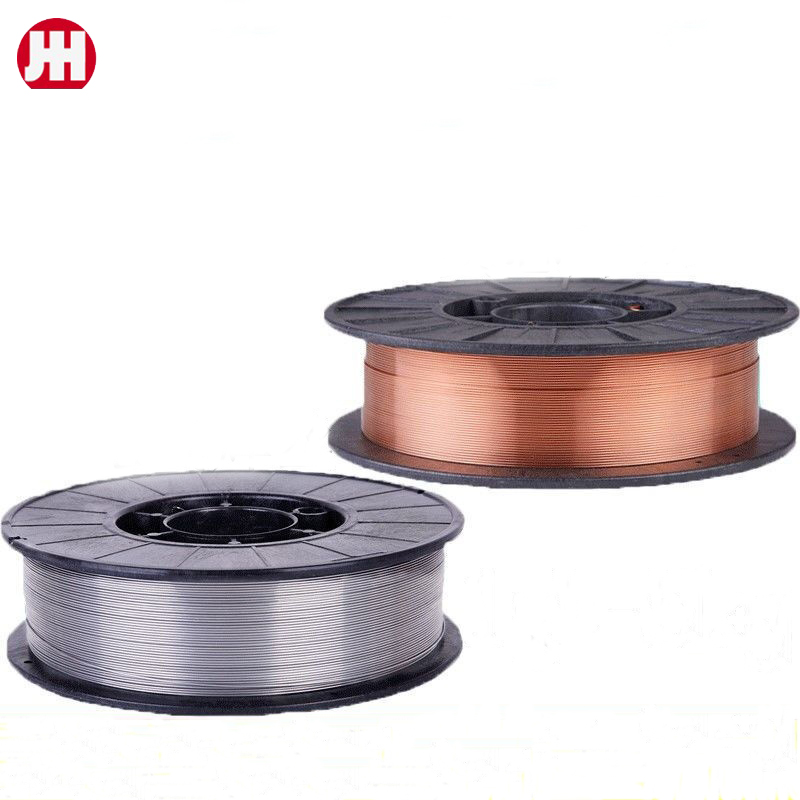
With the growth of renewable energy, aluminum structures are common. Fabricators use our mig aluminum wire to create lightweight, corrosion-resistant frames. The smooth feeding properties ensure consistent beads, reducing the need for cosmetic filling and accelerating installation.
Operational Proof
Representative Use Cases
Typical outcomes achieved by professional operators using our consumables.
In heavy structural projects, switching to certified E7018 electrodes resulted in a noticeable reduction in weld porosity. The stability of the arc allowed our team to complete the vertical joints in a single pass, significantly reducing the labor hours per segment and ensuring we passed the ultrasonic test on the first attempt.
The transition to high-quality MIG aluminum wire has solved our frequent wire-jamming issues. We've observed a more consistent bead profile and a significant decrease in spatter. This has improved our production speed for solar mounting frames, allowing us to meet tighter delivery deadlines for our clients.
Using ABS-approved consumables was the turning point for our bid on maritime repair works. The consistency in the chemical composition of the electrodes ensured that the welds met the strict maritime safety standards, giving us a competitive edge and expanding our capability to handle offshore contracts.
Our Legacy
HEBEI YUJINHONG TECHNOLOGY
Over two decades of excellence in welding consumable manufacturing.
1996
Company Establishment
The company was successfully registered in Shijiazhuang City, Hebei Province, with a core commitment to producing high-quality welding products for the industrial market.
2006
Production Refinement
Expanded the production base to achieve refined production, equipping advanced lines with an annual productivity capacity reaching up to 100,000 tons.
2010
Brand Identity Creation
Registered the "GREAT MASTER" trademark, establishing a dedicated private brand focused on professional welding consumables for global distribution.
2011
Certification Milestone
Successfully passed a series of international certifications including CE, ISO, CCS, and TUV, significantly improving the foreign trade quality system.
2020
Steady Market Growth
Despite global challenges, the company experienced rapid growth, completing annual targets in the first half of the year through expanded digital sales.
2024
Strategic Expansion
Establishment of a new branch factory to further expand the scale of foreign trade orders and increase production capacity for global markets.

AWS ENi-CI Cast Iron Rod
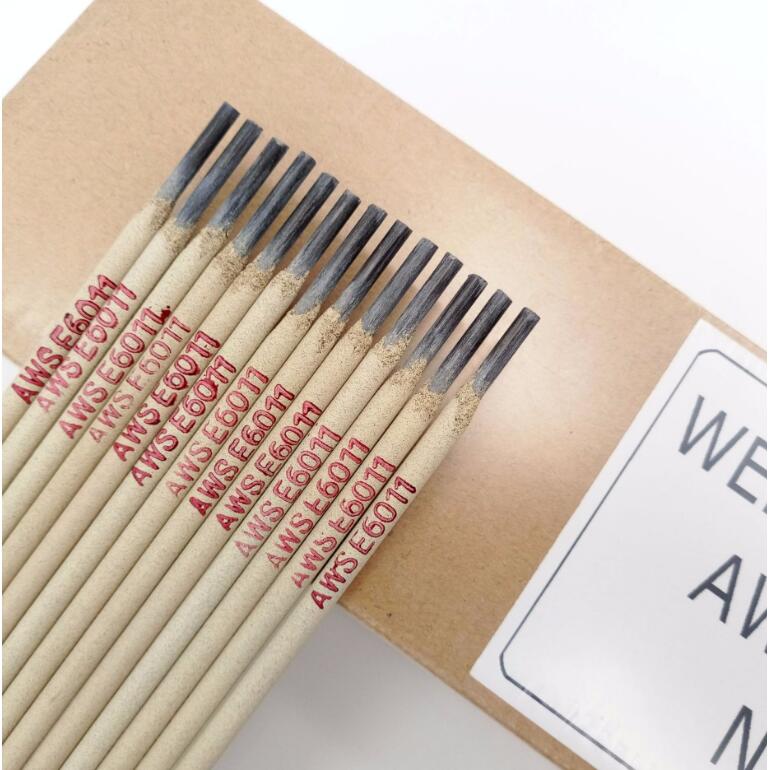
AWS A5.1 E6011 Electrode
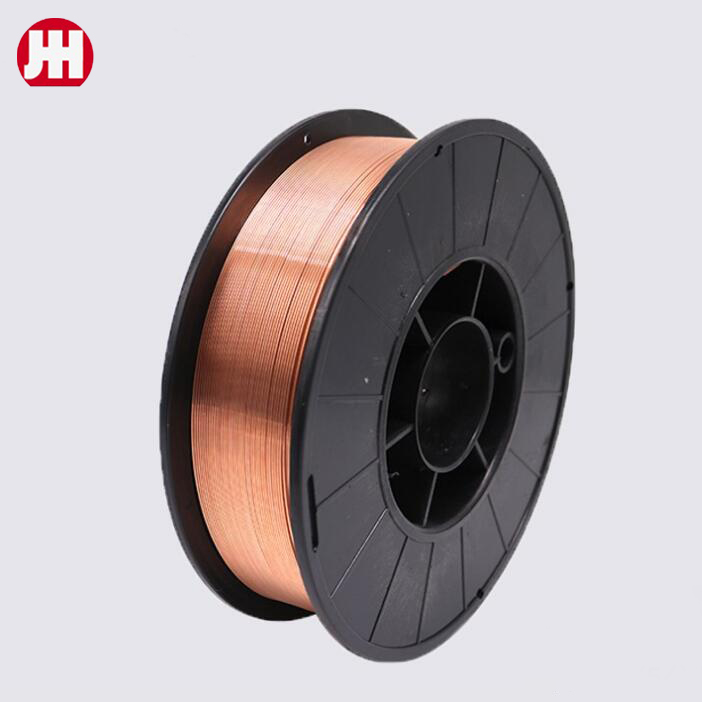
Copper Coated Welding Wire

E6013 Welding Electrode
Technical Support
Welding Consumables FAQ
Expert answers to the most common questions from industrial buyers in Kenya.
What is the difference between E6013 and E7018 welding rods for industrial use?
The primary difference lies in their strength and hydrogen content. E6013 is a general-purpose electrode known for its ease of use and smooth finish, ideal for light fabrication. E7018 is a low-hydrogen electrode designed for high-strength applications, such as pressure vessels or structural beams, as it significantly reduces the risk of cold cracking. For critical Kenyan infrastructure, E7018 is typically required for load-bearing joints.
How do I choose the right mig aluminum wire for solar panel frame fabrication?
Selection depends on the aluminum alloy grade of your frames (e.g., 6061 or 5052). You must ensure the filler wire matches the base metal's mechanical properties to prevent corrosion and cracking. We recommend using high-purity aluminum wires with strict diameter tolerances to avoid feeding issues in the MIG torch, which is crucial for maintaining a consistent production rate in high-volume solar projects.
Are your welding consumables compliant with international standards like ABS or TUV?
Yes, our "GREAT MASTER" brand consumables are extensively certified. We hold approvals from ABS, BV, CCS, DNV.GL, LR, NK, KR, RINA, RS, BKI, and CWB. Additionally, our main products are CE, DB, and TUV approved. This allows our Kenyan partners to utilize our products in shipbuilding, offshore engineering, and high-pressure piping projects that require strict adherence to global safety standards.
How should welding electrodes be stored in high-humidity regions like the Kenyan coast?
To prevent moisture absorption, which leads to hydrogen porosity, electrodes—especially low-hydrogen types like E7018—should be stored in airtight containers or heated ovens. We recommend maintaining a consistent temperature to keep the flux dry. If electrodes have been exposed to humidity, they should be re-baked according to the manufacturer's temperature and time specifications before use to ensure weld integrity.
Can flux-cored welding wire replace traditional SMAW for pipeline projects?
In many cases, yes. Flux-cored welding offers significantly higher deposition rates compared to SMAW, reducing the number of passes needed. It is particularly effective for thick-wall pipes. However, the choice depends on the site's wind conditions and power availability. For high-speed pipeline installation in remote areas, flux-cored wire is often the superior choice for productivity, provided the correct shielding gas or self-shielding wire is selected.
What is the best way to verify the quality of a bulk shipment of welding rods?
Quality verification should involve three steps: First, check the Mill Test Certificate (MTC) to verify the chemical composition and mechanical properties. Second, conduct a visual inspection for coating integrity and consistency. Third, perform a series of test welds on sample plates and subject them to bend tests or X-ray inspection to ensure the fusion and penetration meet the project's specific weld procedure specification (WPS).
Ready to Upgrade
Secure High-Performance Welding Consumables for Your Kenyan Projects
Whether you are managing a large-scale infrastructure project in Nairobi or operating a specialized fabrication shop in Mombasa, the quality of your weld determines the safety of your structure. Partner with HEBEI YUJINHONG TECHNOLOGY to access certified, high-durability electrodes and wires that reduce waste and eliminate defects. Contact us today to discuss your technical specifications and procurement needs.
Discuss Your Requirements