


Industrial Welding Consumables
Premium quality welding electrodes and wires designed for diverse metal fabrication needs.

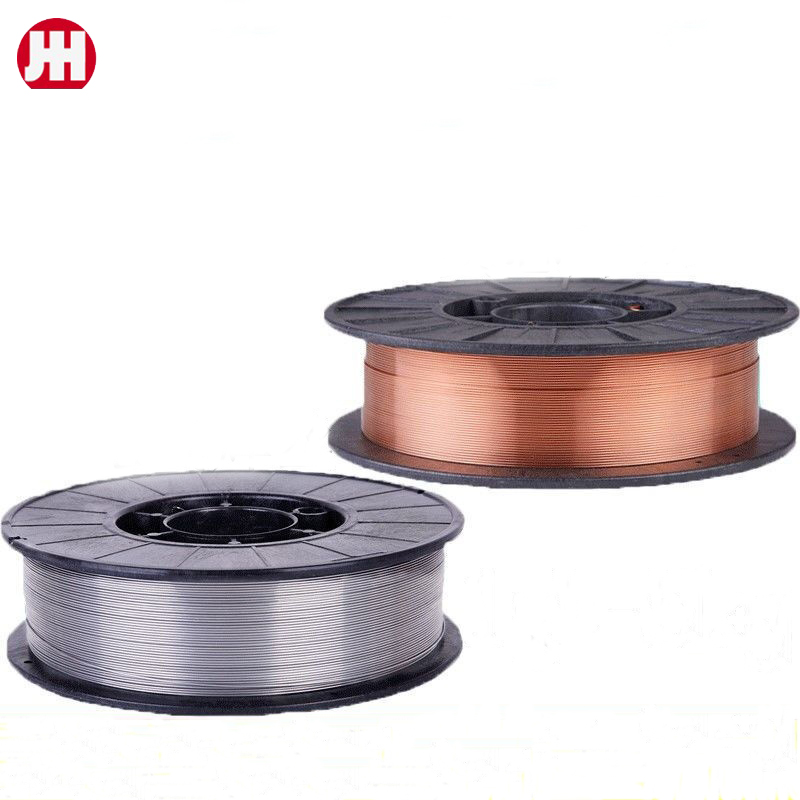
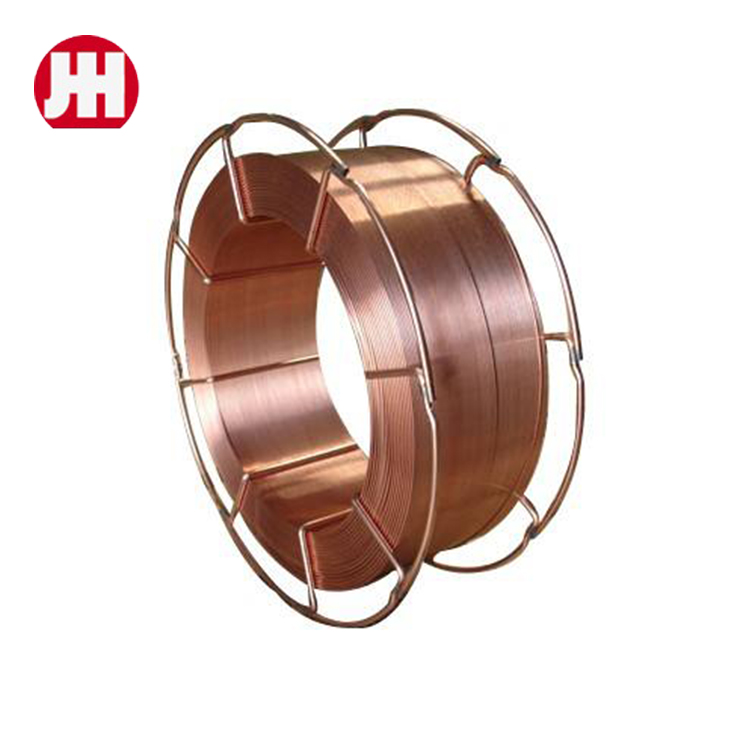
Tubular Welding Wire
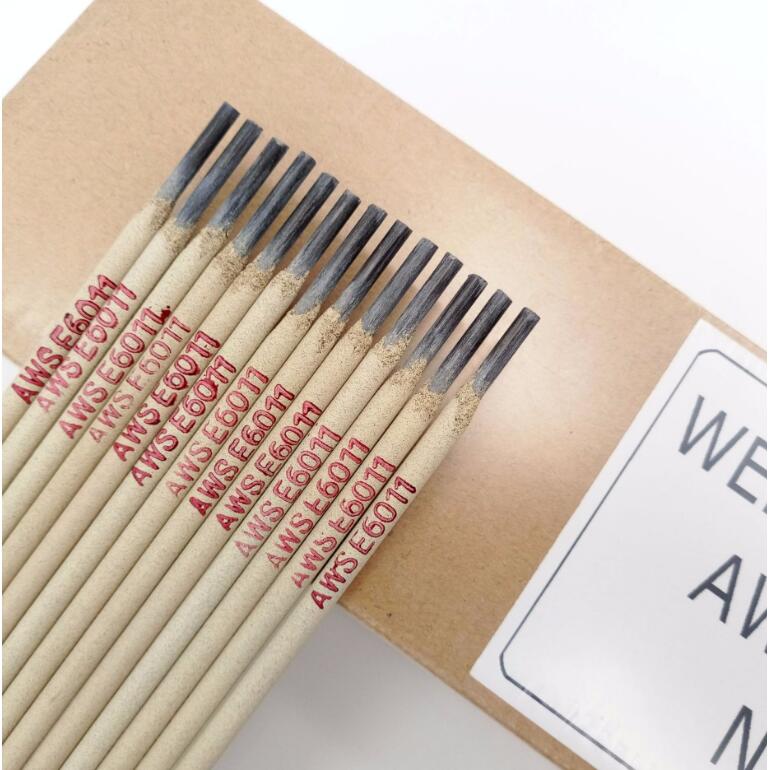
AWS A5.1 E6011 Electrode

AWS ENi-CI Cast Iron Rod
Market Analysis
The Metal Fabrication Landscape in Gambia
Analyzing demand drivers and procurement trends in the Gambian welding industry.
The Gambian market is currently seeing a rise in infrastructure development and small-to-medium scale metal workshops. There is a significant demand for versatile welding rod options that can handle fluctuating power conditions often found in local workshops.
Procurement is shifting toward materials that balance cost-efficiency with high tensile strength, particularly for residential gating, vehicle repairs, and coastal infrastructure maintenance where corrosion resistance is critical.
Supply chains in Gambia rely heavily on imports. Local buyers prioritize suppliers who can provide certified consumables that meet international standards (CE, ISO) to ensure safety in public works and maritime applications.
Key Selection Factor
Certification Compliance (ABS, BV, TUV)
Industry Evolution
Evolution of Welding Technology
From traditional stick welding to advanced MIG/TIG processes.
Early Adoption
Stick Welding Dominance
Widespread use of basic welding electrode types for general repair and basic construction.
Expansion Phase
Specialized Alloy Integration
Introduction of stainless steel and cast iron rods to meet specific industrial and maritime requirements.
Current State
Automated & Precision Welding
Transition toward welding wire and MIG processes for higher efficiency and cleaner finishes.
Material Versatility
The ability to switch between E6013 and E7018 electrodes allows shops to handle both light fabrication and heavy-duty structural work.
Efficiency Gains
MIG aluminum wire significantly reduces welding time and slag cleanup compared to traditional methods in aluminum fabrication.
Quality Assurance
Adherence to international standards like AWS and ISO ensures safety and longevity of welded joints in critical infrastructure.
Future Outlook
Trends Shaping the Welding Industry
How technology and sustainability are redefining metal joining processes.
01
Sustainable Sourcing
Increased focus on eco-friendly fluxes and low-fume electrodes to improve workshop air quality and operator health.
02
Process Automation
Integration of semi-automatic wire feeders to increase deposition rates in larger fabrication projects.
03
Specialized Alloys
Rising demand for mig aluminum wire for lightweight, corrosion-resistant marine parts.
04
Precision Control
Adoption of inverter-based welding machines that require more stable and consistent electrode performance.
Modern fabrication focuses on reducing waste and improving joint strength. The use of high-cellulose electrodes like E6010 is becoming more common for root passes in pipe welding within the energy sector.
The trend toward "all-position" welding allows for greater flexibility in site-based installations, reducing the need for repositioning heavy metal structures during construction.
Application
Practical Welding Scenarios in Gambia
Where our welding consumables provide maximum value in the local environment.
01
Coastal Infrastructure Repair
Using stainless steel metal welding rod to combat saltwater corrosion in piers and harbor facilities.
02
Agricultural Equipment Maintenance
Rapid repair of tractors and plows using E6013 electrodes for ease of use and strong penetration on carbon steel.
03
Marine Vessel Fabrication
Application of flux-cored welding wire for heavy-duty hull plates, ensuring leak-proof seals and high load-bearing capacity.
04
Urban Construction Frames
Using E7018 low-hydrogen electrodes for structural beams in commercial buildings to prevent cold cracking.
05
Aluminum Art & Design
Utilizing mig aluminum wire for lightweight architectural elements and custom furniture.
About Hebei Yujinhong
Decades of Welding Excellence
A journey of innovation and quality in hardware manufacturing since 1996.
1996
Company Foundation
Established in Shijiazhuang City, Hebei Province, dedicated to the production of high-quality welding products.
2006
Production Scale-up
Expanded the production base to achieve refined manufacturing with an annual capacity reaching 100,000 tons.
2010
Brand Identity
Registered the "GREAT MASTER" trademark, establishing a private brand recognized for quality in welding consumables.
2011
Global Certification
Achieved critical certifications including CE, ISO, CCS, and TUV, streamlining the foreign trade system.
2020
Steady Growth
Maintained robust expansion despite global challenges, exceeding annual targets through efficient supply chain management.
2024
Capacity Expansion
Establishing a new branch factory to further expand production and meet growing international trade orders.
Complete Welding Solution Suite
Explore our full range of approved consumables for shipbuilding, offshore, and general construction.


06 — Expert Advice
Welding Consumables FAQ
Technical guidance for selecting the right electrodes and wires for your project.
General
What is the difference between a welding rod and a welding electrode?
+
While often used interchangeably, a welding electrode is technically the conductor that carries the current to the weld pool, often coated in flux (like the E6013). A welding rod is a more general term that can include filler metals used in TIG welding. For most Gambian fabrication shops, the stick electrode is the primary tool.
Technical
Which electrode is best for heavy structural steel in coastal areas?
+
For structural integrity and resistance to cracking, E7018 (low-hydrogen) is recommended. It provides superior strength and ductility. In coastal regions of Gambia, ensuring a clean joint and applying a protective coating after welding is essential to prevent salt-induced corrosion.
Implementation
How do I store welding electrodes to prevent moisture absorption?
+
Store electrodes in a dry, climate-controlled environment. For low-hydrogen rods like E7018, use an electrode oven to keep them at the manufacturer's recommended temperature. This prevents hydrogen-induced cracking, which is critical for high-pressure or heavy-load welds.
Procurement
What certifications should I look for when importing welding wire to Gambia?
+
Prioritize products with CE, ISO, and TUV certifications. For maritime or shipbuilding projects, ensure the consumables are approved by classification societies such as ABS, BV, DNV.GL, or LR, as these guarantee the metal meets safety standards for offshore use.
Maintenance
Why is my MIG aluminum wire feeding inconsistently?
+
Inconsistent feeding is often caused by friction in the liner or improper tension in the drive rolls. Ensure you are using U-grooved rollers specifically for aluminum wire to avoid deformation and check that the liner is clean and free of debris.
Local Fit
Are these welding consumables suitable for the humid climate of West Africa?
+
Yes, our products are designed to meet international standards that account for various environmental conditions. However, in high-humidity areas like Gambia, we strongly recommend using airtight packaging and proper storage ovens to maintain the quality of the flux coating.
Discuss Your Welding Requirements Today
Get professional guidance on selecting the right welding consumables for your industrial projects in Gambia.
Request a Quote Now