
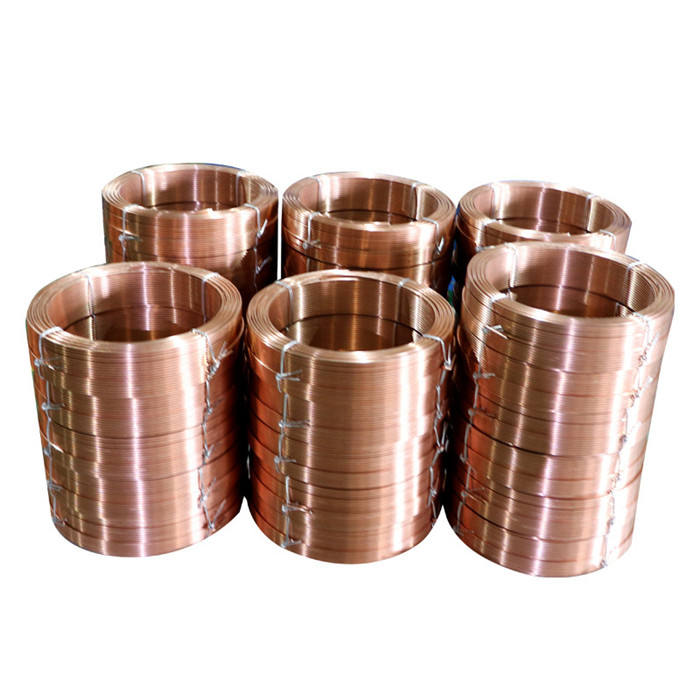
Industrial Welding Solutions for Laos: High-Performance welding electrode

Empowering the Laotian manufacturing sector with precision-engineered consumables for infrastructure, mining, and metal fabrication.

Industrial Welding Solutions for Laos: High-Performance welding electrode

Providing the most reliable metal welding rod and specialized wire solutions to meet the rigorous demands of Southeast Asian heavy industry.

The State of Welding Fabrication in Laos

Analyzing the intersection of tropical humidity and industrial growth in the Mekong region.

In Laos, the welding industry is currently undergoing a transition driven by massive hydropower projects and mining expansion. However, the extreme tropical humidity of the region poses a significant challenge for consumables, often leading to moisture absorption in standard welding rod stocks, which can cause porosity in critical joints.

Local workshops have traditionally relied on general-purpose materials, but the shift toward international infrastructure standards is creating a surge in demand for high-tensile welding electrode options. There is a growing need for consumables that can withstand high-sulfur environments typical of Laotian mining sites.

Furthermore, the rise of the logistics corridor between Thailand and China has introduced a need for faster, more efficient processes. This is driving the adoption of welding wire for MIG/MAG applications to increase throughput in urban fabrication centers like Vientiane and Luang Prabang.

Evolution of Metal Joining Technology in Laos

From traditional manual arc welding to advanced automated deposition.

Market Development History

Between 2000 and 2010, the Laotian market was dominated by basic stick welding using entry-level metal welding rod products, primarily for agricultural tool repair and small-scale construction.

From 2011 to 2020, the "Infrastructure Boom" era saw the introduction of specialized electrodes for bridge and dam construction, moving the industry toward AWS and ISO standardized consumables to ensure structural integrity for international investments.

Since 2021, there has been a clear pivot toward lightweighting and high-efficiency alloys. The emergence of automotive assembly and advanced aluminum fabrication has made mig aluminum wire a critical component for local high-tech workshops.

Future Development Trends

Digitalized Welding Parameters

Integration of IoT-enabled welding machines that optimize the feed rate of welding wire to reduce waste and improve energy efficiency in power-constrained areas.

Eco-Friendly Low-Fume Consumables

A shift toward "green" welding electrodes that reduce hazardous fumes, aligning with new ASEAN environmental regulations for worker safety.

Advanced Alloy Adoption

Increased use of corrosion-resistant fillers to combat the high moisture and acidity of tropical soils in rural Laotian project sites.

Industry Outlook and Technological Forecasting

Predicting the trajectory of metal fabrication through 2028.

Automated MIG Integration
Transitioning from manual arcs to robotic MIG systems using high-precision wire for mass-produced metal components.
Aluminum Specialization
Increased adoption of mig aluminum wire for the growing transport and aerospace repair sectors in SE Asia.
High-Strength Alloys
Shift toward low-hydrogen electrodes to prevent cold cracking in heavy-duty mining equipment fabrication.
Sustainable Sourcing
Demand for consumables with lower carbon footprints and recyclable packaging to meet green building certifications.

Industry Outlook

Based on search trend logic for "industrial fabrication Laos," we anticipate a 15% CAGR in the consumption of semi-automatic welding wires. The push for urbanization in Vientiane is shifting the market from "repair" to "new construction," favoring high-deposition rate consumables.

The integration of the Laos-China Railway will likely accelerate the import of high-grade industrial tools, forcing local manufacturers to upgrade their skills and the quality of the electrodes they use to maintain competitiveness.

Localized Application Scenarios in Laos

Practical use cases for professional welding consumables in the Laotian landscape.

01. Hydropower Dam Infrastructure

Using high-tensile welding electrode for the reinforcement of penstocks and turbine housings, ensuring zero-leakage and extreme pressure resistance.

02. Open-Pit Mining Equipment

Applying hard-facing metal welding rod to repair excavator buckets and crushers used in the gold and copper mines of the northern provinces.

03. Aluminum Transport Components

Utilizing mig aluminum wire for the construction of lightweight truck bodies and specialized transport frames for mountainous terrain.

04. Urban Commercial Construction

Rapid assembly of steel frames for malls and hotels in Vientiane using high-efficiency welding wire to minimize project timelines.

05. Agricultural Machinery Fabrication

Localized production of rice harvesting equipment using versatile welding rod products for durable, low-cost rural tool manufacturing.

Brand Story

Global Development Journey of Hebei Yujinhong Technology Co., Ltd.

Foundational Excellence

Established with a focus on metallurgy, we began by solving the instability of arc welding for local industrial plants, prioritizing purity and consistency.

Technological Breakthrough

Developed advanced coating formulas that prevent moisture absorption, a critical pain point for customers in humid climates like Laos.

Global Expansion

Expanded our footprint into Southeast Asia, adapting our product line to meet diverse international standards including AWS, DIN, and JIS.

Industry Leadership

Became a trusted partner for large-scale infrastructure projects, providing tailor-made consumables for extreme environment welding.

Sustainable Future

Now focusing on the next generation of eco-friendly welding technology to support the global transition toward green manufacturing.

Complete Welding Consumable Portfolio for Laos

From heavy-duty electrodes to precision aluminum wires, engineered for the Mekong region.

Welding Technical FAQ for Laos

Expert answers to common challenges in tropical metal fabrication.

How to prevent moisture in welding electrode storage in Laos?

Due to high humidity in Laos, we recommend using heated drying ovens and vacuum-sealed packaging to maintain the integrity of the flux coating.

Which metal welding rod is best for mining equipment repair?

Hard-facing electrodes with high chromium and manganese content are ideal for combating the abrasive wear found in Laotian copper and gold mines.

Can mig aluminum wire be used for marine-grade fabrication?

Yes, our 5000 series aluminum wires offer excellent corrosion resistance, making them perfect for river-based transport and dock fabrication.

What is the advantage of using welding wire over stick rods?

Welding wire allows for continuous feeding, resulting in significantly higher deposition rates and less slag cleanup, which is vital for large-scale projects.

Are your consumables compliant with international AWS standards?

Absolutely. All our products are tested to meet or exceed AWS and ISO standards, ensuring they are suitable for international engineering contracts.

How to choose the right diameter welding rod for thin sheet metal?

For thin sheets, a smaller diameter rod (e.g., 2.0mm or 2.5mm) with a stable arc is recommended to prevent burn-through and distortion.

Get Expert Welding Consultation

Our technical engineers are ready to provide customized consumables solutions for your projects in Laos.

Contact Us Now

If you are interested in our products, you can choose to leave your information here, and we will be in touch with you shortly.