


Premium Welding Consumables for Rwanda
Our professional range of electrodes and wires designed for high-strength applications, ensuring seamless joints and durable metal structures.

AWS ENi-CI Cast Iron Rod

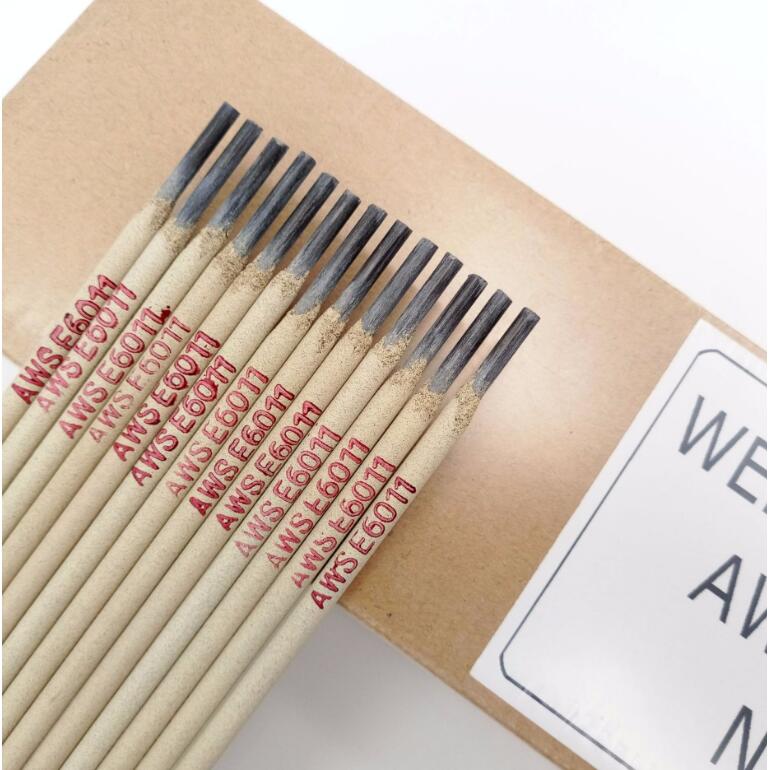
E6011 Electrode for AC Welding

E7018 Welding Rods Factory Supply
Metal Tooling and Welding Needs in Rwanda
Analyzing the demand for professional welding electrode standards in the local market.
Rwanda is currently experiencing a steady growth in infrastructure development and small-to-medium manufacturing. The local metalworking industry relies heavily on the quality of consumables for construction and equipment repair. There is an increasing demand for high-standard consumables that can withstand varied environmental conditions, ensuring that welded joints in urban projects and rural workshops maintain long-term stability.
One of the primary challenges faced by Rwandan fabricators is the inconsistency of consumables quality, which can lead to weld porosity and structural failure. The shift toward more specialized applications, such as aluminum fabrication for automotive parts or specialized industrial machinery, has created a critical need for high-purity mig aluminum wire to ensure precise and clean weld beads.
As the industry evolves, there is a clear opportunity for the adoption of internationally certified consumables. By integrating products that meet CE and ISO standards, local enterprises can reduce rework costs and improve the overall lifespan of their metal products, positioning Rwanda as a growing hub for quality metalwork in the East African region.
Evolution of Metal Welding Technology
From basic manual arcs to advanced automated wire feeding systems.
Industry Milestones
Early Stage
Manual Arc Adoption
Heavy reliance on basic rods for general repair, with limited focus on alloy specificity or specialized coatings.
Growth Phase
MIG/MAG Transition
Industrialization leads to the adoption of welding wire for faster production and stronger joint consistency.
Current Era
Precision Consumables
Focus on high-alloy electrodes and specialty aluminum wires for high-tech manufacturing and aerospace components.
Modern Trends
- Standardization Adoption of global certification standards (ABS, CE, TUV) to ensure safety in critical structural welds.
- Material Diversification Increased use of stainless steel and cast iron rods for specialized industrial maintenance.
- Efficiency Gains Transition to flux-cored wires to maximize deposition rates and minimize downtime.
Industrial Welding Outlook
Driving the future of metal fabrication with advanced material science.
Precision Alloy Control
The shift toward narrow-gap welding and high-alloy materials requires tighter control over electrode chemistry for crack prevention.
Cost Optimization
Optimizing deposition rates through flux-cored technologies to reduce gas consumption and overall labor hours per joint.
Automation Integration
Integration of robotic welding arms necessitating consistent metal welding rod diameters for uninterrupted feeding.
Green Manufacturing
Developing low-fume electrodes to improve workshop safety and comply with emerging environmental health standards.
The future of the industry lies in the synergy between high-quality consumables and digital precision. As Rwanda expands its industrial zones, the demand for specialized consumables will transition from general-purpose rods to tailored solutions for shipbuilding, offshore structures, and heavy machinery.
Establishing a reliable supply chain of certified consumables is essential. Enterprises that prioritize international standards like DNV.GL or BV will find a competitive edge in securing high-value government and international infrastructure contracts.
Application Scenarios in Rwanda
Tailored welding solutions for diverse industrial and commercial requirements.
1
Urban Infrastructure
Civil engineering firms use E7018 low-hydrogen electrodes for structural steel frames in Kigali's expanding skyline to ensure seismic resistance and load-bearing strength.
2
Agricultural Equipment
Local workshops employ general-purpose welding rods to fabricate and repair irrigation systems and tractors, prioritizing ease of use and versatility for rural maintenance.
3
Transport & Logistics
Trucking and trailer repair shops utilize welding wire for chassis reinforcement, focusing on high-impact strength and fatigue resistance for long-haul roads.
4
Aluminum Fabrication
Specialized workshops producing window frames and automotive parts use mig aluminum wire to achieve lightweight, corrosion-resistant joints with high aesthetic quality.
5
Industrial Maintenance
Manufacturing plants use stainless steel welding electrodes for food-grade processing equipment to prevent oxidation and meet hygiene standards in agro-processing units.
Brand Story
HEBEI YUJINHONG TECHNOLOGY CO., LTD! Global Development Journey
1996
Company Foundation
Established in Shijiazhuang, Hebei, committing to the production of high-quality welding consumables for industrial use.
2006
Production Scale-up
Expanded production base for refined manufacturing, achieving an annual productivity of up to 100,000 tons.
2010
Brand Identity
Registered the "GREAT MASTER" trademark, establishing a dedicated private brand for professional welding consumables.
2011
Global Certification
Successfully passed CE, ISO, CCS, and TUV certifications, enhancing the foreign trade system and quality assurance.
2020
Steady Expansion
Achieved significant growth and exceeded annual targets despite global challenges, strengthening market presence.
2024
Branch Strategy
Establishing a new branch factory to further expand the scale of foreign trade orders and global distribution.
Professional Welding Consumables Catalog
Comprehensive selection of rods and wires approved by ABS, BV, DNV.GL and other international authorities.


Welding Consumables Technical FAQ
Expert guidance on choosing the right welding materials for your Rwanda project.
What is the difference between E6013 and E7018 welding rods for construction?
E6013 is a general-purpose rod suitable for thin sheets and light fabrication with a smooth finish. E7018 is a low-hydrogen electrode designed for high-strength structural welding, offering superior crack resistance and toughness for load-bearing joints.
How should welding electrodes be stored in humid environments?
Low-hydrogen electrodes like E7018 must be stored in heated ovens (typically 120-150°C) to prevent moisture absorption, which can cause hydrogen-induced cracking in the weld metal. General rods should be kept in dry, well-ventilated areas.
Are your welding consumables certified for shipbuilding and offshore use?
Yes, our "GREAT MASTER" brand consumables are widely used in shipbuilding and offshore applications and are approved by international bodies including ABS, BV, CCS, DNV.GL, LR, NK, KR, RINA, RS, BKI, and CWB.
Which welding wire is best for aluminum alloys in automotive repair?
For automotive aluminum repair, we recommend our mig aluminum wire, which provides excellent fluidity and high-quality fusion, ensuring lightweight strength and a clean finish that requires minimal post-weld grinding.
What is the lifespan of a welding rod if the packaging is opened?
The lifespan depends on the coating. For basic rods, they remain usable as long as they stay dry. For low-hydrogen rods, they must be used within a few hours of being removed from the oven to maintain their technical properties.
How does switching to certified welding wire improve overall ROI?
Using certified wires reduces weld defects and rework rates, significantly lowering labor costs. Higher deposition efficiency also means faster project completion and reduced material waste, leading to higher profit margins per project.
Optimize Your Fabrication Quality in Rwanda
Leverage HEBEI YUJINHONG's 28 years of manufacturing expertise to secure certified welding consumables that ensure structural safety and industrial efficiency.
Request Technical Quote