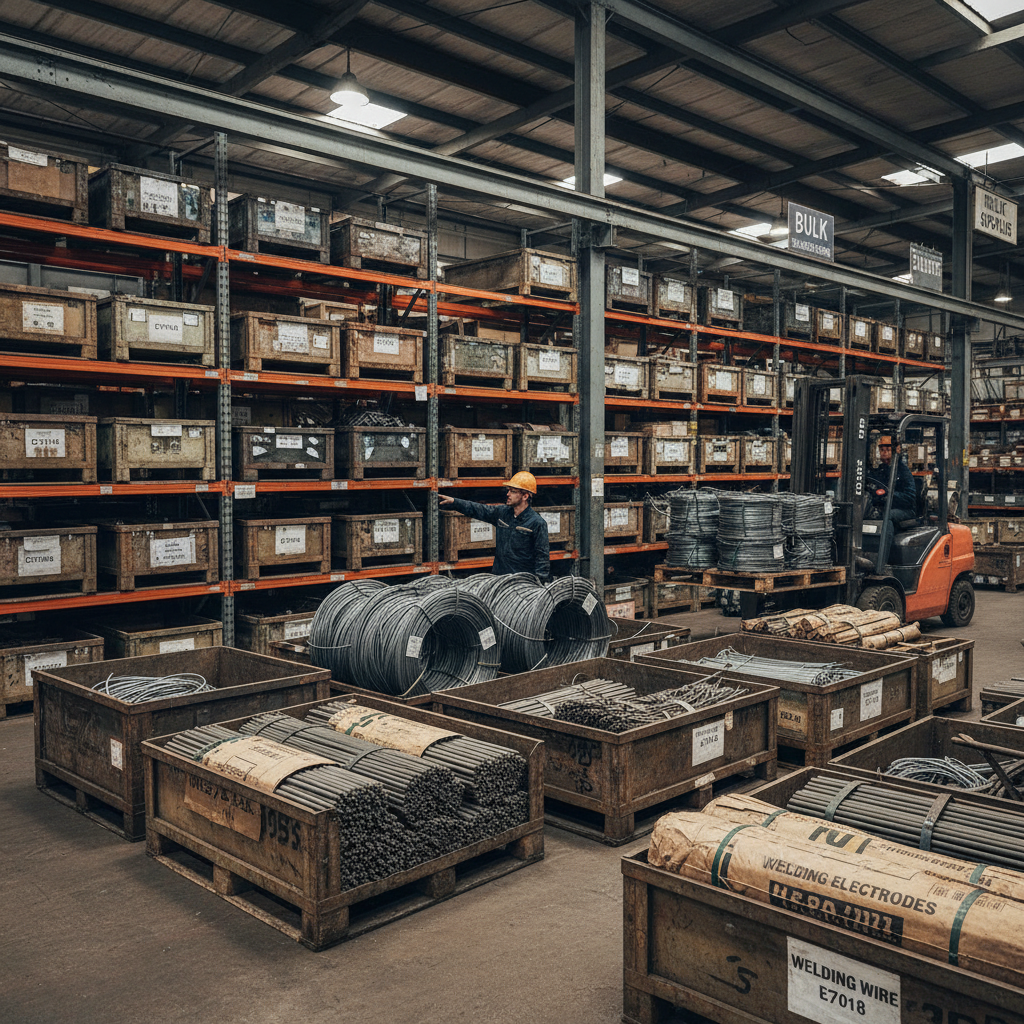
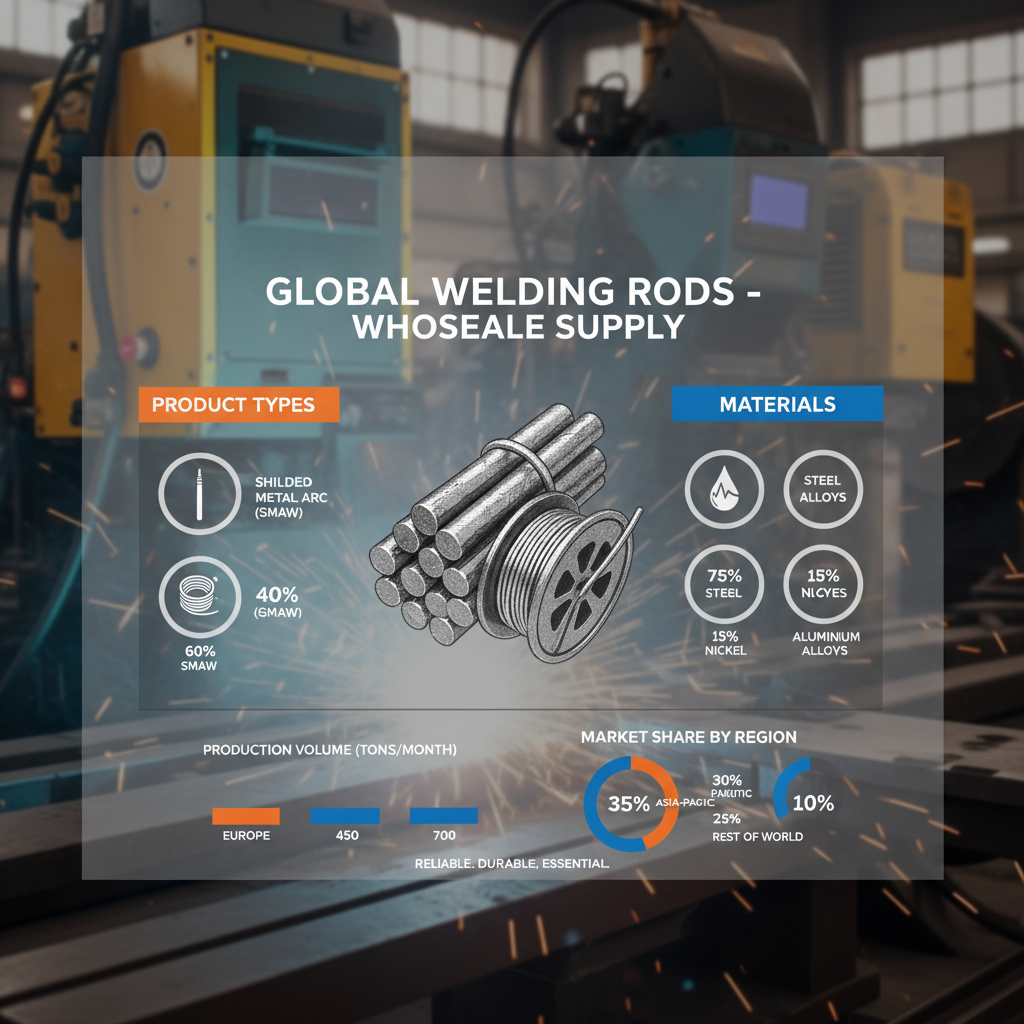
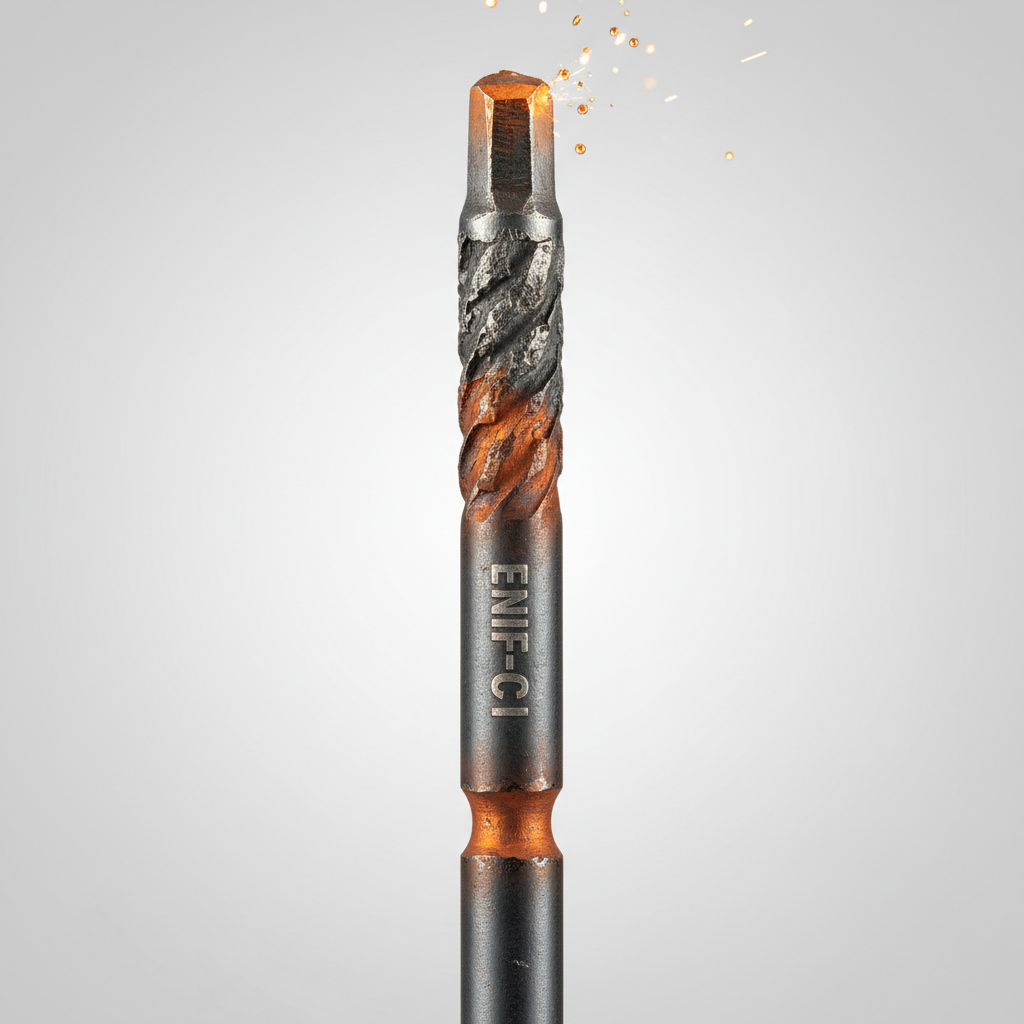
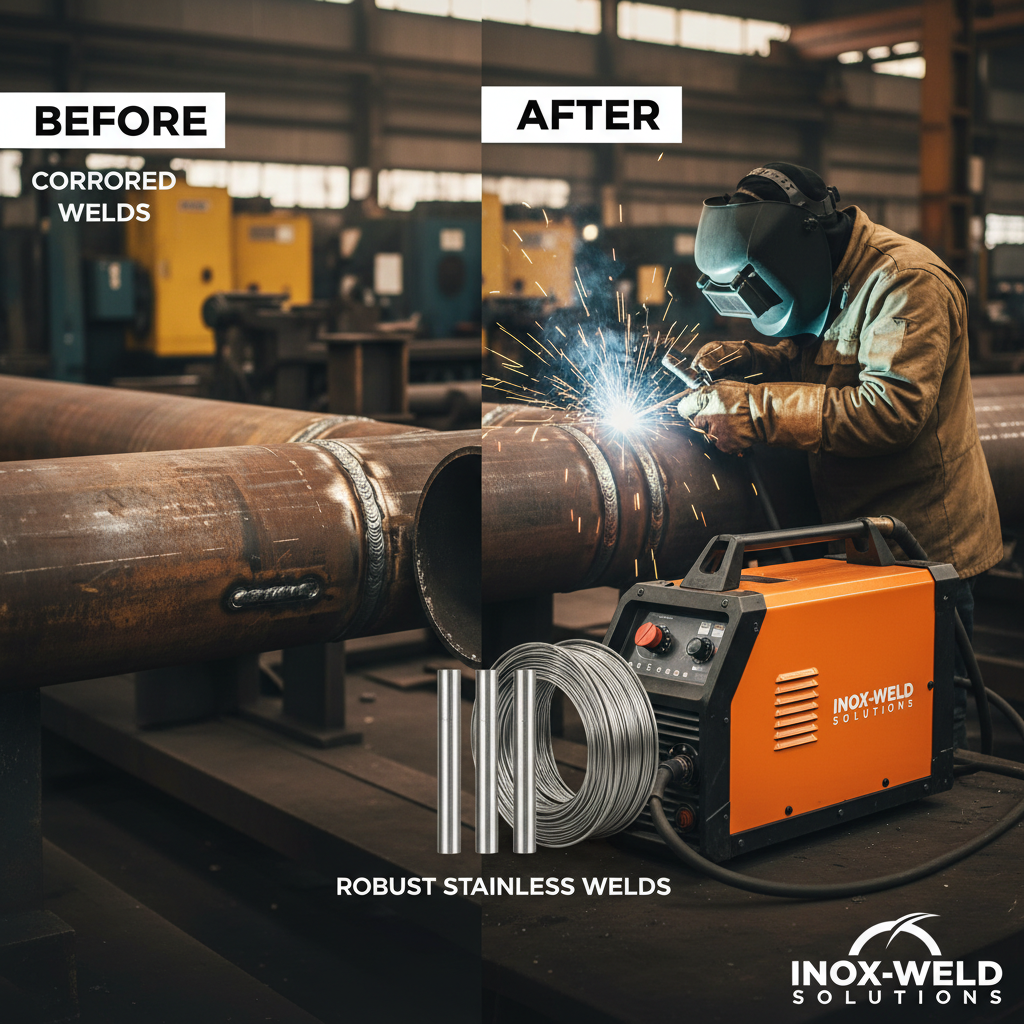
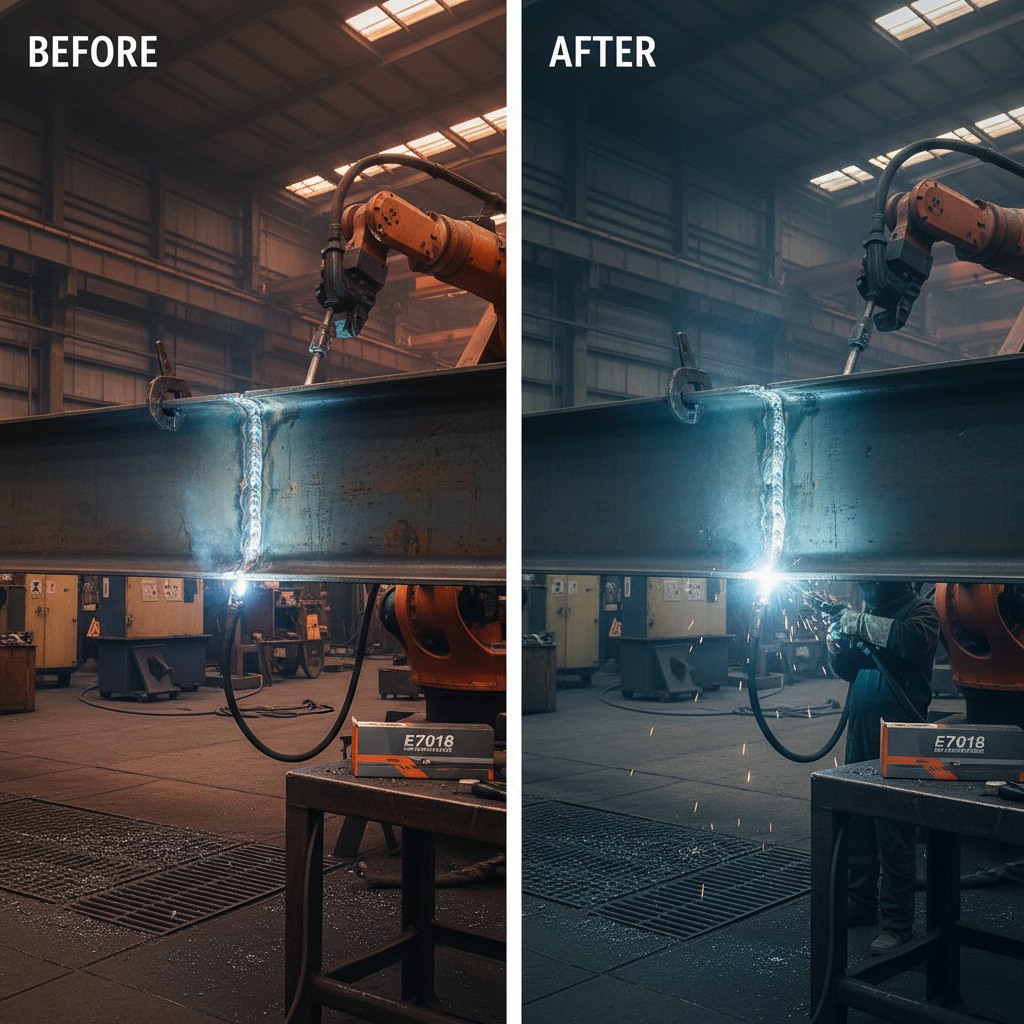
Wholesale welding rods are fundamental components in modern infrastructure, manufacturing, and repair across the globe. Their availability and quality directly impact industries ranging from construction and automotive to energy and aerospace. The global demand for robust and reliable welding solutions continues to rise, driven by increasing infrastructure projects, technological advancements in manufacturing processes, and a growing need for efficient repair and maintenance. Understanding the nuances of wholesale welding rods – their types, applications, and sourcing – is crucial for businesses and organizations seeking to optimize their operations and maintain high standards of quality and safety.
The market for wholesale welding rods is substantial and complex, influenced by factors such as raw material costs, geopolitical events, and evolving industry standards. Efficient sourcing of these rods is paramount, as price fluctuations and supply chain disruptions can significantly affect project timelines and budgets. Consequently, companies are increasingly focused on establishing strong relationships with reliable suppliers and exploring strategies to mitigate risk. The demand for specialized welding rods, tailored to specific alloys and applications, is also growing, highlighting the importance of supplier expertise and customization capabilities.
Ultimately, wholesale welding rods aren’t just about metal; they represent the backbone of countless vital processes. From building bridges and skyscrapers to fabricating automobiles and pipelines, these seemingly simple tools enable progress and innovation. Investing in quality welding rods ensures the longevity and safety of these critical structures, contributing to economic growth and societal well-being. The efficient and reliable supply of wholesale welding rods is thus essential for sustained development worldwide.
The Significance of Wholesale Welding Rods
The increasing demand for high-quality infrastructure projects globally drives the need for dependable wholesale welding rods. These rods are integral to the creation and maintenance of essential structures, impacting industries from construction and shipbuilding to automotive and aerospace. The selection of appropriate wholesale welding rods can substantially influence project durability, cost-effectiveness, and safety standards.
Furthermore, the growth of the manufacturing sector, particularly in emerging economies, has amplified the reliance on a consistent and reliable supply of wholesale welding rods. Efficient welding processes contribute to enhanced production rates, reduced material waste, and improved overall product quality. Sourcing from reputable wholesale welding rods suppliers is thus paramount for maintaining a competitive edge in today's market.
Understanding the Wholesale Welding Rods Landscape
The global wholesale welding rods market is a multifaceted ecosystem comprising manufacturers, distributors, and end-users. Key players include companies specializing in steel production, welding equipment, and specialized rod formulations. Market dynamics are influenced by fluctuating raw material costs (such as iron ore, manganese, and flux), geopolitical factors affecting trade routes, and evolving industry regulations concerning welding standards and environmental compliance.
Distribution channels range from direct sales from manufacturers to wholesale distributors who cater to smaller businesses and independent contractors. The rise of online marketplaces has further streamlined the sourcing process, offering greater transparency and accessibility for buyers. However, verifying the quality and authenticity of wholesale welding rods purchased online remains crucial.
Competition within the industry is intense, with suppliers vying to offer competitive pricing, diverse product ranges, and superior customer service. The ability to provide customized solutions – such as welding rods tailored to specific alloy types or application requirements – is becoming increasingly important in differentiating oneself in the market.
Defining Wholesale Welding Rods and Their Industrial Relevance
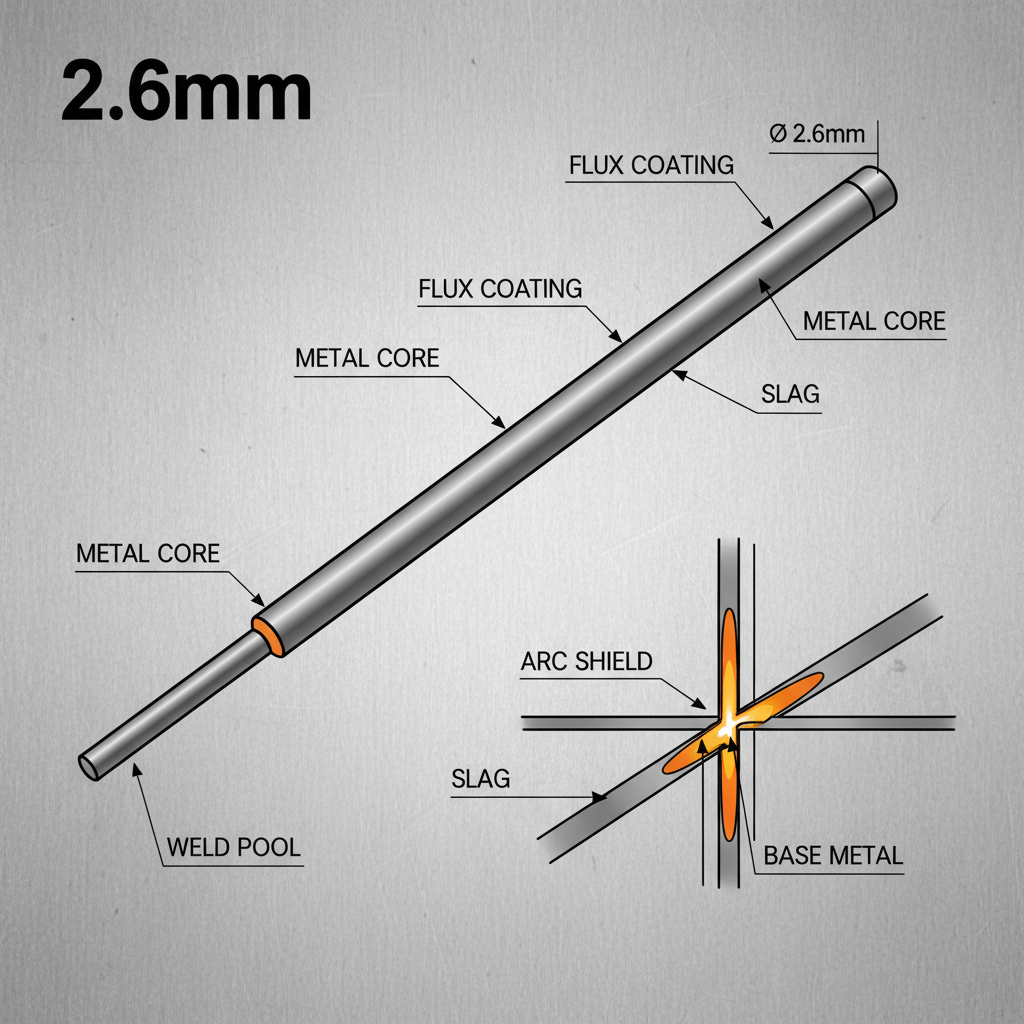
Wholesale welding rods, also known as welding electrodes, are consumable materials used in various welding processes to join metal parts. They are typically long, cylindrical rods composed of a metallic core coated in a flux material. This flux provides shielding gas during welding, prevents oxidation, and contributes to the formation of a strong, durable weld. The specific composition of the rod dictates its properties and suitability for different metals and welding techniques.
Their relevance to modern industry is profound. Welding, facilitated by these rods, is critical in the construction of infrastructure like bridges, buildings, and pipelines. It’s essential in the automotive industry for assembling vehicle frames and body panels. The aerospace industry relies on precision welding for aircraft components, demanding the highest quality wholesale welding rods to ensure safety and reliability.
Beyond these core industries, welding plays a crucial role in manufacturing, repair, and maintenance across a broad spectrum of sectors. From shipbuilding and rail transport to energy production and healthcare equipment, the ability to effectively join metals is fundamental. Wholesale welding rods, therefore, are not merely a commodity but a foundational element of modern economic activity.
Key Characteristics of Wholesale Welding Rods
Several core characteristics define the quality and suitability of wholesale welding rods. These include tensile strength, which determines the weld's resistance to breakage; ductility, indicating its ability to withstand deformation without fracturing; and corrosion resistance, essential for outdoor or harsh environment applications. The type of flux coating also plays a vital role, influencing welding characteristics such as arc stability, slag removal, and weld deposit properties.
Different welding processes – such as shielded metal arc welding (SMAW), gas metal arc welding (GMAW), and flux-cored arc welding (FCAW) – require specific types of welding rods. Understanding these process requirements is crucial for selecting the appropriate rod to achieve optimal weld quality and efficiency.
Wholesale Welding Rods Performance Comparison
Global Applications of Wholesale Welding Rods
Wholesale welding rods find extensive applications across various sectors worldwide. In the construction industry, they are vital for erecting steel-framed buildings, bridges, and other infrastructure projects in regions like North America, Europe, and rapidly developing economies in Asia. The shipbuilding industry, concentrated in countries such as South Korea, China, and Japan, relies heavily on specialized welding rods for assembling large vessel structures.
The automotive sector, with manufacturing hubs in Germany, the United States, and increasingly in countries like Mexico and India, utilizes welding rods for car body construction, chassis assembly, and component fabrication. Moreover, in remote industrial zones like oil and gas facilities in Siberia or mining operations in Australia, the availability of durable and reliable wholesale welding rods is crucial for maintaining equipment and ensuring operational continuity.
The Advantages and Long-Term Value of Quality Wholesale Welding Rods
Investing in high-quality wholesale welding rods yields significant long-term benefits. Cost-efficiency is enhanced through reduced rework, minimized material waste, and extended equipment lifespan. Sustainability is promoted by ensuring durable welds that require less frequent repairs or replacements, lowering the overall environmental impact. The use of certified rods contributes to improved safety standards, reducing the risk of structural failures and accidents.
Furthermore, the reliability of quality welding rods fosters trust and enhances a company’s reputation. Strong, consistent welds contribute to the longevity and integrity of structures, providing peace of mind to stakeholders and ensuring long-term performance. The emotional benefit of safety and the logical benefit of minimized downtime and cost savings create substantial value.
Future Trends and Innovations in Wholesale Welding Rods
The future of wholesale welding rods is marked by innovation and a growing emphasis on sustainability. The development of new alloy compositions with enhanced strength, corrosion resistance, and weldability is ongoing. Automation and robotics are playing an increasingly important role in welding processes, demanding welding rods optimized for automated applications. The rise of digital technologies, such as data analytics and machine learning, is enabling precise control over welding parameters and predictive maintenance.
Green energy initiatives are driving the demand for welding rods suitable for constructing wind turbines, solar panels, and other renewable energy infrastructure. Moreover, research into environmentally friendly flux coatings and manufacturing processes is gaining momentum, aiming to reduce the environmental footprint of welding operations. The incorporation of nanotechnology into welding rod formulations promises to further enhance their properties and performance.
The trend towards lighter, stronger materials will also influence the development of specialized welding rods. As industries move towards utilizing materials like aluminum, titanium, and high-strength steels, the demand for rods designed to effectively join these materials will continue to grow.
FAQS
Different electrodes, such as E6010 and E7018, have varying compositions and characteristics. E6010 offers deep penetration and is ideal for dirty or rusty metal, but produces a rougher weld. E7018 provides a smoother, stronger weld with good ductility and is suitable for a wider range of applications, but requires cleaner surfaces. Selecting the right rod depends on the material being welded, the welding position, and desired weld properties.
Welding rod diameter depends on the material thickness and the welding current being used. Thicker materials require larger diameter rods and higher currents. Consult welding charts and manufacturer recommendations for specific guidelines. Using a rod that is too small can result in insufficient weld penetration, while a rod that is too large can lead to excessive spatter and poor weld quality.
Moisture absorption can significantly degrade the performance of some welding rods (especially those with flux coatings). Store rods in a dry, sealed container or cabinet. If rods have been exposed to humidity, baking them at a specific temperature (refer to the manufacturer's instructions) can restore their usability. Proper storage is crucial for maintaining weld quality and preventing defects.
Look for clear markings and certifications on the rods and packaging. Check for inconsistencies in the coating, diameter, or appearance. Reputable suppliers should provide certificates of analysis and traceability information. If a price seems too good to be true, it likely is. Purchasing from authorized distributors minimizes the risk of receiving counterfeit products.
Always wear appropriate personal protective equipment (PPE), including a welding helmet, gloves, and protective clothing. Ensure adequate ventilation to avoid inhaling fumes. Follow safe welding practices to prevent electrical shock and burns. Properly dispose of used rods and slag materials. Refer to the Material Safety Data Sheet (MSDS) for specific safety information.
Welding dissimilar metals requires careful consideration and the use of specialized welding rods designed for that purpose. Some rods are formulated to create compatible weld deposits between different alloys, but it's not always possible. Factors like melting point differences and potential for galvanic corrosion must be taken into account. Consulting with a welding engineer is recommended for complex applications.
Conclusion
In conclusion, wholesale welding rods are indispensable components in a vast array of industries globally, underpinning critical infrastructure, manufacturing processes, and repair operations. Understanding their properties, applications, and sourcing strategies is vital for businesses seeking to optimize performance, enhance safety, and ensure long-term sustainability. The continued evolution of welding technology and materials will further elevate the importance of selecting the right rods for each specific application.
Looking ahead, embracing innovation in welding rod formulations, automation, and digital control systems will unlock new levels of efficiency and quality. Prioritizing sustainable practices, such as utilizing environmentally friendly materials and reducing waste, will contribute to a more responsible and resilient industry. For reliable and high-quality wholesale welding rods, visit our website: www.steeltoolschina.com.