


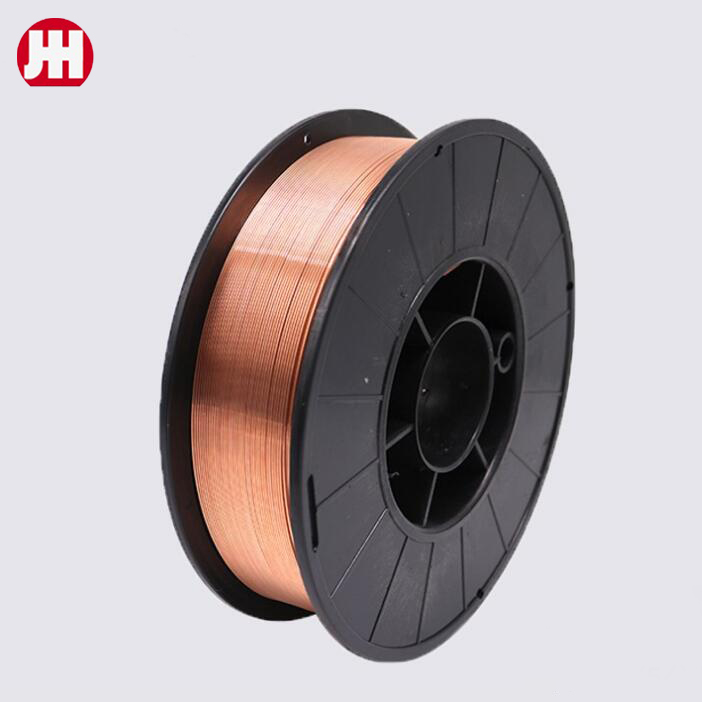

Algeria's industrial landscape is characterized by a strong focus on hydrocarbon infrastructure and a growing commitment to domestic manufacturing. In these environments, the reliability of a welding rod is critical, as extreme temperature fluctuations and coastal humidity in regions like Algiers or Oran can affect the integrity of metal joints. Local fabricators require consumables that offer consistent arc stability and deep penetration to ensure structural safety in high-pressure pipelines and heavy machinery.
The shift toward more efficient production methods has increased the demand for specialized welding wire, particularly for high-volume automotive and structural steel projects. Industry professionals in Algeria are moving away from traditional methods toward MIG and TIG processes to improve throughput. This transition necessitates a steady supply of high-purity materials that reduce spatter and minimize post-weld grinding, directly impacting the operational cost and quality of local metal works.
Furthermore, the rise of aluminum-based construction and marine repairs has highlighted the need for specialized mig aluminum wire. From a technical perspective, the challenge lies in managing the oxide layer of aluminum under local climatic conditions. By integrating advanced metallurgical standards, Algerian enterprises can achieve superior weld strength and corrosion resistance, which is essential for the longevity of assets in the Mediterranean coastal belt.


