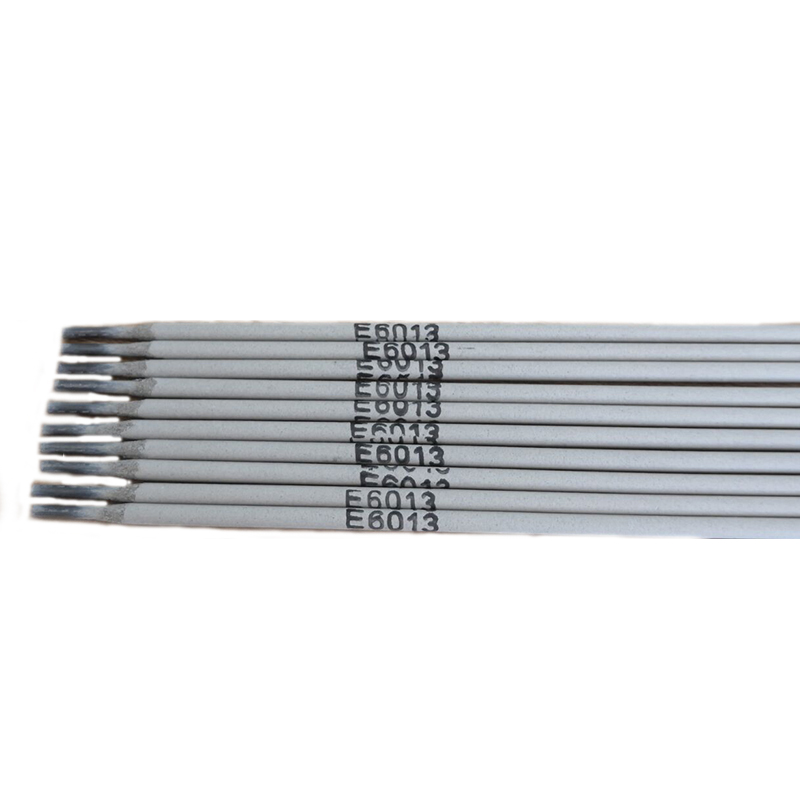


Colombia's manufacturing sector is currently experiencing a transition toward automation, particularly in the Andean region. The high humidity in coastal areas like Cartagena and the altitude variations in Bogota place extreme stress on welding rod storage and application, necessitating consumables with superior moisture resistance and stable arc characteristics.
The heavy industry in Colombia, driven by oil, gas, and mining, relies heavily on the durability of metal welding rod components. There is a growing demand for materials that can handle high-sulfur steels and corrosive environments typical of the region's extractive industries, moving away from generic consumables toward specialized alloys.
Moreover, the growth of the automotive and transport vehicle assembly in the Medellín hub has increased the consumption of high-speed welding wire. This shift emphasizes the need for consistent feedability and low-spatter rates to maintain the lean manufacturing standards required for international export competitiveness.