




The industrial landscape of Equatorial Guinea is heavily influenced by its strategic coastal position and energy sector. This creates a constant demand for high-durability welding rod options that can withstand high humidity and saline environments. From the maintenance of offshore platforms to the expansion of urban port facilities, the ability to create leak-proof and stress-resistant joints is critical for operational safety and longevity.
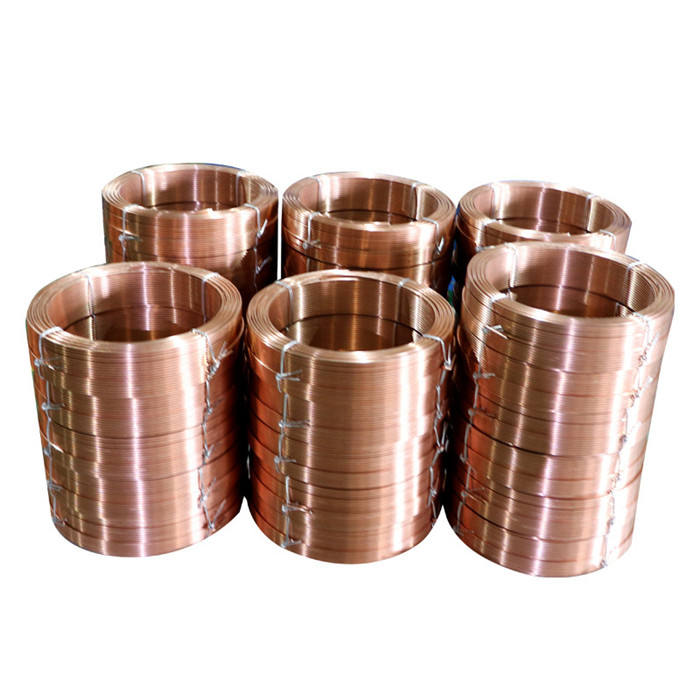
Local procurement often focuses on versatility. Users require a welding electrode that provides stable arc performance across various metal grades, particularly for structural steel repairs. As manufacturing capabilities grow locally, there is an increasing transition toward automated processes, driving the need for high-quality welding wire to improve deposition rates and reduce downtime in fabrication shops.
From an industry perspective, the shift toward specialized materials is evident. For precision work on lightweight structures or marine components, the adoption of mig aluminum wire is becoming more common. This technical evolution allows local enterprises to meet international quality standards while optimizing their cost-to-performance ratio in challenging tropical climates.


