
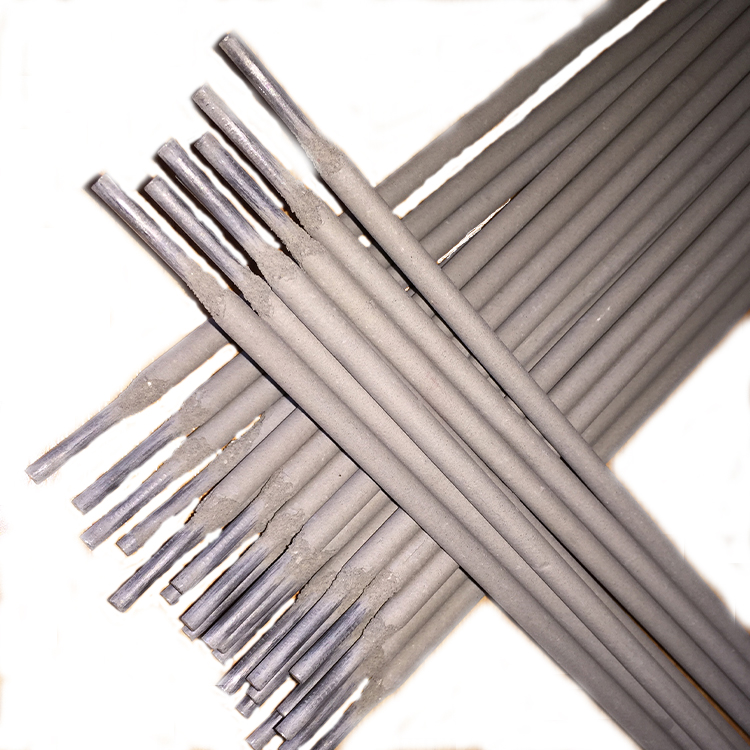
High-Performance Welding Electrode Supplies for Infrastructure Development in South Sudan

Providing industrial-grade welding rod solutions to support the growing metal fabrication and construction needs across South Sudan.

Professional Welding Consumables for Heavy-Duty Fabrication

Addressing the demand for durable metal joining in South Sudan's challenging environments through precision-engineered electrodes and wires designed for structural integrity and operational efficiency.

South Sudan Welding Industry: Market Dynamics and Challenges

Analyzing the intersection of urban reconstruction and industrial growth in the region.

The industrial landscape in South Sudan is currently characterized by a significant push toward infrastructure rehabilitation and the expansion of metal fabrication workshops. There is a growing reliance on high-quality welding consumables to build essential bridges, warehouses, and energy facilities, shifting the market from basic repairs to structured industrial projects.

Logistically, the region faces unique challenges due to its landlocked geography and varying road infrastructure, making the procurement of consistent, internationally certified materials a priority for local contractors. The demand is particularly high for versatile products that can withstand extreme temperature fluctuations and humid conditions typical of the Nile basin.

Local operators often struggle with the inconsistency of consumable quality, which leads to structural vulnerabilities and increased rework. This creates a critical need for welding wire and electrodes that meet global standards like CE and TUV to ensure the safety of public and private infrastructure.

Evolution of Metal Joining Technologies

From traditional manual processes to advanced automated welding standards.

Industrial Progress Phases

Early Market Development
Initial reliance on basic shielded metal arc welding (SMAW) for simple repairs and small-scale metalwork, with limited access to specialized alloys.

Diversification Phase
Introduction of more varied metal welding rod types, including stainless steel and cast iron options, to support diverse industrial applications.

Modern Integration
Adoption of high-efficiency processes such as MIG and Flux Cored welding to increase productivity in large-scale construction and shipbuilding sectors.

Future Strategic Trends

1. Advanced Alloy Adoption

Increased utilization of specialized electrodes to handle corrosive environments and high-stress structural loads in urban development.

2. Shift Toward Semi-Automation

Growing transition from manual rods to continuous feed systems to reduce downtime and improve weld bead consistency.

3. Quality Certification Rigor

A stronger emphasis on procurement from suppliers with ABS, BV, and DNV.GL approvals to meet international safety codes.

How technological shifts are reshaping local fabrication capabilities.

Operational Efficiency
Implementing high-deposition welding electrode systems to accelerate project timelines.
Precision Monitoring
Using digital welding controllers to ensure heat input accuracy and reduce weld defects in critical joints.
Direct Procurement
Moving toward direct factory-to-site supply chains to reduce costs and ensure material authenticity.
Eco-Friendly Flux
Adopting low-fume consumables to improve workshop safety and meet emerging environmental health standards.

Strategic Industry Outlook

Over the next five years, the South Sudanese market will likely see an increased demand for specialized aluminum welding, particularly as transportation and lightweight structural projects expand. This will drive a shift toward mig aluminum wire and more precise gas-shielded processes.

The integration of certified consumables will become a prerequisite for government-funded infrastructure tenders, forcing local workshops to upgrade their supply chains and adhere to strict international quality benchmarks.

Welding Applications in South Sudan

Practical implementations of welding consumables across key local sectors.

Bridge and Highway Infrastructure

Civil engineers using E7018 low-hydrogen electrodes for high-strength structural steel joints, ensuring longevity and safety for heavy transport loads on regional roads.

Agricultural Machinery Repair

Local farm equipment workshops employing E6013 electrodes for general purpose welding and maintenance of tractors and irrigation frames in rural districts.

Oil and Gas Pipeline Maintenance

Specialized technicians utilizing flux cored wires for rapid, high-quality field welds on transmission lines, prioritizing leak-proof seals and high pressure resistance.

Urban Commercial Construction

Steel fabricators in Juba using ER70S-6 welding wire for the rapid assembly of commercial building frames and warehouse structures.

Aluminum Component Fabrication

Custom automotive and light-industry workshops employing mig aluminum wire for corrosion-resistant parts and specialized repairs.

The Journey of Hebei Yujinhong Technology

Building a legacy of precision and reliability in welding consumables since 1996.

1996

Company Foundation

Successfully registered and established in Shijiazhuang City, Hebei Province, with a commitment to welding product excellence.

2000

Infrastructure Expansion

Initiated the construction of a dedicated factory to meet increasing market demand for welding consumables.

2001

Talent Acquisition

Focused on recruiting outstanding professional talents to enhance production and research and development capabilities.

2004

Market Expansion

Rapidly expanded across the national market while strengthening technology R&D and product quality.

2006

Production Refinement

Expanded the production base with advanced lines, achieving an annual productivity of 100,000 tons.

2008

Global Preparation

Made pragmatic preparations to launch and support international business operations.

2009

Overseas Formalization

Formally established the foreign trade company to manage and expand global business activities.

2010

Brand Identity

Registered the "GREAT MASTER" trademark, establishing a recognized private brand in the industry.

2011

Certification Milestone

Passed multiple international certifications including CE, ISO, CCS, and TUV to improve trade systems.

2020

Resilient Growth

Achieved significant growth and completed annual targets despite global epidemic challenges.

2024

Capacity Expansion

Establishing a branch factory to further scale operations and meet the increasing volume of foreign trade orders.

Comprehensive Welding Consumables Portfolio

A full range of certified products designed to meet the specific technical requirements of South Sudanese industrial projects.

Frequently Asked Questions for South Sudan Clients

Technical and procurement guidance for selecting the right welding materials.

Which welding electrode is best for heavy structural steel in South Sudan?

For heavy structural steel, E7018 is highly recommended due to its low-hydrogen properties, which prevent underbead cracking and provide high tensile strength essential for bridges and buildings.

How do I choose between a welding rod and welding wire for my project?

Welding rods (SMAW) are ideal for outdoor, windy conditions and site repairs. Welding wire (MIG/MAG) is preferred for high-volume factory production due to faster travel speeds and less slag cleanup.

Why are international certifications like CE and TUV important for local procurement?

These certifications guarantee that the consumables meet global safety and quality standards, reducing the risk of structural failure and ensuring compliance with international engineering codes.

What are the shipping and procurement options for bulk orders to South Sudan?

We support large-scale exports with professional logistics handling to manage the transit to South Sudan, ensuring that products are securely packed to prevent moisture contamination during shipping.

Can you provide welding consumables for specialized aluminum fabrication?

Yes, we provide high-quality mig aluminum wire specifically designed for precision welding on aluminum alloys, offering excellent fusion and a clean finish for automotive or light-industry use.

How do I ensure the storage of welding electrodes in humid climates?

In humid regions, electrodes—especially low-hydrogen types—should be stored in oven-dried containers or kept in holding ovens to prevent moisture absorption, which can cause porosity in the weld.

Secure Your Industrial Supply Chain

Contact our technical team for certified welding solutions tailored to the specific infrastructure needs of South Sudan.

Request a Quote

If you are interested in our products, you can choose to leave your information here, and we will be in touch with you shortly.