In the specialized world of industrial metallurgy, selecting the right consumables is the difference between a structural failure and a lifelong bond. While many general-purpose projects rely on a standard welding rod e6013, high-precision repairs on cast iron components require a far more sophisticated approach to manage carbon migration and thermal stress. Understanding the nuances of filler materials allows engineers to restore critical machinery without risking the brittle fractures common in suboptimal welding processes.
The global demand for high-performance welding materials has surged as industries strive for longer equipment lifecycles and reduced waste. Whether in automotive engine shell repair or heavy industrial machine base restoration, the ability to weld dissimilar metals or high-carbon alloys is a cornerstone of modern maintenance. While a basic welding rod e6013 is ideal for mild steel, the complexities of cast iron require specialized nickel-core electrodes to ensure durability.
This comprehensive guide explores the technical specifications and application methods for high-end cast iron welding solutions, specifically focusing on the THZ308 pure nickel core electrode. By comparing these professional-grade tools against the general utility of a welding rod e6013, we provide a roadmap for achieving crack-resistant, high-strength welds in the most challenging metallic environments.
Technical Characteristics of Nickel-Core Electrodes
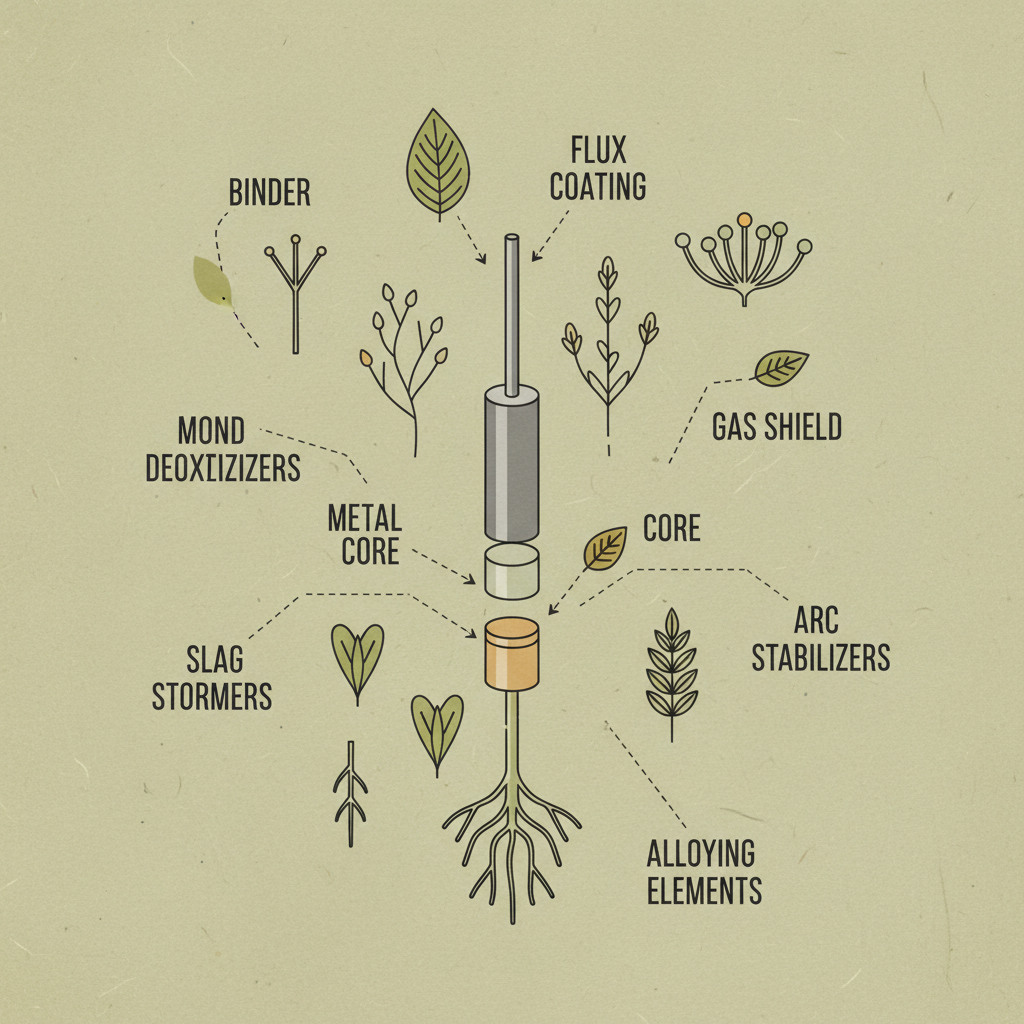
The THZ308 electrode represents a significant leap in metallurgy, utilizing a pure nickel welding core paired with a strong reduction of graphite-type coating. Unlike the mild steel capabilities of a welding rod e6013, the THZ308 is engineered specifically for the volatile nature of cast iron, offering dual-purpose compatibility for both AC and DC power sources.
One of the most critical advantages of this nickel-core technology is the elimination of the need for preheating the weldment. This allows for rapid deployment in field repairs while maintaining exceptional crack resistance and post-weld processability, ensuring that the repaired component retains its structural integrity without becoming overly brittle.
Essential Pre-Welding Preparations
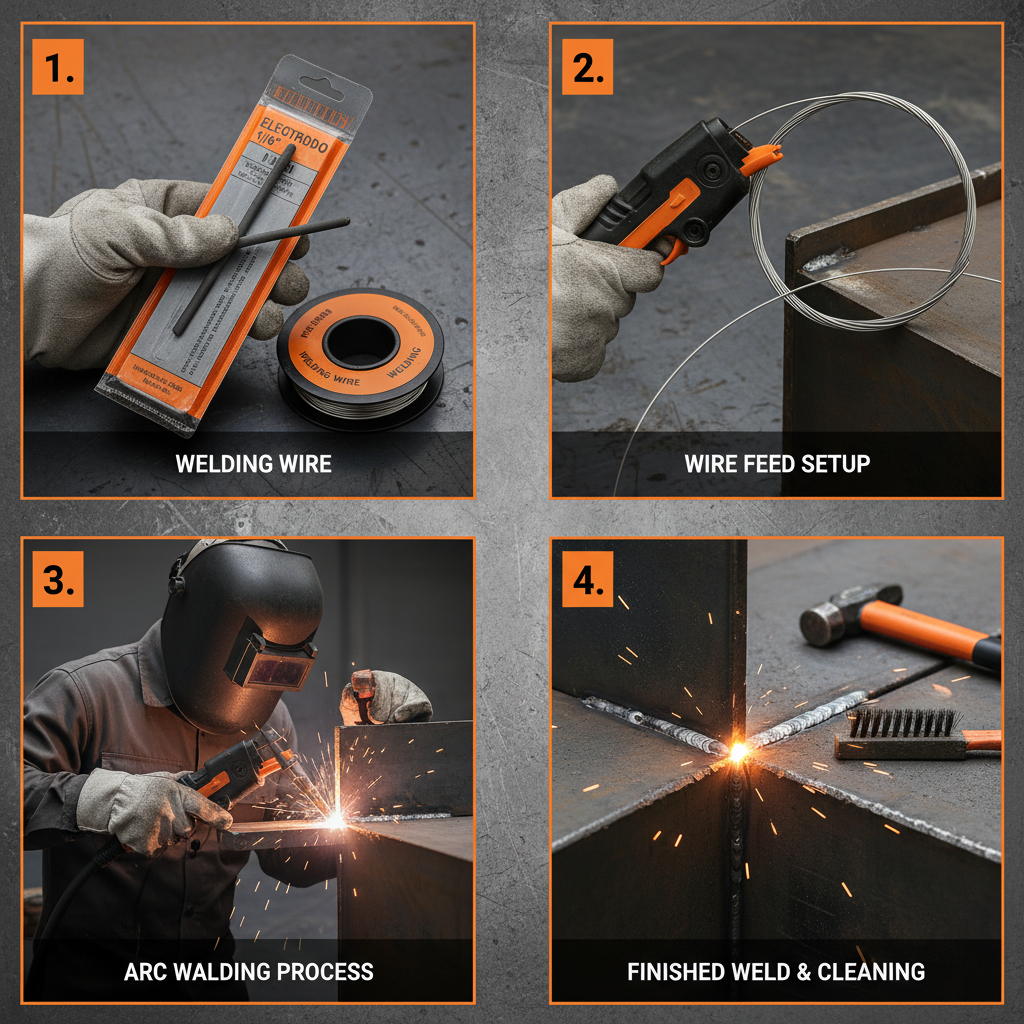
Successful welding of cast iron begins long before the arc is struck. To ensure optimal performance, electrodes must be baked for 1 hour at a temperature of 150±10℃. This critical step removes moisture from the coating, preventing porosity and hydrogen-induced cracking that would otherwise compromise the joint.
Surface preparation is equally vital; the welded joint must be meticulously cleaned and obliquely cut into a U-shaped groove. If the angle of repair is suboptimal, professional welders often utilize a WE100 welding rod to cold-groove the area, creating an effective U or V-shaped channel that allows for deep penetration.
To prevent the propagation of existing fractures, it is imperative to stop crack holes at both ends of the crack. This prevents the thermal expansion during the welding process from extending the crack further into the base metal, a safeguard not typically required when using a general welding rod e6013 on mild steel.
Mastering Cast Iron Welding Positions
For cast iron applications, the PA and PB positions are standard, requiring a steady hand and precise heat control. While a welding rod e6013 is often praised for its ease of use in various positions on thin steel, cast iron demands a more disciplined approach to manage the molten pool.
The operational technique involves using the lowest possible current, maintaining a medium arc length, and tilting the electrode slightly in the direction of the weld. This minimizes the heat-affected zone (HAZ), which is critical for preventing the formation of hard, brittle martensite in the cast iron structure.
It is highly recommended to use short, thin welding beads and a narrow lateral swing with the torch. By filling the weld joint in small increments before stopping the arc, the welder can effectively manage thermal expansion, a stark contrast to the longer, continuous beads typically associated with a welding rod e6013 application.
Performance Comparison of Welding Methods
Cast iron welding is generally categorized into three methodologies: cold welding, semi-hot welding, and hot welding. The choice between these depends on the criticality of the part and the available equipment. Cold welding, often paired with nickel electrodes, is preferred for rapid repairs where preheating is impractical.
When comparing the effectiveness of these methods against standard mild steel procedures, the precision of current control becomes the dominant factor. While the welding rod e6013 focuses on bead appearance and ease of slag removal, cast iron methods prioritize the reduction of the "white band" width to improve machining properties.
Welding Method Efficiency for Cast Iron vs Standard Steel
Global Industrial Applications
The application of high-nickel electrodes is critical in sectors where downtime is prohibitively expensive. In heavy manufacturing, these rods are used to solve chronic issues such as wheel breakage, cracks, and punching holes in engine shells, covers, and machine bases. This is a specialized field where the general utility of a welding rod e6013 is insufficient due to the high carbon content of the base material.
From remote industrial zones in Southeast Asia to precision automotive plants in Germany, the ability to perform "homogeneous" or "heterogeneous" welding on Fe-C-Si alloys is essential. By choosing electrodes based on the specific performance requirements of the repaired part, industries can extend the life of casting teeth and heavy-duty covers without needing to recast the entire component.
Overcoming Welding Stress and Cracks
One of the primary challenges in cast iron repair is the management of internal stress. To eliminate welding stress and avoid post-weld cracking, it is recommended to hammer the welding seam immediately after the arc is extinguished. This mechanical action helps relieve the tension created by the rapid cooling of the weld pool.
Furthermore, the use of small current welding is non-negotiable for cold welding. By limiting the heat input, the welder can keep the "white band" (the brittle chilled zone) as narrow as possible, which significantly improves the crack resistance and subsequent machining properties of the joint.
Unlike mild steel projects where a welding rod e6013 can be used with standard cooling rates, cast iron parts should be allowed to cool slowly and naturally. This slow thermal transition prevents the sudden contraction that often leads to catastrophic failure in high-carbon alloys.
Material Selection Strategy for Cast Iron
Selecting the right filler material requires an analysis of the base metal's composition, which typically consists of Fe-C alloys with carbon fractions exceeding 2.14%. Depending on the importance of the part, a welder may choose between homogeneous welding (matching the base metal) or heterogeneous welding (using a different alloy, like nickel, to provide ductility).
For those transitioning from general steel fabrication—where a welding rod e6013 is the go-to choice—it is important to recognize that cast iron electrodes must be chosen based on the repair's specific mechanical requirements. Pure nickel cores are ideal for parts requiring high processability and machining.
Ultimately, the success of the repair depends on the synergy between the electrode's chemistry and the welder's technique. By integrating proper surface cleaning, U-shaped grooving, and precise thermal management, the integrity of the cast iron component can be fully restored.
Core Selection Dimensions for Cast Iron Welding Electrodes
| Electrode Type |
Base Material |
Key Benefit |
Processing Rating |
| THZ308 (Pure Nickel) |
High Carbon Cast Iron |
No Preheating Needed |
9.5 |
| WE100 (Grooving) |
Hardened Cast Iron |
Effective V-Groove |
8.0 |
| Standard E6013 |
Mild Steel |
Easy Operation |
10.0 (for steel) |
| Fe-C-Si Alloys |
Industrial Castings |
Homogeneous Match |
7.5 |
| Nickel-Iron Mix |
Machine Bases |
Balanced Strength |
8.5 |
| High-Carbon Rods |
Engine Covers |
Hard-facing Ability |
6.0 |
FAQS
No, a welding rod e6013 is designed for mild steel. Using it on cast iron will likely result in a brittle weld that cracks almost immediately due to the high carbon content and lack of nickel in the e6013 filler. For cast iron, use a pure nickel core electrode like THZ308.
Baking at 150±10℃ for one hour removes absorbed moisture from the coating. Moisture introduces hydrogen into the weld pool, which can lead to porosity and hydrogen-induced cracking, especially in sensitive alloys like cast iron.
Hammering the seam while it is still hot helps to mechanically relieve the internal welding stresses caused by thermal contraction. This process is essential for avoiding cracks in the heat-affected zone of the cast iron base metal.
With the THZ308 pure nickel electrode, preheating is not necessary. This is one of its primary advantages, allowing for "cold welding" which reduces the risk of creating a wide, brittle white band in the base metal.
First, drill stop holes at both ends of the crack to prevent further expansion. Then, clean the surface and cut a U-shaped groove. If the angle is awkward, use a WE100 rod to cold-groove the area before filling it with nickel electrodes.
You should use the lowest effective current possible. High heat increases the risk of cracking and increases the width of the brittle white band. Use short beads and a narrow lateral swing to keep the total heat input low.
Conclusion
The transition from general-purpose fabrication with a welding rod e6013 to the specialized repair of cast iron requires a fundamental shift in both material choice and technique. By utilizing pure nickel core electrodes like the THZ308 and adhering to strict protocols—such as electrode baking, U-shaped grooving, and stress-relieving hammering—technicians can restore critical industrial components with confidence. The synergy of low-current application and slow cooling ensures that the structural integrity of the cast iron is maintained, preventing the brittle failures that plague improper welding attempts.
As industrial machinery becomes more complex and the cost of replacement parts rises, the mastery of heterogeneous welding will only grow in importance. We encourage professionals to invest in high-grade nickel consumables and rigorous preparation methods to maximize the lifespan of their equipment. For more information on professional welding consumables and specialized electrodes, visit our website: www.steeltoolschina.com.