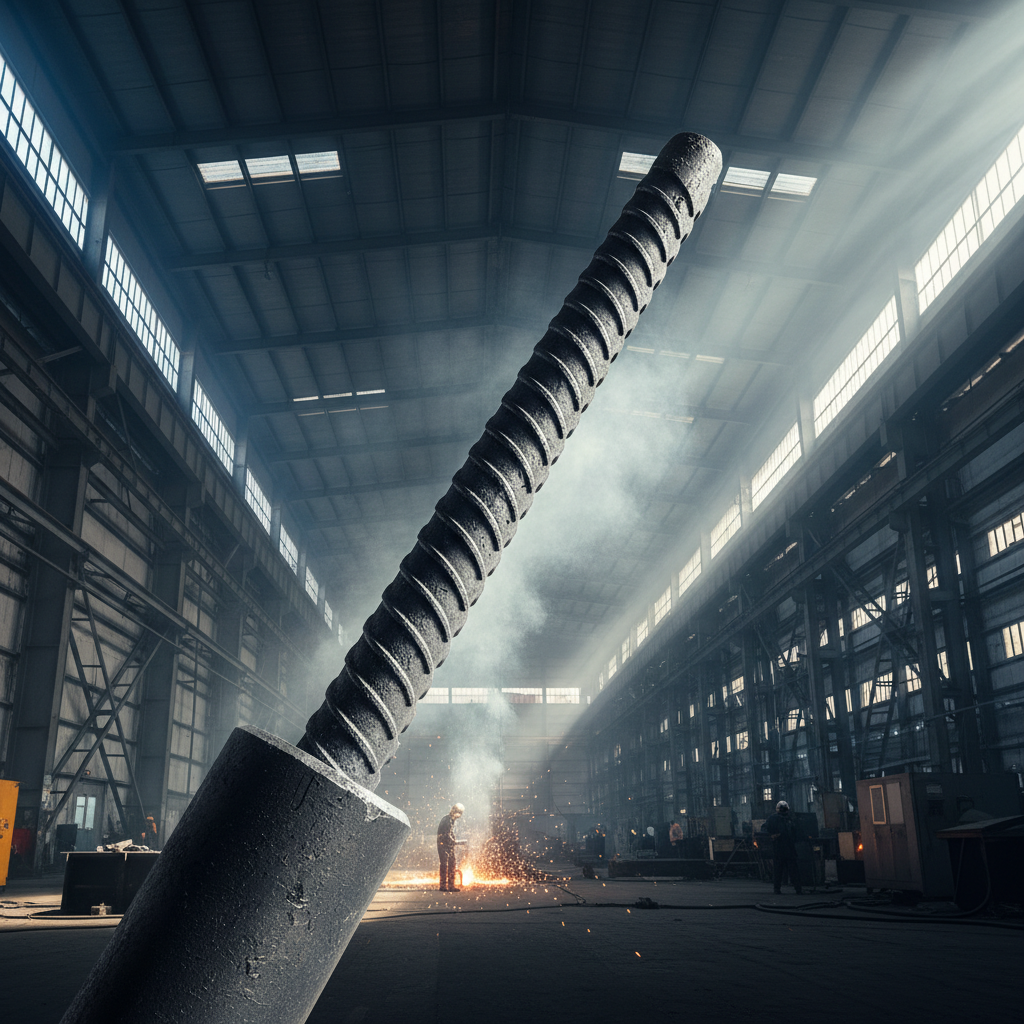
The global infrastructure landscape is currently witnessing a massive shift toward high-efficiency fabrication, where the quality of consumables directly dictates the structural integrity of bridges, skyscrapers, and industrial machinery. In this context, china welding wire has emerged as a pivotal element, offering a sophisticated balance between metallurgy, cost-effectiveness, and industrial scalability. By integrating advanced manufacturing processes, these products ensure that welders can achieve deep penetration and high tensile strength across various metal substrates.
Understanding the nuances of different welding wires—from the versatility of ER70S-6 to the specialized nature of flux-cored options—is essential for any procurement manager or engineer aiming to optimize production cycles. The evolution of china welding wire isn't just about volume; it's about the precision of chemical compositions and the consistency of the copper coating, which reduces spatter and enhances arc stability in high-pressure environments.
Whether you are dealing with the heavy-duty requirements of shipbuilding or the intricate needs of automotive assembly, the choice of wire affects not only the speed of the weld but the long-term fatigue resistance of the joint. This guide explores the comprehensive ecosystem of china welding wire, providing technical insights into how these components drive modern industrialization and what to look for when sourcing high-performance consumables.
The Global Industry Context of China Welding Wire
The global demand for high-quality welding consumables has surged as emerging economies invest heavily in urban transit and energy infrastructure. As a primary hub of metallurgical production, china welding wire now represents a significant portion of the international market, adhering to ISO and AWS standards to ensure interoperability across borders. The ability to mass-produce precision-engineered wires has allowed the industry to lower the barrier for entry in high-tech fabrication.
However, the industry faces a constant struggle between cost-reduction and the stringent safety requirements of critical load-bearing structures. The rise of china welding wire addresses this by utilizing automated drawing processes and vacuum degassing techniques, which eliminate impurities that typically lead to porosity or weld cracking in substandard materials.
Defining the Technical Standards of China Welding Wire
At its most basic level, china welding wire refers to the metallic filler material used in various arc welding processes, such as MIG (GMAW) or Submerged Arc Welding (SAW). These wires are meticulously engineered alloy compositions designed to melt and fuse with the base metal, creating a joint that is often stronger than the original material itself.
From a technical standpoint, the "China" designation in modern contexts signifies a shift toward highly standardized production. Whether it is the ER70S-6 for general mild steel or the EM12K for submerged arc welding, the focus is on chemical consistency. This ensures that the carbon, manganese, and silicon levels remain within a tight tolerance, providing predictable weld beads and mechanical properties.
Connecting this to modern industrial needs, the versatility of these wires allows for rapid deployment in diverse sectors. For instance, in the construction of modular steel frames, the use of a high-deposition china welding wire can reduce labor hours by 20% while maintaining the rigorous safety certificates required by international building codes.
Core Components Driving Performance in Welding Wires
The durability of a weld is primarily determined by the purity of the china welding wire. High-grade wires undergo rigorous refining to remove sulfur and phosphorus, which are known culprits behind "hot cracking." By controlling these trace elements, manufacturers ensure that the joint can withstand extreme temperature fluctuations without losing structural integrity.
Another critical component is the copper coating applied to the surface of the china welding wire. This thin layer of conductive copper improves electrical contact between the contact tip and the wire, reducing heat buildup and preventing "burn-back." This not only extends the life of the welding equipment but also ensures a smoother, more consistent feed rate during high-speed operations.
Scalability and cost-efficiency are achieved through the optimization of the wire drawing process. By using advanced diamond dies and lubricant systems, china welding wire maintains a perfectly circular cross-section. This geometric precision is vital for automated robotic welding arms, where any slight deviation in wire diameter can cause feeding jams or arc instability.
Global Applications and Industrial Use Cases
In real-world applications, china welding wire is the backbone of heavy industrialization. In the shipbuilding yards of Southeast Asia, flux-cored welding wires are utilized for their high deposition rates, allowing massive hull sections to be joined with minimal passes. These materials are specifically chosen for their ability to operate in various positions, including vertical-up welding, which is common in ship construction.
Beyond heavy industry, we see these solutions in remote industrial zones, such as mining operations in Africa or pipeline installations in Central Asia. In these environments, the reliability of the china welding wire is paramount, as the cost of weld failure in a remote location can be catastrophic. The use of E7018-equivalent wires ensures that high-stress joints remain ductile and resistant to hydrogen-induced cracking.
Performance Comparison of China Welding Wire Variants
Tangible Advantages and Long-Term Value
The primary advantage of sourcing china welding wire lies in the marriage of quality and accessibility. By leveraging economies of scale, manufacturers provide industrial-grade consumables that significantly reduce the "cost per weld" without compromising safety. This allows companies to allocate budgets toward higher-end automation and skilled labor rather than overpaying for brand-name consumables with identical chemical properties.
From an emotional and logical standpoint, the reliability of these wires fosters trust in the engineering process. When a welder knows that the china welding wire provides a stable arc and easy slag removal, productivity increases and stress decreases. This psychological comfort leads to higher quality craftsmanship, which ultimately translates into safer structures and a more prestigious reputation for the fabrication firm.
Future Innovations in Welding Metallurgy
The future of china welding wire is being shaped by the global drive toward "Green Manufacturing." We are seeing the development of low-carbon alloys and the reduction of harmful fumes from flux-cored wires. These innovations aim to create a safer work environment for welders while reducing the overall carbon footprint of the smelting process used to create the wire.
Digital transformation is also playing a role, with "smart wires" being conceptualized to work in tandem with AI-driven welding systems. These systems can adjust voltage and wire feed speed in real-time based on the sensory feedback from the china welding wire's behavior in the weld pool, virtually eliminating human error in critical joints.
Furthermore, the shift toward additive manufacturing (3D metal printing) is pushing the boundaries of wire production. china welding wire is being adapted into ultra-fine diameters with hyper-pure compositions to allow for the "printing" of complex industrial components, bridging the gap between traditional welding and advanced fabrication.
Overcoming Challenges in Welding Wire Procurement
One of the most common challenges in procurement is the inconsistency found in low-tier markets. To overcome this, professional buyers should focus on china welding wire suppliers who provide Mill Test Certificates (MTC). These documents verify the chemical composition and mechanical properties of each batch, ensuring that the material arriving at the site matches the engineering specifications.
Another hurdle is the logistical cost and the risk of oxidation during sea transit. Innovative solutions include vacuum-sealed packaging and the use of corrosion-resistant coatings that protect the china welding wire from salt air. By implementing these storage and transport standards, companies can maintain the wire's purity from the factory to the weld torch.
Finally, the gap in technical knowledge can lead to the wrong wire selection. The solution lies in a partnership-based approach where the supplier acts as a technical consultant. By analyzing the base metal and the intended application, experts can recommend the exact china welding wire—whether it's a high-manganese wire for wear resistance or a low-hydrogen wire for heavy plates—to optimize the result.
Comparative Technical Analysis of China Welding Wire Specifications
| Wire Variant |
Primary Application |
Tensile Strength (MPa) |
Arc Stability Score |
| ER70S-6 |
General Fabrication |
480-550 |
9.5 |
| Flux Cored E71T-1 |
Heavy Structural Steel |
500-600 |
8.0 |
| EM12K SAW |
Pressure Vessels |
520-620 |
9.0 |
| Stainless 308L |
Food Processing Equip |
515-600 |
8.5 |
| ER70S-3 |
Automotive Parts |
460-530 |
9.2 |
| Hardfacing Wire |
Mining Equipment |
700-900 |
7.5 |
FAQS
The most reliable way is to request a Mill Test Certificate (MTC) and a sample batch for destructive testing. Ensure the supplier adheres to AWS (American Welding Society) or ISO standards. A reputable provider of china welding wire will transparently provide chemical analysis reports showing the levels of Manganese, Silicon, and Carbon, as well as the results of tensile and bend tests.
Yes, for most arc welding applications. The copper coating on china welding wire improves electrical conductivity and protects the steel core from atmospheric corrosion. This results in a more stable arc, less spatter, and a significant reduction in the wear and tear of the contact tips in MIG welding systems.
While ER70S-6 is one of the most versatile china welding wire options due to its higher levels of deoxidizers, it may not be suitable for very thin sheets where a different alloy might be needed to prevent burn-through. However, for the majority of structural and general fabrication projects, it is the industry standard for reliability and strength.
Welding wire should be stored in a cool, dry environment, ideally in a climate-controlled room. Avoid placing the spools directly on concrete floors. For high-performance china welding wire, using a wire oven or keeping the original vacuum packaging until use prevents moisture absorption, which is critical for avoiding porosity in the final weld.
Solid wire, like many standard china welding wire types, requires an external shielding gas. Flux-cored wire contains a core of flux that creates its own shielding gas and adds alloying elements to the weld. Flux-cored is generally faster and better for outdoor/windy conditions, while solid wire produces a cleaner weld with less slag.
Spatter is usually a result of incorrect voltage/wire-feed speed settings or contaminated base metal. Ensure you are using a high-quality china welding wire with a consistent copper coating and clean your base metal of all oil and rust. Adjusting your gas flow rate and ensuring the contact-to-work distance is correct will also significantly reduce spatter.
Conclusion
In summary, the strategic integration of high-quality china welding wire into industrial workflows offers a decisive advantage in terms of both efficiency and structural reliability. By focusing on the critical metallurgical properties—such as low impurity levels, precise diameter control, and superior copper conductivity—fabricators can ensure that their projects meet the highest global standards while maintaining a competitive cost structure.
Looking forward, the evolution toward sustainable metallurgy and AI-integrated welding will continue to refine the role of consumables in the manufacturing sector. We recommend that procurement officers prioritize suppliers who offer full traceability and technical support to maximize the long-term value of their investment. To explore our full range of professional welding solutions, visit our website: www.steeltoolschina.com