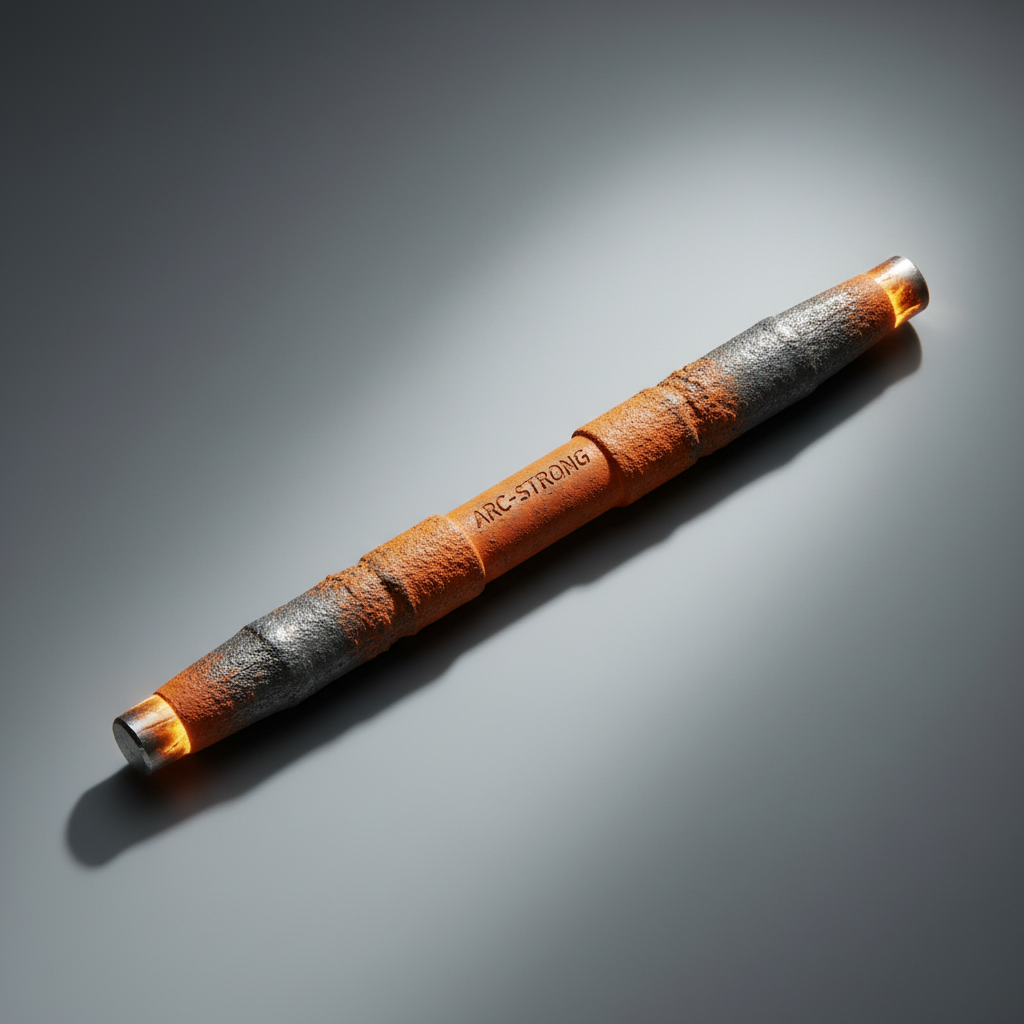
Selecting the right consumables is critical for structural integrity in metal fabrication, and welding wire 1.2 stands as one of the most versatile standards in the industry. Whether it is used in heavy-duty automotive frames or complex industrial piping, the 1.2mm diameter provides an ideal balance between deposition rate and control, ensuring that weld beads are consistent and penetrates are deep.
In a global market increasingly driven by automation and high-throughput manufacturing, the efficiency of welding wire 1.2 allows operators to reduce downtime and minimize waste. By optimizing the wire feed speed and current settings, shops can achieve a seamless fusion that meets rigorous ISO and AWS standards, which is essential for safety-critical components.
Understanding the nuances of this specific gauge is not just about technical parameters; it is about maximizing the ROI of your welding equipment. From ER70S-6 carbon steel variants to specialized stainless options, the 1.2mm specification remains a cornerstone for professionals seeking a reliable, high-performance solution for medium-to-heavy thickness materials.
Global Industry Relevance of Welding Wire 1.2
Across the global manufacturing landscape, the adoption of welding wire 1.2 has mirrored the growth of infrastructure projects in emerging economies. According to industry benchmarks and ISO manufacturing guidelines, the 1.2mm diameter is the "golden mean" for MIG/MAG welding, providing enough filler metal for structural strength while remaining manageable for a wide variety of power sources.
The primary challenge addressed by this specific gauge is the trade-off between speed and precision. In large-scale shipyards or bridge construction, using thinner wires increases the number of passes required, while thicker wires may cause excessive heat input and distortion. welding wire 1.2 solves this by allowing high deposition rates without compromising the heat-affected zone (HAZ).
Technical Definition and Core Meaning
At its most basic level, welding wire 1.2 refers to a continuous filler electrode with a cross-sectional diameter of 1.2 millimeters. This precision-engineered wire is typically used in Gas Metal Arc Welding (GMAW), where it is fed automatically from a spool into the weld pool, creating a continuous and strong bond between two metal components.
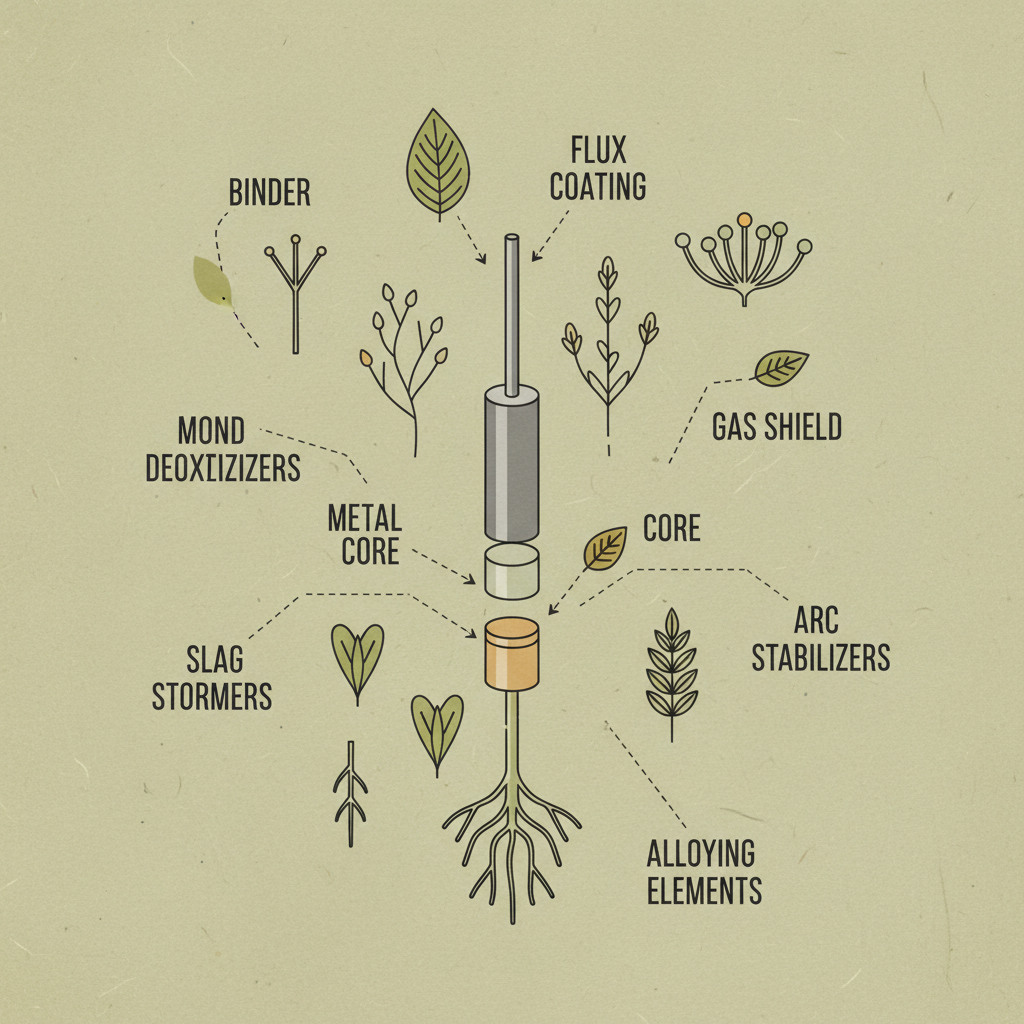
In the context of modern industry, this specification represents a standardized approach to reliability. Whether it is a copper-coated carbon steel wire or a flux-cored variant, the 1.2mm diameter is designed to interface perfectly with standard contact tips and liners, reducing friction and preventing "bird-nesting" in the wire feeder.
Beyond the numbers, this wire is an essential tool for humanitarian and industrial needs, such as the rapid assembly of modular housing or the repair of critical energy infrastructure. Its ability to provide consistent beads makes it the preferred choice for engineers who need to guarantee the structural integrity of welds under varying environmental conditions.
Key Factors for Performance Efficiency
Durability and chemical composition are the primary drivers of success when utilizing welding wire 1.2. The inclusion of elements like manganese and silicon in ER70S-6 variants ensures that the weld pool remains fluid and free of porosity, which is crucial for airtight and watertight seals.
Scalability in production is another core component. Because welding wire 1.2 is compatible with both manual torches and robotic arms, manufacturers can easily scale their operations from boutique custom fabrication to mass-market industrial production without changing their consumable specifications.
Cost efficiency is realized through the reduction of waste and the optimization of gas consumption. By using welding wire 1.2, technicians can achieve a more stable arc, which reduces spatter and the subsequent need for time-consuming post-weld grinding and cleaning.
Global Applications and Use Cases
In real-world industrial zones, welding wire 1.2 is the workhorse of the automotive and heavy machinery sectors. From the chassis of commercial trucks in Germany to the construction of agricultural equipment in Brazil, this wire provides the necessary tensile strength to withstand extreme vibrations and load-bearing stress.
Moreover, in specialized environments like offshore oil rigs or remote mining operations, the reliability of welding wire 1.2 is indispensable. Its ability to be used with a variety of shielding gases allows it to be adapted for the humid or windy conditions often found in field repairs, where a failure in the weld could lead to catastrophic environmental or safety risks.
Performance Comparison of Welding Wire 1.2 Variants
Tangible Advantages and Long-Term Value
The long-term value of investing in high-quality welding wire 1.2 manifests in the longevity of the finished product. By ensuring a low-hydrogen content and high purity in the wire, manufacturers can virtually eliminate the risk of cold cracking, which provides peace of mind to engineers and end-users alike.
From an emotional and logical perspective, the use of consistent 1.2mm wire fosters trust between the fabricator and the client. When a weld is visually smooth and structurally sound, it reflects a commitment to quality and safety. This reliability not only reduces insurance liabilities but also enhances the brand's reputation for innovation and excellence in the metalworking field.
Future Trends and Digital Innovations
The future of welding wire 1.2 is being reshaped by the integration of Industry 4.0. We are seeing the rise of "smart" welding systems where sensors monitor the feed rate of the 1.2mm wire in real-time, automatically adjusting voltage and current to maintain the perfect bead profile, regardless of the operator's skill level.
Sustainability is also playing a major role. New alloys are being developed for welding wire 1.2 that require lower heat input for the same strength, significantly reducing the energy consumption of the welding power source. This shift toward "green welding" is critical for companies aiming to meet net-zero carbon emission targets.
Furthermore, the push toward full automation means that welding wire 1.2 is being optimized for high-speed cobots (collaborative robots). These advancements ensure that the precision of the 1.2mm gauge is utilized to its fullest potential, allowing for complex geometries that were previously impossible to weld efficiently.
Challenges and Expert Solutions
Despite its versatility, users of welding wire 1.2 often face challenges such as wire slipping or erratic feeding. This is usually caused by poor spool tension or contaminated liners. Expert insight suggests implementing a strict preventative maintenance schedule for the wire feeder and ensuring the use of high-quality, low-friction liners.
Another common issue is "burn-back," where the wire fuses to the contact tip. To overcome this, operators should optimize their "burn-back" timer settings and ensure that the welding wire 1.2 is stored in a climate-controlled environment to prevent moisture buildup on the surface, which can destabilize the arc.
Finally, achieving the perfect penetration on very thick plates can be a struggle. The solution lies in the adoption of pulsed-MIG techniques. By pulsing the current, the 1.2mm wire can achieve deeper penetration with less overall heat, preventing the warping of the workpiece while maintaining the structural integrity of the joint.
Comparative Analysis of Welding Wire 1.2 Implementation
|
Application Sector
|
Efficiency Score (1-10)
|
Common Material
|
Primary Benefit
|
| Automotive Chassis |
9 |
High-Strength Steel |
Rapid Cycle Time |
| Shipbuilding |
8 |
Marine Grade Steel |
Deep Penetration |
| Oil & Gas Piping |
7 |
Alloy Steel |
Corrosion Resistance |
| Heavy Equipment |
10 |
Carbon Steel |
Structural Strength |
| Modular Housing |
9 |
Galvanized Steel |
Ease of Automation |
| General Fabrication |
8 |
Mild Steel |
Versatility |
FAQS
For carbon steel welding wire 1.2, a mixture of 80% Argon and 20% CO2 is generally recommended. This blend provides a stable arc, reduces spatter, and ensures good penetration. For stainless steel, 100% Argon or Argon/O2 mixes are preferred to prevent oxidation and maintain the corrosion-resistant properties of the weld.
While possible, welding wire 1.2 is generally too thick for very thin sheet metal (under 2mm), as it may cause burn-through. For thin materials, a 0.8mm or 0.9mm wire is more appropriate. However, if you have a high-end inverter welder with precise pulse control, you can manage 1.2mm on medium-gauge sheets.
The copper coating on welding wire 1.2 does not significantly change the mechanical properties of the weld. Its primary purpose is to prevent rust/corrosion on the wire spool and to improve electrical conductivity between the contact tip and the wire, ensuring a smoother arc start.
First, check your drive roll tension; it should be firm but not crushing the wire. Second, inspect the liner for debris or wear. Third, ensure the spool is unwinding freely. Using high-quality welding wire 1.2 with consistent diameter tolerances significantly reduces these feeding issues.
Yes, it is highly suitable. Most industrial robots are optimized for welding wire 1.2 because it offers a high deposition rate, which reduces the time the robot spends on each joint, thereby increasing the overall parts-per-hour throughput in automotive and aerospace lines.
Store your welding wire 1.2 in a cool, dry place. Avoid direct contact with concrete floors (use pallets) and keep the spools away from areas with high humidity or chemical fumes. For flux-cored variants, ensure they are kept in sealed packaging until use to prevent moisture absorption.
Conclusion
In summary, welding wire 1.2 is an indispensable asset in the modern metal fabrication toolkit, offering a perfect synergy of deposition speed, structural strength, and operational versatility. By understanding the critical factors of chemical composition, gas pairing, and equipment maintenance, manufacturers can significantly enhance their production efficiency while ensuring the highest standards of safety and durability in their welded joints.
Looking forward, the integration of smarter automation and sustainable alloy development will only further cement the role of the 1.2mm gauge in the industry. We encourage fabrication professionals to prioritize quality consumables to future-proof their operations and reduce long-term costs. For high-performance welding solutions tailored to your specific industrial needs, visit our website: www.steeltoolschina.com.