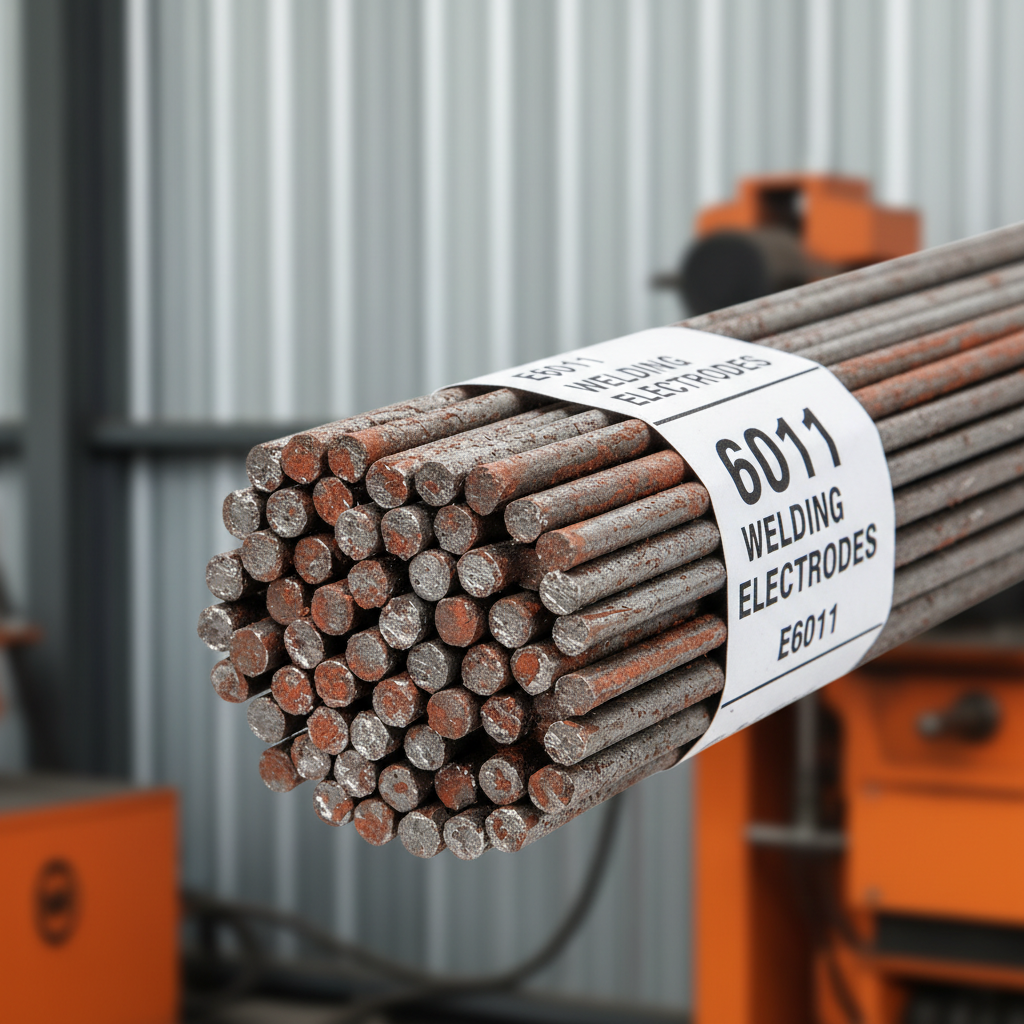
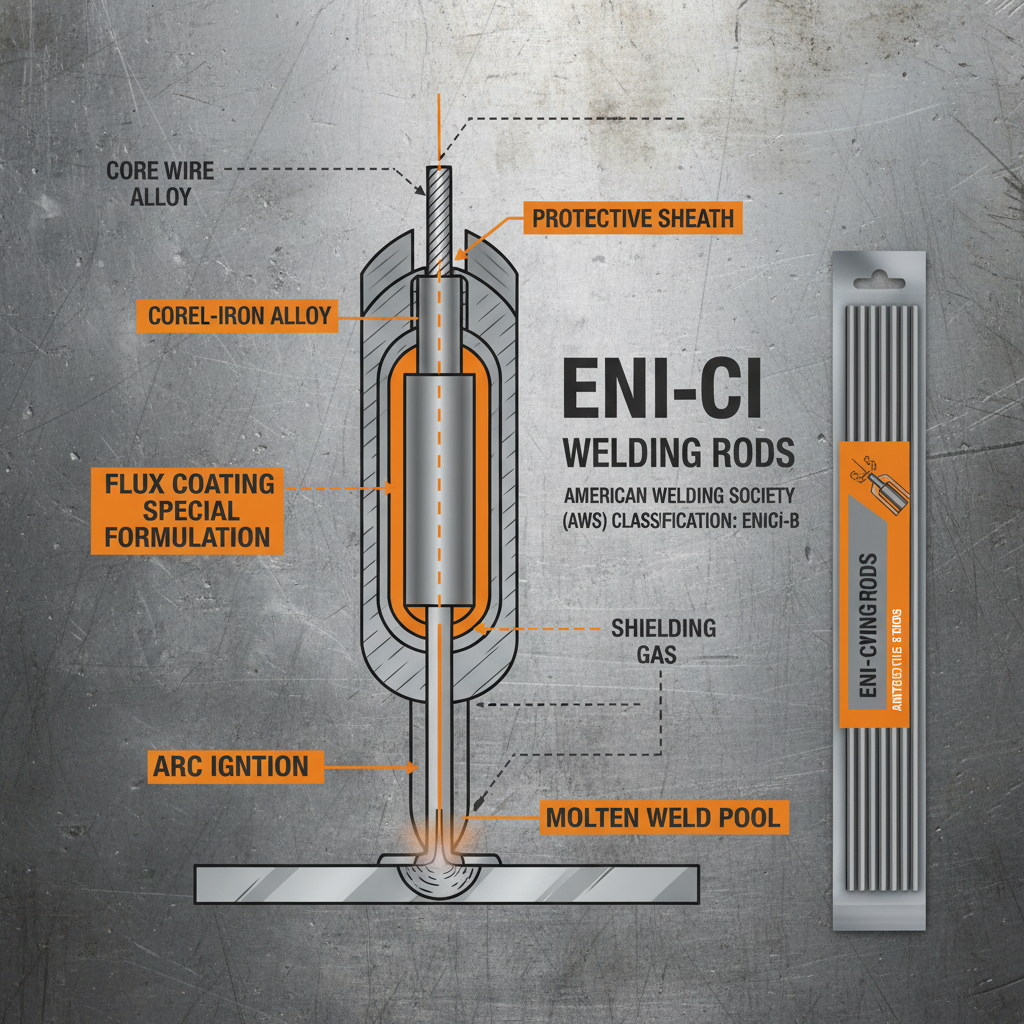
The selection of high-performance welding consumables is critical for ensuring the structural integrity of modern infrastructure. In the realm of heavy-duty fabrication, the welding electrode e7018 stands as a cornerstone for professionals requiring low-hydrogen deposits to prevent cold cracking in high-tensile steels.
Global industrial standards, including AWS and ISO, emphasize the necessity of precise mechanical properties in critical joints. The demand for electrodes that can handle 490N/mm² grade high tensile steel has grown significantly as urban centers expand and the energy sector evolves toward more robust installations.
Understanding the nuances of the welding electrode e7018—and its closely related counterparts like the E7016—allows engineers to optimize deposition rates while maintaining X-ray soundness. This guide explores the technical specifications, global applications, and best practices for utilizing these essential tools.
Technical Specifications of Welding Electrode E7018
The welding electrode e7018 is engineered as a low-hydrogen type electrode specifically for welding 490N/mm² grade high tensile steel. It meets rigorous international standards, including GB/T 5117 E5016, AWS A5.1 E7016, and ISO 2560-B-E 49 16 A, ensuring that it provides consistent mechanical properties across diverse global projects.
Key technical advantages include a high deposition rate and exceptional X-ray soundness, which are vital for welds that must undergo non-destructive testing (NDT). This makes the electrode an ideal choice for heavy steel plates, structural steel, and carbon steel tubes where failure is not an option.
Core Components and Hydrogen Control
At the heart of the welding electrode e7018 is its low-hydrogen potassium carbon steel composition. Hydrogen embrittlement is a primary cause of weld failure in high-strength steels; by limiting the hydrogen content in the weld pool, this electrode significantly reduces the risk of delayed cracking.
To maintain these low-hydrogen properties, strict handling protocols are required. These electrodes must be properly dried before use in specialized ovens to remove any moisture absorbed from the atmosphere, ensuring that the purity of the weld metal remains uncompromised.
Furthermore, the surface of the base metal must be meticulously processed. Cleaning oil stains, rust, and moisture from the weldment area is essential to prevent contamination, allowing the low-hydrogen coating to perform its protective function effectively.
Performance Factors in High Tensile Steel
Achieving the best results with a welding electrode e7018 requires a combination of the right technique and equipment. Professionals typically recommend short arc welding and narrow pass welding to maximize the mechanical properties of the joint and minimize heat-affected zone (HAZ) distortions.
One of the standout features of the welding electrode e7018 is its versatility in current and positioning. It is compatible with both AC and DC power sources and supports all-position welding (PA, PB, PC, PD, PE, PF), providing immense flexibility for complex structural assemblies.
The outcome of using a high-quality welding electrode e7018 is a stable arc with very little spatter. This not only improves the aesthetic appearance of the weld but also makes slag removal significantly easier, reducing post-weld cleaning time and labor costs.
Comparative Efficiency in Industrial Use
When evaluating the efficiency of different welding methods, the deposition rate and weld soundness are the primary metrics. The low-hydrogen characteristics of the welding electrode e7018 allow for faster progression in heavy-plate welding compared to standard cellulosic electrodes, while maintaining superior crack resistance.
In high-pressure environments, the stability of the arc directly correlates to the reduction of defects. The consistent performance of these electrodes ensures that fewer repairs are needed after X-ray inspection, which is a critical factor in maintaining project timelines for large-scale industrial plants.
Industrial Performance Comparison of Welding Electrodes
Global Applications and Sector Use Cases
The application of the welding electrode e7018 is most prominent in sectors where safety and structural durability are non-negotiable. Nuclear power stations utilize these electrodes for primary containment and structural supports due to the exceptional mechanical properties and crack resistance they provide.
Similarly, in petroleum chemical plants, where pipes and vessels must withstand high pressures and corrosive environments, the X-ray soundness of the welding electrode e7018 ensures leak-proof joints. It is also the preferred choice for welding thin plates and steel strips in high-tensile automotive and aerospace frames.
Long-Term Value and Structural Reliability
Investing in a premium welding electrode e7018 translates to significant long-term savings in maintenance and risk mitigation. By ensuring the weld metal has excellent mechanical properties from the outset, operators avoid the catastrophic costs associated with structural failures in heavy steel plates.
Beyond the physical weld, the reliability provided by a professional manufacturer—offering OEM/ODM support and consistent quality testing—builds trust between the supplier and the contractor. When a project is backed by 20 years of production experience, the consistency of the electrode ensures predictable project timelines.
Ultimately, the value lies in the safety and dignity of the engineers and workers who rely on these joints. A weld that passes every inspection without hesitation provides peace of mind in the most challenging industrial zones across the globe.
Future Trends in Electrode Technology
As the industry moves toward "Industry 4.0," the welding electrode e7018 is evolving to integrate better with automated welding systems. Digital transformation in manufacturing is allowing for more precise control over the drying and heating processes, ensuring that low-hydrogen properties are maintained with surgical precision.
Sustainability is also playing a role, with manufacturers seeking ways to reduce spatter and fumes without sacrificing the mechanical integrity of the weld metal. The push for "green energy" infrastructure, such as wind turbine towers, continues to drive the demand for high-tensile, crack-resistant electrodes.
The integration of more advanced alloys into the coating of the welding electrode e7018 will likely lead to even higher deposition rates and further improved ease of slag removal, streamlining the fabrication of heavy industrial equipment.
Technical Analysis of Welding Electrode E7018 Performance Parameters
| Parameter Dimension |
E7018 Performance |
Industry Standard |
Reliability Score |
| Hydrogen Content |
Ultra-Low |
Low-H Requirement |
10/10 |
| X-Ray Soundness |
Excellent |
ISO 2560-B |
9/10 |
| Deposition Rate |
High |
Heavy Plate Std |
8/10 |
| Arc Stability |
Stable |
Smooth Arc Req |
9/10 |
| Slag Removal |
Easy |
Manual Cleaning |
8/10 |
| Position Versatility |
All-Position |
PA to PF |
10/10 |
FAQS
The E7018 is a low-hydrogen electrode. If it absorbs moisture from the air, that moisture breaks down into hydrogen during the welding process, which can lead to hydrogen-induced cracking (cold cracking) in the weld metal, especially in high-tensile steels. Proper oven drying ensures the hydrogen levels remain low enough to guarantee structural integrity.
Yes, it is designed to be versatile. It can be used with both Alternating Current (AC) and Direct Current (DC), allowing it to be compatible with a wide variety of welding machines used in the field, from portable inverters to heavy industrial power sources.
The E7018 is an all-position electrode. It is fully rated for positions PA (flat), PB (horizontal-vertical), PC (horizontal), PD (overhead), PE (vertical up), and PF (vertical down), making it suitable for everything from floor plates to vertical column supports.
It is primarily intended for 490N/mm² grade high tensile steel. Common suitable base metals include structural steel, steel castings, thin plates, steel strips, and carbon steel tubes. It is especially valued in nuclear and petrochemical constructions.
Unlike E6013 (general purpose) or E6010 (deep penetration/cellulosic), the E7018 focuses on low hydrogen and higher tensile strength. While E6010 is great for root passes, E7018 provides superior mechanical properties and X-ray soundness for the fill and cap passes in critical structural welds.
No, when used with the correct current and short-arc technique, the welding electrode e7018 is known for having a stable arc and producing very little spatter, which results in a cleaner weld appearance and easier slag removal.
Conclusion
The welding electrode e7018 is more than just a consumable; it is a critical safety component for high-tensile steel fabrication. From its low-hydrogen composition that prevents cracking to its all-position versatility and X-ray soundness, it provides the reliability required for nuclear plants, petrochemical facilities, and heavy industrial infrastructure.
As industrial demands evolve toward higher strength and stricter safety standards, the importance of using professional-grade electrodes with stable quality cannot be overstated. We recommend adhering to strict drying protocols and surface preparation to unlock the full potential of these electrodes. For high-quality welding solutions and customized OEM/ODM services, visit our website: www.steeltoolschina.com.