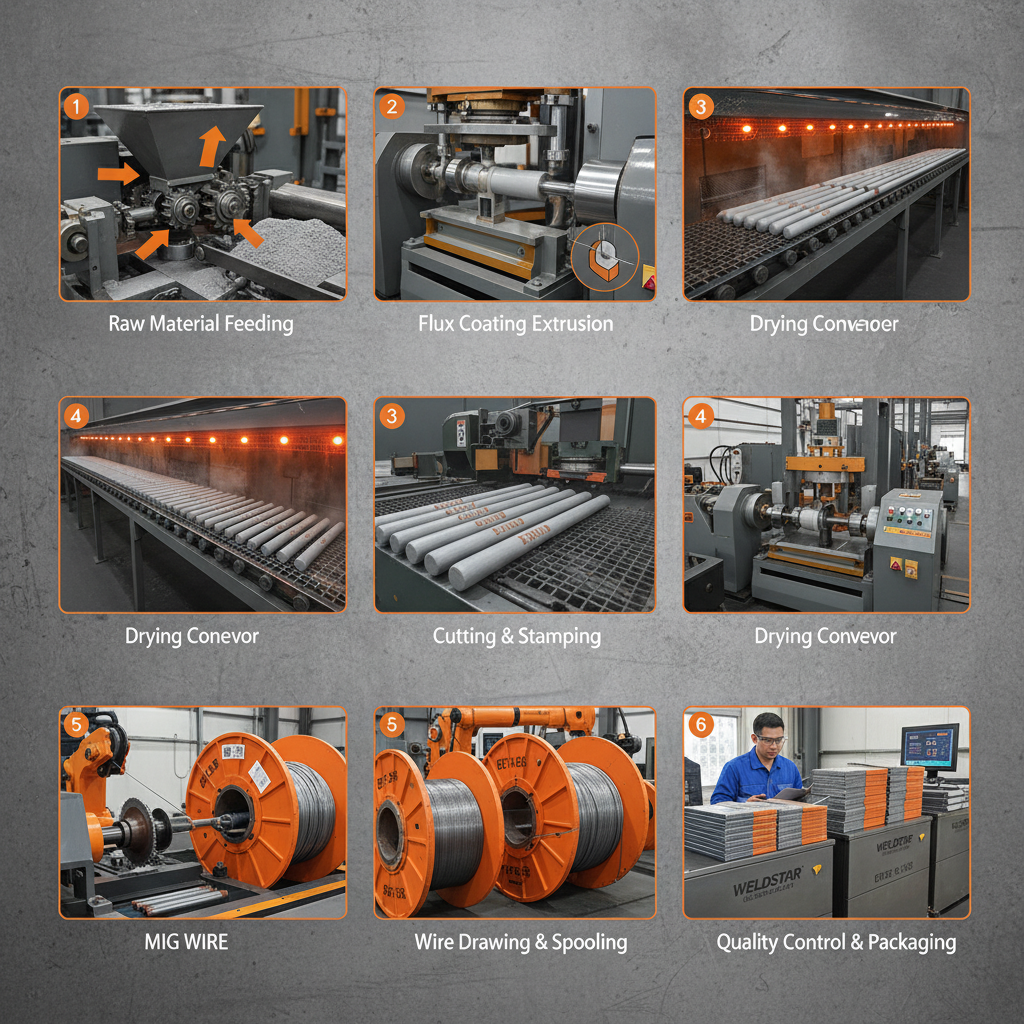
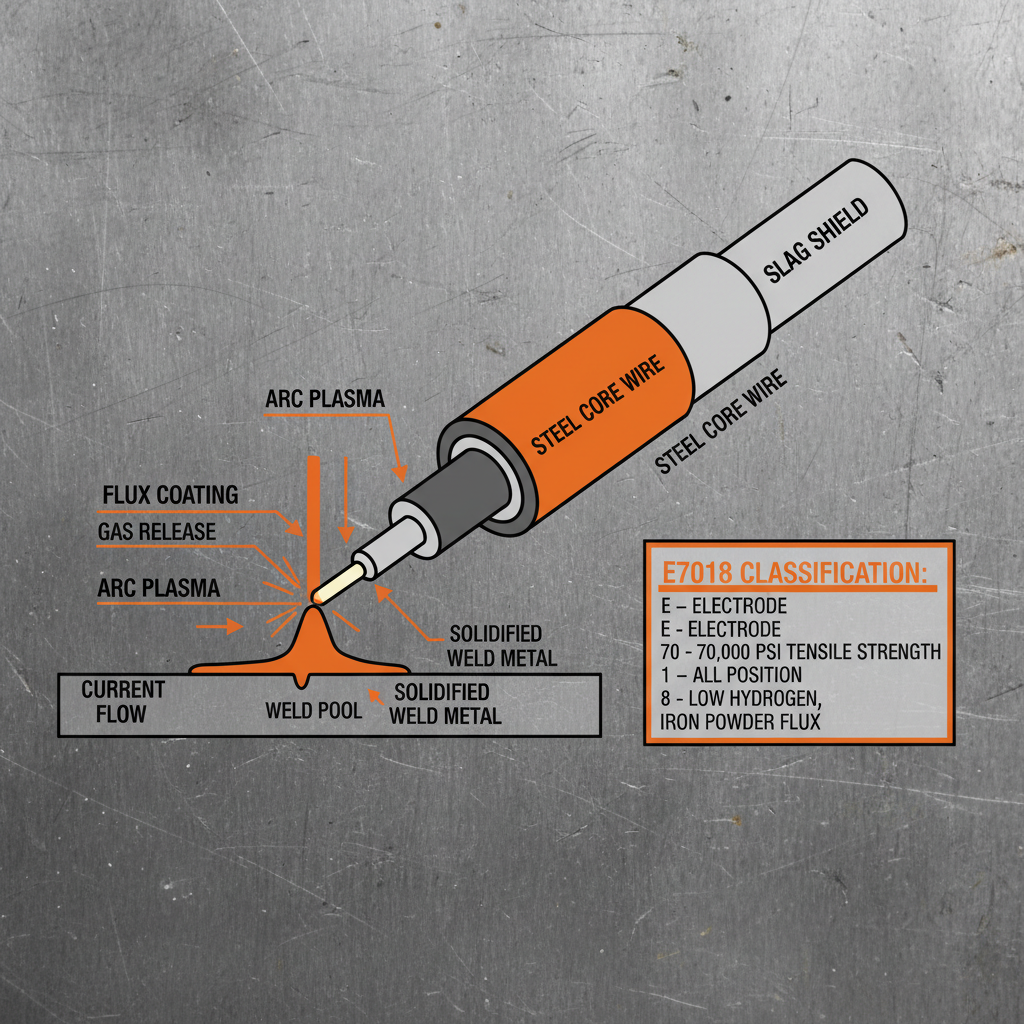
In the demanding world of industrial fabrication, selecting the right consumable is the difference between a structural failure and a lifetime weld. The 3.2mm 7018 welding electrode represents a critical standard in high-strength applications, though it is often compared with versatile options like the E6013 for general carbon steel projects. Understanding the nuances of electrode selection ensures that every joint maintains its integrity under extreme pressure.
Across global infrastructure projects, from shipbuilding to bridge construction, the demand for precision and reliability is paramount. While low-hydrogen electrodes are prized for heavy-duty structural work, many operators rely on the stability and ease of use provided by high-titanium potassium coatings. The challenge lies in matching the specific chemical properties of the electrode to the base metal to prevent cracking and ensure a seamless finish.
Whether you are working with zinc-coated steel sheets or low-carbon steel grades such as Q235 and 09Mn2, the goal remains the same: creating a weld that is strong forever. For those seeking a balance between technical performance and aesthetic appeal, utilizing a 3.2mm 7018 welding electrode or a high-quality E6013 can significantly reduce spatter and simplify slag removal.
Global Industry Context of 3.2mm 7018 Welding Electrode
The global manufacturing landscape, particularly in the metal products industry, relies heavily on the standardization of welding consumables. According to ISO standards, the consistency of the 3.2mm 7018 welding electrode and similar carbon steel electrodes ensures that structures built in one part of the world meet the safety requirements of another. This interoperability is vital for international shipping and aerospace components.
However, the industry faces a constant struggle between maximizing welding speed and maintaining structural integrity. Many fabrication shops struggle with excessive spatter and difficult slag removal, which increases post-weld cleaning time and labor costs. By transitioning to electrodes with stable arcs and high-titanium coatings, companies can optimize their workflow without sacrificing the strength of the bond.
Defining the 3.2mm 7018 Welding Electrode Standard
In simple terms, a 3.2mm 7018 welding electrode is a specialized filler metal used in shielded metal arc welding (SMAW) to create high-strength, low-hydrogen joints. While the 7018 designation refers to specific tensile strengths and low-hydrogen properties, the 3.2mm diameter is a widely used "sweet spot" that allows for sufficient deposition rates while remaining manageable for intricate joints.
This standard is intricately linked to modern humanitarian and industrial needs, such as the rapid construction of emergency housing and the repair of critical water infrastructure. The ability to produce X-ray level II flaw detection quality welds means that these electrodes are trusted for projects where failure is not an option.
From a technical standpoint, these electrodes are often contrasted with E6013 types, which are acidic, high-titanium potassium coatings. While E6013 is prized for its ease of striking and beauty of the weld bead on thin plates, the 7018 series is the gold standard for heavy-duty carbon steel and high-stress environments.
Core Components of High-Performance Electrodes
The effectiveness of a 3.2mm 7018 welding electrode depends largely on its coating composition. The flux coating serves a dual purpose: it stabilizes the arc and protects the molten pool from atmospheric contamination. For electrodes like the E6013, the acidic coating ensures a stable arc and minimal spatter, which is essential for a professional finish on ships and zinc-coated sheets.
Durability and tensile strength are the primary metrics for any 3.2mm 7018 welding electrode. Whether the application is a low-carbon steel like Q235 or a more robust alloy like 09MnV, the electrode must maintain a high viscosity and strong welding capability to ensure that the joint does not crack under thermal stress.
Finally, versatility in welding positions (PA, PB, PC, PD, PE, PF) is a core requirement. A high-quality 3.2mm 7018 welding electrode must allow the welder to maintain control regardless of the angle, ensuring a uniform bead and easy slag removal across all orientations.
Practical Applications in Global Manufacturing
The real-world application of the 3.2mm 7018 welding electrode spans multiple continents and industries. In the shipbuilding hubs of East Asia, these electrodes are used extensively for welding carbon steel plates and zinc-coated sheets. Their ability to operate in all positions makes them indispensable for the complex geometry of a ship's hull.
In remote industrial zones, such as mining operations in Africa or oil rigs in the North Sea, reliability is a matter of safety. The use of standardized welding rods ensures that repair work performed in the field meets the same rigorous specifications as factory-built components. Intermittent and cover welding techniques are frequently employed here to manage heat input and prevent warping.
Performance Analysis of 3.2mm 7018 Welding Electrode Variants
Long-Term Value and Reliability Benefits
The long-term value of investing in a premium 3.2mm 7018 welding electrode is found in the reduction of rework. When a weld passes X-ray flaw detection at level II, the cost of quality assurance drops, and the lifespan of the structure increases. This reliability fosters trust between contractors and clients, especially in high-stakes civil engineering.
Beyond the logical benefits of tensile strength and stability, there is an emotional angle of safety and dignity. For the welder, a rod that is easy to strike and leaves a beautiful, fine bead reduces stress and physical fatigue. For the end-user, knowing that the weld points are "strong forever" provides peace of mind that the infrastructure they rely on is secure.
Future Trends in Welding Consumables
The future of the 3.2mm 7018 welding electrode is being shaped by the push toward green energy. As we build more wind turbines and hydrogen storage tanks, the need for electrodes that can handle advanced low-alloy steels is growing. We are seeing a shift toward coatings that produce even fewer fumes, protecting the health of the operator.
Digital transformation is also playing a role. Smart welding machines can now suggest the optimal current (such as the 60-150A range for E6013) based on the thickness of the base metal. This automation reduces the margin for human error, ensuring that every 3.2mm 7018 welding electrode is used to its maximum potential.
Furthermore, sustainability is driving the development of rutile-grade welding powders that are more eco-friendly to produce. By optimizing the chemical composition of the solder powder, manufacturers can create electrodes that are not only stronger but also leave a smaller environmental footprint during production.
Overcoming Challenges in Electrode Selection
One of the most common challenges in the industry is the mismatch between the electrode and the base metal properties. Many operators fail to check the tensile strength and joint fit-up of the material before selecting their rod. This often leads to weld porosity or cracking, particularly in environments with temperatures ranging from 0-50℃.
To solve this, expert insights suggest a rigorous pre-welding audit. Checking the material grade (e.g., Q235 vs 09Mn2) and ensuring the current is precisely tuned to the electrode diameter is essential. For those using a 3.2mm 7018 welding electrode, maintaining the correct arc length is the key to avoiding slag inclusions.
Additionally, the availability of customized colors (green, blue, etc.) for welding sticks helps in warehouse management and quality control, preventing the accidental use of the wrong electrode on a critical joint. By combining technical precision with organized logistics, firms can eliminate the most common causes of weld failure.
Core Technical Analysis of Welding Electrode Selection
|
Electrode Type
|
Primary Base Metal
|
Recommended Current
|
Strength Rating (1-10)
|
|
3.2mm 7018 Welding Electrode
|
High-Stress Carbon Steel
|
110-160 A
|
10
|
|
E6013 Welding Rod
|
General Carbon/Zinc Steel
|
60-150 A
|
7
|
|
E6010 Welding Rod
|
Pipe/Root Pass
|
80-140 A
|
8
|
|
E6011 Welding Rod
|
Dirty/Rusty Steel
|
90-150 A
|
7
|
|
Stainless Steel Electrode
|
Corrosive Environments
|
70-130 A
|
9
|
|
Cast Iron Rod
|
Cast Iron Machinery
|
50-110 A
|
6
|
FAQS
The primary difference lies in the coating and the intended application. A 3.2mm 7018 welding electrode is a low-hydrogen rod designed for high-strength structural welds with superior crack resistance. In contrast, the E6013 is an acidic, high-titanium rod prized for its ease of use, stable arc, and beautiful finish on thinner carbon steel or zinc-coated sheets. While 7018 is for strength, 6013 is for versatility and aesthetics.
While 7018 is excellent for high-strength carbon steel, zinc-coated sheets are often better suited for E6013 electrodes due to their ability to handle the coating more smoothly. However, if structural strength is the priority, 7018 can be used provided the zinc coating is properly removed from the weld zone to prevent porosity and contamination of the weld pool.
For a general-purpose electrode like the E6013, the recommended current is typically between 60-150 A. For a 3.2mm 7018 welding electrode, the range is slightly higher to ensure proper penetration and fusion of the low-hydrogen filler metal. Always refer to the specific manufacturer's data sheet to match the current to the base metal thickness and joint fit-up.
Achieving Level II detection requires a combination of high-quality consumables, such as a 3.2mm 7018 welding electrode, and precise technique. Ensure the base metal is clean, maintain a consistent arc length to avoid slag inclusions, and use the correct welding position (PA-PF). Pre-heating the metal in cold environments (below 0℃) also helps prevent hydrogen-induced cracking.
Yes, high-quality 7018 and 6013 electrodes are designed to work in all positions, including flat (PA), horizontal (PB), vertical (PC/PD), and overhead (PE/PF). The stability of the arc and the viscosity of the molten metal allow the welder to maintain a consistent bead regardless of the orientation, making them ideal for complex structural fabrication.
Excessive spatter is often a sign of incorrect current settings or contaminated base metal. First, ensure your current is within the recommended range for your 3.2mm 7018 welding electrode. Second, check if the metal is excessively rusty or oily. Switching to a high-titanium potassium coating, like those found in E6013, can also naturally reduce spatter and improve the final appearance.
Conclusion
Selecting the correct consumable, whether it is the high-strength 3.2mm 7018 welding electrode for structural integrity or the versatile E6013 for general carbon steel, is the cornerstone of professional metal fabrication. By aligning base metal properties, current settings, and environmental conditions, manufacturers can ensure welds that are not only aesthetically pleasing but structurally permanent.
As the industry moves toward smarter, greener technologies, the importance of standardized, high-performance welding consumables will only increase. We encourage engineers and fabricators to prioritize X-ray quality and low-hydrogen standards to build a safer, more durable future. For premium welding solutions and full-line consumables, visit our website: www.steeltoolschina.com.